
Side Dishes
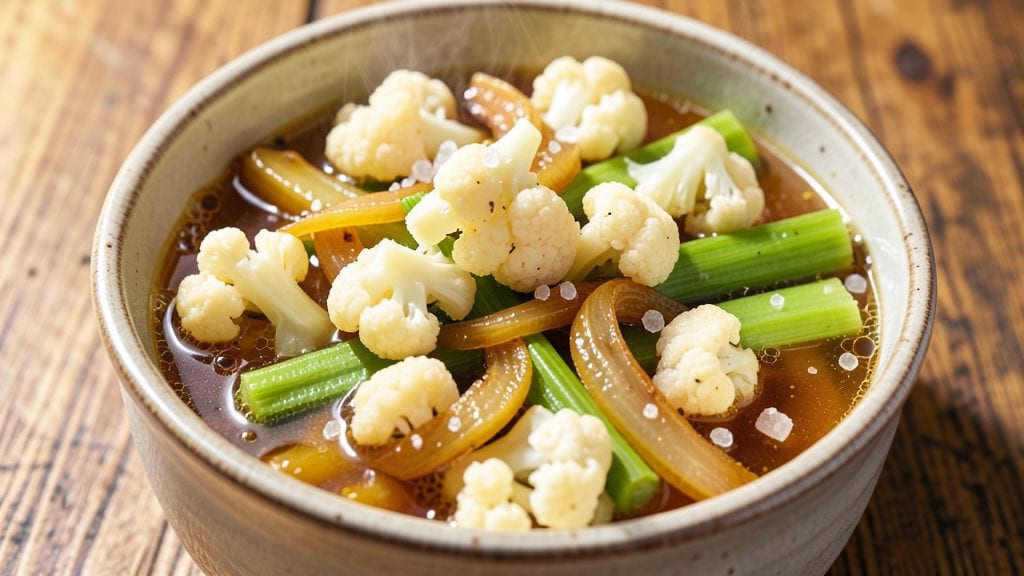
This sugar-free bread and butter pickles recipe delivers the same tangy, crunchy satisfaction without the sugar crash—perfect for pairing with sandwiches, burgers, or charcuterie boards. The secret lies in balancing vinegar, spices, and a touch of natural sweetener to create that signature bright flavor profile while keeping carbs in check.
I developed this method after years of testing, ensuring the pickles stay crisp and the brine remains vibrant.
What sets these pickles apart is the vinegar-brine mixture, which preserves the vegetables while delivering that classic tang. You'll use a precise ratio of white vinegar, water, and spices—no sugar needed.
The optional sweetener (like erythritol or stevia) enhances flavor without spiking blood sugar, and the spices (mustard seeds, celery seeds, dill) create depth that rivals traditional recipes. The result is a condiment that's as versatile as it is delicious.
By the time your pickles are ready, you'll have a jar of bright, vinegar-kissed vegetables that cut through rich meats and add freshness to any meal. The texture remains satisfyingly crunchy, and the flavor profile is bold yet balanced.
This recipe proves sugar-free doesn't mean flavor-free—just try one bite to believe it. Let's get started on the pickling liquid that will transform your dishes.
Once you master the base recipe, you can easily adjust the spice level or sweetener to suit your taste. For example, adding a pinch of cayenne creates a subtle heat, while extra dill enhances the herby notes.
The pickles keep well in the refrigerator for up to three months, making this a condiment worth making in bulk. Whether you're hosting a dinner party or simply craving a classic side, this sugar-free version delivers every time.
Ingredients for sugar free bread and butter pickles
Nine simple ingredients transform into tangy, crunchy pickles without any sugar.
| Ingredient | Amount | Notes |
|---|---|---|
| White Vinegar 🍶 | 2 cups | Distilled white vinegar preferred |
| Water 💧 | 2 cups | Filtered or bottled water |
| Granulated Erythritol 🍯 | ¼ cup | Or stevia to taste (optional) |
| Yellow Onion 🧅 | 1 whole | Thinly sliced, 1/4-inch pieces |
| Celery Stalks 🥬 | 4 whole | Thinly sliced, 1/4-inch pieces |
| Cauliflower Florets 🥬 | 1 cup | Small florets, 1-inch pieces |
| Mustard Seeds 🌶️ | 1 tbsp | Yellow or brown preferred |
| Celery Seeds 🌿 | 1 tsp | Ground lightly for texture |
| Dried Dill 🌿 | 1 tbsp | Or 2 tbsp fresh chopped |
| Salt 🧂 | 1 ½ tsp | Kosher or sea salt |
The vinegar is the star here—distilled white vinegar gives the brightest flavor, but apple cider vinegar works too (just add an extra pinch of salt). Trader Joe's has a great affordable option, but any store-brand will do. For the sweetener, erythritol is my go-to because it measures like sugar and doesn't leave an aftertaste, but stevia or monk fruit both work if you prefer. The onions and celery should be fresh—no wilted or bruised spots. Cauliflower adds that classic bread-and-butter texture, so pick firm florets. If you can't find cauliflower, extra carrots or jicama work too.
No erythritol? Swerve or allulose are great 1:1 substitutes. Short on dill? Fresh parsley or tarragon adds a nice herbal note. Want more heat? Add 1/8 tsp cayenne or 1/4 tsp red pepper flakes. The seeds are key—if you don't have celery seeds, extra mustard seeds at double the amount give similar texture. For the vegetables, slice them all uniformly—about 1/4-inch thick—so they pickle evenly. Pack them tightly into the jar so they stay crisp.
This brine keeps for 3 months in the fridge once opened, but the vegetables stay crunchy for about 2 weeks if you eat them first. For longer storage, freeze the pickles in portions—they'll soften but still taste great in soups or sandwiches. I like to make a double batch and give half away—people always ask for more. The flavor actually improves after 24 hours, so plan ahead if you're impatient.
Why You'll Love This Recipe
- No-Fuss Pantry Magic: I swear by this recipe because it uses stuff I already have—vinegar, onions, celery—no fancy shopping required. The erythritol keeps it sweet without the sugar crash, and honestly? The prep is just dicing and boiling.
- Crunchy-Sweet Balance: That first bite of crisp celery and onion with the tangy vinegar and just-right sweetness? It’s the kind of flavor combo that makes you pause mid-meal. The erythritol caramelizes enough to give it that classic bread-and-butter depth without any guilt.
- Meal Prep MVP: I make a big batch on Sundays and toss it into sandwiches, salads, or even scrambled eggs for a bright pop. It lasts weeks in the fridge, so it’s my go-to for lazy weeknights or potlucks—zero stress, all flavor.
- Budget-Friendly Staple: Celery and onions are dirt cheap, and vinegar stretches forever. This recipe costs me pennies per jar, yet it feels like a gourmet touch. Between us, it’s the secret weapon that makes cheap meals taste like you put in effort.
Step-by-step instructions for sugar-free pickles
Here's how to make tangy, crunchy pickles without any sugar—simple steps for perfect results every time.
Prepare the Vegetables
Start by thoroughly washing the 1 whole yellow onion and 4 whole celery stalks. Using a sharp knife, slice the onion into ¼-inch thick pieces and cut the celery into similar ¼-inch thick slices. For the 1 cup cauliflower florets, break them into 1-inch pieces—this size ensures even pickling and a satisfying crunch.
Place all the sliced vegetables in a large mixing bowl. Add the 1 tbsp dried dill, 1 tbsp mustard seeds, 1 tsp celery seeds, and 1.5 tsp salt. Gently toss everything together with your hands or a wooden spoon until the vegetables are evenly coated with the spices. The dill and mustard seeds will release their flavors as the pickles sit, while the salt begins to draw out moisture for that classic tangy bite.
Combine the Brine
In a separate large bowl or measuring cup, combine the 2 cups white vinegar and 2 cups water. Stir well to ensure the vinegar is fully dissolved. Next, add the 0.25 cup granulated erythritol, stirring until it dissolves completely. The vinegar-water mixture should be clear, and the erythritol should fully integrate without any graininess.
Here's the thing—this sugar-free brine relies on vinegar for the signature tang, while the erythritol just adds a touch of sweetness without spiking blood sugar. Pour the warm brine over the vegetable mixture in the bowl, ensuring every piece is submerged. Let the vegetables soak for 10 minutes while you prepare the jars.
Pack and Store the Pickles
Sterilize four clean pint-sized mason jars by boiling them in water for 5 minutes, then let them cool. Using a slotted spoon, transfer the vegetables and brine into the jars, packing them tightly but gently to avoid crushing. Leave about ½ inch of headspace at the top of each jar to allow for expansion.
Seal the jars tightly with their lids and let them sit at room temperature for 24 hours before refrigerating. This initial rest period allows the flavors to meld and the vegetables to absorb the tangy brine. After 24 hours, store the jars in the refrigerator where they'll keep for up to 3 months. The longer they sit, the more flavorful they become—wait at least 48 hours before tasting for the best results.
Enjoy Your Crunchy Pickles
When you're ready to serve, simply open a jar and enjoy the pickles straight from the fridge. They'll have a satisfying crunch and that bright, vinegary tang without any sugar crash. These pickles pair perfectly with sandwiches, burgers, or even as a side dish for grilled meats. The cauliflower florets add a unique texture that sets these apart from traditional bread-and-butter pickles.
If you prefer your pickles even crunchier, you can add a few extra slices of onion or celery to the jars when packing them. For a spicier kick, consider adding a pinch of red pepper flakes to the brine. The beauty of this recipe is its flexibility—adjust the spices to suit your taste while keeping it completely sugar-free.
Pro Tips For Making Sugar Free Bread And Butter Pickles
- Simmer Slow and Steady: I learned this the hard way—rushing the simmering process leaves pickles tough and vinegary. Bring the mix to a full boil first to sterilize the jars, then reduce to a gentle simmer (small bubbles, barely there) for 20-25 minutes. Too much heat? Your onions and celery turn mushy. Too little? Underprocessed. That middle ground is where magic happens.
- Dice Onions Uniformly: Skip the "eyeball it" approach—cut onions into even ¼-inch dice so every bite has the same texture. Uneven pieces mean some get overcooked and others stay crunchy. Use a sharp knife and a mandoline if you’re impatient (yes, even if you’re bad at it), but don’t skip measuring. Your future self will notice.
- Sterilize Jars Properly: I was skeptical until I tried it—run jars and lids through a hot water bath (or oven at 200°F for 10 minutes) before filling. Cold jars + hot pickles = seal failure. Pop them in the oven while you prep the brine, then transfer straight to a towel to dry. No shortcut here—mold is not worth the risk.
- Add Erythritol Last: Stir the erythritol into the cooling brine, not the hot one—it crystallizes fast and clumps like a nightmare. Let the mix sit at room temp for 5 minutes after simmering, then sprinkle in the sweetener and stir until fully dissolved. Patience here keeps your pickles smooth, not gritty.
Regional styles of this recipe
Midwest Crunch
The classic Midwest-style bread and butter pickles rely on a balance of white vinegar, sweetener, and a mustard seed-dill spice blend that delivers that signature crunch.
In this region, the pickles often include extra cauliflower for texture and a touch of turmeric (about ¼ tsp) for a subtle golden hue. I’ve found that using apple cider vinegar instead of white vinegar adds a mild sweetness that pairs beautifully with the erythritol.
The Midwest version also tends to be slightly sweeter—adjust to ⅓ cup erythritol if you prefer a more pronounced sweetness without sugar. 🍶
Southern Tangy Twist
Southern-style pickles lean into heat and smokiness, often incorporating smoked paprika (about ½ tsp) or a dash of hot sauce into the brine. I like to add 1-2 slices of jalapeño to the jars for extra kick, especially if you’re serving with pulled pork or fried chicken.
The Southern approach also sometimes includes a splash of lemon juice (about 1 tbsp) to brighten the flavor profile. For a true Southern touch, use brown sugar-free molasses (like Lyle’s Sugar-Free) instead of erythritol—it adds depth without spiking blood sugar. 🌶️
Northern European Crisp
Inspired by Scandinavian and German traditions, Northern European pickles focus on sharp, herby flavors with a dill-heavy profile. This version often skips the erythritol entirely and relies on a splash of white wine vinegar (replace ½ cup of the white vinegar) for complexity.
Add extra fresh dill (about 3 tbsp chopped) and a pinch of black peppercorns to the jars for a bold, aromatic bite. The vegetables are typically thinnerly sliced (about ⅛-inch thick) to ensure maximum crispness. This style pairs exceptionally well with smoked fish or hearty sausages. 🌿
Pacific Northwest Freshness
The Pacific Northwest takes a lighter, fresher approach, often incorporating local ingredients like fennel or radishes alongside the traditional onion and celery. I’ve experimented with adding thinly sliced radishes (about ½ cup) for a peppery crunch.
The brine here might include a splash of rice vinegar (about ¼ cup) for a milder tang, along with extra garlic (about 2 minced cloves) for depth. This version is perfect for salads, grain bowls, or as a topping for grilled salmon.
The focus is on bright, clean flavors that complement the region’s fresh produce. 🥬
Texas-Style Boldness
Texas-style pickles are bold and briny, often featuring extra spices like ground coriander (about ½ tsp) and a pinch of cayenne for heat. The vegetables are sometimes lightly charred before pickling—toss them in a dry skillet over medium-high heat for 2-3 minutes to add a smoky depth.
I also like to include a few slices of crispy bacon in the jars for a savory-sweet contrast. This version is a showstopper when served with BBQ ribs or brisket, delivering a rich, complex flavor that stands up to hearty dishes. 🔥
Nutrition facts
Frequently asked questions
Can I use apple cider vinegar instead of white vinegar?
Yes! Apple cider vinegar works beautifully and adds a subtle sweetness that pairs well with the erythritol. For the best results, use a 1:1 ratio, but you may want to reduce the sweetener slightly (¼ cup erythritol) since the vinegar already contributes mild sweetness. The flavor will be fruitier and more complex.
How do I keep my sugar-free pickles extra crunchy?
Crispness depends on proper prep and storage. First, slice vegetables uniformly at ¼-inch thickness and pack them tightly into jars. Avoid overcrowding, which can lead to sogginess. For extra crunch, add ½ tsp baking soda to the brine (it raises the pH slightly, helping preserve texture). Store in the fridge and eat within 2 weeks for best results.
What can I substitute for erythritol if I don't have it?
Try these sugar-free sweeteners: Swerve (1:1 ratio), monk fruit (½ the amount), or stevia (¼ tsp per ¼ cup). Avoid maltitol—it can cause digestive issues. If you prefer no sweetener, reduce the erythritol to 2 tbsp for a tangier profile. The vinegar's acidity will still balance the flavors beautifully.
Why do my pickles turn out too sour?
Overly sour pickles usually mean too much vinegar or not enough sweetener. Try adjusting the ratio to 1.5 cups vinegar + 2.5 cups water and add 3 tbsp erythritol. Let them sit for 48 hours before tasting—the flavor mellows as it absorbs the brine. If still too sour, dilute with a splash of water and let them rest another day.
Can I make these pickles without cauliflower?
Swap cauliflower for 1 cup carrots (julienned) or ½ cup jicama (thinly sliced) for a similar crunch. For a different texture, try radishes or fennel. Just adjust the slicing thickness to maintain even pickling. The flavor profile will shift slightly, but the tangy, vinegar-bright essence remains intact.