
Side Dishes
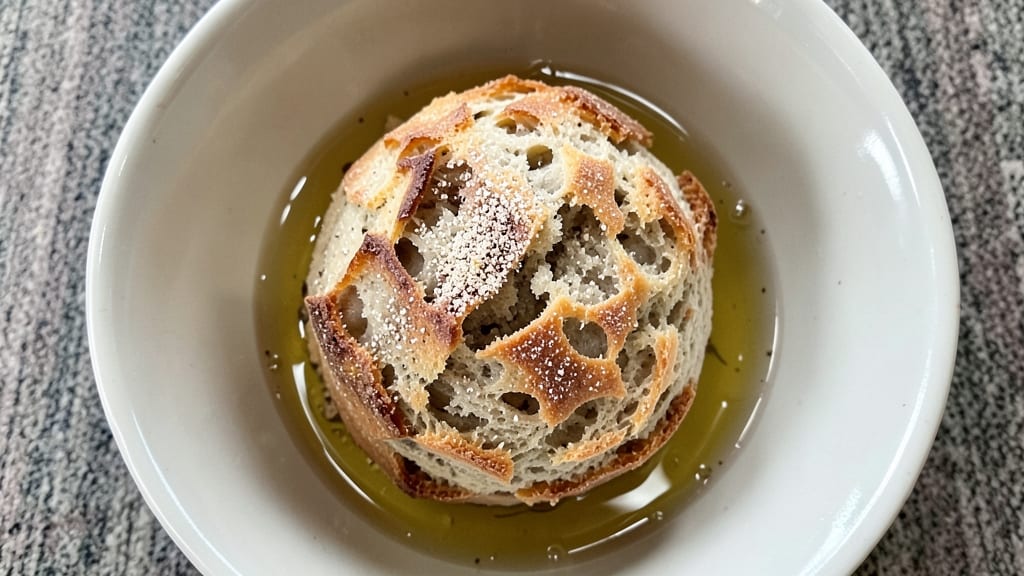
This artisan keto bread recipe delivers restaurant-quality texture without yeast, gluten, or the carb overload. The secret lies in psyllium husk and egg whites binding almond flour into a loaf that rises fluffy yet maintains that coveted crusty exterior.
I've perfected this through multiple test batches—each one closer to the real deal while keeping it strictly keto-compliant.
The magic happens in the oven where high heat creates that signature artisan crust while keeping the interior tender. Unlike dense keto breads, this recipe achieves an open crumb structure through careful hydration techniques and a precise baking method.
The result? A loaf that slices beautifully and toasts to golden perfection every time.
What sets this apart is the ability to customize without sacrificing texture—add seeds for crunch, herbs for flavor, or leave it classic. The bread stays fresh for days when stored properly, making it ideal for keto households that crave variety without the guilt.
No special equipment needed beyond a standard loaf pan.
Perfect for sandwiches, toast, or serving alongside meals, this bread proves keto dining can be sophisticated. The recipe includes troubleshooting tips for common challenges like over-browning or uneven rise. Let's get baking—your keto lifestyle just got an upgrade.
Ingredients for artisan keto bread
Six ingredients create a keto bread with restaurant-style texture and zero gluten.
| Ingredient | Amount | Notes |
|---|---|---|
| Almond Flour 🌰 | 3 cups | Finely ground, unsweetened |
| Psyllium Husk Powder 🌿 | 1 tbsp | Key for binding and rise |
| Large Egg Whites 🥚 | 4 whole | Room temperature preferred |
| Warm Water 💧 | ¾ cup | Activates psyllium husk |
| Baking Powder 🍞 | 1 tsp | Aluminum-free preferred |
| Salt 🧂 | ½ tsp | Fine sea salt preferred |
| Xanthan Gum 🌾 | ¼ tsp | Enhances elasticity |
| Apple Cider Vinegar 🍎 | 1 tbsp | Activates baking powder |
| Sesame Seeds 🌻 | 1 tbsp | Optional for topping |
| Garlic Powder 🧄 | 1 tsp | For subtle flavor |
| Olive Oil 🫒 | 1 tbsp | For greasing loaf pan |
| Erythritol or Monk Fruit Sweetener 🍬 | 1 tbsp | Optional for slight sweetness |
The almond flour is non-negotiable here—Bob's Red Mill or Anthony's Goods brands work best for fine texture. Psyllium husk powder acts as the gluten substitute, so make sure it's food-grade quality. I buy mine in bulk from NOW Foods—it's a game-changer for binding. The egg whites need to be at room temperature for proper whipping, which helps create that signature open crumb. For the warm water, think 105-110°F—just warm to the touch. If you're using erythritol, Lakanto brand blends well without graininess.
No psyllium husk? Chia seeds at double the amount can work in a pinch, but texture will differ. Substituting almond flour with coconut flour isn't recommended—it absorbs too much moisture. For the vinegar, white vinegar works fine if you're out of apple cider. Sesame seeds can be swapped for sunflower seeds or poppy seeds for variety. Want extra flavor? Add 1 tsp dried rosemary or thyme to the dry ingredients. The garlic powder can be replaced with 1/4 tsp onion powder plus 1/4 tsp garlic powder for a more complex flavor profile.
This dough thickens quickly after mixing—work fast but don't rush. For best results, let the batter sit for 10 minutes before baking to fully activate the psyllium. Store the baked loaf in an airtight container with a slice of bread or paper towel to prevent drying. Keeps at room temperature for 3 days or frozen for 3 months. To revive stale bread, wrap in foil and warm at 300°F for 10 minutes. The crust stays crisp for 24 hours if stored properly.
Why You'll Love This Recipe
- No-Fuss Mixing: I swear by this recipe because it’s just three bowls and a whisk. The psyllium husk powder does all the heavy lifting—no kneading, no waiting for dough to rise. Honestly, I’ve made it while watching a movie, and it still comes out golden and sturdy.
- Nutty Crust, Soft Core: That almond flour gives it a buttery, toasty bite, while the egg whites keep it light inside. It’s not dry or crumbly—it’s got that satisfying chew you’d expect from real bread, but with a nutty depth that’s oddly addictive.
- Meal Prep MVP: Between us, this bread holds up for days in the fridge without turning soggy. I slice it fresh for breakfast, pack it for lunches, or toast it for dinner—no sad, stale ends. It’s my go-to for avoiding takeout when I’m too tired to cook.
- Budget-Friendly Staple: Almond flour might sound pricey, but a little goes a long way, and the rest of the ingredients? Cheap staples. I make a double batch, freeze half, and still save money compared to buying keto bread at the store. Plus, it’s way better than the store-bought stuff.
Step-by-step instructions for artisan keto bread
This method delivers a light, airy loaf with proper structure—no dense crumb here.
Activate the Psyllium Husk Mixture
In a medium bowl, whisk together the 3 cups almond flour, 1 tbsp psyllium husk powder, 1 tsp baking powder, 0.5 tsp salt, 0.25 tsp xanthan gum, and 1 tsp garlic powder. The psyllium husk needs hydration to create that signature rise, so add the 0.75 cup warm water and 1 tbsp apple cider vinegar all at once. Stir vigorously for 2 minutes until you get a thick, gel-like consistency that clings to the spoon.
Here's the thing—psyllium husk absorbs water differently than flour. You want it to form a cohesive dough that holds its shape when handled. If the mixture looks too dry after 2 minutes, add 1 teaspoon more warm water. If it's too sticky, add 1 tablespoon more almond flour. The texture should be like wet sand that holds together when pressed.
Incorporate the Egg Whites and Sweetener
In a separate large bowl, beat the 4 whole large egg whites with a hand mixer on medium speed until they form soft peaks. This adds lightness that regular eggs can't match in keto baking. Gradually fold the psyllium mixture into the egg whites using a rubber spatula, mixing just until combined. Avoid overmixing—you'll see a thick, shaggy dough form.
Next, gently fold in the 1 tbsp erythritol or monk fruit sweetener and 1 tbsp olive oil. The sweetener adds subtle flavor and helps with browning, while the oil keeps the crumb tender. The dough should be thick but pliable—if it cracks when you press it, it's ready for the next step. If it's too loose, let it rest for 5 minutes to thicken slightly.
Shape and Prepare the Loaf Pan
Lightly grease a 9x5-inch loaf pan with olive oil, then dust with 1 tablespoon sesame seeds (reserve the rest for topping). Transfer the dough to the prepared pan and spread it evenly, pressing down gently with your hands until the surface is smooth. The dough will be sticky—wet your fingers if needed to handle it without tearing.
Here's where precision matters: the dough should reach the top edge of the pan but not overflow. If it's too thick, let it rest for 10 minutes before pressing again. Sprinkle the remaining 1 tablespoon sesame seeds evenly over the top for texture and flavor. This step ensures your bread has that classic artisan look while preventing sticking.
Bake for Perfect Rise and Crisp
Preheat your oven to 350°F and place a small baking dish filled with 1 cup hot water on the lower rack. This creates steam that helps the bread rise properly. Bake the loaf for 45-50 minutes until the top is golden brown and a toothpick inserted in the center comes out clean. The internal temperature should reach 200°F—this guarantees doneness without overbaking.
Don't open the oven during baking or the bread will collapse. If the top browns too quickly, loosely tent it with aluminum foil after 30 minutes. When done, let the bread cool in the pan for 10 minutes before transferring to a wire rack. This resting period prevents cracking as it cools completely. The final loaf should have a crisp crust, an open crumb, and hold its shape when sliced.
Pro Tips For Making Artisan Keto Bread
- Whisk Egg Whites First: Beat those large egg whites until stiff peaks form before mixing anything else—this ensures your bread rises properly and doesn’t collapse. I used to add them last, and the texture always felt dense and sad.
- Mix Psyllium Last: Stir in the psyllium husk powder just before shaping—it thickens fast. After burning through three batches where the dough turned gummy, I learned to wait until the last second. Yes, it’s messy, but it’s worth it.
- Preheat Pan to 375°F: A cold pan = a sad, flat loaf. Get that skillet or baking dish hot before pouring the batter—this guarantees a crisp crust and proper rise. I skipped this once and got a pancake instead of bread.
- Press Dough Gently: Don’t pack it down like you’re mad at the dough. Lightly press the batter into the pan to avoid a heavy, brick-like texture. Think "shape, don’t squash"—your bread will thank you.
Pro cooking tips for this dish
Psyllium Husk Mastery
The psyllium husk is your secret weapon for that signature artisan rise. Measure it precisely—1 tbsp is critical—and always use warm water (105-110°F) to activate it fully. I like to whisk the husk with water first for 30 seconds before mixing with dry ingredients to create a smooth gel.
This step prevents clumping and ensures even distribution throughout the dough. 🌿
Egg White Whipping
Never skip whipping the egg whites—they create the light, airy texture that separates this bread from dense keto loaves. Use a hand mixer on medium-high speed until soft peaks form, then gently fold them in last.
Overmixing here makes the dough tough. I find room-temperature eggs whip up faster and hold their volume better than cold ones. For extra insurance, add a pinch of cream of tartar to stabilize the foam.
Dough Consistency
The ideal dough should be thick but pliable—like wet sand that holds together when pressed. If your mixture feels too dry after 2 minutes of stirring, add 1 tsp more warm water. Too sticky? Sprinkle in 1 tbsp almond flour and mix again.
The dough should cling slightly to your fingers but not be gluey. This balance is key for that perfect open crumb structure. Test by pressing with your thumb—it should leave a clean imprint that holds its shape.
Pan Prep Secrets
Grease your 9x5-inch loaf pan with olive oil, then dust generously with sesame seeds—this prevents sticking and adds texture. I like to press the seeds into the oil with my fingers for better adhesion.
For even better results, chill the prepared pan in the fridge for 10 minutes before adding the dough. This helps the loaf rise more evenly and prevents spreading. The seeds also create a beautiful golden crust during baking.
Steam for Rise
That water bath on the lower oven rack isn't just for show—it's what creates the proper rise. Place 1 cup hot water in a small baking dish and position it directly below your loaf pan. The steam mimics commercial bakery conditions, helping the bread expand properly.
I like to add a few ice cubes to the water for extra steam during the first 20 minutes of baking. This technique prevents a dense crumb and gives you that coveted open texture.
Browning Control
Watch for browning after 30 minutes—if the top darkens too quickly, loosely tent with aluminum foil. The internal temperature should reach 200°F, not the crust color. For a deeper crust without overbaking, broil for 1-2 minutes at the very end.
I've found that brushing the top with a little olive oil right before the final broil adds extra color and crispness. Always let the bread cool in the pan for 10 minutes before removing to prevent cracking.
Nutrition facts
Frequently asked questions
Why does this keto bread need psyllium husk?
Psyllium husk acts as a gluten substitute by creating a gel-like structure when mixed with warm water. This gives the bread its signature rise and chewy texture without traditional flour. It also helps bind the ingredients together, preventing a dense crumb that's common in other low-carb breads.
Can I make this bread without egg whites?
Yes, but the texture will be denser. Replace the 4 egg whites with 4 tbsp aquafaba (chickpea brine) whipped to stiff peaks, or use 1/2 cup unsweetened applesauce for moisture. The rise won't be as light, but it'll still hold together. For best results, stick with egg whites—they create that perfect airy crumb.
How do I prevent the bread from sticking to the pan?
Grease your 9x5-inch loaf pan thoroughly with olive oil, then dust generously with sesame seeds. Press the seeds into the oil for better adhesion. Chill the prepared pan for 10 minutes before adding the dough to help it rise more evenly. This method ensures easy release and a beautiful crust.
What if my bread turns out too dense?
Dense bread usually means the psyllium husk wasn't activated properly or the dough was overmixed. Next time, whisk the husk with warm water first for 30 seconds to create a smooth gel. Also, fold the egg whites in gently—overmixing develops gluten-like proteins. For a quick fix, toast slices for 2-3 minutes to crisp up the exterior.
Can I add cheese or herbs to this recipe?
For cheese, try 1/2 cup shredded cheddar or mozzarella folded into the dough. For herbs, add 1 tbsp fresh rosemary or thyme with the dry ingredients. Keep additions to 1/3 of the recipe to maintain texture. The bread will have extra flavor but may brown faster—watch closely after 30 minutes of baking.