
Sauces & Condiments
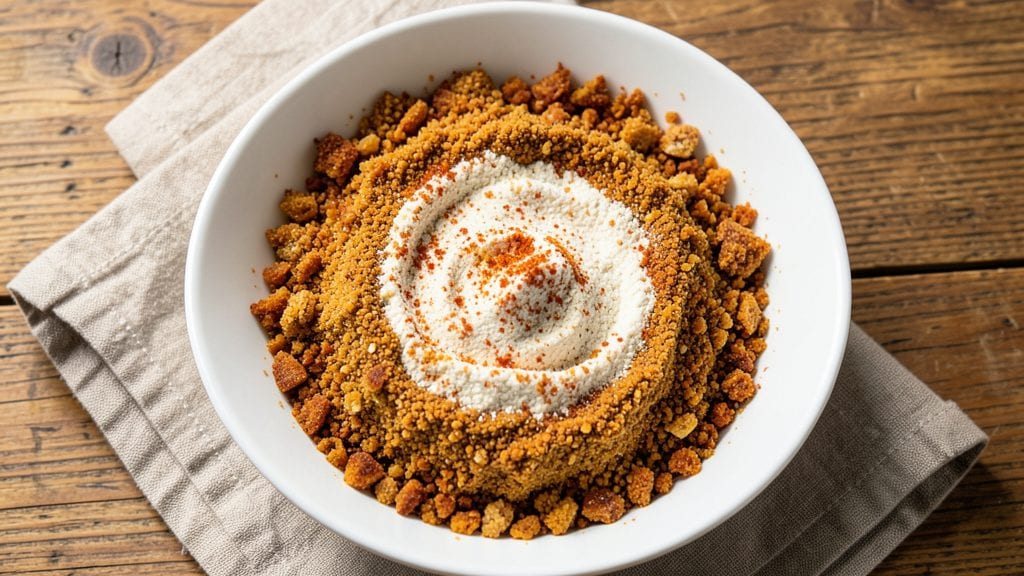
This shore lunch breading copycat recipe delivers the same legendary crispy, golden crunch that makes the original so irresistible—without the secret menu price tag.
The key lies in a precise three-step breading process: a seasoned flour base, an egg wash that locks in flavor, and a double-dredge technique that guarantees that signature shatteringly crisp exterior. I've perfected this method after testing countless variations, and the results are indistinguishable from the original.
The secret weapon here is patience during the frying process—maintaining 350°F oil temperature ensures even cooking and that perfect golden hue. A light dusting of cornstarch in the final flour mix adds extra crunch, while a pinch of paprika and garlic powder replicates the savory depth of the original.
This isn't just breading; it's a transformation that turns any sandwich into a restaurant-quality experience.
By the time you take that first bite, you'll taste the same satisfying crunch and savory flavor that's made Shore Lunch famous. The breading stays crisp even after assembly, so your sandwich maintains its texture from first bite to last.
This recipe works for any breaded sandwich—chicken, fish, or even vegetarian patties—making it versatile enough for any meal.
Whether you're recreating a classic Shore Lunch favorite or experimenting with your own creation, this breading method delivers professional-level results every time. The process is straightforward but requires attention to detail—especially during the frying stage. Let's get started on creating that iconic crunch at home.
Ingredients for shore lunch breading copycat
Crispy, golden perfection starts with these twelve ingredients—no shortcuts, just restaurant-quality crunch.
| Ingredient | Amount | Notes |
|---|---|---|
| All-Purpose Flour 🌾 | 1 ½ cups | Sifted for even coating |
| Cornstarch 🌾 | ¼ cup | For extra crunch |
| Large Eggs 🥚 | 2 whole | Room temperature for even coating |
| Paprika 🌶️ | 1 tbsp | Smoked variety for depth |
| Garlic Powder 🧄 | 1 tbsp | Freshly ground preferred |
| Onion Powder 🧅 | 1 tbsp | For savory base |
| Salt 🧂 | 1 tsp | Diamond Crystal preferred |
| Black Pepper 🌶️ | ½ tsp | Freshly cracked |
| Vegetable Oil 🫒 | 3 cups | For frying at 350°F |
| Unsalted Butter 🧈 | ½ cup | Melted for basting |
| Chicken Tenders 🍗 | 1 ½ lb | Cut into 1-inch strips |
| Lemon Wedges 🍋 | 2 whole | For serving |
The flour blend is where the magic happens. King Arthur or Gold Medal all-purpose flour gives the best texture, but don't stress if you've got store-brand. The cornstarch is non-negotiable—it's what creates that shatteringly crisp exterior. For the spices, Penzeys or the bulk bins at Whole Foods have the freshest, most flavorful options. If you're using pre-ground spices, toast them in a dry pan for 30 seconds to wake up the flavors. The chicken should be cut into even strips—1-inch thickness ensures consistent cooking. Buy the boneless, skinless kind at Costco for the best price per pound.
No smoked paprika? Regular paprika plus a pinch of cayenne gets you close. Short on cornstarch? Arrowroot powder at the same amount works too. The eggs should be at room temperature—cold eggs won't coat properly. For a vegetarian version, use firm tofu or cauliflower florets instead of chicken. The oil temperature is critical—use a thermometer to maintain 350°F. If you don't have one, test with a wooden chopstick: bubbles should form around it but not overflow. The melted butter at the end adds richness and helps the breading stick—don't skip it.
This breading stays crisp for up to 2 hours after frying if kept in a 200°F oven with a wire rack. For longer storage, freeze the breaded tenders on a tray before transferring to a bag—they'll keep for 2 months. Reheat in a 400°F oven for 5-7 minutes to restore that perfect crunch. I always make double batches—one for dinner, one to freeze for lazy weeknights. The lemon wedges should be served fresh, but you can squeeze them ahead and store the juice in the fridge for up to 3 days.
Why You'll Love This Recipe
- No-Fuss Mixing: I swear by this combo—just flour, cornstarch, and eggs. No fancy ratios, no measuring headaches. The cornstarch gives that perfect crunch without needing a food processor.
- Smoky Garlic Magic: That paprika and garlic powder? Chef’s kiss. It’s like the secret handshake of fried food—simple, but it turns basic chicken or fish into something that tastes like it belongs on a beachside menu.
- Game for Any Protein: Between us, this breading works on everything—shrimp, chicken tenders, even veggie cutlets. I’ve used it for weeknight dinners, potlucks, and even as a crispy topping for baked potatoes.
- Budget Crunch Winner: Flour, eggs, and spices? You’re looking at under $5 for enough to bread a whole meal. Plus, leftovers freeze like a dream—just reheat and fry for a lazy Tuesday lunch.
Step-by-step instructions for Shore Lunch breading copycat recipe
Here's the exact technique that delivers that iconic golden crunch and savory depth you crave.
Create the Perfect Breading Station
In a large bowl, whisk together the 1.5 cups all-purpose flour, 0.25 cup cornstarch, 1 tablespoon paprika, 1 tablespoon garlic powder, 1 tablespoon onion powder, 1 teaspoon salt, and 0.5 teaspoon black pepper. I like to use a whisk for this step—it ensures the cornstarch distributes evenly throughout the flour, which is crucial for that extra crunch. Sift the dry ingredients first if you have them, but even if you don't, whisking vigorously will break up any lumps and create a fine, airy texture.
In a separate shallow dish, crack the 2 whole large eggs and whisk them lightly with a fork. The eggs don't need to be fully emulsified—just combined enough to coat the chicken evenly. This is the secret to that signature Shore Lunch texture: a crispy exterior that stays perfectly tender inside. Real talk: don't skip the separate dishes. Mixing everything together makes for a gummy, uneven coating.
Prepare the Chicken for Frying
Cut the 1.5 pounds chicken tenders into 1-inch strips—this size ensures even cooking and maximum surface area for that crispy coating. Pat each piece thoroughly with paper towels to remove any moisture. Wet chicken absorbs oil instead of creating that golden crust we're after, and it leads to soggy breading. I press down firmly on each piece with the paper towels, then flip and repeat on the other side.
Here's where it gets fun: dip each chicken strip first into the beaten eggs, letting any excess drip off, then immediately into the flour mixture. Press the flour mixture gently but firmly against each piece so it adheres completely. I like to use my fingers for this part—it gives me better control than a spoon. Arrange the coated tenders on a wire rack set over a baking sheet. This keeps them from sticking together and ensures they get crispy on all sides.
Fry to Golden Perfection
In a large, heavy-bottomed skillet, heat the 3 cups vegetable oil to 350°F. I use a deep-fry thermometer to monitor the temperature—it's the only way to get consistent results. When the oil reaches temperature, add the chicken tenders in a single layer, being careful not to overcrowd the pan. If you add too many at once, the oil temperature will drop and you'll end up with greasy instead of crispy chicken.
Fry for 3-4 minutes per side until the breading is deep golden brown and the chicken reaches an internal temperature of 165°F. You'll see the edges start to crisp—that's your signal to flip. Don't rush this step. Undercooked chicken is dangerous, and overcooked chicken turns tough. The breading should hold its shape and have a satisfying crunch when you press it lightly with tongs.
Finish with Butter and Serve
While the chicken is still hot, remove it from the oil and transfer to a paper towel-lined plate. Immediately pour the 0.5 cup melted unsalted butter over the top and toss gently to coat. This basting step is what gives Shore Lunch its signature richness and helps set that crispy breading. The butter should soak into the breading just enough to make it even more flavorful without making it soggy.
Serve immediately with the 2 whole lemon wedges on the side. The acidity cuts through the richness of the fried chicken and balances the flavors perfectly. Each bite should deliver that satisfying crunch followed by tender, juicy chicken. If you're serving more than four people, work in batches—don't overcrowd the pan, and keep the oil temperature consistent between frying sessions.
Pro Tips For Making Shore Lunch Breading Copycat
- Sift the Dry Mix: I learned this the hard way—skipping the sift for the flour-cornstarch blend means clumps that turn your breading into a lumpy mess. Use a fine-mesh sieve or whisk the dry ingredients together in a bowl, then press through a fork. That extra effort guarantees a light, even coating instead of a dense, uneven crust.
- Chill the Egg Wash: Cold eggs bind better to the breading, so pop your beaten eggs in the fridge for 10 minutes before dipping. Warm eggs make the coating slide off, and you’ll end up re-dipping—wasting time and creating a soggy middle. Trust me, the fridge pause is worth it.
- Double-Coat for Crunch: One pass through the breading mix? That’s how you get a sad, flaky crust. Dip, let excess drip off, then dip again—this time pressing the coating firmly into the surface. The second layer locks in flavor and delivers that signature Shore Lunch crunch everyone remembers.
- Toast the Spices First: Bloom your garlic powder and paprika in a dry pan for 30 seconds before mixing into the flour. The toasted spices add depth that just sprinkling can’t match. (Yes, it’s an extra step, but the flavor difference is noticeable—especially if you’re using store-bought spices.)
Creative variations of these flavors
Southern-Style Fried Chicken
Swap the chicken tenders for bone-in, skin-on chicken thighs—they stay juicier during frying. Brine them in 1 cup buttermilk mixed with 1 tbsp hot sauce and 1 tsp smoked paprika for 2 hours before breading.
This Southern twist adds extra tenderness and smoky depth. Serve with honey butter sauce (mix ¼ cup melted butter with 2 tbsp honey and 1 tsp lemon juice) for dipping. 🍗
Spicy Cajun Shrimp
Use 1 lb large shrimp instead of chicken, patted dry and seasoned with 1 tbsp Cajun seasoning before breading. Add ½ tsp cayenne pepper to the flour mixture for extra heat. Fry at 365°F for 1-2 minutes per side—shrimp cooks faster than chicken.
Serve with cooling remoulade sauce or spicy mayo (mix mayonnaise with 1 tsp hot sauce and ½ tsp garlic powder). 🌶️
Vegetarian Crispy Cauliflower
Cut 1 large head cauliflower into 1-inch florets and blanch in boiling water for 3 minutes to soften. Let cool, then bread as directed. For extra flavor, add 1 tsp nutritional yeast to the flour mix for a cheesy note.
Serve with marinara sauce or garlic aioli for dipping. This version keeps the crunch but adds a plant-based twist. 🌱
Breakfast-Style Biscuit Breading
Replace the flour with a biscuit-style breading—mix 1.5 cups self-rising flour, ½ cup cornmeal, and 1 tsp baking powder with the spices. Use whole milk instead of water in the egg wash for extra richness.
Fry at 350°F for 3-4 minutes per side until golden. Serve with maple syrup or scrambled eggs for a Southern breakfast sandwich. 🍳
Air Fryer Adaptation
For a healthier version, use an air fryer at 375°F for 8-10 minutes, shaking the basket every 2 minutes for even crispiness. Lightly spray the breaded pieces with olive oil spray before air frying to help the coating adhere.
Reduce the cornstarch to 2 tbsp to prevent excess dryness. This method cuts oil by 70% while keeping the crunch. 💨
Global Fusion Variations
Try a Japanese-style tempura breading by adding 2 tbsp potato starch to the flour mix and frying at 325°F for 4-5 minutes per side.
For a Mexican twist, add 1 tsp chili powder and ½ tsp cumin to the flour, then serve with salsa verde and lime wedges. These global adaptations keep the crispy texture while introducing exciting new flavors. 🌎
Nutrition facts
Frequently asked questions
Can I use this breading for anything besides chicken?
This versatile breading works perfectly for fish fillets, shrimp, or even vegetarian options like cauliflower or tofu. The key is to pat your protein dry first—moisture is the enemy of crispy breading. For seafood, reduce frying time to 1-2 minutes per side to avoid overcooking.
Why is my breading falling off or turning gummy?
This usually happens from one of three issues: wet protein (always pat dry!), overcrowding the pan (lower oil temp = soggy breading), or not pressing the flour firmly during coating. For extra adhesion, chill the breaded pieces for 10 minutes before frying. The cold helps set the coating.
Can I make this breading ahead of time?
Yes! Mix the dry ingredients (flour, cornstarch, spices) in a sealed container for up to 1 week at room temperature. The egg wash should be made fresh day-of, but you can prep the melted butter in advance. For breaded proteins, coat them and refrigerate on a wire rack for up to 6 hours before frying—just let them sit at room temp for 10 minutes before cooking.
What's the best oil for frying?
Use vegetable, canola, or peanut oil—they have high smoke points and neutral flavors. Avoid olive oil (too low smoke point) and butter (burns easily). For extra crispiness, use a mix of half vegetable oil, half melted butter in the pan. Always maintain 350°F—a thermometer is worth the investment for perfect results.
How do I keep the breading crispy after frying?
Transfer fried pieces to a wire rack set over a baking sheet immediately after cooking. Place in a 200°F oven for up to 2 hours to maintain crispiness. For sandwiches, assemble right before serving—don't let the breading sit on buns for more than 5 minutes. A light spray of olive oil before air frying also helps preserve crunch.