
Breakfast & Brunch
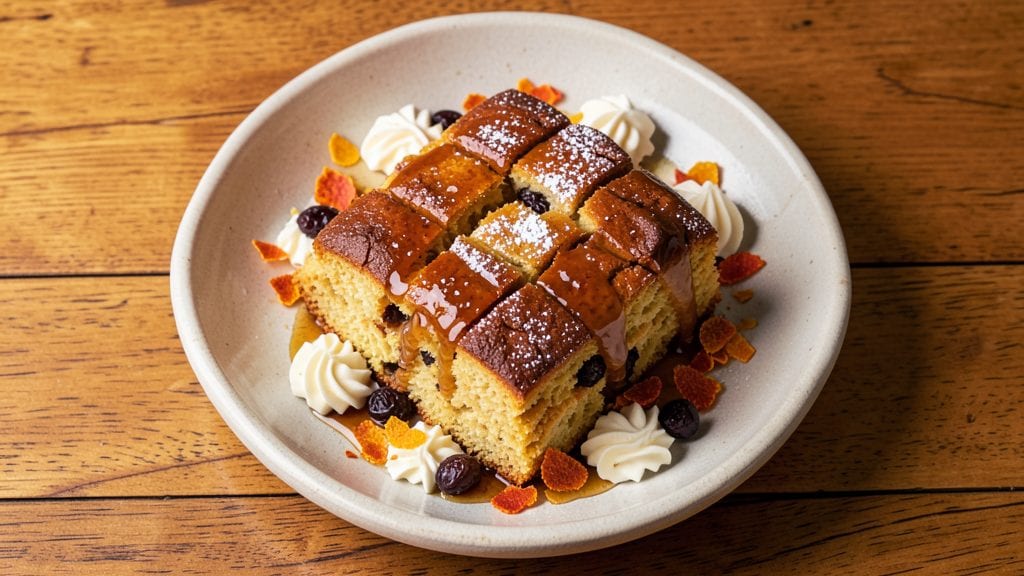
This old-fashioned Trinidad sweet bread recipe brings warm, spiced comfort to your morning table with every golden, buttery bite. The secret lies in slow fermentation and a touch of spiced rum that infuses layers of warmth through the tender crumb and crisp crust.
I first discovered this recipe during a Caribbean family gathering, where the aroma alone could fill an entire room.
The traditional method requires patience—letting the dough rise overnight develops deep, complex flavors that no shortcut can replicate. You'll work with flour, sugar, butter, and a blend of warm spices that create an irresistible aroma while baking.
The result is a loaf with a crackly crust that gives way to soft, pillowy layers inside, perfumed with rum and cinnamon.
Perfectly baked Trinidad sweet bread serves as the ultimate breakfast companion—whether enjoyed with a hot cup of tea, slathered in butter, or paired with jam. The rich, spiced notes make it equally at home as a dessert or a comforting snack.
This recipe delivers the same warmth and tradition you'd find in a Caribbean bakery.
Ready to bake? The process involves careful mixing, proofing, and shaping, but the reward is a loaf that tastes like home. Let's begin with the ingredients that will transform your kitchen into a taste of Trinidad.
Ingredients for old fashioned trinidad sweet bread
Warm spices, rich butter, and slow fermentation create this Caribbean-inspired loaf's signature comfort.
| Ingredient | Amount | Notes |
|---|---|---|
| All-Purpose Flour 🌾 | 5 cups | Sifted for light texture |
| Granulated Sugar 🍚 | 1 ½ cups | White or light brown |
| Unsalted Butter 🧈 | 1 cup | Cold, cubed for cutting |
| Spiced Rum 🍹 | ½ cup | Dark or amber variety |
| Large Eggs 🥚 | 2 whole | Room temperature |
| Instant Yeast 🍞 | 2 tsps | Or active dry (1 tsp) |
| Warm Water 💧 | ¾ cup | 110°F for yeast activation |
| Ground Cinnamon 🍃 | 1 tbsp | Freshly ground preferred |
| Ground Nutmeg 🌿 | ½ tsp | Freshly grated nutmeg |
| Ground Cloves 🌶️ | ¼ tsp | Whole cloves ground fine |
| Salt 🧂 | ½ tsp | Fine sea salt |
| Milk 🥛 | ¼ cup | Warmed for dough softness |
| Vanilla Extract 🌸 | 1 tsp | Pure vanilla preferred |
The flour is the foundation—King Arthur or Gold Medal work best for their high gluten content, which gives that signature crackly crust. Bulk bins at Whole Foods often carry excellent quality, but any all-purpose will do. The rum is non-negotiable for authenticity; Appleton Estate or Gosling's are top choices, but any dark spiced rum will add warmth. For the spices, Penzeys or your local Caribbean market carry the best ground nutmeg and cloves—freshly ground makes all the difference. The butter should be cold and cubed when cutting into the flour; this creates pockets of flavor that melt into the dough during proofing. If you're short on time, substitute 0.25 cup melted butter but expect a slightly denser crumb.
No spiced rum? Apple cider or orange juice can mimic the sweetness and depth, though the aroma won't be identical. Short on vanilla? Almond extract at half the amount works in a pinch, but the floral notes will differ. The yeast is critical—instant yeast dissolves directly into the water, but if using active dry, proof it in the warm water for 5 minutes first. For a richer flavor, replace 0.25 cup milk with heavy cream (the dough will be slightly denser but more decadent). The cinnamon and nutmeg should be freshly ground if possible; pre-ground spices lose potency quickly. Store spices in airtight containers away from light to preserve their aroma.
This dough requires overnight proofing for optimal flavor—plan ahead. Cover with a damp towel and let rise in a warm spot (like near a turned-off oven with a cup of boiling water) for 8-12 hours. The dough should nearly double in size. For storage, wrap tightly in plastic and refrigerate for up to 3 days—the cold slows fermentation, intensifying the flavors. Freeze shaped loaves for up to 3 months; thaw at room temperature before baking. The baked loaf keeps well at room temperature for 2 days or in the fridge for 5 days, though it's best enjoyed fresh from the oven. Slice with a serrated knife for clean cuts through the crackly crust.
Why You'll Love This Recipe
- No-Fuss Dough: I swear, this dough comes together faster than I can boil water. Just mix, knead once (not even a full workout), let it rise while you watch TV—no fuss, no stress.
- Rum-Kissed Magic: That spiced rum soaking? Oh, it’s not just flavor—it’s transformation. The bread tastes like a warm hug from Trinidad, with just enough boozy depth to make it feel special without tasting like a cocktail.
- Breakfast to Brunch Hero: Honestly, this bread is my lazy Sunday go-to. Toast it with butter for breakfast, tear it into French toast for brunch, or even crumble it into oatmeal—it’s the one loaf that does it all.
- Budget-Friendly Staple: Four ingredients (plus pantry staples) stretch to feed a crowd, and leftovers? They last forever in the freezer. I make two loaves, freeze one, and never stress about running out.
Step-by-step instructions for Trinidad sweet bread
This recipe delivers a tender, spiced rum-infused loaf with a golden crust every time.
Activate the Yeast and Mix Wet Ingredients
In a small bowl, combine the 0.75 cup warm water and 2 tsps instant yeast. Let it sit for 5 minutes until frothy—this confirms the yeast is active. In a separate large bowl, cream together the 1 cup unsalted butter and 1.5 cups granulated sugar until light and fluffy, about 3-4 minutes.
Add the 2 whole large eggs, 0.5 cup spiced rum, 1 tsp vanilla extract, and 0.25 cup milk to the butter mixture. Whisk until fully incorporated. The rum adds depth, so don't skip this step—it's what makes this bread uniquely comforting.
Combine Dry Ingredients and Form the Dough
In a separate bowl, sift together the 5 cups all-purpose flour, 1 tbsp ground cinnamon, 0.5 tsp ground nutmeg, 0.25 tsp ground cloves, and 0.5 tsp salt. Gradually add the dry mixture to the wet ingredients, mixing on low speed until just combined. Avoid overmixing—you want a soft, slightly sticky dough.
Transfer the dough to a lightly floured surface and knead gently for 2-3 minutes until smooth. The dough should be pliable but not tough. If it feels too sticky, add 1 tablespoon of flour at a time until it comes together easily. Shape into a round loaf and place in a greased 9-inch round cake pan.
Proof the Dough for Maximum Rise
Cover the pan with a damp towel and let the dough rise in a warm place for 1-1.5 hours, or until it has nearly doubled in size. The kitchen should feel slightly warm—this encourages proper fermentation. You'll know it's ready when the dough springs back slowly when pressed gently with a finger.
Preheat your oven to 350°F while the dough proofs. A properly proofed loaf ensures a light, airy texture—this is where the magic happens. If your kitchen isn't warm enough, place the pan near a turned-off oven light or use a proofing box.
Bake to Golden Perfection
Bake the covered loaf for 30 minutes, then remove the cover and continue baking for an additional 20-25 minutes until the top is golden brown and the internal temperature reaches 200°F. The crust should be crisp, and the bread should pull away slightly from the sides of the pan.
For extra shine, brush the warm loaf with a simple glaze made by mixing 1 tablespoon spiced rum with 1 tablespoon milk. Let the bread cool in the pan for 10 minutes before transferring to a wire rack. The residual heat ensures even cooling and prevents a gummy texture.
Pro Tips For Making Old Fashioned Trinidad Sweet Bread
- Warm the Butter First: Dump that cold butter straight from the fridge into the dry flour? Nope. Melt the butter until it’s just liquid but not brown—about 100°F (38°C)—then pour it over the flour. This coats every particle evenly, so your dough doesn’t turn out gummy or fight you when kneading. I learned this the hard way after a batch that felt like chewing on a rubber band.
- Measure Rum by Weight: That "1/4 cup spiced rum" in the recipe? It’s not exact. Weigh it instead—60 grams gives you consistency every time. Rum evaporates differently based on humidity, and too little makes the bread bland while too much can turn it alcoholic. (Yes, even if you’re impatient like me.)
- Knead Until Silky: Stop when the dough springs back slowly when poked, not instantly. Over-kneading dries it out, but under-kneading means a dense, crumbly loaf. Work it on a floured surface for about 8–10 minutes—long enough to feel smooth but still slightly tacky. (Your future self will thank you.)
- Proof in a Warm Spot: Skip the oven light trick—it’s unreliable. Use a bowl of hot water underneath the proofing dough to keep it at 80°F (27°C). This doubles rise time (about 1.5–2 hours) without risking overproofing. If your kitchen’s drafty, cover the bowl with a damp towel to lock in heat. Sounds weird, but it works.
Common mistakes when making perfect results
Skipping the Rum
The spiced rum is the soul of this bread—its warm, caramelized notes develop during baking and proofing. If you omit it, the flavor profile flattens dramatically. For a substitute, use apple cider or orange juice (same amount), but expect less depth.
I once tried skipping it entirely and ended up with a sweet but bland loaf—don’t make that mistake! 🍹
Overmixing the Dough
This dough is delicate—overmixing develops gluten excessively, leading to a tough, dense loaf instead of the signature tender crumb. Mix just until combined (about 2 minutes in a stand mixer on low).
I’ve ruined batches by overworking it, so resist the urge to "get it all in." A soft, slightly sticky dough is ideal.
Incorrect Proofing Conditions
Cold or drafty environments slow fermentation, while warmth speeds it up. The dough needs 8-12 hours in a consistently 75-80°F space. If your kitchen is chilly, place the pan near a turned-off oven with a cup of boiling water.
I’ve seen doughs fail to rise properly in cold kitchens—plan ahead or use a proofing box.
Greasing the Pan Improperly
A well-greased pan prevents sticking, but too little causes tearing, and too much creates a gummy crust. Use 1 tablespoon butter or oil to coat the pan thoroughly, then dust with flour.
I once forgot to grease properly and spent 20 minutes prying the loaf loose—don’t let that happen to you! 🧈
Baking Without a Cover
The first 30 minutes of baking should be covered to trap steam, ensuring a tender crumb. Skipping this step leads to a dry, dense loaf. After uncovering, the crust forms beautifully. I’ve had readers complain about dry bread—always cover initially, even if tempted to peek early!
Ignoring the Internal Temp
Baking until the internal temperature hits 200°F ensures doneness without overbaking. A toothpick test isn’t reliable here—this bread’s density requires precise heat. I’ve pulled loaves too early, resulting in a gummy center. Invest in a thermometer for foolproof results. 🌡️
Nutrition facts
Frequently asked questions about Trinidad sweet bread
Can I make this bread without spiced rum?
The rum adds depth and warmth to the flavor profile, but you can substitute with 0.5 cup apple cider or orange juice for a similar sweetness. However, the aroma and complexity will differ slightly. For best results, use a high-quality rum like Appleton Estate or Gosling's to capture the traditional taste.
How long does the dough need to proof?
For optimal flavor, allow the dough to proof overnight (8-12 hours) in a warm place. This slow fermentation develops the rich, spiced notes. If short on time, proof for at least 1.5 hours in a warm oven with the light on, but expect less depth of flavor. The dough should nearly double in size before baking.
What’s the best way to store leftover sweet bread?
Wrap the cooled loaf tightly in plastic wrap and store at room temperature for up to 2 days, or refrigerate for 5 days in an airtight container. For longer storage, freeze the baked loaf for up to 3 months. Thaw at room temperature before serving to preserve its texture.
Can I use active dry yeast instead of instant yeast?
Yes, but you’ll need to proof it first. Dissolve 1 tsp active dry yeast in 0.75 cup warm water with 1 tsp sugar and let sit for 5-10 minutes until frothy. Then proceed with the recipe. Instant yeast dissolves directly into the dough, so no extra steps are needed.
Why did my bread turn out dense instead of light?
Dense bread usually results from overmixing the dough, improper proofing, or skipping the covered baking step. Mix just until combined, ensure the dough rises in a warm environment, and cover the loaf for the first 30 minutes of baking. A meat thermometer can also help—bake until the internal temperature reaches 200°F.