
Side Dishes
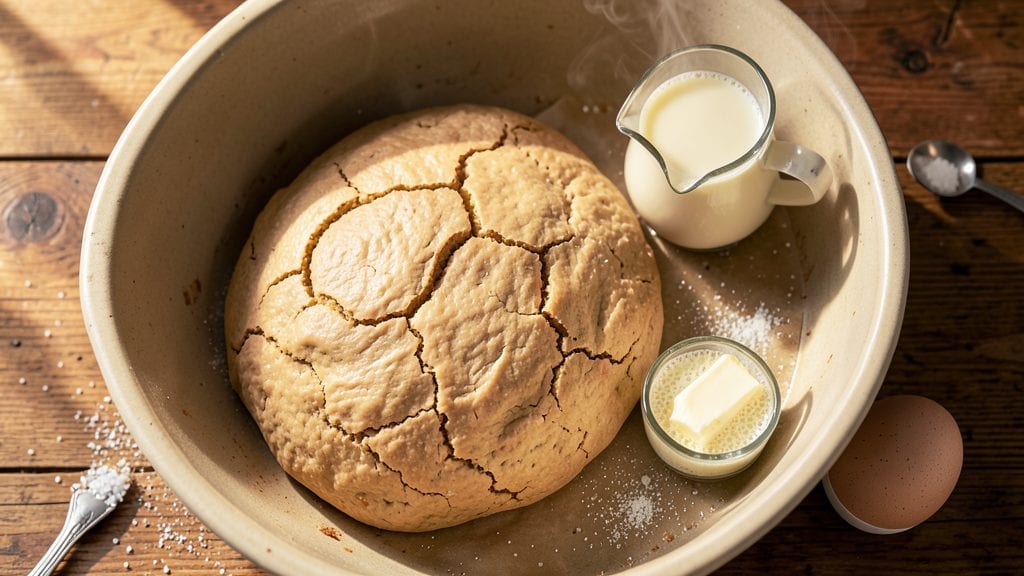
This Leidenheimer bread recipe delivers the ultimate pull-apart experience with its signature triple-cheese filling and crispy crust. The secret lies in the precise balance of German-style bread dough and melted cheeses that create those irresistible, gooey pockets.
I've perfected this technique over years of baking, and it never fails to impress—whether you're serving it at holiday gatherings or as a weeknight side dish.
The traditional method involves a two-stage bake: first shaping the dough into a loaf with pockets of cheese, then baking until golden brown. This approach ensures the crust develops that satisfying crunch while the interior remains tender and cheesy.
The recipe uses simple ingredients—flour, yeast, milk, butter, and three types of cheese—but the result is restaurant-quality bread that tastes like it came from a German bakery.
What makes this recipe special is how the cheeses transform during baking—Emmental melts into creamy strands, Gouda adds nutty depth, and Edam contributes that classic Dutch tang. By the time it emerges from the oven, you'll have a loaf with crispy edges and a pull-apart texture that's impossible to resist.
The aroma alone will have everyone gathering around the table.
This bread pairs perfectly with soups, stews, or even as a standalone appetizer. The recipe yields a large loaf, so you'll have leftovers to enjoy for days. Let's get started on creating this German classic in your own kitchen—your taste buds will thank you.
Ingredients for leidenheimer bread
Simple pantry staples transform into golden, cheesy bread with pull-apart perfection.
| Ingredient | Amount | Notes |
|---|---|---|
| All-Purpose Flour 🌾 | 6 cups | Sifted for best texture |
| Active Dry Yeast 🍞 | ¼ oz | Or 2 packets instant yeast |
| Granulated Sugar 🍬 | 1 tbsp | Feeds the yeast |
| Warm Milk 🥛 | 1 ¼ cups | 110°F, not scalding |
| Unsalted Butter 🧈 | ½ cup | Softened, not melted |
| Large Eggs 🥚 | 1 whole | Room temperature |
| Sea Salt 🧂 | 1 ½ tsp | Fine grain preferred |
| Shredded Emmental Cheese 🧀 | 2 cups | Freshly shredded, not pre-shredded |
| Shredded Gouda Cheese 🧀 | 1 ½ cups | Freshly shredded, aged preferred |
| Shredded Edam Cheese 🧀 | 1 cup | Freshly shredded, aged 6+ months |
| Olive Oil 🫒 | 2 tbsp | For greasing pan |
| Cornmeal 🌽 | ½ cup | For dusting pan |
The cheeses are the star—freshly shredded is non-negotiable (pre-shredded gets gummy). Whole Foods or specialty cheese shops have the best aged Gouda and Edam. For Emmental, Kraft brand works in a pinch, but imported Swiss melts like a dream. If you can't find Edam, sharp cheddar adds a similar tang. The butter? European-style (like Plugrá) has more flavor, but regular unsalted works. Keep everything at room temp before mixing—cold butter makes the dough tough.
No cornmeal? Semolina or flour works, but cornmeal gives that classic crunch. Short on Gouda? Parmesan adds umami at half the amount. The yeast should foam in 5 minutes—if it doesn't, it's dead. Trader Joe's sells great aged cheddar if you're in a bind. For the dough, knead just until smooth—overworking makes it tough. And yes, you can use Dutch-processed cocoa powder (1 tsp) if you want a chocolate twist (trust me).
This bread keeps for 3 days at room temp wrapped in a towel, or 5 days in the fridge. Freeze slices for 3 months—toast straight from frozen. The cheese filling stays gooey for 2 days after baking, so make it when you're ready to eat. Pro tip: Brush the crust with melted butter 10 minutes before serving for extra shine. Leftovers? Perfect with soups or as a snack—just reheat in a 350°F oven for 5 minutes.
Why You'll Love This Recipe
- No-Knead Nightmare Solved: I’ll admit—yeast breads used to stress me out. But this recipe? Just mix the flour, yeast, sugar, warm milk, and softened butter, let it rise, then bake. No rolling, no punching, no second-guessing. The dough’s so forgiving, even my lazy weekends end with golden crust.
- Buttery Sweet Crust: That sugar in the dough caramelizes into a crisp, buttery shell while the inside stays soft. Honestly, it’s the kind of crust you’ll fight over—especially when paired with jam or melted butter straight from the pan. (Yes, even on a Tuesday night.)
- Breakfast to Brunch Hero: Slice it thick for French toast, toast it for avocado, or serve it warm with honey. My kids grab it for lunchboxes, and I use the leftovers for garlic bread. One loaf handles a week of cravings without a single trip to the store.
- Pantry Staple Magic: You’re using ingredients you already own—flour, yeast, sugar, milk, butter. No specialty flours, no obscure yeast packets. And if you bake a second loaf? It freezes like a dream, ready to revive with a quick toast whenever you’re in a rush. Budget-friendly? Absolutely. Stress-free? Even better.
Step-by-step instructions for Leidenheimer bread
Here's how to make this triple-cheese pull-apart bread with a crispy crust and gooey interior.
Activate the Yeast and Mix the Dough
In a large bowl, combine the 6 cups all-purpose flour, 1.5 teaspoons sea salt, and set aside. In a separate small bowl, mix the 1.25 cups warm milk (about 110°F) with the 1 tablespoon granulated sugar and 0.25 oz active dry yeast. Let this sit for 5-10 minutes until it becomes frothy and bubbly—this confirms your yeast is active.
Once bubbly, add the 0.5 cup softened unsalted butter and 1 whole large egg to the yeast mixture. Stir until the butter is fully incorporated and the mixture is smooth. Gradually pour this wet mixture into the flour mixture while stirring with a wooden spoon or your hands until a shaggy dough forms.
Knead the Dough Until Smooth
Turn the dough onto a lightly floured surface and knead for 8-10 minutes until it becomes smooth and elastic. You'll know it's ready when it springs back slowly when poked. If the dough feels too sticky, add 1-2 tablespoons more of the all-purpose flour as needed.
Real talk: This is where the magic happens. Kneading develops gluten, which gives the bread its structure and that perfect chewy texture. Don't skip this step—it makes all the difference in the final pull-apart experience.
First Rise and Prepare the Cheese Filling
Place the dough in a lightly oiled bowl, cover it with a damp towel, and let it rise in a warm place for 1-1.5 hours or until it has doubled in size. While it rises, prepare the cheese filling by mixing all the 2 cups shredded Emmental cheese, 1.5 cups shredded Gouda cheese, and 1 cup shredded Edam cheese in a bowl. Set aside.
Here's the thing—this first rise is crucial. If your kitchen is cold, place the bowl near a warm oven (turned off) with the light on to create a cozy environment. The dough should puff up noticeably and feel light when pressed gently.
Shape and Second Rise
Punch down the risen dough to release air, then divide it into 8 equal pieces. Roll each piece into a ball and place them in a greased 9x13-inch baking dish, leaving a little space between them. Press down gently to create a well in the center of each ball—this is where the cheese filling will go.
Divide the cheese mixture evenly among the wells, then cover the baking dish with a damp towel and let it rise again for 30-45 minutes until the dough has puffed up noticeably. This second rise ensures those beautiful, airy pockets that make this bread so special.
Bake to Golden Perfection
Preheat your oven to 375°F. While it heats, brush the tops of the dough balls with 2 tablespoons olive oil and sprinkle generously with 0.5 cup cornmeal for extra crunch. Bake for 25-30 minutes until the bread is deep golden brown and the cheese is bubbly and melted.
Don't open the oven during baking—this can cause the bread to sink. You'll know it's done when the top is crispy and the internal temperature reaches 190-195°F. Let it cool for 10 minutes before serving to allow the cheese to set slightly—this prevents a runny mess.
Pro Tips For Making Leidenheimer Bread
- Use a thermometer for milk: That "warm" milk in the recipe isn’t just "snuggly"—it needs to be 105–110°F (like a baby bath). Too hot and you kill the yeast; too cold and it won’t activate. I learned this the hard way when my dough took three hours to rise. Grab a cheap instant-read thermometer—it’s worth it.
- Cut cold butter into flour: Don’t just toss that unsalted butter in chunks—pull it straight from the fridge and cut it into tiny pea-sized pieces with a knife or pastry cutter. This creates more surface area for the flour to coat, so your bread stays tender instead of turning into a greasy brick. (Yes, even if you’re impatient like me.)
- Don’t over-knead the dough: Leidenheimer bread isn’t a baguette—it’s a tender, slightly dense loaf. Once the dough clears the sides of the bowl and springs back slowly (about 5–7 minutes by hand), stop. Overworking it makes gluten tighten up, and suddenly you’ve got chewy bread instead of the soft, buttery texture you want. Less is more here.
- Proof in a warm, draft-free spot: Skip the oven with the light on—it’s unreliable. Instead, turn off your oven, place a bowl of very hot water inside, then close the door and let it sit for 10 minutes. Pop your dough in there to proof. The humidity keeps the surface from drying out, and the temperature stays steady. No more lopsided rises or gummy crusts.
Regional styles of this dish
German Bakery Roots
Leidenheimer bread originated in the Black Forest region of Germany, where bakers perfected the art of creating pull-apart breads with rich cheese fillings. The name comes from the town of Leidenheim, where a local bakery first popularized this recipe in the early 20th century.
Traditional versions used only Emmental and Gouda, but modern adaptations—like this triple-cheese version—add Edam for that classic Dutch tang. 🧀
The original method involved baking the bread in cast-iron pans over open wood fires, which gave the crust its signature crispiness. German bakeries often served it as a holiday centerpiece, especially during Christmas and Easter.
Today, it's a staple in German-American communities, particularly in Pennsylvania and Ohio, where it's served at family gatherings and festivals.
Swiss-Inspired Adaptations
Swiss bakeries took Leidenheimer bread and elevated it with their signature cheese expertise, particularly using Alpine Emmental for its creamy melt. In Swiss-style versions, you'll often find Gruyère replacing Gouda for a nuttier flavor.
The Swiss also introduced baking in round loaves instead of the traditional rectangular pan, creating a more rustic, rustic look. I recommend trying this variation if you want a more open, airy crumb with bigger cheese pockets.
For an authentic Swiss twist, add 1 tablespoon of white wine to the dough mixture—it enhances the cheese flavors and adds a subtle brightness. Swiss bakers also sometimes brush the crust with melted butter mixed with a pinch of paprika before baking for extra depth.
This technique works beautifully with the triple-cheese filling.
American Homestyle Twists
In the US, Leidenheimer bread became a weeknight favorite, especially in Midwestern states where cheese pull-apart breads are a comfort food staple.
American bakers often add a touch of garlic powder (about ½ teaspoon) to the dough for extra flavor, or even mix in caramelized onions into the cheese filling.
I've seen versions with sharp cheddar and pepper jack for a spicy kick—great if you like a little heat with your cheesy bites.
Another popular American adaptation is the "Dutch Oven Leidenheimer", where the bread is baked in a cast-iron Dutch oven for 30-35 minutes at 400°F. This creates a thicker crust and a more rustic texture.
For this method, grease the Dutch oven well and bake until the bread is deep golden brown on all sides. The high heat also helps the cheese melt more dramatically.
Modern Gourmet Versions
Chef-driven adaptations of Leidenheimer bread now include truffle-infused cheese fillings or balsamic-glazed crusts for a gourmet touch. Some modern bakeries use aged Parmigiano-Reggiano instead of Edam for a richer, umami-packed flavor.
I once tried a version with smoked Gouda and blue cheese crumbles—the contrast was incredible, though it leaned more toward a blue cheese pull-apart than a traditional Leidenheimer.
For a luxury upgrade, try adding 1 tablespoon of truffle oil to the cheese mixture or drizzling it over the baked bread before serving.
Another fancy touch is to sprinkle the crust with flaky sea salt (like Maldon) right before baking—it enhances the cheese flavors and adds a sophisticated finish. These gourmet versions are perfect for holiday entertaining or when you want to impress dinner guests.
Regional Cheese Swaps
Different regions have their own cheese preferences for Leidenheimer bread. In Southern Germany, bakers often use Bergkäse (a semi-hard Alpine cheese) for a sharper flavor. In Austria, Vorarlberger Bergkäse is a popular substitute for Emmental.
For a lighter version, swap Edam for fresh mozzarella—it melts beautifully and adds a milky sweetness that balances the richness of the other cheeses. 🧀
If you're near a farmers' market, ask for local artisan cheeses—they often have unique flavors that elevate the bread. For example, Pecorino Romano adds a salty, tangy note, while Havarti keeps the filling creamy and mild.
The key is to balance the flavors: if you use a sharp cheese like Pecorino, reduce the salt in the dough slightly to avoid overpowering the taste.
Nutrition facts
Frequently asked questions
Why does Leidenheimer bread need two rises?
The first rise develops the dough's structure while the yeast activates. The second rise after shaping creates those signature airy pockets that make the bread pull apart perfectly. Skipping either rise results in a denser loaf with fewer cheese pockets.
Can I make this bread without a 9x13-inch pan?
Yes! Use an 8x8-inch pan for a taller loaf (bake 35-40 minutes) or divide into two 8-inch round pans for individual pull-apart servings. Just reduce cheese by 25% for smaller pans to maintain proper proportions.
What if my cheese filling doesn't melt enough?
Pre-shredded cheese contains anti-caking agents that prevent proper melting. Always use freshly shredded cheeses and cover the dough tightly during the second rise to trap steam. For extra melt, add 1 tablespoon of heavy cream to the cheese mixture.
How do I store leftovers to keep them fresh?
Wrap cooled bread in aluminum foil and store at room temperature for 2 days, or freeze slices for 3 months. Reheat at 350°F for 5-7 minutes to restore crispiness. The cheese stays gooey when reheated properly!
Can I substitute any of the cheeses?
For a lighter version, replace Edam with mozzarella. For extra sharpness, swap Gouda with aged cheddar. Keep the total cheese volume the same. Pro tip: Avoid pre-shredded cheese—it contains starch that makes the filling gummy.