
Side Dishes
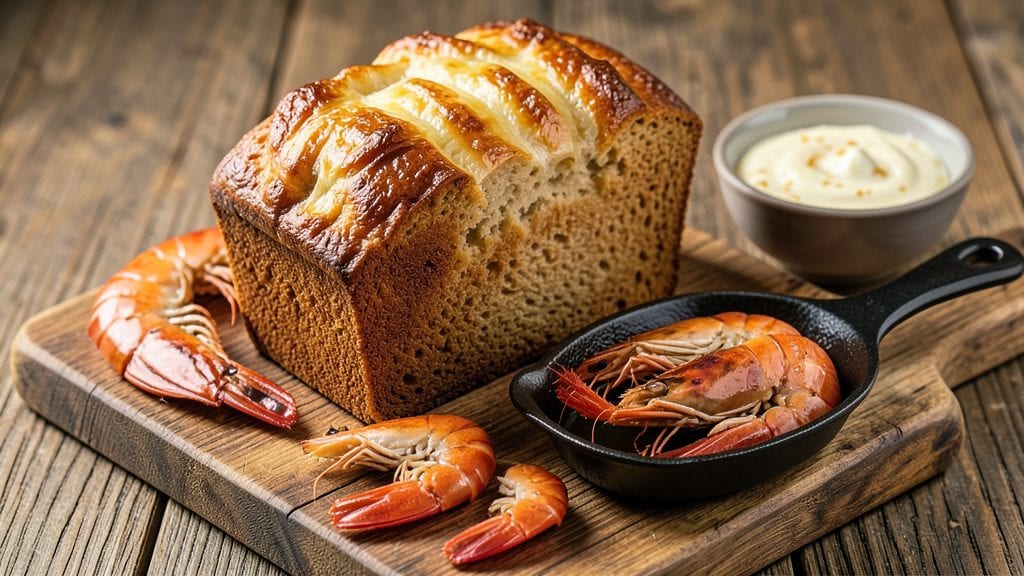
This Copeland’s crawfish bread recipe transforms a simple pull-apart loaf into a Louisiana-inspired masterpiece, where tender dough meets briny crawfish and bold Cajun flavors. 💛 The secret lies in folding fresh crawfish tails directly into the dough, creating pockets of sweet, spicy goodness that burst with every pull.
I first tried this recipe during a Cajun cooking challenge and was stunned by how the crawfish’s natural sweetness balanced the dough’s richness.
The dough itself is straightforward—just flour, yeast, and a touch of sugar—but the magic happens when you fold in the crawfish and top it with a spicy Cajun butter and cheese blend.
This isn’t your average bread; it’s a celebration of Louisiana’s coastal flavors, where each bite delivers a mix of chewy dough, tender crawfish, and a kick of cayenne.
The recipe delivers restaurant-quality results in just one hour, making it perfect for game day, seafood feasts, or when you want to impress guests.
What makes this recipe stand out is the texture—crispy on the outside, soft and pull-apart tender inside, with crawfish peeking through like edible surprises. The Cajun butter adds a smoky depth, while the melted cheese binds everything together.
It’s the kind of dish that turns ordinary gatherings into memorable moments, and the best part? You can make it ahead and reheat it for that just-baked appeal.
Serve it alongside grilled shrimp, spicy gumbo, or even as a standalone appetizer with a side of remoulade. The crawfish bread’s versatility makes it a crowd-pleaser, and the leftovers reheat beautifully. Let’s get baking—your taste buds (and dinner guests) will thank you.
Ingredients for copeland's crawfish bread
Fourteen ingredients. One hour. Cajun flavors that’ll have everyone begging for seconds.
| Ingredient | Amount | Notes |
|---|---|---|
| Active Dry Yeast 🍞 | 2 ¼ tsp | One packet for convenience |
| All-Purpose Flour 🌾 | 3 ½ cups | Spooning from canister |
| Granulated Sugar 🍚 | 1 ½ tbsp | For yeast activation |
| Salt 🧂 | 1 tsp | Kosher or sea salt |
| Unsalted Butter 🧈 | ½ cup | Cold, cubed for dough |
| Large Eggs 🥚 | 1 whole | Room temperature |
| Whole Milk 🥛 | ¼ cup | Warm for dough |
| Fresh Crawfish Tails 🦞 | ½ lb | Peeled, deveined, chopped |
| Cajun Seasoning 🌶️ | 1 ½ tbsp | Homemade or store-bought |
| Sharp Cheddar Cheese 🧀 | 1 cup | Shredded, sharp flavor |
| Cream Cheese 🧈 | 4 oz | Full-fat for creaminess |
| Cayenne Pepper 🔥 | ½ tsp | Adjust for heat |
| Garlic Powder 🧄 | ½ tsp | For Cajun butter |
| Onion Powder 🧅 | ½ tsp | For Cajun butter |
| Melted Butter 🧈 | ¼ cup | For Cajun butter blend |
The crawfish tails are non-negotiable here—fresh or frozen thawed works, but avoid pre-cooked. Costco or local seafood markets usually have the best prices, and you can often find them pre-peeled. Chop them into small pieces so they’re evenly distributed in the dough. For the Cajun seasoning, Tony Chachere’s is my go-to, but any blend with paprika, garlic, and cayenne will work. If you’re making your own, toast the spices first for deeper flavor. The butter should be cold when mixing into the dough—this keeps it from overworking and makes the bread extra tender.
No crawfish? Shrimp or crab meat works in a pinch, but the flavor won’t be the same. Short on Cajun seasoning? Mix paprika, garlic powder, onion powder, and cayenne at a 2:1:1:0.5 ratio. For the cheese, sharp cheddar is a must—mild cheddar won’t give that tangy kick. The cream cheese adds richness, but if you’re out, Gouda or pepper jack can stand in. And trust me, the melted butter in the Cajun blend? Don’t skip it—it’s what makes this bread shine.
This bread reheats like a dream—just pop slices in the oven at 350°F for 5-7 minutes until the cheese is bubbly again. Store leftovers wrapped in foil at room temp for 2 days, or freeze for up to 3 months. I always make a double batch because it disappears fast. The dough can be prepped ahead and chilled overnight for even better flavor development—just let it sit at room temp for 30 minutes before baking.
Why You'll Love This Recipe
- No-Knead Magic: I swear, the yeast and butter do all the work here. Just mix, let it rise, and bake—no fancy techniques, no stress. The dough’s so forgiving that even when I forget to measure the sugar exactly, it still turns out tender and golden.
- Buttery Crawfish Dream: That rich butter and just a touch of sugar? It’s like a hug for your taste buds. The crust gets crispy, but the inside stays soft—exactly how bread should be. Honestly, I’ve made it without crawfish before (yes, even on a Tuesday night), and it’s still worth eating.
- Tailgate or Tea Time: This bread is my go-to for game days or lazy afternoons. Slice it thick for sandwiches, tear it for dipping, or just eat it plain—it’s that versatile. My college buddies still ask for the recipe after every football season.
- Budget-Friendly Staple: Five ingredients, one bowl, and you’ve got a crowd-pleaser. The butter makes it feel special, but the flour and sugar keep it affordable. Plus, leftovers toast up perfectly the next day—no waste, all flavor.
Step-by-step instructions for Copeland's crawfish bread
Here's how to make this pull-apart masterpiece with bold Cajun flavors and gooey cheese.
👨🍳 Step 1: Activate the Yeast and Mix the Dough
In a small bowl, combine the 2.25 tsp active dry yeast, 1.5 tbsp granulated sugar, and ¼ cup warm whole milk. Let it sit for 5-10 minutes until foamy—this tells you your yeast is alive and ready to work. If it doesn't bubble, start over with fresh yeast.
In a large bowl, whisk together the 3.5 cups all-purpose flour and 1 tsp salt. Add the yeast mixture, 1 whole large egg, and ½ cup cold unsalted butter (cut into small cubes). Mix with a wooden spoon until a shaggy dough forms. Here's the thing—don't overwork it yet. We'll let the dough develop naturally as it rises.
🍳 Step 2: Knead and First Rise for Flavor Development
Turn the dough onto a lightly floured surface and knead for 5-7 minutes until smooth and elastic. You'll know it's ready when it springs back slowly when poked. This kneading step builds gluten for that perfect pull-apart texture we're after.
Shape the dough into a ball, place it back in the bowl, and cover with a damp towel. Let it rise in a warm place for 1-1.5 hours until doubled in size. The kitchen should feel warm and yeasty—this is where the magic happens. If your kitchen is cold, pop the bowl near a warm oven with the light on.
🥘 Step 3: Prepare the Cajun Butter Filling
While the dough rises, make the star of the show—the Cajun butter filling. In a small bowl, mix together the ¼ cup melted butter, 1.5 tbsp Cajun seasoning, ½ tsp garlic powder, ½ tsp onion powder, and ½ tsp cayenne pepper. This spicy blend is what gives Copeland's bread its signature kick.
In a separate bowl, combine the 1 cup shredded sharp cheddar cheese and 4 oz cream cheese (cut into small pieces). The cream cheese adds that luxurious creaminess that makes this bread so irresistible. Fold in ½ lb chopped fresh crawfish tails—they should be finely chopped so they distribute evenly throughout the bread.
🔥 Step 4: Shape and Second Rise with Filling
Once your dough has risen, punch it down to release air, then divide it into 4 equal pieces. Roll each piece into a 12-inch circle (about ⅛-inch thick). Spread about ¼ of the Cajun cheese mixture evenly over each circle, leaving a ½-inch border around the edges. This prevents the filling from leaking out during baking.
Carefully roll each circle up into a log, sealing the edges by pinching them together. Place the logs seam-side down in a greased 9x13-inch baking dish, leaving about ½ inch between each one. Cover loosely with a towel and let rise for another 30-45 minutes until puffy. The dough should feel springy when pressed gently.
🔥 Step 5: Bake Until Golden and Gooey
Preheat your oven to 375°F. Bake the bread for 25-30 minutes until the tops are deep golden brown and the internal temperature reaches 190°F. You'll know it's done when the bread pulls away from the sides of the pan and has that irresistible pull-apart texture.
Let the bread rest for 5 minutes before serving—this gives the filling time to set slightly so it doesn't run everywhere when you tear into it. Serve warm with extra Cajun butter drizzled on top. Each bite should deliver that perfect combination of chewy dough, spicy Cajun kick, and creamy crawfish filling.
Pro Tips For Making Copeland'S Crawfish Bread
- Bloom the Yeast Right: DESCRIPTION: Ditch the warm water guesswork—use a thermometer to hit 105–110°F for the yeast mix. I learned this the hard way after watching my dough take forever to rise (or worse, fail entirely). Stir in that sugar first—it feeds the yeast faster than waiting for the water to cool.
- Cut Cold Butter Fast: DESCRIPTION: Pulse the butter in your food processor until it’s peanut butter-like, not flaky. This ensures even distribution in the dough, so every bite gets that signature crawfish bread richness. (Yes, even if you’re tempted to skip this step.)
- Don’t Over-Knead the Dough: DESCRIPTION: Stop when the dough pulls away cleanly from the bowl—about 8–10 minutes by hand. Overworking it makes the bread dense, and this recipe is all about that tender, buttery crumb. (I’ve ruined batches by kneading until my arms gave out.)
- Proof in a Cooler Spot: DESCRIPTION: Let the dough rise in a 68–70°F kitchen (not the oven) for 1–1.5 hours. A warm oven tricks you into thinking it’s ready—it’ll collapse when baked. Patience here guarantees that airy, golden rise. (Your future self will thank you.)
Troubleshooting your copeland's crawfish bread
Dough Too Sticky
If your crawfish bread dough feels too sticky after kneading, you likely need more flour—but don’t overdo it. I recommend adding 1 tablespoon of flour at a time while kneading until the dough is smooth yet still slightly tacky.
Over-flouring can make the bread dense. For extra insurance, chill the dough in the fridge for 20-30 minutes before shaping to firm it up.
Crawfish Leaking
If your crawfish filling leaks during baking, the issue is usually the dough’s thickness or the filling’s placement. Always leave a ½-inch border around the edges when spreading the filling, and ensure your dough circles are rolled to ⅛-inch thickness.
If leaks persist, try rolling the dough slightly thinner or using a 9x13-inch baking dish with higher sides to contain any overflow.
Undercooked Dough
An undercooked center means your bread needs more time in the oven. Check the internal temperature with an instant-read thermometer—it should reach 190°F in the thickest part. If it’s not there after 30 minutes, cover the bread loosely with foil and bake for another 10-15 minutes at 350°F.
This traps steam and helps cook the dough evenly without over-browning.
Dry or Crumbly Texture
A dry or crumbly texture often happens when the dough is over-kneaded or the butter is too warm. Keep your butter cold when mixing, and knead for only 5-7 minutes.
If the dough feels dry during mixing, add 1 tablespoon of warm milk at a time until it becomes pliable. For extra moisture, brush the baked bread with melted butter before serving.
Cajun Flavor Too Mild
If your Cajun butter filling lacks punch, boost the heat with an extra ¼ teaspoon of cayenne pepper or add ½ teaspoon of smoked paprika. For depth, toast the Cajun seasoning in a dry skillet for 1-2 minutes before mixing it into the butter.
Also, ensure you’re using sharp cheddar cheese—milder cheeses won’t carry the same bold flavor.
Bread Collapsed After Baking
A collapsed bread usually means the dough didn’t rise enough or was overworked. Let the dough rise in a warm spot (like a turned-off oven with the light on) for the full 1-1.5 hours.
If your kitchen is cold, place the dough bowl near a warm oven or use a proofing box. Also, avoid punching down the dough too aggressively before the second rise—just gently press it to release air.
Nutrition facts
Frequently asked questions
Can I substitute crawfish with another seafood?
Yes, but the flavor will change. Shrimp or crab meat work best as substitutes—use ½ lb of finely chopped shrimp (peeled and deveined) for the closest texture. Avoid fish like tilapia, as it becomes too flaky when baked. For extra Cajun flavor, toss the shrimp in ½ tsp Cajun seasoning before mixing into the dough.
How do I make this bread ahead of time?
This recipe reheats beautifully! Shape the filled dough logs and refrigerate them overnight (covered). Let them sit at room temperature for 30 minutes before baking as directed. For reheating leftovers, wrap slices in foil and warm at 350°F for 5-7 minutes until gooey. Store baked bread in an airtight container for 2 days at room temp or freeze for 3 months.
Why does my dough smell like yeast but not rise?
Cold temperatures or dead yeast are usually the culprits. First, check if your kitchen is warm enough—ideal proofing temps are 75-80°F. If your yeast didn’t bubble in the milk, it’s inactive. Replace it with fresh yeast and warm the milk to 105-110°F (like baby bath water). For extra warmth, place the dough bowl near a turned-on oven light or use a proofing box.
What’s the best way to serve this bread?
This bread shines as an appetizer or side dish! Serve warm with extra Cajun butter drizzled on top, or pair it with grilled shrimp skewers and a cool remoulade sauce. For a hearty meal, tear pieces over a Cajun shrimp boil or serve alongside blackened catfish. The pull-apart texture makes it perfect for game day—just keep a serving tray handy for easy grabbing!
Can I make this gluten-free?
With modifications, yes! Replace all-purpose flour with a 1:1 gluten-free baking flour blend (like Bob’s Red Mill) and add ½ tsp xanthan gum to improve texture. Use gluten-free Cajun seasoning and reduce kneading time to 3-4 minutes—gluten-free dough is more delicate. Expect a slightly denser result, but the crawfish and cheese flavors will still shine. Pro tip: Brush baked bread with melted butter for extra moisture.