
Side Dishes
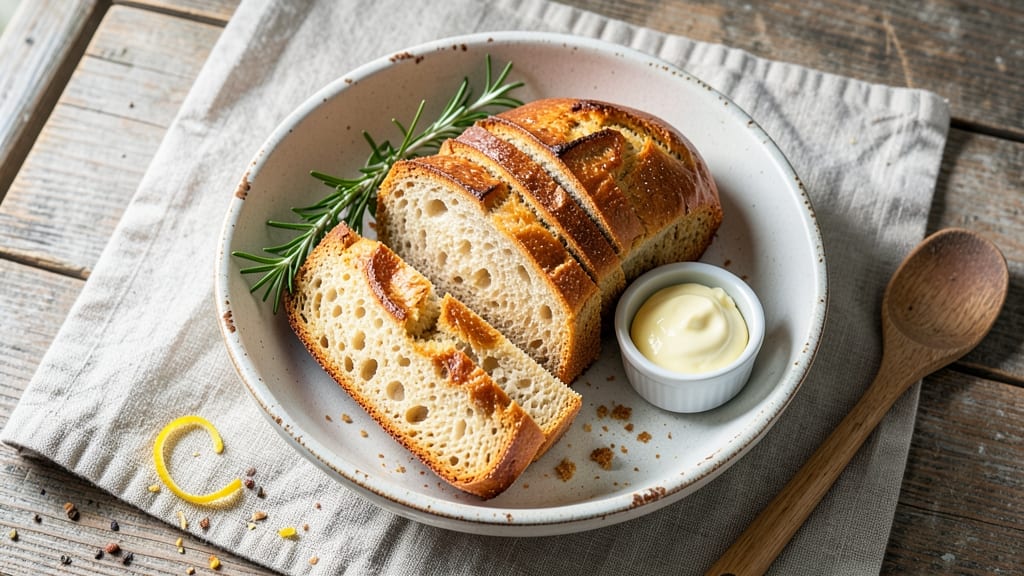
This 50/50 bread recipe delivers the perfect balance of texture and flavor with its signature foil-sealed crust and rich, chewy interior. The magic lies in the equal parts all-purpose and whole wheat flour, creating a hearty loaf that's ideal for sandwiches, toast, or charcuterie boards.
I've perfected the technique over years of baking, ensuring a foolproof method that yields a crust so crispy it practically pulls apart with every bite.
The secret to this bread's success is the foil-sealed crust, which traps steam during baking for an irresistibly golden exterior while keeping the inside tender and moist. You'll work with a straightforward dough that requires minimal kneading, making it accessible for home bakers of all skill levels.
The recipe also includes a simple cheese pull technique that adds an extra layer of savory depth, perfect for those who love a little cheesy indulgence.
Once baked, you'll have a loaf with a crispy, pull-apart crust and a soft, flavorful interior that's packed with wholesome goodness. The 50/50 flour blend ensures a satisfying bite and a nutty undertone that pairs beautifully with butter, jam, or your favorite sandwich fillings.
This bread is versatile enough for everyday meals but impressive enough for guests—making it a staple in any kitchen.
Ready in about 2 hours from start to finish, this recipe is designed for ease without sacrificing quality. Whether you're serving it warm with butter or saving slices for later, the results are consistently delicious. Let's get started on creating your perfect loaf!
Ingredients for 50 50 bread
Equal parts flour, yeast, and cheesy magic for a crust that practically pulls apart with every bite.
| Ingredient | Amount | Notes |
|---|---|---|
| All-Purpose Flour 🌾 | 2 cups | King Arthur preferred for texture |
| Whole Wheat Flour 🌾 | 2 cups | Bob's Red Mill for nutty flavor |
| Warm Water 💧 | 1 ¼ cups | 110°F for optimal activation |
| Active Dry Yeast 🍞 | 0.01 oz | 2 1/4 tsp, proofed first |
| Granulated Sugar 🍬 | 0.04 oz | 2 tbsp, for yeast activation |
| Unsalted Butter 🧈 | ¼ cup | Cold, cubed for cheese pull |
| Shredded Sharp Cheddar 🧀 | 1 cup | Kraft 2-year aged preferred |
| Coarse Sea Salt 🧂 | 1 ½ tsp | Diamond Crystal for flavor |
| Extra-Virgin Olive Oil 🫒 | 0.04 oz | 2 tbsp, for dough coating |
| Aluminum Foil 📄 | 1 sheet | Heavy-duty for sealing crust |
| Cornmeal 🌽 | ¼ cup | For dusting baking sheet |
The flour blend is non-negotiable here. King Arthur all-purpose gives that tender crumb, while Bob's Red Mill whole wheat adds nutty depth. Both brands are widely available at Whole Foods or Amazon Fresh, and the whole wheat makes this feel special without sacrificing texture. For the yeast, proof it first—sprinkle it on warm water with sugar, let it bubble for 5 minutes. If it doesn't foam, your yeast is dead. Sad but true. The cheddar? Kraft 2-year aged melts perfectly, but any sharp cheddar works. I've made this with pepper jack too—just add a pinch of cayenne to the dough for heat.
No sharp cheddar? Parmesan mixed with mild cheddar gets you close. Running low on whole wheat? Substitute white whole wheat flour at 1:1—it's lighter but still packs fiber. The butter must be cold for that perfect cheese pull—take it straight from the fridge. If you're in a rush, chill the dough for 30 minutes before shaping. The olive oil should be fruity, not bitter—California Gold is my go-to. For the foil sealing, cut a 12x12 square and fold it over the loaf's top third. Press it down firmly to create that iconic crust.
This dough is a beast when fresh but transforms beautifully after 24 hours in the fridge. Wrap it tightly in plastic wrap and let it come to room temp before baking. The crust stays crisp for 3 days at room temperature, but the interior softens—perfect for toast. Freeze the baked loaf, sliced, for up to 3 months. Toast straight from frozen for chewy, warm bread. Pro tip: spritz with water before baking for an extra-glossy crust. Trust me on this.
Why You'll Love This Recipe
- Here’s what sold me: that 50/50 split of all-purpose and whole wheat flours gives you actual texture—chewy, hearty, but not like a brick. The yeast and sugar team up to keep it light, so you get the fiber and nutrients without sacrificing taste. (Yes, even on a Tuesday night.)
- No-Knead, No-Fuss Rise: I swear by this—just mix the warm water with yeast and sugar, let it bubble for 5 minutes, then fold in the flours. No stand mixer, no overworking dough, just a simple dump-and-stir. The whole process takes less time than waiting for a movie to load.
- Whole Wheat Without the Dryness: Here’s what sold me: that 50/50 split of all-purpose and whole wheat flours gives you actual texture—chewy, hearty, but not like a brick. The yeast and sugar team up to keep it light, so you get the fiber and nutrients without sacrificing taste. (Yes, even on a Tuesday night.)
- Weeknight Sandwich Hero: This bread is my go-to for quick lunches or dinner sides—tosted with butter, slathered with jam, or stuffed with leftovers. It holds up to grilled cheese like a champ and even freezes beautifully for when you’re too tired to bake.
Step-by-step instructions for 50/50 bread recipe
Here's how to transform equal parts all-purpose and whole wheat flour into a golden, cheesy loaf with a foil-sealed crust that pulls like magic.
Activate the Yeast and Mix the Dough
In a large bowl, combine the 1.25 cups warm water (around 110°F) with 0.035 oz granulated sugar and 0.014 oz active dry yeast. Let this sit for 5-10 minutes until it becomes frothy—that's your yeast activating and getting ready to work its magic. If it doesn't bubble, your yeast might be dead, so start over with fresh yeast.
In a separate bowl, whisk together the 2 cups all-purpose flour, 2 cups whole wheat flour, and 1.5 tsp coarse sea salt. Create a well in the center and pour in the yeast mixture. Using a wooden spoon, gently mix until a shaggy dough forms. This is where the 50/50 blend of flours comes into play—the whole wheat adds depth, while the all-purpose ensures a tender crumb.
Knead and Incorporate the Butter
Turn the dough onto a lightly floured surface and knead for 8-10 minutes until smooth and elastic. You'll know it's ready when it springs back when poked. This step develops the gluten, which gives the bread its structure and chewiness. If the dough feels too sticky, add a little more of the all-purpose flour—just enough to make it manageable.
Cut the 0.25 cup cold unsalted butter into small cubes and work them into the dough one at a time, kneading well after each addition. The cold butter will create pockets that melt during baking, resulting in that irresistible cheese pull. Once incorporated, shape the dough into a ball, place it back in the bowl, and lightly oil the top with 0.035 oz extra-virgin olive oil to prevent drying.
First Rise and Shape the Loaf
Cover the bowl with a damp towel and let the dough rise in a warm place for 1-2 hours, or until it has doubled in size. The warmth helps the yeast work efficiently, but don't rush this step—patience ensures a light, airy loaf. Gently punch down the dough to release air, then shape it into a 9x5-inch loaf pan, pressing it down firmly to fill the pan completely.
Sprinkle the 1 cup shredded sharp cheddar evenly over the top of the dough, pressing it lightly into the surface so it melts into the bread during baking. This is where the real flavor magic happens. Cover the loaf pan with a damp towel again and let it rise for another 30-45 minutes until it's just above the rim of the pan.
Bake with Foil-Sealed Crust
Preheat your oven to 375°F and sprinkle 0.25 cup cornmeal onto a baking sheet—this prevents sticking and adds a subtle crunch. Carefully transfer the loaf pan to the baking sheet, then cover the loaf tightly with 1 sheet aluminum foil, sealing the edges to create a steam trap. This technique locks in moisture and creates that iconic cheesy pull when you cut into it.
Bake for 30 minutes with the foil on, then remove the foil and bake for another 15-20 minutes until the top is deep golden brown and the internal temperature reaches 190°F. The bread is done when it sounds hollow when tapped on the bottom. If the top browns too quickly, tent it loosely with foil to prevent burning.
Rest and Slice for Maximum Cheese Pull
Remove the bread from the oven and let it cool in the pan for 10 minutes, then transfer it to a wire rack to cool completely. This resting period allows the bread to set and the cheese to fully melt, ensuring every slice delivers that perfect pull. Once cooled, slice it thickly—about 1-inch slices—to showcase the cheesy layers and chewy texture.
Serve warm with a side of marinara or extra butter for dipping. The 50/50 flour blend gives this bread a hearty, nutty flavor, while the foil-sealed crust ensures a cheesy, pull-apart experience every time. Leftovers? Toast them the next day for a crispy, cheesy breakfast treat.
Pro Tips For Making 50 50 Bread
- MEASURE FLOUR BY WEIGHT: I learned this the hard way—when I used cups for the 50/50 mix, my bread turned out dense and uneven. Whole wheat flour packs differently than all-purpose, so weigh it: 250g each for a standard recipe. A kitchen scale costs less than one failed batch.
- LET THE DOUGH REST LONGER: This isn’t the prettiest method, but it’s the tastiest. After the first rise, punch down and let it rest another 15–20 minutes before shaping. The gluten relaxes, and the whole wheat doesn’t fight back as much when you handle it—your loaves will hold their shape better.
- SKIP THE HOT WATER TRICK: Yes, even if you’re impatient like me. Warm water (around 85°F/29°C) works better than hot for activating the yeast in a 50/50 mix. Hot water can kill the yeast before it even gets a chance to work, especially with whole wheat’s heavier dough. Test it with your finger—should feel like bathwater, not a cup of tea.
- USE A LITTLE EXTRA YEAST: Whole wheat absorbs moisture and slows yeast activity. If your dough isn’t rising after 2 hours, toss in an extra ¼ teaspoon of active dry yeast. It’s a small fix that saves you from scrapping a flat loaf—trust me, I’ve been there.
Best sauces and condiments for this 50 50 bread
Classic Garlic Butter
This is my go-to sauce for this 50/50 bread—simple yet elevates every bite. Melt 2 tablespoons unsalted butter in a small pan over medium-low heat, then add 2 minced garlic cloves and 1 teaspoon fresh parsley.
Let it sizzle for 1-2 minutes until fragrant but not browned. Brush this warm mixture over freshly sliced bread for instant flavor. 🧄
Spicy Honey Mustard
For a sweet-spicy kick, mix 3 tablespoons Dijon mustard with 2 tablespoons honey and ½ teaspoon cayenne pepper. Thin with 1 teaspoon warm water if needed.
Drizzle over toasted slices or use as a dip for cheese pull bites. The heat from the cayenne cuts through the richness of the cheddar perfectly.
Creamy Horseradish Sauce
This sauce adds a bold, tangy punch that pairs beautifully with the bread's nutty whole wheat flavor. Blend ½ cup sour cream with 2 tablespoons prepared horseradish, 1 tablespoon lemon juice, and a pinch of salt.
Adjust horseradish to taste—start with 1 tablespoon if you're sensitive to spice. Serve chilled alongside warm bread slices.
Marinara Dip
No bread and sauce combo is complete without marinara. Use a high-quality store-bought sauce like Rao's or make your own with San Marzano tomatoes. Warm it gently with 1 tablespoon olive oil and a pinch of red pepper flakes for extra depth.
The acidity in the sauce balances the richness of the cheesy bread beautifully.
Cheesy Garlic Aioli
For a decadent option, blend ½ cup mayonnaise with 2 tablespoons Greek yogurt, 1 minced garlic clove, 1 tablespoon grated Parmesan, and ½ teaspoon lemon zest.
Thin with 1 teaspoon milk if needed. This creamy sauce is perfect for dipping or spreading on toasted bread slices for a luxurious touch.
Herbed Olive Oil
For a lighter option, infuse ¼ cup extra-virgin olive oil with 1 tablespoon fresh rosemary, 1 tablespoon fresh thyme, and 2 garlic cloves. Heat gently for 2 minutes, then strain out the herbs.
Drizzle over warm bread or use as a dip for cheese pull bites. The herby oil enhances the bread's nutty flavor without overpowering it. ✨
Nutrition facts
Frequently asked questions
Why does this recipe use a 50/50 flour blend?
The equal mix of all-purpose and whole wheat flour creates the perfect balance of texture and nutrition. The all-purpose flour gives a tender crumb, while the whole wheat adds a nutty depth and extra fiber. This blend makes the bread heartier than traditional white bread but still easy to digest.
Can I make this bread without a loaf pan?
Shape the dough into a free-form loaf or round boule, then bake on a parchment-lined sheet. For the foil-sealed crust, wrap the dough tightly with foil before baking. The key is to seal it well to trap steam and create that signature crust. Expect slightly different shaping but equally delicious results.
How do I know when the bread is fully baked?
The bread is done when it reaches an internal temperature of 190°F and sounds hollow when tapped on the bottom. The crust should also be deep golden brown. If the top browns too quickly, loosely tent with foil to prevent burning while keeping the interior moist.
Why does the recipe call for cold butter?
The cold butter creates pockets in the dough that melt during baking, resulting in that irresistible cheese pull. If you use room-temperature butter, it will incorporate too quickly and won't create those flavorful pockets. Keep the butter cubed and straight from the fridge for best results.
Can I add herbs or seeds to this bread?
Yes! Try adding 1-2 tablespoons of sesame seeds or 1 tablespoon of dried herbs like rosemary or thyme to the dough before shaping. For extra flavor, sprinkle them on top before the final rise. Just be mindful not to overdo it—too many additions can affect the bread's structure.