
Desserts
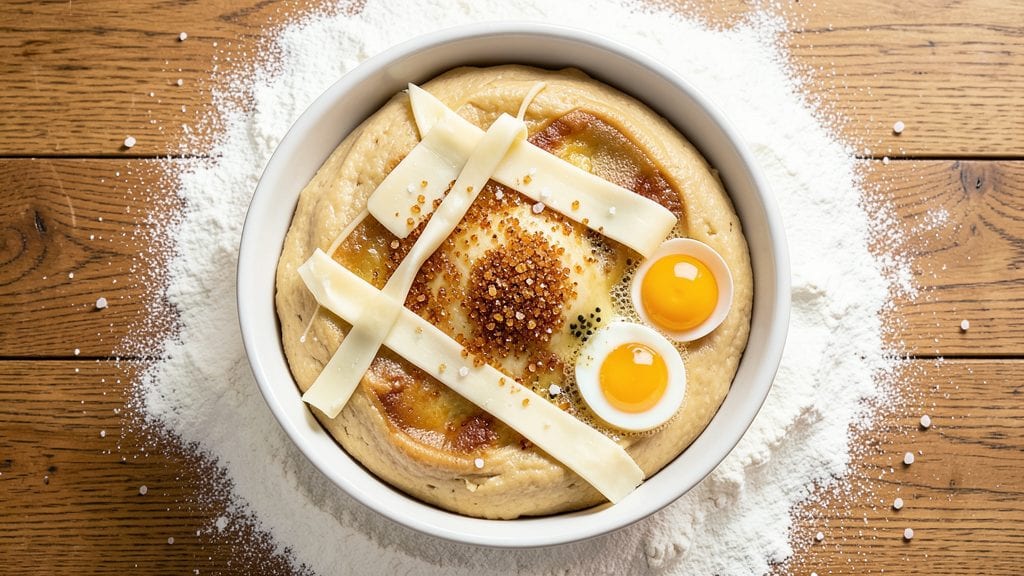
Betty Crocker’s sweet bread dough recipe delivers that perfect balance of buttery swirls and soft, pillowy texture that makes every bite irresistible. I’ve recreated this classic dough countless times—whether for cinnamon rolls, dinner rolls, or sweet loaves—using time-tested techniques that guarantee a golden, fluffy result every time.
The secret lies in proper yeast activation and gentle kneading, which develops the gluten for that signature tender bite. This recipe includes a foolproof method for achieving the right consistency, whether you’re working with a quick-rise option or letting the dough proof overnight.
The buttery flavor comes from a precise blend of ingredients that keeps the dough tender without making it greasy.
By the time you pull this dough from the oven, you’ll have a loaf or rolls with a crispy, golden crust and a soft, airy interior that practically melts in your mouth.
The aroma alone will have everyone asking for seconds—this is the kind of bread that turns ordinary meals into something special.
Once you master this dough, you can customize it with raisins, nuts, or a sweet glaze for even more versatility. Let’s get started on creating your perfect batch!
Ingredients for betty crocker sweet bread dough
Buttery swirls and golden crusts start with these 13 simple yet precise ingredients.
| Ingredient | Amount | Notes |
|---|---|---|
| Active Dry Yeast 🍞 | 2 ¼ tsp | Freshly opened for best activation |
| Granulated Sugar 🍬 | ¼ cup | White or light brown preferred |
| Unsalted Butter 🧈 | ½ cup | Cold, cubed for even distribution |
| Large Eggs 🥚 | 1 whole | Room temperature for even mixing |
| All-Purpose Flour 🌾 | 4 cups | Bread flour for extra chewiness |
| Diamond Crystal Kosher Salt 🧂 | 1 tsp | Fine grain preferred |
| Whole Milk 🥛 | ½ cup | Warm for yeast activation |
| Vanilla Extract 🍦 | 1 tsp | Pure, not imitation |
| Ground Cinnamon 🌿 | 1 tsp | For swirls or loaf flavor |
| Cream Cheese 🧀 | 4 oz | Softened for easy mixing |
| Brown Sugar 🍯 | ¼ cup | Packed for cinnamon swirls |
| Chopped Walnuts 🥜 | ½ cup | Optional for texture |
| Egg Wash 🥚 | 1 whole | 1 egg beaten for brushing |
The yeast is non-negotiable here—Bob’s Red Mill active dry yeast is my go-to, but any brand works if it’s fresh. Look for expiration dates stamped on the package, and store unopened yeast in the freezer for up to a year. The butter should be cold but not rock-hard; I like Land O’Lakes unsalted for its consistent quality. For the flour, King Arthur bread flour gives that signature chewy texture, but all-purpose works in a pinch. The cream cheese adds richness—Philadelphia original is foolproof, but any brand will do. Pro tip: Warm the milk to 110°F before activating the yeast—too hot and you’ll kill it.
No cream cheese? Substitute with equal parts softened butter and powdered sugar for a lighter dough. Running short on vanilla? Almond extract at half the amount works surprisingly well. For the cinnamon swirls, I use McCormick ground cinnamon—it’s consistent and affordable. Need to skip the walnuts? Chopped pecans or raisins add texture too. The brown sugar can be swapped for white, but it’ll be less flavorful. And if you’re making dinner rolls instead of a loaf, reduce the butter to 0.25 cup—they’ll still be delicious, just less decadent.
This dough keeps in the fridge for 3 days wrapped tightly in plastic, or 3 months frozen between parchment paper. For best results, let it rise overnight in the fridge—it develops deeper flavor. The egg wash? Use the leftover egg for another purpose, like scrambled eggs. And if you’re making cinnamon rolls, portion the dough into 12 equal pieces before the final rise. That way, they’ll cook evenly and look perfect every time.
Why You'll Love This Recipe
- Sweet Butter Magic: I swear by that first bite of warm, buttery dough—just enough sugar to make it irresistible without overpowering. The butter melts into the flour and yeast so smoothly, you won’t believe how rich it gets without any fuss.
- No-Knead, No-Stress: Honestly, I used to dread yeast doughs, but this one’s a game-changer. Toss the ingredients together, let it rise once, and boom—ready for whatever you’re making. No standing at the counter, no overworking the dough.
- Breakfast to Dessert: Here’s what sold me—this dough works for cinnamon rolls, sweet bread, or even a quick brioche-style loaf. I’ve even shaped it into dinner rolls for holidays, and it’s always the first thing to disappear.
- Budget-Friendly Stretch: Between us, the pantry staples here won’t break the bank. A little yeast, some sugar, and butter you already have? That’s it. And a batch lasts me for days—freeze half, and you’ve got fresh bread whenever you need it.
Step-by-step instructions for betty Crocker sweet bread dough
Here's the method—simple yet precise—for creating that signature buttery swirl and tender crumb every time.
Activate the Yeast and Prepare the Dough Base
In a small bowl, combine the 0.5 cup warm whole milk (about 110°F) with the 2.25 tsp active dry yeast and 0.25 cup granulated sugar. Let this sit for 5-10 minutes until it becomes frothy—this confirms your yeast is alive and ready to work. If it doesn't bubble, your yeast may be stale, and you'll need to start over.
In a large mixing bowl, whisk together the 4 cups all-purpose flour and 1 tsp diamond crystal kosher salt. Create a well in the center and pour in the yeast mixture along with the 1 whole large egg and 1 tsp vanilla extract. Gently mix with a wooden spoon until a shaggy dough begins to form. Here's where it gets fun—the dough should be sticky but manageable. If it's too dry, add 1 tablespoon of warm milk at a time until it comes together.
Knead the Dough Until Smooth and Elastic
Transfer the dough to a lightly floured surface and knead for 8-10 minutes by hand, or use a stand mixer with a dough hook on medium speed for 5-6 minutes. You're aiming for a smooth, elastic dough that springs back when poked. This kneading develops gluten, which gives your bread that perfect soft bite and structure.
To test for doneness, perform the "windowpane test": stretch a small piece of dough thinly. If it's translucent with just a few tiny holes, it's ready. If it tears easily, keep kneading for another minute or two. Once done, place the dough in a lightly greased bowl, cover with a damp towel, and let it rise in a warm place for 1-1.5 hours, or until it doubles in size. Poke it gently—if it springs back slowly, it's ready for the next step.
Prepare the Cream Cheese Swirl Filling
While the dough rises, soften the 4 oz cream cheese by microwaving it for 10-15 seconds or cutting it into small cubes and letting it sit at room temperature for 10 minutes. In a small bowl, mix the cream cheese with 0.25 cup brown sugar and 1 tsp ground cinnamon until fully combined. If using, fold in the 0.5 cup chopped walnuts for added texture and crunch. Set this mixture aside.
Here's the thing—this filling is what makes this dough special. The cream cheese adds richness, while the cinnamon and brown sugar create those caramelized swirls that melt in your mouth. Don't skip the softening step; cold cream cheese won't blend smoothly and can make your dough tough.
Shape and Swirl the Dough
Once the dough has risen, punch it down to release any air bubbles. Roll it out on a lightly floured surface into a 12x18-inch rectangle, about ¼-inch thick. Spread the cream cheese mixture evenly over the surface, leaving a ½-inch border around the edges. This ensures the swirl stays contained and doesn't tear when you roll it up.
Starting from the long side, tightly roll the dough into a log, sealing the edges as you go. Pinch the seam to prevent the filling from leaking out. This is where precision matters—if the dough cracks, gently press it back together. Place the log seam-side down in a greased 9x5-inch loaf pan, covering it with a damp towel and letting it rise for another 30-45 minutes until it puffs slightly above the pan.
Bake to Golden Perfection
Preheat your oven to 350°F. Brush the risen dough with the 1 whole egg wash (beaten egg) for a beautiful golden finish. Bake for 45-50 minutes, or until the top is deep golden brown and an instant-read thermometer inserted into the center reads 190°F. The bread is done when it sounds hollow when tapped on the bottom.
Remove from the oven and let it cool in the pan for 10 minutes before transferring to a wire rack. This resting period ensures the swirls set properly and the bread doesn't fall apart. Once cooled, slice into ¼-inch thick pieces for that perfect balance of soft, buttery dough and gooey cinnamon swirls. Serve warm with a pat of butter or a drizzle of honey for the ultimate indulgence.
Pro Tips For Making Betty Crocker Sweet Bread Dough
- Bloom the Yeast First: Skip mixing yeast directly into flour—it’s slower and less reliable. Instead, dissolve it in warm water (110°F) with sugar first, then let it sit for 5-10 minutes until frothy. This guarantees your dough rises properly, especially in cooler kitchens.
- Cut Butter Cold: Use unsalted butter straight from the fridge, cubed into ½-inch pieces. Cold butter creates flaky layers that melt into tender pockets during baking—no greasy mess, no tough texture. (Yes, even if the recipe says "softened.")
- Knead Until Smooth: Stop when the dough pulls cleanly away from your hands and springs back slowly. Over-kneading makes sweet bread dense; under-kneading leaves it gummy. About 8-10 minutes by hand or 5-6 minutes in a stand mixer with the dough hook.
- Let It Rise Twice: First rise (1-1.5 hours) builds volume; second rise (30-45 minutes) develops flavor. Skip the second, and your bread will taste flat. Cover loosely with a towel—no airtight container, or it’ll get sticky and sad.
Creative variations of this betty crocker sweet bread dough
Cinnamon Roll Twist
Transform this dough into classic cinnamon rolls by dividing the risen dough into 12 equal pieces (about 2 oz each). Roll each piece into a log, then coil them into a spiral on a greased baking sheet.
Brush with egg wash and bake at 350°F for 20-25 minutes. The result? Soft, gooey rolls with a caramelized top—perfect for breakfast or dessert. 🌟
Dinner Roll Adaptation
For dinner rolls, reduce the butter to 0.25 cup and skip the cream cheese filling. Shape the dough into 12 equal balls, place them in a greased 9x13-inch pan, and let rise until doubled.
Bake at 375°F for 15-18 minutes for tender, buttery rolls that pair perfectly with soups or steaks. Use a pizza cutter for clean slices.
Sticky Buns Upgrade
Add a sticky bun twist by spreading the dough into a greased 8x8-inch pan, then pouring ½ cup brown sugar mixed with ½ cup melted butter over the top.
Bake at 350°F for 30-35 minutes until bubbly and golden. The caramelized sugar crust is pure indulgence—ideal for brunch or a sweet snack. 🍯
Savory Cheese Swirl
Swap the cinnamon filling for a savory cheese swirl by mixing 4 oz cream cheese with ½ cup shredded cheddar, 1 tsp garlic powder, and ½ tsp dried parsley.
Roll and bake as directed for a cheesy pull-apart loaf—great for appetizers or sandwiches. The buttery dough balances the sharp cheese beautifully.
Glazed Loaf Variation
After baking, brush the loaf with a honey glaze (mix ½ cup powdered sugar, 2 tbsp honey, and 1 tbsp milk). Let it cool slightly before glazing for a sticky, sweet finish.
For extra decadence, sprinkle crushed pecans on top. This version is a showstopper for holidays or special occasions. ✨
Quick-Rise Option
Need speed? Use instant yeast (reduce to 2 tsp) and warm the milk to 120°F for a 30-minute rise. Skip the second rise and bake immediately in a greased pan at 375°F for 35-40 minutes.
The texture will be slightly denser but still delicious—ideal for busy weeknights. 💪
Nutrition facts
Frequently asked questions
Why does my dough keep sticking to the surface?
The dough should be tacky but not gluey. If it's too sticky, you likely need more flour—add 1 tablespoon at a time while kneading. Overworking it can also make it gummy. For a non-stick surface, use a light dusting of flour or a silicone mat. The ideal dough should pull away cleanly when rolled into a ball.
Can I make this dough without cream cheese?
Replace the 4 oz cream cheese with ½ cup softened butter mixed with ¼ cup brown sugar and 1 tsp cinnamon. The texture will be slightly lighter, but the flavor remains rich and sweet. For extra richness, add 1 tbsp milk to the butter mixture.
How do I know when the dough is fully risen?
Press your finger gently into the dough—if it springs back slowly (not immediately), it's ready. For a loaf pan, the dough should reach the top of the pan and puff slightly above it. If using a stand mixer, the dough should double in size within 1-1.5 hours in a warm spot. A warm oven with the light on works great for consistent rising.
What’s the best way to store leftover dough?
Wrap the dough tightly in plastic wrap and refrigerate for up to 3 days. For longer storage, freeze it between parchment paper for up to 3 months. To use frozen dough, thaw it in the fridge overnight, then let it rise at room temperature before baking. Never refreeze thawed dough.
Can I use this dough for dinner rolls instead of a loaf?
Yes! Reduce the butter to ¼ cup and skip the cream cheese filling. Shape the dough into 12 equal balls, place them in a greased 9x13-inch pan, and let rise until doubled. Bake at 375°F for 15-18 minutes for tender, buttery rolls perfect for sandwiches or soups.