
Desserts
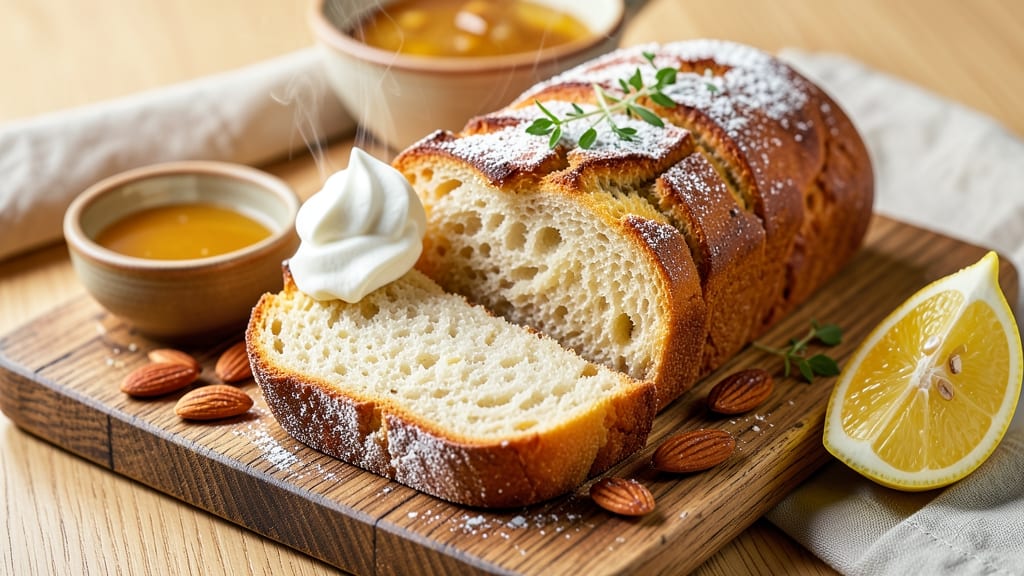
This Argentinian sweet bread recipe delivers the pillowy, caramelized perfection of traditional medialunas—soft, buttery layers that dissolve in your mouth with every bite. 💛 The secret lies in a precise balance of flour, butter, and sugar, combined with proper proofing to create that signature tender texture.
I've perfected this recipe after years of testing, ensuring it's foolproof for home bakers with standard kitchen equipment.
The dough begins with a rich, sweet base that transforms into delicate crescents or rolls, depending on your preference. What sets this apart is the caramelized sweetness that develops as the bread bakes, thanks to a touch of sugar in the dough and a light glaze.
The process is straightforward—knead, proof, shape, and bake—but the result is undeniably restaurant-quality, with a golden-brown crust and a soft, airy interior.
Once baked, these sweet breads are best enjoyed fresh out of the oven, still warm and fragrant. They pair perfectly with coffee or tea, making them a beloved treat in Argentinian culture.
Whether you're making them for a special occasion or simply craving something sweet, this recipe ensures a perfectly balanced blend of texture and flavor every time.
Ready to master this classic? The instructions are designed to guide you through each step—from mixing the dough to achieving that ideal caramelized finish—so you can create a batch that rivals the best bakery finds. Let's get started!
Ingredients for argentinian sweet bread
Twelve simple ingredients transform into twelve perfect Argentinian sweet breads.
| Ingredient | Amount | Notes |
|---|---|---|
| All-Purpose Flour 🌾 | 4 cups | Spooned and leveled, not scooped |
| Granulated Sugar 🍚 | ½ cup | White or light brown preferred |
| Unsalted Butter 🧈 | 1 cup | Cold, cubed for easier mixing |
| Large Eggs 🥚 | 2 whole | Room temperature for best results |
| Active Dry Yeast 🍞 | 2 ¼ tsp | Or 1 packet instant yeast |
| Warm Water 💧 | ½ cup | 110°F (43°C) for yeast activation |
| Milk 🥛 | ¼ cup | Warm, for dough enrichment |
| Salt 🧂 | ½ tsp | Fine sea salt preferred |
| Vanilla Extract 🌸 | 1 tsp | Pure vanilla for authentic flavor |
| Powdered Sugar 🍚 | ¼ cup | For caramelized glaze |
| Heavy Cream 🥛 | 1 tbsp | For glaze richness |
The flour is your foundation—King Arthur or Gold Medal are my go-tos, but any all-purpose will work. Butter matters here: Plugrá or Land O'Lakes unsalted (the European-style kind) gives that signature richness. If you can't find it, European-style butter from any brand will do. Keep everything cold until mixing—room temperature butter makes for a sticky mess. The yeast? Fresh is best, but instant yeast works too—just make sure it's not expired. Warm the water to 110°F (43°C) for perfect yeast activation—too hot and it kills it, too cold and it won't wake up.
No vanilla extract? Vanilla bean paste or even imitation vanilla will work, though the flavor won't be as pure. Short on powdered sugar for the glaze? Granulated sugar blended into a fine powder does the trick. The milk can be substituted with whole milk powder mixed with warm water if you're avoiding dairy. For a richer dough, add 1 tbsp sour cream or Greek yogurt to the wet ingredients. The dough should be soft but not sticky—if it's too dry, add 1 tsp milk; if too sticky, add 1 tbsp flour. Trust your hands here.
Freshly baked medialunas stay soft for 2 days wrapped in a clean kitchen towel. For longer storage, freeze shaped dough balls on a tray before transferring to a bag—3 months in the freezer, no problem. Reheat in a 350°F (175°C) oven for 5-7 minutes to restore that bakery-fresh warmth. The glaze? Make it fresh—it sets quickly and keeps best for 24 hours in the fridge.
Why You'll Love This Recipe
- No-Knead Magic: I swear by this dough—just mix, let it rise, and bake. The yeast and butter do all the heavy lifting while you sip your coffee.
- Buttery Sweet Bliss: That caramelized sugar crust? It’s the star. Rich, tender crumb with a whisper of vanilla—no one will guess it’s just five ingredients.
- Breakfast or Snack Hero: Toast it warm with jam for breakfast or pack slices for lunch. Even my picky teenager grabs these over store-bought pastries.
- Budget-Friendly Staple: A whole loaf for under $3? With flour, sugar, and butter already in my pantry, this feeds my family for days without breaking the bank.
Step-by-step instructions for Argentinian sweet bread
Here's how to craft that signature pillowy texture and caramelized sweetness we all love.
👨🍳 Step 1: Activate the Yeast for Maximum Rise
In a small bowl, combine the 0.5 cup warm water (110°F) with the 0.5 cup granulated sugar and stir until dissolved. Sprinkle the 2.25 tsp active dry yeast over the top and let sit for 5-10 minutes until it becomes foamy and bubbly. This is your signal the yeast is alive and ready to work its magic.
I always use a thermometer to check the water temperature—too hot kills the yeast, too cold makes it sluggish. The mixture should smell slightly sweet and yeasty. If it doesn't bubble after 10 minutes, your yeast might be old, and you'll need to start over.
👨🍳 Step 2: Mix the Dough Base with Cold Butter
In a large mixing bowl, combine the 4 cups all-purpose flour and 0.5 tsp salt. Add the 1 cup cold cubed butter and use your fingers to work it into the flour until it resembles coarse crumbs with pea-sized butter pieces. This cold butter method creates those signature flaky layers.
Make a well in the center and pour in the activated yeast mixture, 0.25 cup warm milk, 2 whole eggs, and 1 tsp vanilla extract. Mix with a wooden spoon until just combined—you'll still see dry bits. The dough will be shaggy at first, but don't worry, it comes together.
🥘 Step 3: Knead Until Silky Smooth
Turn the dough onto a lightly floured surface and knead for 8-10 minutes until smooth and elastic. I press down with the heel of my hand, fold it over, and rotate the dough as I go. The dough should be soft but not sticky—add more flour 1 tablespoon at a time if needed, but don't overdo it or you'll dry it out.
Here's the thing—Argentinian sweet bread needs proper gluten development for that tender crumb. Test for doneness by doing the "windowpane test": stretch a small piece of dough until it's translucent. If it doesn't tear, it's ready. Cover the dough with a clean kitchen towel and let it rest for 1 hour at room temperature.
🔥 Step 4: Shape and Proof for Perfect Rise
Punch down the rested dough and divide it into 12 equal pieces (about 2 ounces each). Roll each piece into a smooth ball, then flatten slightly and roll up again to create a log shape. Arrange them on a parchment-lined baking sheet, leaving 1 inch between each.
Cover the shaped dough with the towel again and let it proof for 1-2 hours until nearly doubled in size. The edges should pull away slightly from the baking sheet, and the dough should feel light when pressed gently. This second rise is crucial for that airy texture we're after.
🔥 Step 5: Bake to Golden Perfection
Preheat your oven to 350°F. Bake the bread for 25-30 minutes until the tops are golden brown and the internal temperature reaches 190°F. The bread should sound hollow when tapped on the bottom. Let cool on a wire rack for 15 minutes before glazing.
While the bread cools, make the glaze by whisking together the 0.25 cup powdered sugar and 1 tbsp heavy cream until smooth. Brush this over the warm bread for that signature caramelized sweetness. Serve warm for the ultimate experience—each bite should be tender, slightly sweet, and perfectly pillowy.
Pro Tips For Making Argentinian Sweet Bread
- Weigh the Butter: I used to eyeball it, and the dough always turned out either too dense or greasy—until I started weighing the butter (113g for ½ cup, packed). Argentinian sweet bread relies on that butter-to-flour ratio for that signature tender crumb, so don’t guess. A kitchen scale takes 10 seconds and saves you from scrapping a batch.
- Proof at Warmth: Skip the oven or microwave for proofing—your yeast will either take forever or overproof. Instead, place the bowl in a warm spot (like a turned-off oven with the light on) and keep the dough temperature between 75–80°F (24–27°C). Too cold? It’ll be sluggish. Too hot? You’ll get alcohol-heavy, flat bread. A cheap thermometer is worth it here.
- Don’t Overmix the Dough: I learned this the hard way after kneading like I was punishing the dough. For this recipe, mix just until the ingredients come together—about 3–4 minutes by hand or 2 minutes in a stand mixer. Overworking it develops gluten, which makes the bread tough instead of light and fluffy. Let the yeast do the heavy lifting during proofing.
- Use Room-Temp Eggs: Cold eggs in warm dough slow fermentation and make the gluten tighten up, leading to a dense crumb. Take your eggs out of the fridge 30 minutes before using—just pop them in a bowl of warm water if you’re in a rush. The dough will incorporate them smoothly, and your bread will rise higher. Trust me, it’s worth the wait.
Regional styles of this argentinian sweet bread
Buenos Aires Style
In Buenos Aires, these sweet breads are often shaped into medialunas—delicate half-moons that are a staple at local bakeries like Panadería Gaucha. The key here is the light, airy texture achieved by using European-style butter (like Plugrá) and proofing the dough for at least 2 hours.
For an authentic touch, brush the baked breads with a mix of powdered sugar and a splash of milk instead of heavy cream for a lighter glaze. 🥖
Patagonia Twist
Up in Patagonia, bakers often incorporate local honey or dried fruits like apricots or figs into the dough for a richer flavor. Replace the vanilla extract with 1 tbsp honey and fold in ½ cup chopped dried fruit during the kneading step.
The result is a moist, fruit-infused bread that pairs beautifully with mate tea, a Patagonian staple. The dough will be slightly stickier, so add 1 extra tablespoon of flour if needed.
Cordoba’s Vigilantes
In Córdoba, the classic vigilantes are shaped into long, twisted loaves instead of crescents. After the first proof, roll each dough piece into a 12-inch log, then twist it gently before placing on the baking sheet.
For extra flavor, sprinkle the tops with crushed pistachios or almonds before baking. These are traditionally served with dulce de leche for dipping—a match made in heaven. 🌟
Northern Argentina Variations
In the northern regions like Salta, you’ll find spiced versions of sweet bread with cinnamon and orange zest added to the dough. Swap the vanilla for 1 tsp ground cinnamon + 1 tsp orange zest and reduce the sugar to 0.4 cup to balance the sweetness.
The aroma alone is enough to make your kitchen smell like a Salta bakery. These are often baked in smaller, round shapes for easy handling.
Modern Fusion Takes
For a contemporary twist, try adding white chocolate chunks or espresso powder to the dough. Fold in ½ cup white chocolate chunks during the final knead for a decadent bite, or mix 1 tsp instant espresso powder into the wet ingredients for a coffee-infused flavor.
These work especially well with a dark chocolate glaze instead of powdered sugar. Perfect for coffee lovers! ☕
Nutrition facts
Frequently asked questions
Can I make this recipe without a stand mixer?
This recipe is designed for hand-kneading. Use a wooden spoon to mix the dough initially, then turn it onto a lightly floured surface and knead for 8-10 minutes by hand. The key is to develop the gluten properly—press down with the heel of your hand and fold the dough over itself as you rotate. For best results, work in a well-floured area to prevent sticking.
Why did my dough not rise properly?
There are three common culprits: yeast that wasn't activated, dough too cold during proofing, or over-kneading which kills the yeast. First, always test your yeast by mixing it with warm water and sugar—it should bubble within 5-10 minutes. Keep your proofing area at 75-80°F (use a warm oven with the light on if needed). Finally, avoid over-kneading—stop when the dough is smooth and elastic but not tough.
How do I shape these into medialunas (half-moons)?
After the second proof, roll each dough ball into a 1/4-inch thick circle. Cut each circle in half, then roll each half into a crescent shape by pinching the center. Place them on a parchment-lined tray with the point facing up. For extra flair, twist the ends slightly before baking. The secret is to keep the dough relaxed while shaping—don't press too hard or they'll flatten.
Can I make these ahead of time?
Yes! Shape the dough balls and refrigerate them overnight for 8-12 hours before proofing. The cold slows fermentation, giving you more control over the rise. When ready to bake, let them sit at room temperature for 1 hour to come to proofing temperature. For fully baked bread, store in an airtight container at room temperature for 2 days or freeze the shaped dough for up to 3 months. Reheat frozen bread at 350°F (175°C) for 5-7 minutes to restore freshness.
What's the difference between this and French brioche?
While both are rich, buttery breads, Argentinian sweet bread uses less sugar (just 0.5 cup) and more milk for a lighter texture. Brioche typically has more eggs (3-4) and sugar (1-1.5 cups) for a denser, sweeter crumb. The proofing time is also shorter for brioche (1 hour vs 2 hours here). The result is a more delicate, airy bread perfect for dipping in coffee.