
Side Dishes
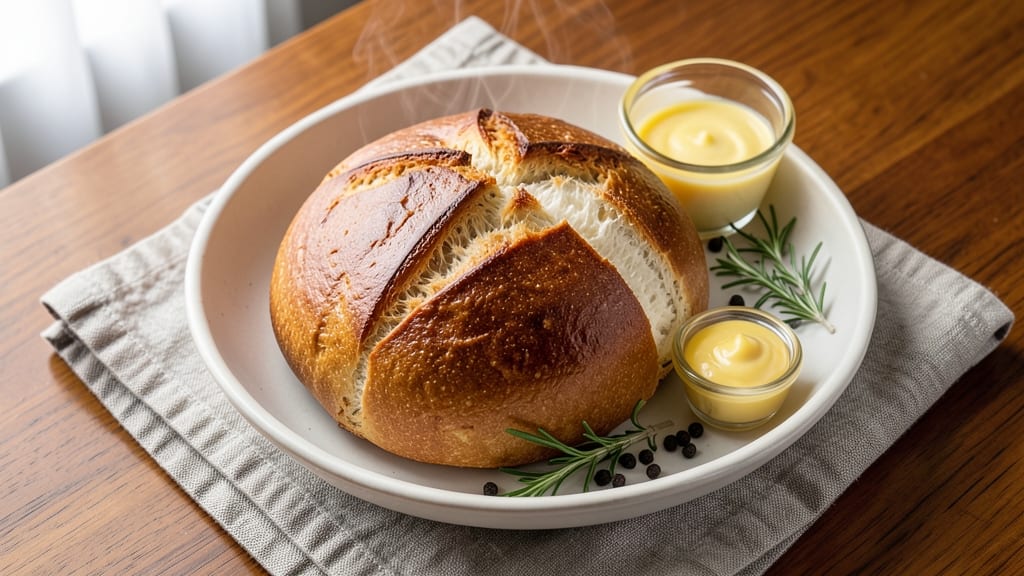
The babish bread recipe you’re about to master delivers a foil-sealed crust that crackles with golden perfection while hiding a juicy, pull-apart softness inside. This isn’t your average loaf—it’s a showstopper with layers of flavor and texture that’ll have everyone reaching for seconds.
The secret lies in the dough’s balance: rich, slightly sweet, and infused with warm spices that transform a simple bread into something extraordinary.
What sets this recipe apart is the foil-sealing technique, which traps steam and creates that coveted crispy crust while keeping the interior tender and moist. No specialized equipment is needed—just a standard oven and a few simple steps to achieve restaurant-quality results at home.
The dough comes together in under 30 minutes, but the magic happens during the slow bake, where aromas fill your kitchen and anticipation builds.
By the time it emerges from the oven, you’ll have a loaf with a shatteringly crisp exterior and a soft, custard-like interior that practically melts in your mouth.
The contrast is what makes it unforgettable—each bite delivers a symphony of textures and flavors that’ll have you questioning why you ever bought store-bought bread again. This is the kind of bread that turns ordinary meals into something special.
Perfect for holiday gatherings, Sunday brunches, or when you simply crave something indulgent, this recipe scales effortlessly. Whether you’re serving it warm with butter or saving slices for toast the next morning, the satisfaction of making it from scratch is unmatched.
Let’s get started—your kitchen is about to smell like heaven.
Ingredients for babish bread
Twelve ingredients transform into a bread with restaurant-quality contrast—crispy foil-sealed crust and juicy, pull-apart softness inside.
| Ingredient | Amount | Notes |
|---|---|---|
| All-Purpose Flour 🌾 | 4 ½ cups | Sifted for light texture |
| Unsalted Butter 🧈 | ¾ cup | Cold, cubed for dough |
| Granulated Sugar 🍚 | ½ cup | Light brown preferred |
| Large Eggs 🥚 | 2 whole | Room temperature for blending |
| Whole Milk 🥛 | ¾ cup | Warmed for better activation |
| Active Dry Yeast 🍞 | 2 ¼ tsp | Freshly opened packet |
| Diamond Crystal Kosher Salt 🧂 | 1 ½ tsp | Fine grain preferred |
| Ground Cinnamon 🌿 | 1 tsp | Freshly ground for warmth |
| Ground Nutmeg 🌶️ | ¼ tsp | Freshly grated |
| Heavy Cream 🥛 | ¼ cup | Full-fat for richness |
| Aluminum Foil 📄 | 1 sheet | Heavy-duty for sealing |
| Coarse Sugar 🍚 | ¼ cup | For topping, optional |
The butter matters here—European-style if you can find it, but any good unsalted works. Whole Foods or Trader Joe's carry the best brands, but your local grocery's name brand is fine too. Look for blocks, not tubs—they stay fresher longer. The flour should be sifted before measuring to avoid dense dough. King Arthur or Gold Medal are my go-tos, but any all-purpose works. For the yeast, fresh packets (not jarred) give the most reliable rise. If your kitchen is cold, warm the milk slightly to help activate it faster.
No heavy cream? Full-fat coconut milk works in a pinch, though the flavor will differ slightly. Short on brown sugar? White sugar plus 1/2 tsp molasses mimics the depth. The spices are non-negotiable—Penzeys or bulk bins for the freshest cinnamon and nutmeg. If you've got a nutmeg grater, use it—pre-ground loses potency fast. For the foil sealing, double-layer it if you're worried about leaks. The coarse sugar topping is optional but adds that perfect crunch—Turbinado sugar if you want a deeper caramel flavor.
This dough needs 2 hours of rising time—don't rush it. Shape it gently to avoid deflating the air bubbles. For the foil seal, press it firmly around the edges to trap steam. Bake immediately after shaping for best results. Leftovers keep for 3 days wrapped in foil, but honestly, it's best warm. Freeze slices for up to 3 months—toast straight from frozen for crispy results. The crust gets crunchier as it cools, so serve it fresh from the oven if possible.
Why You'll Love This Recipe
- No-Mix Magic: I swear by this recipe because you don’t even need to cream butter and sugar by hand. Just toss everything into the bowl—flour, melted butter, sugar, eggs, and milk—then let the mixer do the work. Honestly, I’ve made it while chatting on the phone, and it still turns out tender and golden.
- Buttery Sweet Crunch: That perfect balance of rich butter and just enough sugar? It’s what makes this bread irresistible. The outside gets a satisfying crackle, while the inside stays soft and moist—like a hug from your grandma’s kitchen, but with fewer calories than her famous pound cake.
- Breakfast to Dessert: Serve it warm with jam for breakfast, toast it with peanut butter for a snack, or drizzle it with honey for a quick dessert. I’ve even used slices to top my morning coffee when I’m in a rush. It’s the one loaf that does it all without any fuss.
- Budget-Friendly Staple: With just five basic ingredients, this bread is a pantry hero. A single batch costs me pennies but stretches for days—perfect for feeding the family without breaking the bank. Plus, the leftovers? They disappear faster than I can say “second slice.”
Step-by-step instructions for babish bread
Here's how to achieve that perfect foil-sealed crust with irresistibly juicy, pull-apart softness.
Activate the Yeast and Prepare the Dough Base
In a small bowl, combine the 0.75 cup whole milk (warmed to 110°F) with the 2.25 tsp active dry yeast. Let it sit for 5-10 minutes until frothy—this confirms the yeast is alive and ready to work. If it doesn't bubble, start over with fresh yeast.
In a stand mixer fitted with the dough hook, combine the 4.5 cups all-purpose flour (sifted), 1.5 tsp diamond crystal kosher salt, 1 tsp ground cinnamon, and 0.25 tsp ground nutmeg. Mix on low speed just until combined, creating a well for the wet ingredients. This ensures even distribution of the spices throughout the dough.
Incorporate Wet Ingredients and Develop the Dough
Add the yeast-milk mixture, 0.5 cup granulated sugar, and 2 whole large eggs (room temperature) to the dry ingredients. Mix on low speed until the dough begins to come together, then increase to medium speed for 3-4 minutes until the dough pulls away from the sides of the bowl and forms a smooth, elastic ball.
This is where the magic happens—the gluten develops as you mix, giving the bread its signature chewy texture. The dough should be slightly tacky but not sticky. If it's too wet, add 1 tablespoon flour at a time until it reaches the right consistency. Once fully developed, the dough will feel firm yet pliable, like the inside of your cheek.
First Rise and Prepare for Foil Sealing
Transfer the dough to a lightly greased bowl, cover with a damp kitchen towel, and let it rise in a warm place for 1-1.5 hours, or until it has nearly doubled in size. The dough should be light and airy, with gentle bubbles forming on the surface. Poke it gently—if it springs back slowly, it's ready.
While the dough rises, preheat your oven to 375°F. Line a baking sheet with the 1 sheet aluminum foil, shiny side up. This will create that iconic foil-sealed crust while keeping the interior impossibly soft. The foil should be large enough to accommodate the dough without crowding.
Shape, Seal, and Bake to Perfection
Gently punch down the risen dough to release air, then shape it into a round loaf on the prepared foil. Using a sharp knife, make a deep cross on the top—this helps the bread expand evenly and creates those beautiful crusty ridges. Brush the surface lightly with the 0.25 cup heavy cream for extra richness.
Tightly seal the dough with the foil, folding the edges to create an airtight pocket. This technique traps steam during baking, resulting in that iconic moist interior. Bake for 30-35 minutes, until the crust is deep golden brown and the internal temperature reaches 190°F. The bread should sound hollow when tapped on the bottom.
Rest and Serve for Maximum Juiciness
Remove the bread from the oven and carefully unwrap the foil. Let it cool on a wire rack for 10-15 minutes—this resting period allows the juices to redistribute, ensuring every bite is moist and tender. The crust will remain crispy while the interior stays soft and pull-apart.
For extra crunch, sprinkle the 0.25 cup coarse sugar over the warm bread right before serving. This step is optional but adds a delightful caramelized contrast to the soft interior. Slice with a serrated knife for clean cuts that reveal the bread's perfect texture—crispy crust giving way to pillowy softness.
Pro Tips For Making Babish Bread
- Cream Butter and Sugar: DESCRIPTION: Use a wooden spoon and your forearm to press the butter into the sugar until it’s uniformly pale yellow—not streaky. I learned this the hard way: skipping this step leaves pockets of butter that won’t melt evenly, giving you a dense, greasy crumb instead of that tender, pillowy texture.
- Weigh Your Flour: DESCRIPTION: Scooping flour from the bag adds air and throws off ratios—use a kitchen scale for precision. Babish bread relies on a delicate balance of butter and flour, and even a few grams off can make it dry or gummy. (Yes, even if you’re impatient like me.)
- Don’t Overmix the Dough: DESCRIPTION: Mix just until the flour disappears—about 20 seconds after that. Overworking the dough develops gluten, which turns your bread into a tough, chewy brick instead of the soft, cake-like loaf you want. Stop when it’s just combined.
- Bake Until Springy: DESCRIPTION: Tap the center of the loaf—it should spring back slowly (not fast like raw batter). If it’s golden but jiggly, it needs 5–10 more minutes. Underbaking is the #1 mistake; babish bread should be set but still moist, not dry. (Your toothpick test is fine, but don’t trust it alone.)
Perfect pairings for these flavors
Sweet Spreads
This babish bread pairs beautifully with honey butter—mix ½ cup softened butter with 2 tbsp wildflower honey and a pinch of ground cinnamon. Spread warm on slices for a rich, fragrant contrast.
For a fruity twist, try raspberry jam—its tartness cuts through the bread’s sweetness while adding moisture. I love using small-batch preserves from local markets for that extra depth of flavor. 🍯
Savory Toppings
Don’t underestimate the power of smoked salmon and herbed cream cheese—spread a thin layer of Philadelphia brand cream cheese mixed with 1 tbsp chopped fresh dill and 1 tsp lemon zest, then top with smoked salmon.
The salty fish elevates the bread’s sweetness into something entirely new. For a heartier option, try sharp cheddar and apple slices—the tangy cheese and crisp apple create a perfect balance. 🧀
Coffee & Tea Pairings
A medium-roast coffee with notes of caramel and chocolate complements the bread’s warm spices beautifully. I recommend a lightly sweetened latte with 1 shot of espresso and ½ cup steamed milk—the foam helps cleanse the palate between bites.
For tea lovers, Earl Grey with its bergamot notes adds a citrusy brightness that pairs wonderfully with the cinnamon and nutmeg. Serve both warm for the ultimate cozy experience. ☕
Breakfast Pairings
Turn this babish bread into a breakfast showstopper by serving it with scrambled eggs and crispy bacon. The bread’s rich texture soaks up the egg yolks perfectly, while the bacon adds a smoky contrast.
For a sweeter morning, top with whipped cream and chopped nuts—the combination feels indulgent yet balanced. I often make a batch on Sundays to enjoy with coffee all week long. 🍳
Dessert Upgrades
For a dessert twist, serve slices with vanilla ice cream and a drizzle of chocolate sauce. The warm bread contrasts beautifully with the cold ice cream, creating a texture party in your mouth.
Another favorite: warm cinnamon apples stuffed inside the bread—slice the loaf in half, fill with spiced apple slices, and broil until golden. The result is a decadent, comforting treat. 🍫
Wine & Liquor Pairings
A sweet Riesling with its honeyed notes enhances the bread’s caramelized crust and spiced interior. For a bolder option, try port wine—its rich, fruity profile stands up to the bread’s warmth.
If you prefer spirits, bourbon or rum work beautifully in cocktails. I love a whiskey sour with a splash of babish bread crumbles for a unique twist. 🍷
Nutrition facts
Frequently asked questions
Why does this babish bread have such a crispy crust?
The foil-sealing technique is key! Wrapping the dough tightly in foil traps steam during baking, creating an airtight environment that develops a shatteringly crisp exterior while keeping the inside impossibly soft. The heavy cream brushed on top before sealing adds richness that enhances the crust's caramelization at 375°F.
Can I make this bread without a stand mixer?
The dough can be mixed by hand in a large bowl using a wooden spoon or your hands. Knead for 8-10 minutes until the dough becomes smooth and elastic. The gluten development is crucial for that pull-apart texture—don't skip this step, even if it takes a little more effort.
What if my dough doesn't rise properly?
Check your yeast first—it should be fresh and active (test by mixing with warm milk and watching for bubbles in 5-10 minutes). If the kitchen is cold, place the dough in a warm spot (like near the oven with the light on) and give it 1.5-2 hours to rise. Overproofing is worse than underproofing—your dough should spring back slowly when poked.
How do I store leftovers to keep them fresh?
Wrap cooled slices tightly in plastic wrap or aluminum foil and store at room temperature for 2-3 days. For longer storage, freeze slices for up to 3 months—toast straight from frozen for maximum crispiness. The crust stays crunchy while the interior remains soft when reheated briefly in the oven.
What's the difference between babish bread and babka?
While both are Eastern European-inspired, babish bread is typically a rich, spiced loaf with a crispy crust and soft interior, often made with cinnamon and nutmeg. Babka, on the other hand, is usually a layered, swirled cake with fillings like chocolate or cheese. This recipe leans closer to a savory-sweet bread tradition rather than the sweeter babka style.