
Side Dishes
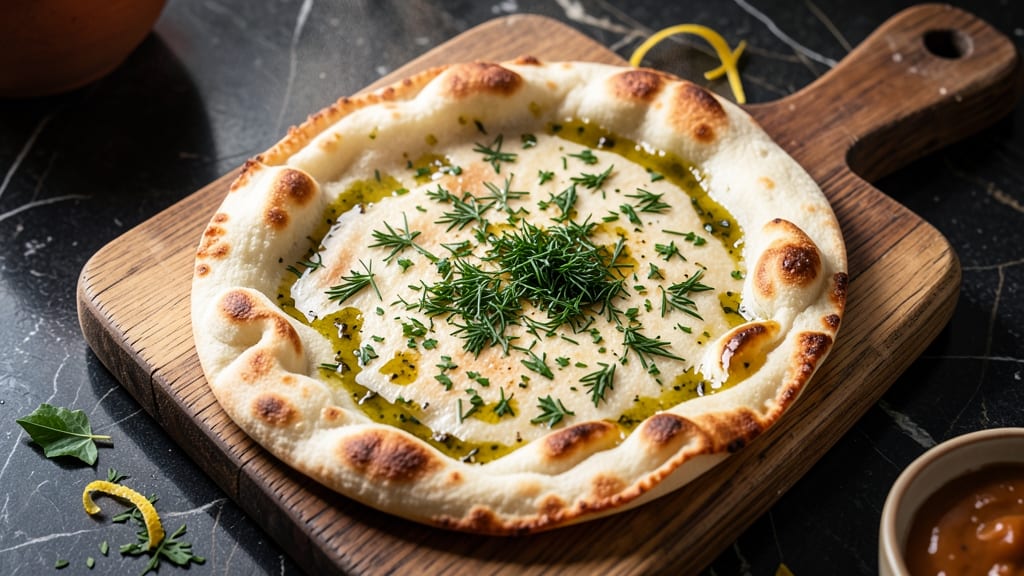
This Azerbaijani bread recipe brings the heart of the Caucasus to your kitchen with its signature tender dough and fragrant herb-yogurt blend.
The secret lies in a simple yet transformative dough—just flour, water, and a touch of yogurt—that stretches into delicate, savory flatbreads perfect for wrapping around grilled meats or dipping in garlic sauce.
I first discovered this recipe during a visit to Baku, where it was served warm and still steaming from the tandoor oven, its edges slightly charred and interior pillowy soft.
The recipe balances tradition with approachability, using basic ingredients to create a dish that feels both rustic and refined. Unlike many flatbreads, Azerbaijani bread incorporates yogurt into the dough, which adds a subtle tang and keeps the bread moist even after baking.
The herbs—typically parsley, dill, or cilantro—infuse the dough with freshness, while optional additions like garlic or sesame seeds can elevate it further. The dough requires minimal kneading, making it accessible even for beginners, and the shaping technique is straightforward once you get the hang of it.
What makes this bread truly special is its versatility—it serves as a humble side to hearty stews, a wrap for kebabs, or even a base for open-faced sandwiches.
The aroma of freshly baked bread wafting through your kitchen will transport you to the bustling streets of Baku, where these flatbreads are a staple.
Whether you bake them in a traditional tandoor, on a griddle, or even in a home oven, the result is consistently tender, flavorful, and impossible to resist. Here’s how to bring this Azerbaijani classic to life in your own kitchen.
For those looking to explore further, this recipe can be adapted into variations like catir—a thicker, more substantial bread—or lavash, a thinner, more delicate flatbread. The key to success lies in the dough’s elasticity and the confidence to stretch it thin without tearing.
Once mastered, you’ll find yourself reaching for this recipe time and again, whether you’re hosting a dinner or simply craving a taste of the Caucasus. Let’s get started on creating bread that feels like a warm embrace.
Ingredients for azerbaijan bread
Six ingredients transform into pillowy Azerbaijani bread—just flour, yogurt, herbs, and a touch of olive oil.
| Ingredient | Amount | Notes |
|---|---|---|
| All-Purpose Flour 🌾 | 4 cups | Spooned and leveled for accuracy |
| Plain Yogurt 🥛 | 1 cup | Whole-milk preferred for richness |
| Fresh Parsley 🌿 | ¼ cup | Finely chopped, stems removed |
| Fresh Dill 🌿 | ¼ cup | Finely chopped, stems removed |
| Fresh Cilantro 🌿 | ¼ cup | Finely chopped, stems removed |
| Large Egg 🥚 | 1 whole | Room temperature for even mixing |
| Salt 🧂 | 1 ½ tsp | Diamond Crystal preferred |
| Olive Oil 🫒 | 1 tbsp | For dough and shaping |
| Water 💧 | 1 ½ cups | Room temperature |
| Sesame Seeds 🌾 | 2 tbsp | Toasted for garnish (optional) |
| Garlic Cloves 🧄 | 2 cloves | Minced for optional dough boost |
The yogurt is non-negotiable here—it's what gives this bread its signature tang and tender crumb. Greek-style yogurt works best, but any plain whole-milk yogurt will do. If you're in a pinch, labneh or strained yogurt adds even more richness. For the herbs, fresh is ideal, but if you're using dried, cut the amount to one-third. The flour should be all-purpose, but if you want a slightly chewier texture, swap in half whole wheat. I always grab my flour from King Arthur or Bob's Red Mill—they're consistent and reliable. The sesame seeds? Toast them in a dry pan for 30 seconds—they'll smell amazing and add crunch.
No fresh herbs? Dried parsley and dill work at one-third the amount, but the flavor won't be as vibrant. Out of yogurt? Sour cream or buttermilk can sub in a pinch, though the texture might be slightly denser. For extra flavor, add 1 tsp garlic powder or 1 minced garlic clove to the dough. The olive oil matters here—use something with a mild flavor, like Californian or Italian extra-virgin. If you're feeling fancy, brush the baked bread with melted butter and sprinkle with flaky salt. And if you're making a big batch, double the recipe—this dough keeps for 2 days in the fridge.
The dough is best used within 4 hours of mixing, but you can refrigerate it for up to 2 days if wrapped tightly in plastic. For longer storage, freeze the dough balls for 3 months—just let them thaw at room temperature before shaping. Once baked, these flatbreads stay soft for 2 days if wrapped in a clean kitchen towel. Pro tip: Toast leftover bread in a dry pan for 30 seconds to revive it. And if you're making multiple batches, keep the dough covered with a damp towel to prevent drying.
Why You'll Love This Recipe
- No-Knead Magic: I swear by this dough—just mix, rest, and roll. The yogurt does all the heavy lifting while I scroll through my phone waiting for the dough to chill. Honestly, it’s the kind of recipe that makes me feel like a lazy genius.
- Herb Bomb Freshness: That trio of parsley, dill, and cilantro? It’s like sunshine in every bite. The herbs aren’t just garnish—they’re woven right into the dough, so every tear-off piece tastes like a bright, herby hug. (Yes, even on a Tuesday night.)
- Leftover Heaven: This bread stays fresh for days, which means I can bake one batch and feed the family for a week. Slice it thin, toast it up, or pack it in lunches—it’s the ultimate no-waste win.
- Budget-Friendly Staple: Flour, yogurt, and fresh herbs? That’s about as affordable as it gets. I’ve made this for under $3 a loaf, and it’s the kind of bread that disappears faster than my willpower around snacks. Between us, it’s my secret weapon for stretching meals.
Step-by-step instructions for savory Azerbaijani flatbread
Here's how to craft this tender, herb-infused flatbread that's perfect for wrapping or serving alongside soups.
Mix the Dough with Yogurt and Herbs
In a large mixing bowl, combine the 4 cups all-purpose flour and 1.5 teaspoons salt. Create a well in the center and add the 1 cup plain yogurt, 1 whole large egg, 1 tablespoon olive oil, and 1.5 cups water. Mix with a wooden spoon or your hands until a shaggy dough forms.
Once the dough comes together, turn it out onto a lightly floured surface and knead for 8-10 minutes until smooth and elastic. The dough should feel slightly tacky but not sticky—add more flour only if needed. This kneading develops gluten, which gives the bread its signature tender yet sturdy texture. For extra flavor, you can add the minced 2 garlic cloves during kneading, but it's optional.
Incorporate the Herb Blend
While the dough rests, finely chop the 0.25 cup fresh parsley, 0.25 cup fresh dill, and 0.25 cup fresh cilantro together. Return the dough to the mixing bowl and press it into a flat disk. Spread the herb mixture evenly over the dough, then fold the edges inward to encase the herbs completely.
Knead gently for another 2-3 minutes just to distribute the herbs evenly. This step ensures every bite of your flatbread carries that bright, fresh herb flavor. If the dough feels too dry after adding the herbs, lightly mist it with a few drops of water and knead again.
Rest the Dough for Perfect Texture
Shape the dough into a ball, place it back in the bowl, and cover it tightly with plastic wrap. Let it rest at room temperature for at least 1 hour—this is crucial for developing flavor and making the dough easier to handle. The longer it rests (up to 2 hours), the more tender the final bread will be.
During this time, preheat your oven to 425°F and place a baking sheet on the middle rack. You'll want the oven fully heated before shaping the bread, as the high temperature is key to achieving that characteristic crispy exterior.
Shape and Cook the Flatbreads
Divide the rested dough into 6 equal portions (about 8 ounces each) and roll each into a 12-inch circle, keeping the edges slightly thicker than the center. This shape ensures even cooking and a satisfyingly crispy edge. If the dough sticks, lightly dust your rolling surface with flour, but don't overdo it or the bread will turn out dense.
Transfer the shaped flatbreads to the preheated baking sheet and bake for 8-10 minutes until the edges are golden brown and the centers feel firm to the touch. For extra flavor, sprinkle the 2 tablespoons sesame seeds over the tops just before baking. The bread is done when it sounds hollow when tapped on the bottom.
Serve Warm and Enjoy
Remove the flatbreads from the oven and let them cool on a wire rack for 2-3 minutes—they'll crisp up slightly as they cool. Serve warm alongside soups, grilled meats, or as a wrap for fresh salads. The combination of tender, slightly crispy bread with the bright herb flavors makes this a standout centerpiece for any meal.
For best results, store any leftovers wrapped in a clean kitchen towel to keep them soft. This bread reheats beautifully—just warm in a dry skillet over medium heat for 1-2 minutes per side until crispy again.
Pro Tips For Making Azerbaijan Bread
- Mix Yogurt First: Let the yogurt sit out for 10 minutes before measuring—it thickens when cold, and you’ll end up with a dough that’s too stiff or too sticky. I used to eyeball it, but now I check the consistency: it should coat the back of a spoon smoothly, not drip or clump.
- Chop Herbs Coarse: Tiny herbs turn to mush when baked. Roughly chop parsley, dill, and cilantro into ¼-inch pieces—big enough to see but small enough to distribute evenly. My first batch looked pretty but tasted like a smoothie; now I keep the texture alive.
- Don’t Overwork the Dough: This isn’t pizza dough—handle it just enough to combine. Overmixing develops gluten, and the bread turns dense instead of light. Fold the herbs in gently at the end, like tucking in a blanket, not kneading.
- Bake Until Golden: The edges should be deep golden, not just pale. If yours looks underdone, crank the oven to 375°F for the last 5 minutes—it’ll crisp up without burning. I learned this after pulling out a sad, pale loaf that tasted raw in the center.
Storing and reheating this recipe
Refrigerator Storage
Wrap freshly baked Azerbaijani flatbreads tightly in a clean kitchen towel or beeswax wrap to maintain softness. Store in an airtight container at room temperature for up to 2 days—the towel prevents drying while allowing slight crisping.
For longer fridge storage (up to 5 days), place wrapped bread in a ziplock bag with a slice of apple to absorb moisture. Always reheat gently to preserve texture. 🌿
Freezer Preservation
For maximum freshness, freeze shaped dough balls (before baking) in a single layer on a tray, then transfer to a freezer bag for up to 3 months. Thaw overnight in the fridge before shaping.
Alternatively, freeze fully baked bread wrapped in foil—reheat directly from frozen in a 350°F oven for 5-7 minutes until warm. This method locks in flavor but may slightly reduce crispiness. ❄️
Reheating Methods
For crispy perfection, reheat in a dry skillet over medium heat for 1-2 minutes per side until golden. Avoid steam—it makes bread gummy. For oven reheating, wrap in foil and warm at 300°F for 3-4 minutes.
Microwave reheating (last resort) requires 10-15 seconds on low power, then finish in a skillet to restore texture. Always reheat until steaming hot. 🔥
Reviving Day-Old Bread
If your bread feels dry, brush with melted butter and sprinkle with flaky salt before reheating. For extra moisture, place a damp paper towel in the skillet while warming.
The yogurt in the dough means these flatbreads stay softer longer than traditional breads, but this trick works wonders for any leftover. This is my go-to method when I forget to eat them fresh! 💫
Portioning Tips
Divide baked bread into individual portions using a pizza cutter for easy reheating. Store each piece separately in parchment-lined bags to prevent sticking. For meal prep, bake an extra batch—these flatbreads freeze beautifully and become perfect wraps for future lunches.
Label bags with dates to track freshness. This saves time and ensures you always have fresh bread on hand. ✨
Nutrition facts
Frequently asked questions
Why does Azerbaijani bread use yogurt in the dough?
The yogurt creates a signature tender texture while adding a subtle tang that balances the herbs. It also helps keep the bread moist longer than traditional flatbreads. This is what makes it different from other Middle Eastern flatbreads—it's not just about the herbs, but the yogurt's unique contribution to both flavor and texture.
Can I make this bread without fresh herbs?
Yes! Use 1 tablespoon dried parsley and 1 tablespoon dried dill instead of fresh. Reduce the amount by one-third since dried herbs are more concentrated. For best flavor, combine with 1 teaspoon dried cilantro if available. The bread will still taste good, though fresh herbs give that authentic bright flavor.
What's the difference between catir and this Azerbaijani flatbread?
Catir is thicker and more substantial, often baked in a clay oven until puffed and golden. This recipe makes a thinner, more delicate flatbread similar to lavash. Catir typically has no herbs in the dough but is sometimes brushed with garlic butter after baking. The shaping technique is also different—catir is often rolled into a spiral before baking.
My dough is too sticky—what should I do?
Add flour 1 tablespoon at a time while kneading until the dough feels smooth but slightly tacky (not dry). If it's still too sticky after adding 2 tablespoons, let it rest uncovered for 10 minutes—the moisture will absorb. Over-kneading can make it tough, so stop when it springs back when pressed. The dough should feel like soft modeling clay.
How can I make this bread without an oven?
Use a cast-iron skillet on medium-high heat. Shape the dough into circles, cook for 1-2 minutes per side until golden brown and crispy. For extra flavor, place the skillet in a 400°F oven for 2-3 minutes after pan-frying to finish baking. This method works well on gas stoves or campfires too!