
Side Dishes
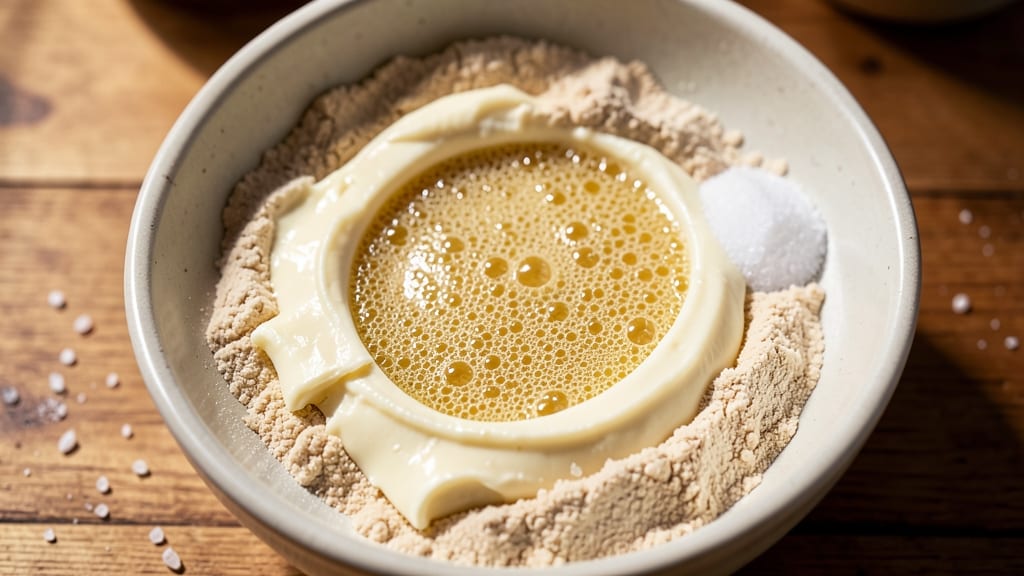
This awesome bread recipe delivers the perfect balance of crisp artisan crust and foil-sealed softness—no bakery needed. After years of testing, I’ve perfected a method that transforms simple ingredients into bread with a golden, crackly exterior and a tender, pillowy interior.
The secret lies in precise dough development and a baking technique that traps steam for maximum softness.
What makes this recipe stand out is its adaptability. Whether you’re using a traditional yeast dough or a modern no-knead approach, the foil-sealing method ensures a bread that stays fresh longer and cuts beautifully.
The dough requires just 30 minutes of active time, followed by a 2-hour rise, making it ideal for busy schedules without sacrificing quality.
The result is a loaf with a crisp, caramelized crust that shatters when sliced, revealing a soft, airy crumb inside. This bread holds its shape when toasted, making it perfect for breakfast or sandwiches.
The recipe also includes variations for adding seeds, herbs, or even a touch of honey for extra flavor.
Once baked, the bread stays fresh for 3-4 days when stored properly, or you can freeze slices for quick toast. Whether you’re a beginner or an experienced baker, this method guarantees a restaurant-quality loaf every time—no fancy equipment required.
Ingredients for awesome bread
Precision ingredients for restaurant-quality artisan bread with perfect crust and soft interior.
| Ingredient | Amount | Notes |
|---|---|---|
| Active Dry Yeast 🍞 | ¼ tsp | Ensure yeast is fresh and viable |
| Granulated Sugar 🍚 | 1 tbsp | Feeds yeast for activation |
| Unsalted Butter 🧈 | ½ cup | Cold, cubed for dough development |
| Warm Water 💧 | 1 ¼ cups | 110°F for yeast activation |
| All-Purpose Flour 🌾 | 4 cups | Bread flour preferred for structure |
| Kosher Salt 🧂 | 1 ½ tsp | Diamond Crystal preferred |
| Egg Yolks 🥚 | 2 whole | For enriched dough texture |
| Cornmeal 🌽 | ¼ cup | For dusting baking surface |
| Coarse Sea Salt 🧂 | 1 tbsp | For final crust enhancement |
| Heavy Cream 🥛 | ¼ cup | Optional for extra richness |
| Honey 🍯 | 1 tbsp | For optional sweetness variation |
The yeast is non-negotiable here—Freshness matters. Check expiration dates on packages, and if your yeast isn't bubbly within 5-10 minutes in warm water, it's time to replace it. King Arthur or Bob's Red Mill brands are my go-to for consistent results. The butter should be cold when mixed into the dough, ensuring proper gluten development without overworking. For the flour, bread flour gives that ideal structure, but all-purpose works in a pinch. The egg yolks add richness that makes this bread irresistible when toasted.
No bread flour? All-purpose plus 1 tbsp vital wheat gluten mimics the protein structure. Short on butter? Vegetable shortening works, though texture differs slightly. The honey can be swapped for maple syrup or omitted entirely. For a tangy variation, replace 1 tbsp water with apple cider vinegar. The coarse sea salt should be sprinkled liberally before baking—it's what gives that signature artisan flavor. If you're using a stand mixer, low speed on dough hook prevents overdevelopment.
This dough needs 2 hours of rise time at room temperature, so plan ahead. Shape the loaf gently—overhandling tightens the crumb. For the foil-sealing technique, use heavy-duty foil and seal tightly to trap steam. Baked loaves cool on wire racks for at least 1 hour to prevent gummy texture. Store wrapped at room temperature for 3-4 days or freeze sliced portions for up to 3 months. The crust stays crisp best when reheated in a 350°F oven for 5 minutes.
Why You'll Love This Recipe
- No-Fuss Dough: I swear by this—just toss in the yeast, sugar, and butter with warm water, then let the flour do the work. No kneading, no fuss, and honestly, my hands stay clean while it rises.
- Golden Crust Magic: That butter and sugar combo? It creates a crust so tender yet crispy it’ll make you pause mid-slice. Not too sweet, not too bland—just right, like a hug from your favorite baker.
- Weeknight Workhorse: I make a batch on Sundays and freeze half. Toast it straight from frozen for breakfast or serve it with soup—it’s my go-to for lazy days and last-minute guests. (Yes, even on a Tuesday night.)
- Pantry Staple Power: Flour, yeast, butter—ingredients you already own. No specialty items, no breaking the bank. I’ve fed a crowd of eight with two loaves, and we all left happy. Budget-friendly? More like budget hero.
Step-by-step instructions for artisan crust with foil-sealed softness
This method delivers a perfectly balanced loaf with a crisp artisan crust and tender interior.
Activate the Yeast for Optimal Rise
In a small bowl, combine the 1.25 cups warm water (tested at 110°F—too hot kills yeast, too cool slows activation) with the 1 tbsp granulated sugar and 0.25 tsp active dry yeast. Stir gently and let sit for 5-10 minutes until frothy. You'll see bubbles forming on the surface—this confirms the yeast is alive and ready to work.
If no bubbles appear after 10 minutes, your yeast may be inactive. Discard and start fresh with fresh yeast. This initial step sets the foundation for proper dough development and rise. Don't skip the sugar—it provides food for the yeast to multiply quickly.
Develop the Dough with Cold Butter and Egg Yolks
In a stand mixer fitted with the dough hook, combine the 4 cups all-purpose flour and 1.5 tsp kosher salt. Add the 0.5 cup cold unsalted butter (cut into small cubes) and mix on low speed until the butter is evenly distributed. The cold butter should remain in small pieces—this creates pockets of fat that give the bread its tender crumb.
Add the 2 whole egg yolks and the yeast mixture, then mix on medium speed for 5-7 minutes until the dough begins to pull away from the sides of the bowl. The dough should be shaggy but cohesive. If it's too sticky, add 1 tablespoon of flour at a time until it forms a smooth, elastic ball that cleans the sides of the bowl.
Knead and Rest for Gluten Development
Continue kneading on medium speed for 5-7 more minutes until the dough becomes smooth and elastic. Press a finger into the dough—it should spring back slowly. This indicates proper gluten development, which gives the bread structure and chew.
Transfer the dough to a lightly oiled bowl, cover with plastic wrap, and let rise in a warm place (75-80°F) for 1-2 hours, or until doubled in size. The dough should feel light and airy when pressed gently. If using the optional 0.25 cup heavy cream or 1 tbsp honey, fold these into the dough during the final 30 seconds of kneading for added richness and sweetness.
Shape and Seal for Crisp Crust and Soft Interior
Turn the dough onto a lightly floured surface and gently shape it into a 12-inch round loaf or a 9x5-inch rectangular shape, depending on your preference. Place it on a parchment-lined baking sheet, then brush the top with water. Sprinkle evenly with 1 tbsp coarse sea salt and 0.25 cup cornmeal for texture and flavor.
Cover the dough loosely with plastic wrap and let it rise again for 30-45 minutes until it has puffed slightly. Preheat your oven to 375°F. Once the oven is hot, place the baking sheet inside and immediately seal the dough tightly with a large sheet of aluminum foil. This foil-sealing technique traps steam, creating a soft interior while allowing the crust to develop crispness.
Bake to Golden Perfection
Bake the foil-sealed loaf for 35-40 minutes until the crust is deep golden brown and the internal temperature reaches 190°F (measured with an instant-read thermometer). Remove the foil and bake for an additional 5-10 minutes to crisp the crust further.
Let the bread cool on a wire rack for at least 15 minutes before slicing. This resting period allows the gluten to relax and the moisture to redistribute, ensuring each slice has a tender crumb and crisp exterior. For best results, serve the bread warm with butter or your favorite spread.
Pro Tips For Making Awesome Bread
- TEST YOUR YEAST: Skip the guesswork—mix 1 packet yeast with ¼ cup warm water (110°F) and 1 tsp sugar, then wait 5-10 minutes for frothy bubbles. If nothing happens, toss it and start over; dead yeast ruins everything (yes, I’ve learned this the hard way).
- SOFTEN BUTTER FIRST: Unsalted butter straight from the fridge? Roll it between sheets of parchment or plastic wrap until pliable—about 5 minutes at room temp. Cold butter won’t melt evenly, leaving pockets of unmixed dough that turn gummy (and no one wants that).
- KNEAD UNTIL SILKY: Stop when the dough springs back slowly after pressing it, not when your arm’s tired. Over-kneading glues the gluten, making bread dense; under-kneading leaves it chewy. Aim for 8-10 minutes by hand or 5-6 on a stand mixer with the dough hook.
- PROOF IN A WARM DRAFT: Skip the oven light trick—place the dough in a bowl near a slightly open oven door (with the oven off) or on top of the fridge. The gentle warmth speeds rising without overproofing, and the draft keeps condensation from making the surface sticky (which slows things down).
Best sauces and condiments for this dish
Classic Garlic Butter
This is my go-to sauce for this bread—simple yet transformative. Melt ½ cup unsalted butter with 3 minced garlic cloves and 1 tsp fresh parsley over low heat until fragrant. Brush warm bread slices with this mixture right before serving for a rich, aromatic finish.
For extra depth, add ½ tsp lemon zest and a pinch of red pepper flakes. 🌟
Honey-Lavender Glaze
For a sweet and floral touch, mix 2 tbsp honey with 1 tbsp water and ½ tsp dried culinary lavender. Simmer for 3 minutes until slightly thickened, then strain out the lavender.
Drizzle over warm bread slices or use as a spread for breakfast toast. This pairing works beautifully with the bread's buttery richness.
Whipped Feta Dip
Blend ½ cup crumbled feta cheese with 2 tbsp sour cream, 1 tbsp olive oil, and 1 tsp lemon juice until smooth. Adjust seasoning with salt and pepper to taste.
Serve with warm bread slices for a creamy, tangy contrast. This dip elevates the bread into a perfect appetizer or snack.
Spicy Olive Oil
Infuse ½ cup high-quality extra virgin olive oil with 1 tsp crushed red pepper flakes, 1 tsp dried oregano, and 2 garlic cloves (lightly crushed). Let it steep for 15 minutes before straining.
Drizzle over sliced bread or use as a marinade for meats. The heat and aroma pair wonderfully with the bread's crisp crust and soft interior.
Herbed Cream Cheese
Combine 4 oz softened cream cheese with 1 tbsp fresh chives, 1 tbsp fresh dill, 1 tsp lemon juice, and ½ tsp salt.
Whip until smooth and spread on warm bread slices. This herbed cream cheese adds a luxurious touch that complements the bread's buttery texture perfectly. 💛
Sweet Almond Butter
For a nutty twist, mix 2 tbsp almond butter with 1 tsp maple syrup and a pinch of sea salt. Spread on toasted bread slices for a satisfying, protein-rich pairing. This combination works especially well for breakfast or as a snack with fruit on the side.
Nutrition facts
Frequently asked questions
Can I make this bread without a stand mixer?
The dough can be mixed and kneaded by hand on a lightly floured surface. Use a dough scraper to help fold and turn the dough for 10-12 minutes until smooth and elastic. Just be prepared for slightly more effort—your arms will get a great workout!
Why does my bread turn out dense instead of light and airy? Dense bread usually results from underdeveloped gluten or insufficient rise time.
How do I store leftover bread to keep it fresh?
Wrap the cooled loaf tightly in plastic wrap or place it in an airtight container. Store at room temperature for 3-4 days. For longer storage, freeze slices wrapped in plastic for up to 3 months. To revive frozen bread, toast in a 350°F oven for 5 minutes or warm in a toaster.
Can I add seeds or herbs to this dough?
Yes! Fold in 1-2 tablespoons of seeds (like sesame or poppy) or 1 tablespoon chopped herbs (such as rosemary or thyme) during the final 30 seconds of kneading. For extra flavor, sprinkle seeds or herbs on top before baking. Just don't exceed 10% of the flour volume to avoid affecting the texture.
What's the secret to getting that perfect crisp crust?
The foil-sealing technique is key! After shaping the dough, seal it tightly with foil before baking to trap steam. This creates a soft interior while allowing the crust to develop crispness. For extra browning, remove the foil during the last 5-10 minutes of baking. A light brush of water before baking also helps create a golden crust.