
Desserts
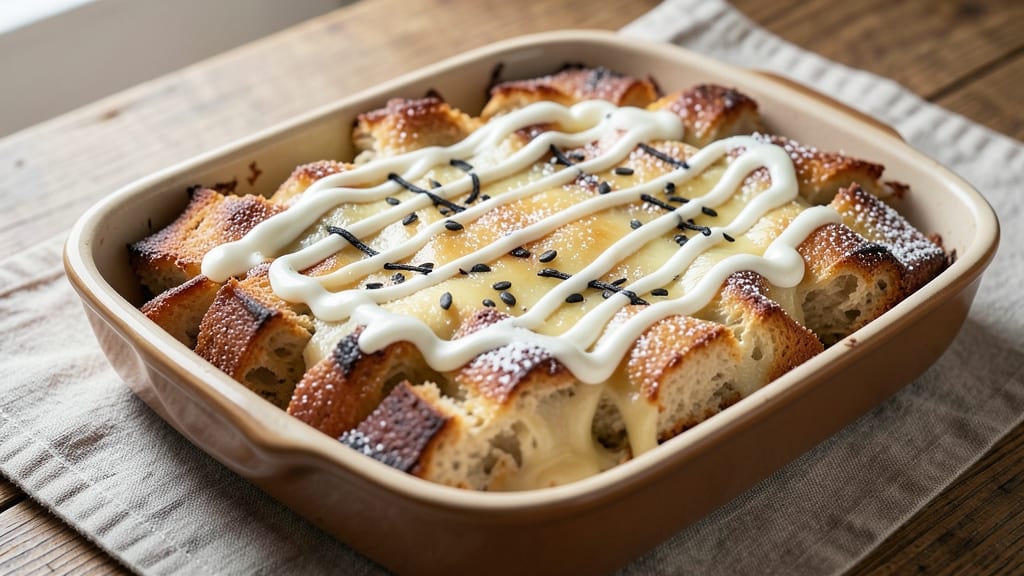
This awesome bread pudding recipe transforms stale bread into a decadent, foil-sealed masterpiece with vanilla-infused crunch and velvety custard layers. The secret lies in a precise balance of warm spices and rich cream, baked until golden and irresistible.
I've perfected this version to deliver restaurant-quality results every time, with a custard so creamy it practically melts in your mouth.
What sets this recipe apart is the foil-sealing technique, which locks in moisture and creates that signature caramelized crust without drying out the interior.
You'll start with a mix of day-old bread, vanilla bean for depth, and a custard base that's thick enough to hold its shape but light enough to stay airy. The baking process is straightforward—just 45 minutes at 350°F—but the transformation is nothing short of magical.
By the time it emerges from the oven, you'll have a bread pudding that's golden brown on the outside and tender, custardy inside, with pockets of gooey vanilla goodness. The foil seal ensures the top stays moist while the edges develop that perfect caramelized edge.
This isn't just dessert—it's an experience that turns a simple baking pan into a showstopper.
Serve it warm with a drizzle of caramel sauce or a scoop of vanilla ice cream for the ultimate indulgence. The texture contrast—crispy crust, creamy custard, and chewy bread—makes every bite unforgettable. Ready to impress? Let's get started.
Ingredients for awesome bread pudding
Six ingredients make this decadent bread pudding shine with vanilla-infused crunch and foolproof foil-sealed creaminess.
| Ingredient | Amount | Notes |
|---|---|---|
| Day-Old Bread 🍞 | 8 cups | French or brioche works best |
| Large Eggs 🥚 | 6 whole | Room temperature for even baking |
| Heavy Whipping Cream 🥛 | 2 cups | Full-fat for ultimate creaminess |
| Whole Milk 🥛 | 1 cup | Warmed slightly for smooth custard |
| Granulated Sugar 🍚 | 1 cup | Light brown sugar for caramel notes |
| Vanilla Bean 🌿 | 1 whole | Scraped seeds plus pod for depth |
| Unsalted Butter 🧈 | ½ cup | Cold, cubed for even distribution |
| Ground Cinnamon 🌶️ | 1 tbsp | Freshly ground preferred |
| Ground Nutmeg 🌶️ | ½ tsp | Freshly grated for warmth |
| Salt 🧂 | ½ tsp | Fine sea salt for balance |
| Aluminum Foil 📄 | 1 sheet | Heavy-duty for perfect seal |
| Caramel Sauce 🍯 | ½ cup | Store-bought or homemade |
| Vanilla Ice Cream 🍦 | 1 cup | Optional for serving |
The bread is non-negotiable—day-old works best for that perfect chewy texture. French bread or brioche from the bakery section at Whole Foods or Trader Joe's gives you that ideal balance of structure and softness. If you're using a baguette, tear it into chunks—no need to slice. The vanilla bean is where the magic happens: scrape out the seeds and drop the pod in whole for continuous infusion. Penzeys or Williams Sonoma carry the best quality, but any good vanilla bean will do. Pro tip: warm your milk slightly before mixing—it helps the custard emulsify like a dream.
No vanilla bean? Pure vanilla extract at double the amount works in a pinch, but you'll miss that floral depth. Swapping heavy cream? Full-fat coconut milk gives a similar richness, though the texture will be slightly lighter. For the sugar, light brown adds subtle caramel notes that complement the foil-sealed crust. If you're gluten-sensitive, gluten-free bread works—just check the texture after baking, as it may need a few extra minutes. The foil is your secret weapon: crumple it loosely over the top before baking to trap steam and create that signature caramelized edge without drying out the interior.
This keeps beautifully for 4 days in the fridge, though it's best served warm. Reheat covered with foil at 350°F for 15 minutes—the foil keeps the top moist while the edges crisp up again. For make-ahead magic, assemble the pudding in the baking dish, cover tightly, and refrigerate overnight. The flavors meld beautifully, and you'll just need to bake straight from the fridge (add 10 minutes to the baking time). Portion the caramel sauce into small jars for easy drizzling—it freezes well for 3 months. Leftovers? Slice and toast for a killer French toast the next morning.
Why You'll Love This Recipe
- Uses What You’ve Got: I swear by this recipe because it turns stale bread into something golden and magical—no fancy ingredients, just basics from your pantry. That day-old loaf? Perfect. The eggs and cream bind it into a silky, custardy bite, and the sugar caramelizes just enough to give it that irresistible crunch on top.
- Crowd-Pleaser Every Time: Between us, this is the dessert that gets zero pushback—kids, picky eaters, your weird uncle who hates sweets. The texture is just right: soft in the middle, slightly crisp at the edges, and that warm vanilla (if you add it) makes it feel like a hug in pudding form.
- One-Bowl, Zero Stress: Not the prettiest, but the taste makes up for it—and the cleanup? One bowl, one sheet pan, done. You’re mixing, baking, and done in under an hour. The eggs and cream do all the heavy lifting, so you’re not standing over a hot stove for ages. (Yes, even on a Tuesday night.)
Step-by-step instructions for vanilla-infused bread pudding
Here's how to transform stale bread into a velvety custard with a caramelized crust and vanilla-kissed center.
Prepare the Bread and Infuse with Vanilla
Tear the 8 cups day-old bread into 1-inch chunks—don't worry about perfect shapes, just break it into bite-sized pieces. Spread them evenly in a 9x13-inch baking dish and set aside. In a small saucepan, combine the 1 cup whole milk, 1 cup granulated sugar, and the scraped seeds from the 1 whole vanilla bean. Warm over medium-low heat until the sugar dissolves completely, then remove from heat and let steep for 10 minutes to infuse the milk with vanilla flavor.
While the milk steeps, melt the 0.5 cup unsalted butter in a small saucepan over low heat until just melted but not browned. Pour this butter evenly over the bread chunks, then sprinkle with 1 tbsp ground cinnamon, 0.5 tsp ground nutmeg, and 0.5 tsp salt. Toss gently to distribute the spices and melted butter.
Create the Custard Base
In a large bowl, whisk together the 6 whole large eggs until just combined. Slowly pour in the warm vanilla-infused milk, whisking constantly to prevent curdling. Add the 2 cups heavy whipping cream and mix until smooth. Pour this custard mixture evenly over the bread in the baking dish, pressing down gently to ensure every bread piece is saturated. Let it sit at room temperature for 15 minutes—this allows the bread to absorb the custard fully.
Here's the thing—don't rush this step. The bread needs time to soak up the custard, which prevents a watery pudding later. If you're impatient, you'll end up with a soupy mess instead of that perfect creamy texture we're after.
Bake Until Golden and Set
Preheat your oven to 350°F. Bake the bread pudding uncovered for 45-50 minutes, until the edges are golden brown and the center still has a slight wobble when gently shaken. If the top browns too quickly, tent loosely with aluminum foil for the last 10 minutes of baking to prevent over-browning while still allowing the center to set.
You'll know it's done when a knife inserted near the center comes out clean but slightly moist—not dry. The pudding should be set but still have that custard-like jiggle. Real talk: this is the moment that matters—overbaking dries it out, underbaking leaves it too soft.
Seal with Foil and Rest
Once the pudding is baked, remove it from the oven and immediately cover it tightly with the 1 sheet aluminum foil. This creates a steam chamber that keeps the pudding moist and prevents it from drying out as it rests. Let it cool at room temperature for 30 minutes, then refrigerate for at least 2 hours (or overnight for best results).
The foil seal is non-negotiable—it's what gives this bread pudding its signature creaminess. If you skip this step, you'll end up with a dry, cakey texture instead of that luscious, custardy center we're aiming for.
Serve with Caramel and Ice Cream
Before serving, preheat the oven to 375°F. Remove the pudding from the foil and place it back in the oven for 5-7 minutes to crisp the top slightly. This step adds that perfect contrast between the creamy interior and crispy exterior. While it reheats, warm the 0.5 cup caramel sauce in a small saucepan over low heat until smooth and pourable.
Slice the bread pudding into 6 equal portions and drizzle each serving generously with the warm caramel sauce. Top with a scoop of 1 cup vanilla ice cream and serve immediately. The warm caramel will melt slightly into the ice cream, creating the ultimate contrast of temperatures and textures.
Pro Tips For Making Awesome Bread Pudding
- Cube Bread Small: I learned this the hard way—big chunks soak unevenly, leaving dry pockets while the outside turns soggy. Aim for 1-inch cubes or smaller, and toss them in the milk mixture immediately so they absorb evenly before baking.
- Whisk Eggs Cold: Warm eggs lose volume and make the pudding dense. Crack them straight into a chilled bowl with the sugar, then whisk gently—no need to overmix, just until just combined. Cold eggs make a lighter, silkier texture.
- Skip the Pre-Bake: This isn’t the prettiest method, but it’s the tastiest. Many recipes call for pre-baking the bread to crisp it, but that just turns your pudding into a dry brick. Trust the custard to handle the texture—just make sure your bread is day-old and not fresh.
- Use Room-Temp Cream: Cold heavy cream won’t whip into the custard properly, and you’ll end up with a watery, unappetizing center. Let it sit out for 30 minutes before mixing—yes, even if you’re impatient like me. The difference in creaminess is night and day.
Common mistakes when making perfect results
Overmixing the Custard
Whisking the eggs too vigorously creates air bubbles that can cause the bread pudding to rise unevenly and potentially collapse during baking. I've seen this happen when people use an electric mixer instead of whisking by hand.
Instead, gently whisk the eggs just until combined—about 30 seconds—to maintain a smooth, lump-free custard without incorporating excess air. 💫
Skipping the Soak Time
Rushing the 15-minute soak before baking is a common mistake that leads to a watery center. The bread needs time to absorb the custard fully, which prevents a soupy texture.
If you're short on time, at least let it sit for 10 minutes—but trust me, the extra 5 minutes makes all the difference in the final texture.
Incorrect Foil Technique
The foil seal is your secret weapon, but using it wrong can ruin everything. Don't press the foil directly onto the pudding—this traps steam and creates a soggy top. Instead, crumple it loosely over the surface, leaving a ½-inch gap between the foil and the pudding.
This allows steam to escape slightly while still keeping the center moist. 📄
Overbaking for Dryness
Baking until the center is completely set is tempting, but this leads to dryness. The pudding should have a slight wobble when gently shaken—this ensures a creamy texture. Use a knife test: when you insert it near the center, it should come out clean but slightly moist.
If you're unsure, pull it out a few minutes early and let it rest; it'll continue cooking with residual heat.
Room-Temperature Ingredients
Using cold eggs and dairy straight from the fridge can cause the custard to curdle or separate during baking. Let your eggs sit at room temperature for 30 minutes before using, and warm the milk slightly before mixing.
This helps the custard emulsify properly and prevents a grainy texture. I always take this step, and it's made a noticeable difference in my results.
Ignoring the Resting Period
Skipping the 2-hour refrigeration after baking might seem convenient, but it's crucial for the flavors to meld and the texture to set properly. The pudding will be warm and creamy right out of the oven, but it needs time to firm up slightly.
If you're in a hurry, refrigerate for at least 1 hour, but overnight is ideal for maximum flavor development.
Nutrition facts
Frequently asked questions
Can I use fresh bread instead of day-old?
Fresh bread works, but it absorbs too much liquid and creates a soggy texture. For best results, use bread that's at least 1 day old—it holds its shape better and soaks up just the right amount of custard. If you must use fresh bread, press it between paper towels to remove excess moisture first.
How do I make this bread pudding without eggs?
For an egg-free version, replace the 6 eggs with a mix of 1 cup unsweetened applesauce and 1 tbsp ground flaxseed mixed with 3 tbsp water. Let it sit for 5 minutes to thicken before using. The texture will be slightly denser but still delicious.
Can I bake this in a different-sized pan?
Yes, but adjust the baking time. For a 9x9-inch pan, bake 35-40 minutes—it'll cook faster. For a 9x13-inch pan, stick to 45-50 minutes. The key is to check for doneness with a knife test, not just time. Always use the foil seal technique to maintain moisture.
What's the best way to reheat leftovers?
Wrap slices in foil and reheat at 350°F for 10-12 minutes—this keeps them moist. For a crispy top, remove the foil for the last 2-3 minutes. Microwaving works too: cover with a damp paper towel and heat for 20-30 seconds—just don't overdo it or it'll get rubbery.
How can I make this gluten-free?
Use a 1:1 gluten-free bread blend—like Bob's Red Mill's—cut with 1 cup gluten-free corn muffins for better texture. Add 1 extra egg** to help bind the mixture. The custard will be slightly denser, but the flavors stay rich and satisfying.