
Side Dishes
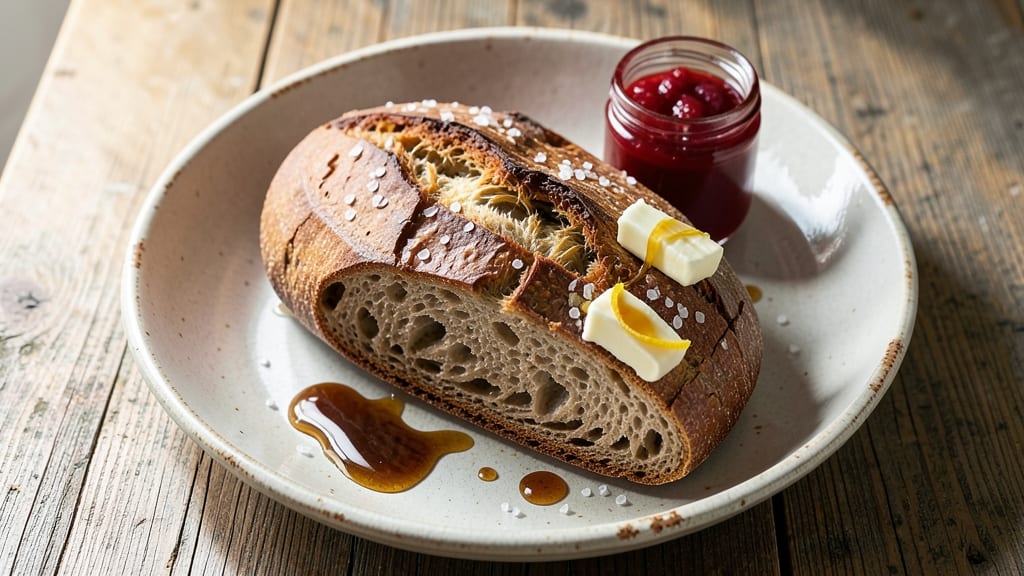
This authentic Swedish rye bread recipe brings the heart of Scandinavian baking to your kitchen with its signature crusty crunch and subtle molasses sweetness. The traditional method uses a sourdough starter for that signature tang, though I've adapted it for home cooks with a reliable commercial yeast option. What sets this bread apart is the combination of dark rye flour and honey, creating a flavor profile that's both rustic and refined.
The key to achieving that perfect balance lies in the dough's hydration and fermentation process. Unlike lighter breads, rye requires patience—allowing it to ferment overnight develops deep flavor and a satisfying chewiness.
I've included both the classic wood-fired oven method and a practical Dutch oven adaptation for home bakers, ensuring you get that coveted crisp crust regardless of your equipment.
Once baked, you'll have a loaf with a satisfying snap when sliced and a tender interior that's perfect for serving with sharp cheeses, cold cuts, or simply slathered with butter.
The molasses adds just enough sweetness to complement the bread's natural earthiness, making it versatile for both savory meals and sweet treats when toasted with jam.
This recipe delivers on authenticity while being accessible—whether you're baking for a traditional Swedish fika or simply craving something hearty and flavorful. The process may take time, but the results are worth every minute of waiting.
Ingredients for authentic swedish rye bread
Authentic Swedish rye bread starts with these twelve ingredients for a loaf that's rustic yet refined.
| Ingredient | Amount | Notes |
|---|---|---|
| Dark Rye Flour 🌾 | 4 cups | Stone-ground preferred for texture |
| All-Purpose Flour 🌾 | 1 cup | For structure and lightness |
| Active Dry Yeast 🍞 | ¼ oz | Or 2.25 tsp, ensure fresh |
| Granulated Honey 🍯 | ½ cup | Unprocessed for authentic flavor |
| Dark Brown Sugar 🍚 | ¼ cup | Enhances molasses depth |
| Unsalted Butter 🧈 | ½ cup | Cold, cubed for easier mixing |
| Molasses 🍯 | ¼ cup | Unsulphured for authentic taste |
| Warm Water 💧 | 1 ½ cups | 110°F for yeast activation |
| Sea Salt 🧂 | 1 ½ tsp | Fine grain preferred |
| Caraway Seeds 🌿 | 1 tsp | Toasted for enhanced aroma |
| Cornmeal 🌽 | ¼ cup | For dusting Dutch oven |
| Ice Water ❄️ | ½ cup | For final dough shaping |
The dark rye flour is non-negotiable here—King Arthur or Bob's Red Mill brands deliver that signature hearty texture. If you can't find stone-ground, regular rye works, but the flavor won't be as complex. Caraway seeds should be toasted in a dry pan for 30 seconds before adding to release their aroma. For the honey, local raw honey adds subtle floral notes that store-bought can't match. The molasses? Unsulphured is key—it's the secret to that deep, rich flavor without bitterness. Your local Scandinavian market or specialty grocer like Whole Foods will have the best options.
No dark rye flour? Substitute with pumpernickel flour at the same ratio, though texture will differ slightly. Running short on honey? Maple syrup works in a pinch (use half the amount), but it lacks the floral complexity. The butter can be vegan butter if needed, though traditional recipes rely on dairy for that rich mouthfeel. For yeast, instant yeast works too—just skip the proofing step. Caraway seeds can be omitted if you dislike their flavor, but they're what gives this bread its Scandinavian soul. The cornmeal? Any fine texture works, but don't skip it—it prevents sticking when shaping the dough.
This dough needs time—ferment overnight in the fridge for maximum flavor development. Store the shaped loaf in a bread bag at room temperature for up to 3 days, or freeze for 3 months by wrapping tightly in plastic. For reheating, 5 minutes at 350°F brings back that fresh-baked crunch. The crust gets harder as it cools, so slice when still slightly warm for the best texture. Leftovers? Toast them—Swedish fika calls for perfectly crisp bread.
Why You'll Love This Recipe
- No-Knead Magic: I swear by this trick—just mix the dark rye flour with warm honey and yeast, let it rise overnight, and wake up to a loaf that practically bakes itself. The dough is so forgiving that even if I forget it for an hour, it still turns out tender.
- Sweet-Savory Crunch: That dark brown sugar and honey combo? It’s the secret weapon—caramelizing just enough to give every bite a subtle sweetness that balances the deep, earthy rye. Honestly, I’ll take this over plain bread any day, especially when toasted with butter.
- Weeknight Workhorse: This bread pairs with everything—smoked salmon for breakfast, cold cuts for lunch, or charred veggies for dinner. I keep a loaf in the freezer at all times because it’s the one thing that makes even the simplest meal feel special. (Yes, even on a Tuesday night.)
- Pantry Goldmine: Dark rye flour is cheap, and a single batch stretches for days. Between us, I’ve fed a crowd with half a loaf and still had leftovers for sandwiches. The yeast and honey are staples I already had, so this is basically free money in bread form.
Step-by-step instructions for authentic Swedish rye bread
Here's how to craft this traditional Swedish loaf with its signature molasses sweetness and caraway aroma.
Activate the Yeast and Mix Wet Ingredients
In a large mixing bowl, combine the 1.5 cups warm water (about 110°F) with the 0.25 oz active dry yeast. Let it sit for 5-10 minutes until the mixture becomes frothy—this confirms the yeast is active. If it doesn't bubble, your yeast may be stale, and you'll need to start over.
In a separate bowl, whisk together the 0.5 cup granulated honey, 0.25 cup molasses, 0.5 cup unsalted butter (cold and cubed), and 1.5 tsp sea salt. The honey and molasses will create a rich, syrupy base that gives this bread its distinctive sweetness. The butter adds richness, but keep it cold to prevent the mixture from becoming too soft.
Combine Dry Ingredients and Form the Dough
Add the 4 cups dark rye flour and 1 cup all-purpose flour to the yeast mixture. Stir in the wet ingredients gradually, mixing with a wooden spoon until a shaggy dough forms. The rye flour is dense, so you'll need to work it thoroughly—don't be tempted to add extra water yet. The dough should be sticky but manageable.
Transfer the dough to a lightly floured surface and knead for 8-10 minutes until smooth and elastic. If it's too sticky, wet your hands slightly to help handle it. The all-purpose flour helps lighten the dense rye, creating a bread with both hearty texture and a tender crumb. Fold in the 1 tsp toasted caraway seeds during the last minute of kneading to distribute them evenly.
First Rise and Prepare for Baking
Place the dough in a lightly greased bowl, cover with a damp towel, and let it rise in a warm place for 1-2 hours, or until it has nearly doubled in size. The warm environment encourages fermentation, which develops the bread's deep flavor. Gently press the dough—if it springs back slowly, it's ready.
While the dough rises, preheat your oven to 425°F. Lightly grease a 9x5-inch loaf pan and dust it with 0.25 cup cornmeal to prevent sticking. The cornmeal adds a subtle crunch and helps create that classic Swedish rye crust. If you're baking in a Dutch oven, place it in the oven now to preheat as well.
Shape, Proof, and Bake for Crusty Perfection
Punch down the risen dough and shape it into a loaf, placing it seam-side down in the prepared pan. Cover it again and let it proof for 30-45 minutes until it rises about 1 inch above the pan. The dough should feel firm but still slightly springy to the touch.
Bake the loaf for 45-50 minutes until the top is deep golden brown and the internal temperature reaches 200°F. For extra crustiness, you can also bake it in a preheated Dutch oven for the first 20 minutes, then transfer it to the pan to finish baking. The molasses and honey will caramelize beautifully, giving the bread its signature sweet, sticky crust.
Cool and Enjoy with Confidence
Remove the bread from the oven and let it cool in the pan for 10 minutes, then transfer it to a wire rack to cool completely. This resting period allows the steam inside to escape, preventing a gummy texture. The bread will continue to firm up as it cools, developing its full depth of flavor.
Slice the loaf while still slightly warm for the best texture—each piece should reveal a tender crumb with pockets of caraway-infused sweetness. Serve with butter, cheese, or alongside a hearty Swedish meatball dinner. The authentic molasses notes and caraway aroma will transport you straight to a Swedish bakery.
Pro Tips For Making Authentic Swedish Rye Bread
- Bloom the Yeast First: Skip mixing yeast dry into the flour—it’s slower and less reliable. Instead, dissolve it in warm (not hot) water with a pinch of honey first, then let it sit for 5-10 minutes until frothy. I learned this the hard way after baking batches where the yeast just wouldn’t activate.
- Mix the Dough Wet: Swedish rye dough is sticky—embrace it. Add the all-purpose flour gradually while mixing, but don’t overdo it. The goal is a shaggy, cohesive mass, not a dry crumb. I used to panic and add too much flour, and the bread turned out dense instead of chewy.
- Let It Rise Cold: After shaping, refrigerate the dough overnight instead of letting it rise at room temp. The slow fermentation deepens the flavor and makes the crumb tighter. Sounds weird, but it works—my first attempt at room temp left me with a sad, flat loaf.
- Steam the Oven: Place a metal tray on the oven rack before preheating, then add boiling water when you put the bread in. The steam mimics a bakery oven and gives that signature crackly crust. I skipped this once and got a dry, sad top—never again.
Essential equipment for great authentic swedish rye bread
Dutch Oven Essentials
Your Dutch oven is the secret weapon for achieving that authentic Swedish rye crust at home. I recommend a Lodge cast iron Dutch oven—it retains heat beautifully and creates the perfect steam environment for a crisp exterior.
Preheat it in the oven alongside your bread to ensure even heat distribution. The heavy material also helps regulate temperature, preventing hot spots that can burn your loaf unevenly. 🔥
Wooden Tools Matter
For mixing and shaping the dough, wooden utensils are a must. A wooden spoon helps scrape every last bit of sticky rye dough from your mixing bowl, while a dough scraper makes handling the dense mixture easier.
I also keep a wooden rolling pin on hand for any adjustments needed during shaping. These tools prevent dough from sticking and add a rustic touch to your baking process.
Digital Thermometer
A digital instant-read thermometer (like the Thermoworks ThermoPop) is non-negotiable for Swedish rye bread. Use it to check your water temperature (should be 110°F for yeast activation) and the internal temperature of your baked loaf (200°F at the center).
This precision ensures your yeast activates properly and your bread bakes evenly without overcooking or underbaking.
Proofing Tools
Invest in a proofing basket or banneton for shaping your loaf with professional results. These woven baskets create beautiful patterns on your bread's surface while providing support during the final rise. If you don't have one, a lightly oiled bowl works fine—just dust it with rye flour to prevent sticking.
The key is to create enough tension on the dough's surface for that perfect rise.
Cornmeal and Flour
Keep fine cornmeal and rye flour on hand for dusting your work surfaces and baking pans. The cornmeal creates a subtle crunch on the bread's bottom crust, while the rye flour prevents sticking during shaping.
I store these in amber glass jars to preserve freshness—dark rye flour can go rancid quickly if exposed to light. A small sifter helps distribute the flour evenly for perfect results. 🌾
Cooling Rack
Never skip the wire cooling rack—it's crucial for letting your bread cool properly without developing a soggy bottom. I use a foldable silicone mat with built-in legs for stability.
Cooling the bread completely before slicing prevents the crumb from turning gummy. The rack also allows air circulation, which helps develop that satisfying crispness in the crust over time.
Nutrition facts
Frequently asked questions
Why does this Swedish rye bread need such a long fermentation?
The overnight fermentation is key for developing that deep, complex flavor and satisfying chewiness. The long rise allows the rye flour's natural acids to mellow while creating a tender crumb. Traditional Swedish bakeries often ferment for 12+ hours—this adaptation gives you the same results at home with less waiting.
Can I make this bread without caraway seeds?
While caraway seeds give this bread its classic Swedish aroma, they're optional. For a seed-free version, simply omit them—the molasses and honey will still provide that signature sweetness. If you prefer other flavors, try adding 1 tsp fennel seeds instead for a different herbal note.
What's the best way to store Swedish rye bread?
Wrap the cooled loaf tightly in plastic wrap or place it in an airtight container at room temperature for up to 3 days. For longer storage, freeze it for 3 months350°F oven for 5 minutes for that fresh-baked crunch.
How do I know when the bread is fully baked?
Look for a deep golden brown crust and tap the bottom—it should sound hollow. The internal temperature should reach 200°F. If the top browns too quickly, tent with foil after 20 minutes to prevent over-browning while the center finishes baking. The molasses will caramelize beautifully, giving that signature sticky sweetness.
What's the difference between this and knäckebröd?
This recipe makes a softer, more traditional Swedish rye loaf similar to what you'd find at fika, while knäckebröd is the ultra-crisp cracker version. The key difference is the hydration level—knäckebröd uses much less water and is baked longer. This recipe gives you a versatile loaf that can be sliced thin for crackers or served thick for sandwiches.