
Side Dishes
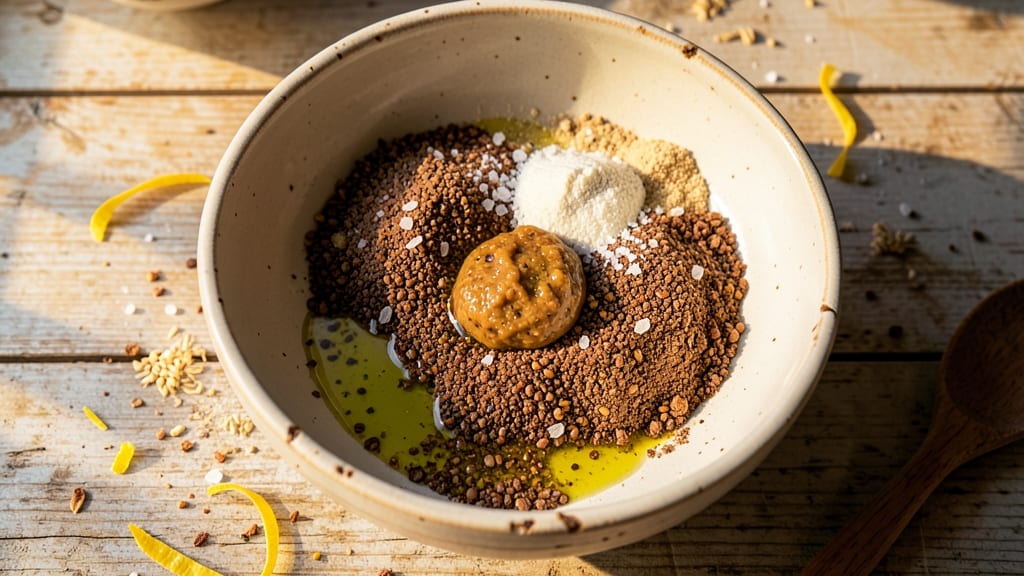
This authentic rye bread recipe brings the deep, tangy flavor of Scandinavian tradition to your kitchen with a method that delivers crusty gold and satisfying crumb. The secret lies in balancing rye flour's density with a proper fermentation—whether using a sourdough starter or yeast—creating that signature sour note without heaviness.
I've perfected this technique after years of baking, ensuring every loaf rises properly and develops that signature crackly crust.
What sets this recipe apart is the two-stage fermentation: an initial bulk rise that develops flavor, followed by careful shaping and proofing to maintain structure. The dough's hydration is key—just enough moisture to create an open crumb without making it gummy.
For authentic results, we'll use a mix of dark rye flour for depth and lighter rye for texture, plus a touch of honey to balance the acidity.
By the time it emerges from the oven, you'll have a loaf with a deep mahogany crust and a moist, slightly sticky interior that crumbles perfectly. The aroma alone—earthy, slightly sweet, with that unmistakable sourdough tang—will transform your kitchen into a bakery.
This is bread that pairs beautifully with smoked fish, sharp cheeses, or simply butter.
Ready to bake? Let's walk through the step-by-step process, including troubleshooting tips to avoid common pitfalls like dense loaves or pale crusts. The result is worth every minute of fermentation time—trust me, your taste buds will thank you.
Ingredients for authentic rye bread
Four flours, one yeast, and a touch of Scandinavian tradition—this is your rye bread pantry raid checklist.
| Ingredient | Amount | Notes |
|---|---|---|
| Dark Rye Flour 🌾 | 2 cups | For deep, robust flavor |
| Light Rye Flour 🌾 | 1 cup | For lighter texture |
| All-Purpose Flour 🌾 | ½ cup | For structure and rise |
| Active Dry Yeast 🍞 | ¼ tsp | Fresh yeast preferred |
| Sourdough Starter 🥖 | ½ cup | Active, bubbly starter |
| Honey 🍯 | 1 tbsp | For subtle sweetness |
| Warm Water 💧 | 1 ½ cups | 105°F for yeast activation |
| Kosher Salt 🧂 | 1 ½ tsp | Diamond Crystal preferred |
| Olive Oil 🫒 | 1 tbsp | Extra-virgin for richness |
| Cornmeal 🌽 | ¼ cup | For dusting loaf pan |
| Sesame Seeds 🌱 | 1 tbsp | Optional for topping |
The flours are where the magic happens. King Arthur's dark rye flour is my go-to for that deep, molasses-like flavor—it's worth the splurge if you're serious about authenticity. For light rye, Bob's Red Mill works perfectly, though I've also used store-brand rye flour with great results. The all-purpose flour is non-negotiable for structure, but if you're feeling adventurous, swap half for whole wheat flour for extra heartiness. Your yeast should be fresh—if it's past its expiration date, toss it. And for that honey? Local raw honey adds subtle floral notes that store-bought can't match.
No sourdough starter? No problem. Instant yeast works just fine—just give it an extra 10 minutes to proof. Running low on olive oil? Melted coconut oil keeps the same richness without overpowering. The sesame seeds are purely decorative, but if you're feeling bold, try poppy seeds or flaxseeds for a different texture. And that cornmeal? Semolina works too—just make sure it's toasted for better flavor. Pro tip: if your kitchen feels too warm, chill the dough for an hour before shaping—it makes handling so much easier.
This dough is a patient's game. Let it rest 12-24 hours in the fridge if you're short on time—it develops even more flavor that way. The shaped loaf keeps 3 days wrapped at room temperature, but it's best within 2 days for that perfect crumb. For longer storage, freeze the loaf up to 3 months—just wrap it tightly in foil first. And if you're making more than one loaf? Double the recipe—it's worth the extra effort.
Why You'll Love This Recipe
- No-Knead Magic: I swear by this—just mix, let it rise overnight, and bake. The sourdough starter does all the heavy lifting while you sleep, so you’re not stuck kneading for hours.
- Tangy Depth: That dark rye flour? It’s what makes this bread sing—earthy, slightly sweet, with a bite that lingers. The light rye keeps it from being too heavy, and the yeast gives it just enough lift.
- Weeknight Workhorse: I bake a loaf every Sunday because it’s perfect for sandwiches, toast, or even French toast later. Honestly, it’s the one bread I never run out of excuses to make.
- Budget-Friendly Staple: A single batch costs pennies and lasts me days—freeze slices for quick toast or reheat leftovers in the oven. Plus, using a starter means no pricey yeast packets piling up.
Step-by-step instructions for authentic rye bread
Here's how to craft a loaf with that perfect balance of sourdough tang and crispy crust.
Combine Wet Ingredients and Hydrate the Flours
In a large mixing bowl, whisk together the 1.5 cups warm water (around 105°F—too hot and you'll kill the yeast), 1 tbsp honey, 1 tbsp olive oil, 1.5 tsp kosher salt, and the 0.5 cup sourdough starter. The honey will dissolve completely while the olive oil creates a thin sheen on the surface.
Next, add the 2 cups dark rye flour and 1 cup light rye flour to the bowl. Using a wooden spoon, stir vigorously for 3-4 minutes until the mixture forms a shaggy dough that clings to the bottom of the bowl. The rye flour will absorb moisture slowly, so don't rush this step—you're developing gluten and activating those flavor compounds. You'll notice the dough becomes increasingly sticky as it hydrates.
Incorporate All-Purpose Flour and Knead Briefly
Add the 0.5 cup all-purpose flour to the bowl and mix with your hands or a dough whisk until fully incorporated. The all-purpose flour provides structure that the dense rye flours lack. Sprinkle 0.25 tsp active dry yeast on top and fold it in gently—there's no need for vigorous kneading with rye bread.
Turn the dough out onto a lightly floured surface and perform 5-6 quick stretches and folds (grab one side, stretch it up, and fold it over the center). This builds just enough gluten for structure without overworking the dough. The rye bread should remain soft and slightly sticky—this is normal and desirable. If it feels too dry, add 1-2 teaspoons of warm water to maintain proper hydration.
Bulk Ferment at Room Temperature
Place the dough back in the mixing bowl, cover it tightly with plastic wrap or a damp kitchen towel, and let it ferment at room temperature (70-75°F) for 4-6 hours. The dough will rise slowly at first, then begin to bubble and expand noticeably. You're looking for 30-50% volume increase—when it springs back slowly when poked with a finger.
Here's the thing about rye bread—it won't rise dramatically like wheat bread. Instead, focus on the texture: the surface should look slightly domed with small bubbles forming. If your kitchen is cooler, extend the fermentation to 8 hours for better flavor development. The longer it ferments, the more complex the sourdough tang becomes.
Shape and Final Proof in the Fridge
Lightly flour a work surface and transfer the dough. Gently shape it into a loaf form by folding the edges toward the center and rolling it into a rectangle, then sealing the seam. Tuck the dough into a 9x5-inch loaf pan that's been dusted with 0.25 cup cornmeal—this prevents sticking and adds a subtle crunch to the crust.
Cover the pan again and refrigerate for 8-12 hours. Cold fermentation enhances flavor and prevents overproofing. The dough will rise slightly in the fridge, but not dramatically. When ready to bake, remove the pan from the fridge and let it sit at room temperature for 30 minutes to equalize the temperature—this helps create steam during baking for that crispy crust.
Bake for Crusty Perfection
Preheat your oven to 375°F with a Dutch oven inside for 30 minutes. This creates maximum steam for an oven-spring effect. Carefully transfer the dough (still in its pan) into the hot Dutch oven. Bake covered for 30 minutes, then remove the lid and bake uncovered for an additional 20-25 minutes until the crust is deep golden brown and sounds hollow when tapped on the bottom.
For that authentic rye bread finish, sprinkle 1 tbsp sesame seeds on top during the final 5 minutes of baking. Let the bread cool in the pan for 10 minutes, then transfer to a wire rack. The internal temperature should read 190-200°F when done. Slice after 1 hour of cooling—this gives the crumb time to set properly while maintaining that perfect balance of crispy crust and moist interior.
Pro Tips For Making Authentic Rye Bread
- Autolyse First: Mix your dark rye flour, light rye flour, and all-purpose flour with water before adding yeast or sourdough—let it sit for 30 minutes. This step hydrates the dense rye properly, making the final dough easier to handle and giving you a lighter crumb. (Yes, even if you’re impatient like me.)
- Weigh the Yeast: Measure your active dry yeast by weight (about 7 grams for a standard recipe) instead of volume—yeast clumps can throw off fermentation. If using sourdough, take 10% of your total flour weight (e.g., 50g starter for 500g flour). Too much yeast = sour, bitter bread.
- Steam the Loaf: Place a metal tray under the bread pan before baking, then pour boiling water into it once the oven hits 450°F. The steam mimics a bakery oven and guarantees a crisp crust without burning the top—especially crucial for rye’s tendency to darken fast.
- Skip the Over-Knead: Rye dough is stubborn—don’t fight it. After autolyse, fold the dough 2–3 times during bulk fermentation (every 30 minutes) instead of kneading. Overworking it releases too much gluten, making the bread dense. Let the sourdough and yeast do the work.
Regional styles of this recipe
Scandinavian Dark Rye
This is the classic approach from Sweden and Norway, where rye bread is a staple. The recipe uses 100% rye flour (no wheat) for an intensely dense, slightly sweet loaf with a deep mahogany crust. The key technique is a long cold fermentation—often overnight—which develops that signature tang.
I've baked this version with King Arthur Dark Rye Flour and a 100% rye starter (no yeast needed). The result is a heavy, hearty loaf perfect for open-faced sandwiches with smoked salmon or herring. 🌾
German Pumpernickel
German pumpernickel takes rye bread to another level with its coarse, almost cake-like texture and deep molasses flavor. The traditional method involves baking the dough in a clay pot for 12-24 hours at low heat (250-300°F).
For home bakers, I recommend baking in a Dutch oven at 325°F for 3-4 hours covered, then 1-2 hours uncovered until the crust is jet-black. The dough includes molasses or treacle for sweetness and often black pepper for a subtle kick. This version keeps 3 weeks when properly stored.
Russian Borodinsky
This Russian classic features a crispy, dark crust with a soft, slightly sticky interior. The dough uses rye flour, barley malt, and sometimes buckwheat flour for extra depth. The shaping technique is unique—dough is rolled into a thin log before baking in a special clay pot called a "kagel".
For home ovens, I shape it into a round loaf and bake at 350°F for 40-50 minutes. The malt adds a malty sweetness that balances the rye's acidity. It's traditionally served with sour cream or caviar—trust me, the combo is legendary. 🥖
American Rye Variations
American rye bread often blends rye and wheat flours for a lighter texture while keeping that signature tang. The classic marbled rye uses strips of dark rye dough folded into a lighter wheat dough, creating beautiful swirls.
For a seeded rye, add 1-2 tbsp seeds (sunflower, flax, or sesame) to the dough before baking. I love making a cinnamon-raisin rye by mixing 1 tbsp cinnamon and ½ cup raisins into the dough—it's perfect with coffee. These versions bake faster (30-40 minutes) than traditional rye.
Polish Rye with Caraway
Polish rye bread often includes caraway seeds for a distinctive anise-like flavor. The dough uses a mix of rye and wheat flours with a touch of honey or sugar to balance the acidity. The seeds are added during the final proof or sprinkled on top before baking.
For extra richness, some recipes include buttermilk in the dough. This version has a softer crumb than Scandinavian rye but still develops that deep flavor during fermentation. It's traditionally served with soup or cold cuts—the caraway pairs beautifully with cured meats. 🌱
Nutrition facts
Frequently asked questions
Why does my rye bread turn out dense instead of light and airy?
Rye flour is naturally heavy, so the key is proper fermentation and hydration. Use the two-stage fermentation (room temp + fridge) to develop flavor and structure. If your dough feels too stiff, add 1-2 tsp warm water—rye bread should be sticky but manageable. Also, avoid over-kneading; just 5-6 stretches and folds are enough to build gluten without compacting the dough.
Can I make this rye bread without a sourdough starter?
Replace the 0.5 cup sourdough starter with 0.25 tsp instant yeast and let it proof for 10 extra minutes before mixing. For deeper flavor, try a 1:1:1 mix of water, flour, and yeast (no sourdough) and ferment for 12-16 hours in the fridge. The honey will still help balance the acidity.
How do I store rye bread to keep it fresh?
Wrap cooled loaves tightly in beeswax wrap or foil and store at room temperature for 3-4 days. For longer storage, freeze for up to 3 months—thaw at room temperature before toasting. To revive stale rye, sprinkle with water and bake at 350°F for 5-10 minutes to restore crispness.
What's the difference between dark and light rye flour?
Dark rye flour has a higher bran content (about 10-15%), giving it a robust, almost molasses-like flavor and deeper color. Light rye flour is milled more finely with less bran (3-5% bran), resulting in a lighter texture and milder taste. For authentic rye, use 2 parts dark to 1 part light—this balance creates the signature flavor without heaviness.
Can I add seeds or nuts to this rye bread?
Yes! For a seeded rye, mix in 1-2 tbsp seeds (sunflower, flax, or sesame) during the final proof or sprinkle on top before baking. To avoid sinking, fold seeds into the dough gently—don't overmix. For nuts, toast them first and add ½ cup chopped walnuts or almonds to the dough. Pro tip: reduce olive oil by ½ tbsp if adding fatty seeds/nuts.