
Desserts
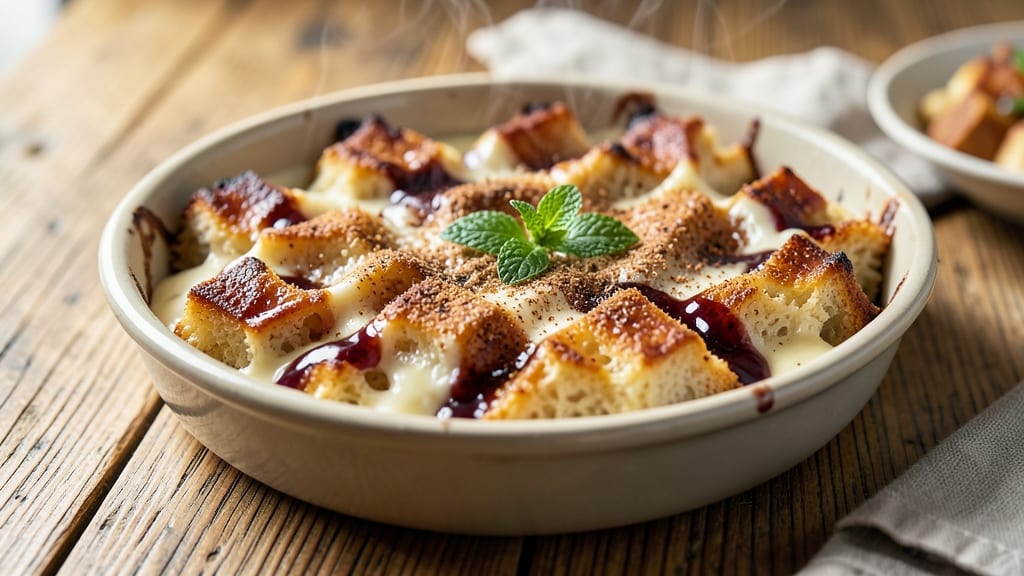
This authentic Puerto Rican bread pudding recipe delivers the warm, spiced comfort of postre de pan, where rum-soaked bread transforms into a golden, cinnamon-kissed masterpiece.
The secret lies in using pan de agua—that tender, slightly sweet Puerto Rican bread—tossed with evaporated milk, vanilla, and a whisper of cinnamon before being baked to perfection in foil-sealed comfort.
I first tasted this dish at a family gathering in San Juan, where it was served steaming hot with a dusting of powdered sugar and a splash of extra rum for good measure.
The magic happens in the foil seal, which traps moisture and infuses the bread with aromatic spices while keeping the center creamy and the edges just crisp enough.
This isn’t your average bread pudding—it’s a foil-sealed dessert with layers of caramelized edges, tender bread soaked in a velvety custard, and a hint of rum that elevates it from ordinary to unforgettable.
The spices—cinnamon, vanilla, and a pinch of nutmeg—are essential, as they mirror the warm, comforting flavors of Puerto Rican postres.
What makes this recipe truly special is how it balances tradition with simplicity. No fancy techniques, just authentic ingredients and a method that’s been passed down through generations. The result? A dessert that’s rich, spiced, and so comforting it feels like a hug in every bite.
Perfect for family gatherings, holiday feasts, or when you simply crave a taste of home.
Ready to recreate this foil-sealed comfort? The process is straightforward, and the reward is a dessert that tastes like a piece of Puerto Rico on your table. Let’s get started—your taste buds will thank you.
Ingredients for authentic puerto rican bread pudding
Six ingredients transform humble pan de agua into Puerto Rico's comforting foil-sealed dessert masterpiece.
| Ingredient | Amount | Notes |
|---|---|---|
| Pan de Agua 🍞 | 1 ½ lb | Stale or lightly toasted for texture |
| Evaporated Milk 🥛 | 2 cups | Full-fat for creaminess |
| Pure Vanilla Extract 🌿 | 1 tbsp | High-quality for authentic flavor |
| Ground Cinnamon 🌶️ | 1 ½ tbsp | Freshly ground preferred |
| Ground Nutmeg 🌶️ | ½ tsp | Freshly grated for depth |
| White Rum 🍹 | ½ cup | Good quality, aged 3+ years |
| Large Eggs 🥚 | 4 whole | Room temperature for even baking |
| Granulated Sugar 🍚 | ½ cup | White or light brown |
| Powdered Sugar 🍚 | ¼ cup | For dusting and garnish |
| Unsalted Butter 🧈 | ½ cup | Melted, full-fat preferred |
| Aluminum Foil 📄 | 1 sheet | Heavy-duty for sealing |
| Salt 🧂 | ¼ tsp | Kosher or sea salt |
The pan de agua is non-negotiable here—it needs to be that tender, slightly sweet Puerto Rican bread. Local bakeries in San Juan make the best, but Hispanic markets like La Tienda or Costco carry it too. If you can't find it, day-old brioche or challah work in a pinch, but they won't taste quite like home. The rum matters too—Don Q or Bacardi are my go-tos, but any good-quality white rum will do. Freshly ground spices make all the difference, so if your cinnamon smells like dust, toss it. For the evaporated milk, full-fat is a must—the richness is what makes this dessert sing.
No rum? Orange juice or apple cider adds sweetness without alcohol, though it won't have that boozy depth. Can't find pan de agua? Toasted brioche or challah are your next best options, but soak them longer in the milk mixture. The powdered sugar is just for garnish—don't skip it, though! It's that final touch that makes it feel special. For the butter, full-fat is non-negotiable—it's what gives the edges that perfect caramelized crunch. And if you're worried about the eggs, they're essential for that silky custard texture, but you can use flax eggs if you're avoiding them (though the texture won't be identical).
This dessert tastes even better the next day, so make it ahead if you can. Store leftovers covered at room temperature for 2 days, or refrigerate for 4 days. The foil seal keeps it moist, but if it dries out, a quick reheat in the oven with a splash of milk brings it back to life. I always make this for holidays—it's the kind of dessert that disappears fast, so double the batch if you're feeding a crowd. The foil makes it easy to reheat individual portions too, which is a lifesaver for family gatherings.
Why You'll Love This Recipe
- No Crumbly Mess: I swear by this trick—tossing stale pan de agua cubes in warm evaporated milk instead of cold water keeps it tender. No soggy bottoms, no dry edges. Just that perfect, pillowy bite every time.
- Vanilla-Cinnamon Magic: That first spoonful? Pure comfort. The nutmeg adds warmth, but it’s the vanilla and cinnamon that make it ridiculously good—like dessert sneaking into breakfast. Honestly, I’ve seen people skip the toppings just to eat it plain.
- Weeknight Crowd-Pleaser: Make it for Sunday dinner or a last-minute dessert—no one will complain. The leftovers? Even better the next day, especially with a sprinkle of cinnamon sugar. (Yes, even on a Tuesday night.)
- Budget Breakfast Win: Pan de agua gets cheaper as it stales, and evaporated milk stretches farther than fresh. A whole loaf turns into three servings, and the spices cost pennies. My secret weapon for feeding the family without breaking the bank.
Step-by-step instructions for authentic Puerto Rican bread pudding
Here's how to make this rich, spiced bread pudding that's been a Puerto Rican tradition for generations.
Prepare the Pan de Agua Base
Start by lightly toasting the 1.5 lb pan de agua if it's not already stale. This helps create the perfect texture without making it too dry. Cut the pan into 1-inch cubes—this size ensures even cooking and maximum surface area for soaking up the custard. I like to use a serrated knife for clean cuts, and I always work on a cutting board to keep my kitchen clean.
Spread the cubes evenly in a 9x13-inch baking dish, making sure they fit snugly. This is your foundation, so don't worry if they overlap slightly—they'll expand as they absorb the liquid. The key here is to arrange them in a single layer, so every bite gets that perfect mix of bread and custard.
Create the Custard Mixture
In a large bowl, whisk together the 2 cups evaporated milk, 0.5 cup granulated sugar, 1.5 tbsp ground cinnamon, 0.5 tsp ground nutmeg, 0.25 tsp salt, and 1 tbsp pure vanilla extract until the sugar dissolves completely. This mixture should be smooth and fragrant—you'll smell that warm cinnamon and vanilla right away, which is half the magic of this dish.
Next, add the 4 whole large eggs and whisk vigorously for about 1 minute until the mixture thickens slightly. The eggs are the secret to that creamy, custardy texture, so make sure they're fully incorporated. If you're using room-temperature eggs, they'll blend in more easily, but don't worry if they're not—just whisk a little longer.
Incorporate the Rum and Butter
Pour in the 0.5 cup white rum and stir gently to combine. The rum adds depth and warmth to the flavor profile, so don't skip this step—it's what makes this bread pudding taste authentically Puerto Rican. Then, slowly drizzle in the 0.5 cup melted unsalted butter while continuing to stir. The butter should blend smoothly into the custard, creating a rich, velvety coating for the bread cubes.
Real talk: If you're sensitive to alcohol, you can substitute the rum with an equal amount of additional evaporated milk, but I promise you'll miss that caramel-like depth it brings. The mixture should now be thick but pourable—like a luxurious custard.
Assemble and Seal for Baking
Pour the custard mixture evenly over the pan de agua cubes in the baking dish, pressing down gently to ensure every piece is saturated. Let it sit for 10 minutes so the bread can absorb as much liquid as possible—this is crucial for that perfect balance of moist bread and creamy custard.
Once the bread has soaked up the custard, cover the dish tightly with 1 sheet aluminum foil, pressing it down firmly to create a seal. This step is what makes this bread pudding so special—it traps the steam and moisture, ensuring a tender, custardy center instead of a dry one. Bake at 350°F for 45-50 minutes, until the top is golden brown and the edges are set.
Finish and Serve with Flourish
Remove the foil and return the bread pudding to the oven for an additional 5-10 minutes to let the top crisp up slightly. You'll know it's done when the center is just set but still slightly jiggly—like a perfect custard. Let it cool for 10 minutes before serving, as this allows the flavors to meld and the texture to firm up just enough to slice neatly.
Before serving, dust the top generously with 0.25 cup powdered sugar for that classic Puerto Rican touch. The contrast of the sweet, spiced bread pudding with the powdered sugar on top is what makes this dessert truly unforgettable. Serve warm with a cup of strong coffee or a glass of rum for the full experience.
Pro Tips For Making Authentic Puerto Rican Bread Pudding
- SOAK THE BREAD FIRST: The pan de agua needs a head start—toss the cubes in warm evaporated milk for 10 minutes before baking. I learned this the hard way when my first batch came out dry; the bread absorbs liquid better when it’s already hydrated.
- USE FULL-SIZED CUBES: Skip the tiny crumbs—cut the pan de agua into 1.5-inch chunks for even baking. Smaller pieces burn faster, while larger ones stay soft inside. (Yes, it’s more work, but the texture makes a real difference.)
- BROWN THE MILK: Heat the evaporated milk with cinnamon and nutmeg until it just starts to foam—about 2 minutes on medium. This deepens the flavor without curdling, and it’s the thing that makes your pudding taste like your abuela’s.
- DON’T OVERMIX THE BATTER: Stir just until the bread is coated—lumpy is fine. Overmixing makes the pudding dense and gummy. (I used to panic and stir like crazy; now I trust the process.)
Flavor customization for these flavors
Spiced Variations
For extra warmth, add ½ tsp ground cloves or ¼ tsp cinnamon stick (lightly toasted) to the custard mixture. These spices mirror the molasses notes in traditional Puerto Rican desserts like pastelillos.
I also love adding 1 tsp orange zest for a bright citrus contrast that cuts through the richness. 🌶️
Rum Alternatives
No rum? Use ½ cup orange juice or apple cider for sweetness, though it won’t replicate the caramel depth. For a non-alcoholic twist, try ½ cup coconut milk—it adds tropical notes that pair beautifully with the cinnamon. The key is balancing sweetness, so adjust sugar if needed.
Bread Substitutes
If pan de agua is unavailable, day-old brioche or challah work well, but soak them 15 minutes longer in the custard. For a gluten-free option, use gluten-free brioche cubes (like Canyon Bakehouse) and reduce baking time by 5-7 minutes—they absorb liquid faster.
Toppings & Garnishes
Skip powdered sugar for a rustic touch and serve with caramelized bananas or toasted coconut flakes. For a boozy finish, drizzle with 2 tbsp warmed rum syrup (simmer ½ cup sugar + ½ cup rum> until thickened). A sprinkle of flaky sea salt enhances the cinnamon’s warmth.
Make-Ahead Magic
This pudding tastes even better the next day! Bake it 2 hours ahead, then reheat at 300°F for 15 minutes> with a splash of milk. For a no-bake version, chill the assembled dish overnight—it develops deeper flavors without baking. Perfect for holiday prep!
Coffee & Pairings
Serve with espresso or café con leche to balance the dessert’s sweetness. For a tropical twist, pair with coconut milk ice cream> or a rum-infused fruit salad> (mango + pineapple). The contrast of hot coffee and warm pudding is pure Puerto Rican comfort. ☕
Nutrition facts
Frequently asked questions
Why does this recipe use foil sealing?
The foil seal is the secret to authentic texture! It traps steam and moisture during baking, creating a creamy custard center while keeping the edges tender—not dry. This traditional method mirrors how Puerto Rican families prepare postre de pan for gatherings, where every bite stays moist and rich. Without it, you risk a dense, cake-like texture instead of the perfect balance of bread and custard.
Can I make this bread pudding without rum?
Substitute the 0.5 cup rum with 0.5 cup orange juice or apple cider for sweetness, though you'll lose the caramel depth rum provides. For a tropical twist, try coconut milk>—it adds richness without alcohol. Just reduce the granulated sugar by 1 tablespoon> to balance the extra sweetness from substitutes.
What if I can't find pan de agua?
No problem! Use day-old brioche or challah> as substitutes—they hold up well to soaking. For gluten-free options, try gluten-free brioche cubes> (like Canyon Bakehouse) but reduce baking time by 5-7 minutes> since they absorb liquid faster. Soak substitutes 15 minutes longer> in the custard mixture to compensate for their denser texture.
How do I know when it's fully baked?
Look for three key signs: the top should be golden brown, the edges set but still slightly jiggly (like custard), and a toothpick inserted should come out clean or with just a few moist crumbs. The center will firm up as it cools, so don't overbake—this pudding is meant to be tender, not firm. If unsure, bake 5 minutes longer> and check again.
Can I make this ahead for holidays?
This dessert actually tastes better the next day! Bake it 2 hours ahead, then reheat at 300°F for 15 minutes> with a splash of milk to restore moisture. For a no-bake version, assemble the dish and refrigerate overnight—the flavors deepen without baking. It's perfect for holiday prep, as the foil seal keeps it fresh for 2 days at room temperature> or 4 days refrigerated>.