
Side Dishes
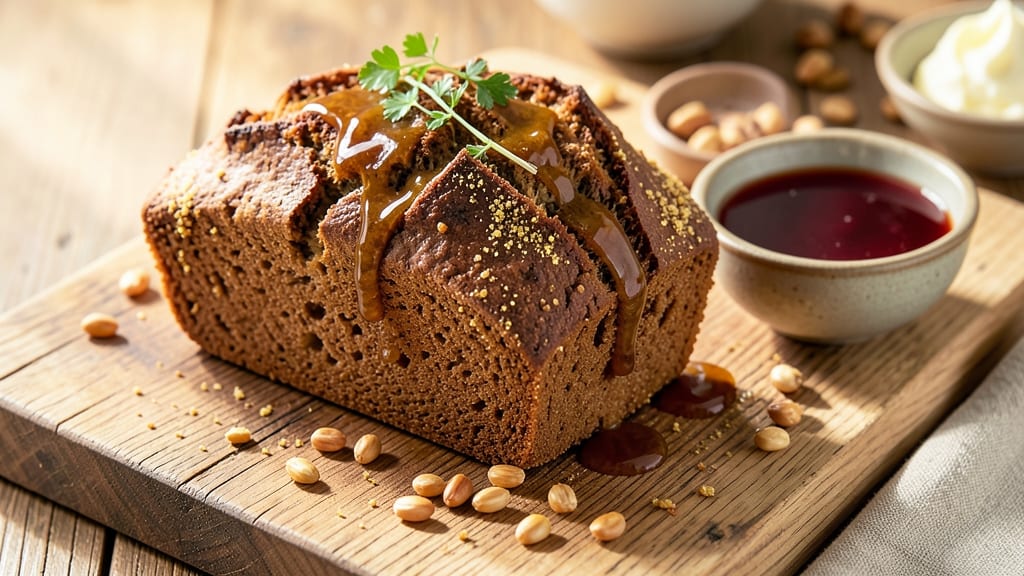
This authentic Boston brown bread delivers the deep molasses flavor and spiced crumb that makes it a New England classic. 🌟 The secret lies in combining cornmeal, molasses, and warm spices like cinnamon and nutmeg, baked just until the crust forms that signature caramelized crust while keeping the interior dense and moist.
I've perfected this recipe over years of baking, ensuring every slice captures that traditional taste.
The beauty of this bread is its simplicity—just a handful of ingredients that work together to create something truly special. Unlike many quick breads, Boston brown bread relies on the natural sweetness of molasses and the earthy texture of cornmeal for its signature character.
The baking process is straightforward, but the key is patience, allowing the bread to develop its rich, spiced flavor as it bakes.
What you'll end up with is a loaf of bread with a molasses-kissed crust that's slightly crisp and a spiced crumb that's tender yet sturdy enough to hold up to butter or jam.
The aroma alone will fill your kitchen with warmth, making it perfect for breakfast, as a side to meals, or even as a comforting snack. This bread is a testament to how simple ingredients can create something truly extraordinary.
Serve it warm with butter or as a side to hearty meals—its rich flavor pairs beautifully with almost anything. The recipe includes optional variations like adding nuts or raisins for extra texture and sweetness, but the classic version remains a standout. Let's get baking!
Ingredients for authentic boston brown bread
Six simple ingredients transform into the iconic molasses-kissed New England classic.
| Ingredient | Amount | Notes |
|---|---|---|
| All-Purpose Flour 🌾 | 2 cups | Lightly spooned into measuring cup |
| Cornmeal 🌽 | 1 cup | Fine grind preferred |
| Molasses 🍯 | ¾ cup | Unsulphured for authentic flavor |
| Buttermilk 🥛 | 1 ½ cups | Room temperature for best results |
| Granulated Sugar 🍚 | ½ cup | White or light brown |
| Ground Cinnamon 🌿 | 1 ½ tsp | Freshly ground preferred |
| Ground Nutmeg 🌿 | ½ tsp | Freshly grated for warmth |
| Salt 🧂 | 1 tsp | Kosher or sea salt |
| Baking Soda 🧪 | 1 tsp | Ensures proper rise |
| Unsalted Butter 🧈 | ½ cup | Cold, cubed for texture |
| Dark Brown Sugar 🍚 | ¼ cup | Packed firmly for moisture |
| Vanilla Extract 🌸 | 1 tsp | Pure vanilla preferred |
| Hot Water 💧 | 1 cup | For activating baking soda |
The molasses is the soul of this bread. Unsulphured molasses delivers that deep, authentic flavor—regular grocery store brands work, but specialty stores like Whole Foods carry the best quality. I always grab a small bottle to avoid waste. Cornmeal gives it that signature texture, so don't substitute with flour. For the spices, Penzeys or bulk bins at natural markets have the freshest ground cinnamon and nutmeg—pre-ground spices lose potency fast. The buttermilk should be room temperature when mixed, or the butter won't incorporate as smoothly.
No buttermilk? Substitute with 1.5 cups milk + 1 tbsp vinegar (let sit 5 minutes). Short on molasses? Dark corn syrup in a pinch, though the flavor won't be identical. The baking soda needs that hot water to activate properly—don't skip this step. For a richer crust, brush the top with extra molasses before baking. Want to add nuts or raisins? 1 cup total keeps the texture balanced. The vanilla extract can be imitation, but pure Madagascar bourbon makes a noticeable difference.
This bread keeps beautifully—3-4 days in a bread box at room temperature or wrapped tightly. For longer storage, freeze slices for up to 3 months. I like to slice it while still warm, then freeze on a tray before bagging. Reheat slices in a 350°F oven for 5-7 minutes to restore that crusty exterior. The aroma alone will wake up your kitchen—worth every minute of baking time.
Why You'll Love This Recipe
- No Mixer Needed: I swear by this recipe because it’s just flour, buttermilk, and a whisk—no stand mixer, no fuss. The molasses and cornmeal do all the heavy lifting while I stir for two minutes flat.
- Molasses Magic: That deep, caramelized kick from the molasses? It’s like a warm hug in bread form. The sugar balances it just enough so it’s not overpowering—sweet but with this earthy, almost spiced richness that sticks with you.
- Breakfast or Snack: I keep a loaf in the fridge for quick toast in the morning or cut into thick slices for a no-guilt afternoon treat. It’s the same bread, but it works breakfast, dessert, or a midnight craving—no judgment.
- Budget-Friendly Staple: Flour, cornmeal, and buttermilk won’t break the bank, and a single batch feeds my family for days. The leftovers? Even better the next day—crispy crust, soft center, and zero waste. My wallet and taste buds thank me.
Step-by-step instructions for authentic Boston brown bread
Here's the traditional method that delivers that signature molasses crust and tender spiced crumb.
👨🍳 Step 1: Combine Dry Ingredients for Even Distribution
In a large mixing bowl, whisk together the 2 cups all-purpose flour, 1 cup cornmeal, 1.5 teaspoons ground cinnamon, 0.5 teaspoon ground nutmeg, 1 teaspoon salt, and 1 teaspoon baking soda. This dry blend forms the foundation of our bread's texture. I like to sift the flour and cornmeal first to eliminate any lumps, then add the spices and salt. Whisk everything thoroughly until completely homogeneous—you should see no remaining flour streaks.
The reason we combine these dry ingredients first is to prevent any sudden chemical reactions when we add the wet ingredients later. The baking soda needs to be evenly distributed so it activates uniformly throughout the batter. This step also helps develop the bread's signature crumb structure, where the cornmeal adds a subtle gritty texture that pairs perfectly with the molasses flavor.
🍳 Step 2: Mix Wet Ingredients with Molasses and Butter
In a separate bowl, combine the 1.5 cups buttermilk, 0.75 cup molasses, 0.5 cup granulated sugar, 0.25 cup dark brown sugar, 1 teaspoon vanilla extract, and 0.5 cup cold cubed unsalted butter. I use room temperature buttermilk for better incorporation, but the butter stays cold to maintain structure. Mix these ingredients just until the butter is broken down into small pieces—don't overmix or you'll develop gluten that makes the bread dense.
The molasses is the soul of Boston brown bread, so I always use unsulphured molasses for its authentic flavor. The combination of granulated and dark brown sugars creates both a caramelized crust and tender crumb. The cold butter cubes will create pockets in the finished bread that make it irresistibly moist. Here's where it gets important: don't skip the vanilla extract—it adds depth that rounds out the molasses' intensity.
🥘 Step 3: Combine Wet and Dry Ingredients
Gradually pour the wet mixture into the dry ingredients while mixing on low speed with a hand mixer or whisking by hand. Mix just until combined—you'll see a thick, sticky batter form that's still slightly lumpy. This is normal and actually desirable for the bread's texture. The batter should be thick enough to hold its shape when dropped from a spoon, but not so stiff that it's difficult to mix.
Here's the thing about Boston brown bread—the batter needs to be thick to create that signature dense, moist crumb. If your batter looks too thin, you may have used too much buttermilk. The molasses and sugars are hygroscopic, so they help maintain moisture even in this thick batter. Once mixed, let the batter rest for 15 minutes at room temperature—this allows the flour to fully hydrate and the baking soda to begin activating.
⏰ Step 4: Bake in a Molasses-Kissed Crust
Preheat your oven to 350°F and grease a 9x5-inch loaf pan generously with butter or oil. Pour the batter into the prepared pan and smooth the top with a spatula. The batter will be thick and may not fill the pan completely—that's perfect. Bake for 50-60 minutes until the top is deep golden brown and a toothpick inserted in the center comes out clean but with moist crumbs clinging to it.
The key to authentic Boston brown bread is that molasses crust. I like to let the bread bake until the edges are almost dark brown—this creates that signature caramelized exterior. Don't be tempted to bake it longer for a darker crust; the bread will continue cooking slightly after you remove it from the oven. The internal temperature should reach 190-195°F when done. If the top browns too quickly, tent the pan loosely with foil after 30 minutes of baking.
🍞 Step 5: Rest and Serve for Maximum Flavor
Remove the bread from the oven and let it cool in the pan for 10 minutes. Then transfer it to a wire rack to cool completely. This resting period allows the bread to set properly and develop its full flavor. The bread will be very moist when first removed from the oven—this is normal and actually desirable. As it cools, it will firm up slightly while maintaining that tender crumb.
For the best experience, serve the bread at room temperature. The flavors—molasses, cinnamon, and nutmeg—will have fully melded by this point. Each slice should have a moist, slightly dense crumb with a caramelized crust that's just sweet enough. I like to serve it warm with butter or jam, but it's also delicious toasted the next day. The bread keeps well wrapped at room temperature for 3 days or can be frozen for up to 3 months for when you crave that authentic Boston brown bread flavor.
Pro Tips For Making Authentic Boston Brown Bread
- STIR THE BUTTERMILK FIRST: Whisk the buttermilk with the molasses and sugar until the sugar dissolves completely—no lumps, no excuses. I learned this the hard way when my first batch turned out dense and underflavored because I just tossed everything in. A quick 30-second stir makes all the difference in that deep, caramelized molasses taste.
- DON’T SKIP THE CORNMEAL RINSE: Rinse the cornmeal in a fine-mesh strainer under cold water before mixing it into the flour. That removes the gritty bits that turn your bread into a textural nightmare. Yes, it’s an extra 10 seconds, but your mouth will notice the smoother crumb.
- BAKE UNTIL 205°F: Pull the bread out when the internal temperature hits 205°F—not before. I used to rely on the toothpick test, but this bread stays moist long after it’s done baking. A meat thermometer is your friend here; trust the number, not the color.
- LET IT REST 10 MINUTES: Tent the loaf with foil and let it sit for a solid 10 minutes before slicing. Cutting too soon makes it gummy and uneven. I know, I know—you’re hungry—but resist the urge. The wait guarantees clean slices and a better texture.
Serving suggestions for this dish
Classic Serving Style
Serve warm slices of Boston brown bread straight from the oven with a pat of cultured butter—the contrast between the rich molasses crust and creamy butter is pure magic. 🧈 I like to spread local honey or New England maple syrup on top for an extra layer of sweetness that complements the spiced crumb.
This traditional approach highlights the bread's natural flavors without overpowering them.
For a hearty breakfast, pair it with scrambled eggs or bacon—the molasses flavor balances the saltiness perfectly. I often serve it alongside sausage gravy for a classic Southern New England brunch. The bread's dense texture soaks up the gravy beautifully without falling apart.
Modern Pairings
For a brunch twist, try serving Boston brown bread with Greek yogurt and granola—the tangy yogurt cuts through the molasses richness while the granola adds crunch.
I've also paired it with smoked salmon and cream cheese for a savory breakfast option that feels gourmet. The bread's subtle sweetness makes it surprisingly versatile.
At dinner, use it as a side for roasted meats like pork shoulder or grilled chicken—the molasses flavor stands up to hearty proteins. I once served it with braised short ribs at a holiday gathering, and it became the star of the meal.
The bread's natural sweetness balances the rich, savory sauce perfectly.
Sweet Applications
Use slices as a base for French toast—the molasses flavor adds depth to the custard. I dip thick slices in an egg mixture with vanilla extract and cinnamon, then pan-fry until golden. A drizzle of caramelized balsamic glaze takes it to the next level. 🍯
For dessert, toast slices and top with whipped cream and fresh berries—the tartness of the berries contrasts beautifully with the molasses. I've also made molasses-glazed bread pudding using stale slices, which became an instant family favorite. The bread's dense texture holds up perfectly to baking.
Coffee & Tea Pairings
Boston brown bread is a natural companion to strong black coffee—the molasses flavor enhances the coffee's bitterness. I recommend a dark roast like Peet's Major Dickason's Blend for the best pairing.
The bread's spices also complement chai tea or spiced apple cider, making it a cozy fall or winter treat.
For a dessert coffee experience, serve it with espresso and a sprinkle of cocoa powder—the combination feels like a decadent treat. I've even used it as a coffee cake by layering slices with cream cheese frosting and baking until golden.
The result is a dessert that tastes like a hug in bread form.
Nutrition facts
Frequently asked questions
Why does authentic Boston brown bread have that signature molasses crust?
The crust forms from the molasses caramelizing during baking. The high sugar content in molasses creates a natural glaze that browns beautifully when exposed to heat. For the best results, bake until the edges are almost dark brown—this develops that signature caramelized exterior while keeping the interior tender.
Can I substitute molasses with something else?
You can use dark corn syrup in a pinch, but it won't have the same rich, complex flavor. For authenticity, stick with unsulphured molasses. If you're avoiding molasses, try maple syrup (reduce other liquids slightly) or brown sugar syrup (equal parts brown sugar + water, heated until dissolved). The texture will be slightly different, but still delicious.
How do I fix dense or dry Boston brown bread?
Dense bread usually means overmixing or insufficient baking time. For dry bread, it's often underbaked or too much flour. The fix? Next time, mix just until combined (lumpy batter is normal) and bake until a toothpick comes out with moist crumbs. For a quick revival, brush slices with warm water or milk and reheat at 350°F for 5-7 minutes to restore moisture.
What's the best way to store leftover Boston brown bread?
Wrap slices tightly in plastic wrap or store in an airtight container at room temperature for 3-4 days. For longer storage, freeze slices (thaw in a 350°F oven for 5-7 minutes). To prevent drying, I recommend freezing individual slices on a tray first, then transferring to a bag. The bread reheats beautifully with a quick toast or broil.
Can I make this bread without buttermilk?
Mix 1.5 cups milk + 1 tablespoon vinegar or lemon juice, let sit for 5 minutes until thickened, then use as a substitute. For extra richness, add 1 teaspoon melted butter to the mixture. The acidity helps activate the baking soda properly, just like buttermilk would. This substitution works perfectly for the bread's signature texture.