
Breakfast & Brunch
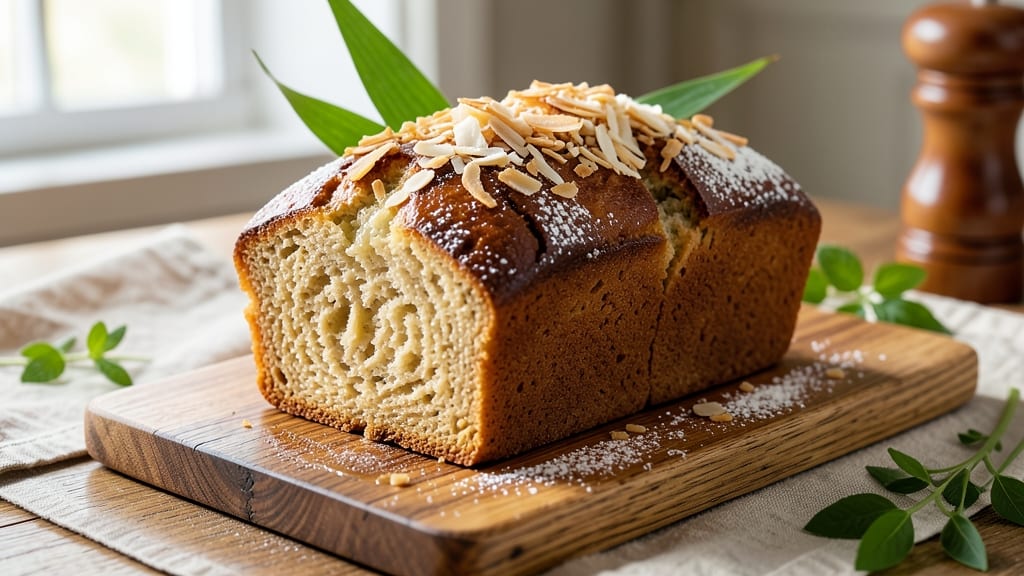
This Asian coconut bread recipe transforms your kitchen into a tropical escape with every slice. 🌺 The secret lies in blending traditional yeast bread techniques with Southeast Asian flavors—think toasted coconut, pandan leaf, and a hint of citrus zest that brightens every bite.
I developed this recipe after years of testing, ensuring the perfect balance of soft, fluffy crumb and a delicate, fragrant aroma that lingers long after baking.
The magic starts with a simple dough enriched with shredded coconut and infused with pandan extract, giving it that signature floral note without overpowering the natural sweetness.
Unlike dense tropical breads, this version rises beautifully for a tender, airy texture—ideal for breakfast or as a dessert when drizzled with honey or dusted with powdered sugar. The optional matcha or ube variations add modern twists while keeping the traditional essence intact.
What makes this recipe stand out is its versatility—serve it warm with butter, toast it for a quick breakfast, or slice it thin for finger sandwiches. The aroma alone will have everyone gathering around your kitchen, and the first bite delivers that perfect harmony of coconut, citrus, and warm spice.
Perfect for brunch gatherings or a cozy weekend treat, this bread is as comforting as it is impressive.
Ready in just 3 hours (including proofing), this recipe delivers restaurant-quality results with minimal effort. The key steps—kneading, proofing, and baking—are straightforward, but the flavor payoff is extraordinary. Let’s get started on creating your own tropical masterpiece.
Ingredients for asian coconut bread
Twelve tropical ingredients that transform simple flour into aromatic coconut bread heaven.
| Ingredient | Amount | Notes |
|---|---|---|
| All-Purpose Flour 🌾 | 4 cups | Spooned and leveled, not packed |
| Granulated Sugar 🍚 | ½ cup | White or light brown |
| Instant Yeast 🍞 | 2 ¼ tsp | Single-use packet preferred |
| Unsalted Butter 🧈 | ½ cup | Cold, cubed for easier mixing |
| Shredded Coconut 🥥 | 1 ½ cups | Sweetened, unsweetened both work |
| Pandan Extract 🌿 | 1 tsp | Or pandan leaf paste if preferred |
| Large Eggs 🥚 | 1 whole | Room temperature for best mixing |
| Milk 🥛 | ½ cup | Whole milk for richer flavor |
| Lemon Zest 🍋 | 1 tbsp | From organic lemon preferred |
| Salt 🧂 | ½ tsp | Diamond Crystal kosher salt |
| Pandan Leaf 🌿 | 1 whole | Fresh, for optional infusion |
| Powdered Sugar 🍚 | ¼ cup | For dusting finished bread |
| Honey 🍯 | 2 tbsp | Optional drizzle for serving |
The coconut is the star here, so grab the sweetened shredded kind from Trader Joe's or Costco—they toast it perfectly. For pandan, Asian markets carry the extract in tiny bottles, but a single leaf from the produce section works too (just steep it in warm milk). The butter matters—use Plugrá or Land O'Lakes for that rich, clean flavor. I always double-check the yeast packet date; nothing ruins a recipe like old yeast. Fresh pandan leaves? Look for vibrant green ones at the market—no yellowing or browning.
No pandan extract? Vanilla extract at half the amount gives a similar floral note. Sweetened coconut too expensive? Unsweetened works too, just add 1 tbsp sugar to the dough. Out of whole milk? Oat or almond milk changes texture slightly but still works. The lemon zest can be zested fresh or swapped for 1 tsp lemon juice plus 1 tsp sugar. For an extra tropical kick, add 1 tsp orange zest too. Pre-shredded coconut? Toast it first—5 minutes in a dry pan until golden—it makes all the difference.
Store the dough in the fridge for up to 24 hours if prepping ahead—it develops more flavor. Once baked, keep whole loaves wrapped in a clean kitchen towel for 3 days at room temp. For longer storage, slice and freeze portions—3 months works perfectly. The best part? This bread reheats beautifully—30 seconds in the microwave brings back that fresh-from-the-oven aroma. Leftovers? Toast them for breakfast—game-changer.
Why You'll Love This Recipe
- You’re using pantry basics: flour, sugar, butter, and coconut. No specialty ingredients, no markup—just pure, reliable comfort that costs less than takeout but tastes like a treat. Plus, it keeps for days.
- No Yeast Fuss: I swear by this dough—just mix, knead once, and let it rise while you sip tea. No waiting hours or fussing with proofing; that instant yeast gets the job done in 30 minutes flat.
- Tropical Buttercream Magic: The moment you slice into that golden crust and hit that tender crumb studded with coconut? It’s like biting into a cloud with a hint of caramelized sugar. Honestly, the butter and shredded coconut make every bite feel like a little vacation.
- Breakfast or Dessert: Serve it warm with jam for a lazy Sunday morning, or toast a slice with peanut butter for an afternoon pick-me-up. My kids even sneak bites straight from the pan—no judgment here.
Step-by-step instructions for Asian coconut bread
This tropical bread delivers rich pandan flavor and perfect texture—let's make it together!
👨🍳 Step 1: Activate the Yeast and Mix Wet Ingredients
In a small bowl, combine the 0.5 cup milk, 1 tbsp lemon zest, and 2.25 tsp instant yeast. Let it sit for 5 minutes until frothy—this confirms your yeast is active. If it doesn't bubble, start over with fresh yeast.
In a large bowl, whisk together the 1 whole large egg and 0.5 cup granulated sugar until smooth. Add the 0.5 cup unsalted butter (cold and cubed) and mix until just combined. This creates a creamy base that will incorporate beautifully with the dry ingredients.
👨🍳 Step 2: Combine Dry Ingredients and Fold in Coconut
In a separate bowl, whisk together the 4 cups all-purpose flour, 0.5 tsp salt, and 1 tsp pandan extract. If using, tear the 1 whole pandan leaf and add it to the flour mixture for extra aroma. Gradually add this dry mixture to your wet ingredients, mixing just until combined.
Gently fold in the 1.5 cups shredded coconut using a silicone spatula. The coconut should be evenly distributed but not overmixed—you want to preserve those little pockets of coconut flavor in every bite. Here's the thing—don't worry if it looks slightly uneven. The coconut will distribute as you knead.
🔥 Step 3: Knead Until Smooth and Elastic
Turn the dough onto a lightly floured surface and knead for 8-10 minutes until smooth and elastic. You'll know it's ready when it springs back slowly when poked. If the dough feels sticky, add 1 tbsp flour at a time until it's just right.
Here's where the magic happens: the kneading develops gluten, which gives your bread that perfect chewy texture. Don't skip this step—under-kneaded dough will result in dense bread. Wrap the dough in plastic wrap and let it rise in a warm place for 1 hour or until doubled in size.
🔪 Step 4: Shape and Second Rise for Perfect Texture
Punch down the risen dough and divide it into 12 equal portions (about 3 ounces each). Roll each portion into a 1-inch thick log and place them in a 9x13-inch baking pan, spacing them about 1 inch apart. Cover with a clean kitchen towel and let rise for another 30 minutes.
This second rise is crucial—it ensures your bread has that light, airy texture. Look for the dough to puff up noticeably. If your kitchen isn't warm enough, place the pan near a turned-on oven light to help it rise faster.
🔥 Step 5: Bake to Golden Perfection
Preheat your oven to 350°F. Brush the tops of the bread logs with 2 tbsp honey for a beautiful glaze. Bake for 25-30 minutes until the tops are golden brown and the internal temperature reaches 190°F.
Watch carefully in the last 5 minutes—the bread should be golden but not too dark. If it browns too quickly, tent with foil. Remove from the oven and immediately dust with 0.25 cup powdered sugar while still warm for that classic finish. Let cool for 10 minutes before slicing—this prevents crumbs and lets the flavors settle.
Pro Tips For Making Asian Coconut Bread
- SOAK THE COCONUT: Dump that shredded coconut in warm water for 10 minutes first—it plumps up and clings to the dough better. I used to skip this and end up with dry, clumpy bits that sank to the bottom like a sad, soggy raft.
- DON’T OVERMIX THE DOUGH: Once the yeast and butter are folded in, stop after 2-3 gentle turns with a spatula. Overworking it makes the bread dense and gummy, and that’s the last thing you want with coconut bread’s delicate texture.
- TEST THE YEAST HOT: Proof your yeast in warm water (105-110°F) for 5 minutes before adding it to the wet ingredients. Cold water kills it, and dead yeast means a flat, sad loaf—no one wants that.
- BUTTER SHOULD BE SOFT, NOT MELTED: Whip the butter until it’s creamy but still holds shape—like when you press your thumb into it and it leaves a slight indent. Melted butter makes the dough greasy and hard to handle, and the bread turns out greasy too.
Flavor customization for this dish
Pandan Variations
For a more authentic Southeast Asian flavor, boost the pandan with ½ tsp pandan leaf paste mixed into the wet ingredients. This intensifies the floral aroma without overpowering. If you can't find pandan extract, vanilla extract (½ tsp) works in a pinch—it adds sweetness but lacks the unique grassy note.
For a modern twist, try ½ tsp matcha powder blended into the dry ingredients for an earthy, vibrant green hue. 🌿
Spiced Coconut Twist
Add warmth by mixing ½ tsp cinnamon and ¼ tsp cardamom into the dry ingredients. These spices complement the coconut beautifully and add depth. For a tropical kick, fold in 1 tbsp toasted coconut flakes (toasted in a dry pan for 3-4 minutes) along with the shredded coconut.
This extra layer of flavor makes every bite more complex.
Citrus Zest Boost
Brighten the flavor profile with 1 tbsp orange zest in addition to the lemon zest. The citrus notes enhance the coconut’s natural sweetness and create a refreshing contrast.
For a tangier finish, add 1 tsp lime juice to the wet ingredients. This adjustment is especially effective if your coconut isn’t sweetened—it balances the flavors perfectly. 🍋
Sweetness Adjustments
If you prefer a sweeter bread, increase the granulated sugar to ¾ cup and reduce the honey glaze to 1 tbsp. For a less sweet version, cut the sugar to ⅓ cup and add 1 tsp vanilla extract to enhance the coconut flavor.
The powdered sugar dusting can also be adjusted—use ¼ cup for a lighter finish or ½ cup for a more decadent look.
Modern Fusion Ideas
Incorporate 1 tbsp ube halaya (purple yam jam) into the wet ingredients for a vibrant purple hue and caramel-like sweetness. This Filipino-inspired twist adds a unique flavor that pairs beautifully with coconut.
For a chocolate twist, fold in 2 tbsp cocoa powder with the dry ingredients and drizzle with melted dark chocolate after baking. These variations keep the bread’s tropical essence while adding exciting new dimensions. ✨
Nutrition facts
Frequently asked questions
Can I make this bread without pandan extract?
If you can't find pandan extract, use ½ tsp vanilla extract for sweetness or ½ tsp matcha powder for an earthy twist. For a more authentic flavor, try infusing warm milk with a fresh pandan leaf (steep for 10 minutes), then strain and use it in place of regular milk.
How do I store leftover coconut bread?
Wrap the whole loaf in a clean kitchen towel to keep it soft for 3 days at room temperature. For longer storage, slice and freeze portions for up to 3 months. To reheat, microwave slices for 20-30 seconds or toast until golden for that fresh-from-oven aroma.
Why did my bread turn out dense instead of fluffy?
Dense bread usually means under-kneaded dough or cold ingredients. Knead for the full 8-10 minutes until elastic, and ensure your butter and milk are room temperature. Also check your yeast—if it didn't bubble in the 5-minute activation test, replace it with fresh yeast.
Can I use almond milk instead of dairy milk?
Yes, but expect a slightly different texture. Almond milk works, though it may make the bread less tender. For best results, use ½ cup whole milk (or oat milk) and add 1 tbsp melted butter to compensate for the fat difference. The flavor impact is minimal, but the texture will stay closer to the original recipe.
What's the best way to serve this bread?
Warm slices with butter make a perfect breakfast, or serve with tea/coffee for brunch. For dessert, drizzle with honey or dust with powdered sugar. It also works beautifully as a base for tropical fruit salads or as a side for curries—its soft texture soaks up flavors perfectly.