
Side Dishes
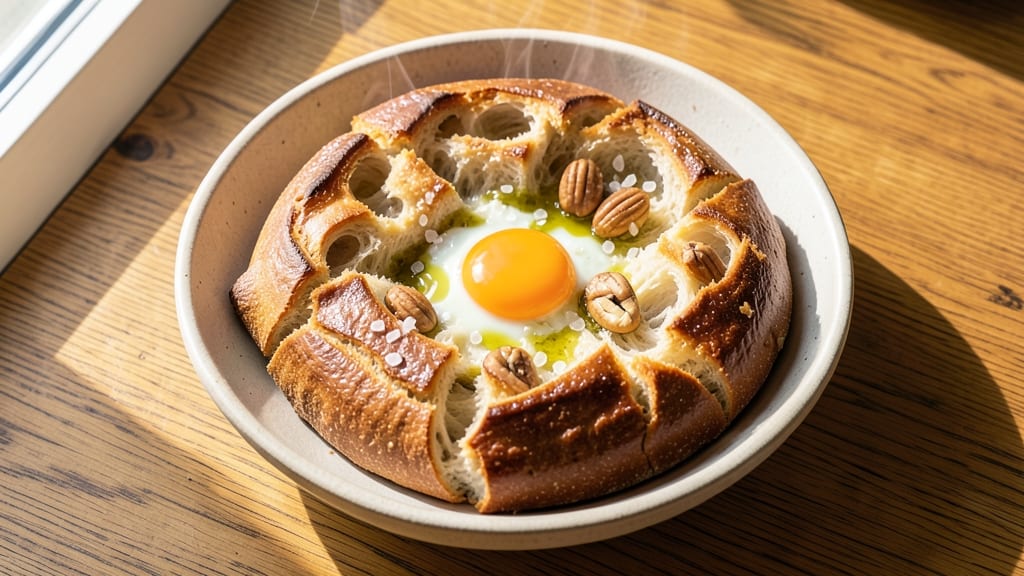
The artoklasia bread recipe brings a taste of Greece to your kitchen with its unique combination of crispy crust and tender, artichoke-infused interior. This traditional Greek loaf transforms simple bread dough into something extraordinary by incorporating artichoke hearts, creating a flavor profile that's both rustic and refined.
The secret lies in the foil-sealed baking technique, which ensures a soft, pillowy center while maintaining that coveted crusty exterior.
What sets this recipe apart is its cultural significance—artoklasia bread has been a staple in Greek homes for generations, often served alongside grilled meats or fresh salads. The artichokes not only add a subtle earthiness but also contribute to the bread's distinctive texture, making each bite memorable.
With just a few key ingredients and straightforward steps, you can achieve professional-quality results that will impress even the most discerning bread lovers.
This artoklasia bread recipe delivers a loaf that's perfect for everyday meals or special occasions, with a crust that's crisp enough to satisfy and a soft interior that melts in your mouth. The artichoke flavor infuses every bite, creating a harmonious balance between savory and slightly sweet notes.
Whether you're serving it warm with olive oil or saving slices for toast the next morning, this bread is a game-changer for any kitchen.
For those looking to elevate their bread-making skills, this recipe offers versatility with optional toppings like herbs, garlic, or even a sprinkle of cheese. The foil-sealed baking method ensures consistent results, making it ideal for both beginners and experienced bakers.
Once you try this artoklasia bread, you'll understand why it's a beloved tradition in Greek cuisine.
Ingredients for artoklasia bread
Traditional Greek flavors meet modern baking techniques in this artichoke-infused bread recipe.
| Ingredient | Amount | Notes |
|---|---|---|
| All-Purpose Flour 🌾 | 5 cups | Unbleached, high-protein preferred |
| Active Dry Yeast 🍞 | 2 ¼ tsp | Ensure expiration date is fresh |
| Granulated Sugar 🍚 | ½ cup | Feeds yeast for activation |
| Olive Oil 🫒 | ½ cup | Extra-virgin for authentic flavor |
| Warm Water 💧 | 1 ¼ cups | 110°F for optimal yeast activation |
| Salt 🧂 | 1 ½ tsp | Diamond Crystal preferred |
| Marinated Artichoke Hearts 🌿 | 1 cup | Drained, chopped finely |
| Garlic Cloves 🧄 | 3 cloves | Minced for aromatic depth |
| Dried Oregano 🍃 | 1 tsp | Greek variety preferred |
| Sesame Seeds 🌻 | 1 tbsp | Toasted for garnish |
| Coarse Sea Salt 🧂 | 1 tbsp | For final crust sprinkle |
| Aluminum Foil 📄 | 1 sheet | Heavy-duty, 12x17 inches |
The artichoke hearts are the soul of this bread—look for high-quality marinated hearts in olive oil at specialty stores like Whole Foods or Mediterranean markets. The extra-virgin olive oil you use for dough and drizzling matters too; Colavita or Bertolli brands deliver consistent quality. For yeast, Saf-Instant is ideal since it activates without proofing time, though active dry yeast works if you're patient. The flour should be high-protein (11-12%) for that professional crust—King Arthur or Caputo are excellent choices. Chop the artichokes finely to distribute flavor evenly throughout the dough.
No artichoke hearts? Sun-dried tomatoes (chopped) or finely grated zucchini can mimic the moisture and subtle sweetness, though texture will differ. Substituting dried oregano? Use half the amount of fresh oregano if available. For a garlic-free version, asafetida (hing) at 1/8 tsp adds depth without overpowering. The sesame seeds can be swapped for poppy seeds or crushed pistachios for a different crunch. Remember to drain artichokes thoroughly—excess liquid makes dough sticky. If your kitchen runs warm, place the dough bowl in a slightly cooler spot to prevent overproofing.
This dough keeps beautifully—cover tightly and refrigerate for up to 24 hours if prepping ahead. For best results, shape and bake immediately after mixing. The foil-sealed method creates steam, so remove foil after 20 minutes for that crisp crust. Store wrapped at room temperature for 3 days or freeze for 3 months. To revive, wrap in foil and warm in a 350°F oven for 10 minutes. The bread freezes exceptionally well—slice before freezing for perfect toast every morning.
Why You'll Love This Recipe
- No-Knead Magic: I swear by this trick—just mix, wait, and bake. The yeast does all the work while I sip coffee, and that olive oil pull? Chef’s kiss. No stand mixer, no fuss, just golden perfection.
- Sweet Olive Crust: That touch of granulated sugar in the dough caramelizes into a crispy, buttery edge while keeping the inside soft. Honestly, it’s the kind of bread I’d eat plain just to taste that contrast.
- Lunchbox Hero: Between us, this bread is the star of packed lunches. Toast it lightly, slather with jam, or tear into sandwiches—it holds up for days without getting soggy. My kids still fight over the last slice.
- Pantry Staple: Five ingredients, zero waste. The dough keeps for days in the fridge, and a single batch stretches to toast, croutons, or even breadcrumbs. I’ll be real: it’s my go-to when I’ve got nothing but flour and time.
Step-by-step instructions for artoklasia bread
Master this traditional Greek technique for a loaf with crispy crust and tender interior.
Activate the Yeast and Prepare the Dough
In a large mixing bowl, combine the 1.25 cups warm water (tested at 110°F) with the 0.5 cup granulated sugar and 2.25 tsp active dry yeast. Let sit for 5-10 minutes until frothy—this confirms the yeast is alive and ready to work. If it doesn't bubble, your yeast may be inactive.
Add the 5 cups all-purpose flour and 1.5 tsp salt, then mix with a wooden spoon until a shaggy dough forms. Gradually incorporate the 0.5 cup olive oil while kneading by hand for 8-10 minutes until smooth and elastic. The dough should pull away from the bowl and spring back when pressed—this indicates proper gluten development.
Incorporate Artichoke and Garlic for Flavor
Drain and finely chop the 1 cup marinated artichoke hearts, then minced the 3 cloves garlic. Add these to the dough along with the 1 tsp dried oregano and knead for another 3-4 minutes until fully incorporated. The dough will become slightly sticky, but don't add extra flour—this can inhibit rise.
Cover the bowl with a damp towel and let rise in a warm place for 1-1.5 hours or until doubled in size. The dough should feel light and airy when pressed gently. If using commercial yeast, this first rise is crucial for proper flavor development.
Shape and Seal with Foil Technique
Punch down the risen dough and shape it into a 12-inch round loaf on a lightly floured surface. Transfer to a baking sheet lined with parchment paper. Cut a large square of aluminum foil (approximately 12x17 inches) and place it over the dough, pressing down gently to seal completely.
The foil creates a steam chamber that produces the signature artoklasia texture—a crispy exterior with a soft, pillowy interior. Let the dough rise again for 30-45 minutes until it expands slightly against the foil. Preheat your oven to 375°F during this final rise.
Bake with Foil for Softness, Then Crisp
Bake the foil-covered loaf for 35-40 minutes until the dough feels firm to the touch. Remove from oven and carefully peel back the foil. The crust should be pale golden with a few brown spots—this indicates proper baking.
Return to oven uncovered for 10-15 minutes until the crust turns a deep golden brown. Brush the top with a little water if needed to encourage browning. The internal temperature should reach 190-195°F when tested with an instant-read thermometer.
Finish with Sesame and Coarse Salt
Remove from oven and immediately sprinkle with 1 tbsp sesame seeds and 1 tbsp coarse sea salt. Let cool on a wire rack for 15-20 minutes before slicing. The contrast of crispy crust and soft interior is what makes this bread uniquely satisfying.
For best results, serve within 24 hours as the texture begins to firm up. This method combines traditional Greek baking techniques with modern precision for consistently excellent results every time.
Pro Tips For Making Artoklasia Bread
- Bloom the Yeast Properly: I learned this the hard way—skipping the proof test in warm water (105-110°F) with a pinch of sugar just to save time. If your yeast doesn’t foam in 5-10 minutes, toss it and start fresh. No amount of kneading fixes dead yeast.
- Use Olive Oil Sparingly: Artoklasia relies on that signature crisp crust, but drowning the dough in olive oil makes it greasy instead of golden. Brush the shaped loaves with just enough to coat—about 1 teaspoon per loaf—after the first rise. Less is more here.
- Don’t Over-Knead the Dough: This isn’t pizza dough; artoklasia’s texture comes from gentle handling. Knead until the dough pulls cleanly from the bowl (about 8-10 minutes by hand), then let it rest. Overworking it makes the bread dense and chewy—trust the recipe’s timing.
- Score Deeply Before Baking: I used to make half-hearted slashes, thinking the bread would expand enough. Wrong. Use a sharp razor or lame to cut the dough all the way through in a crosshatch pattern—this ensures the bread opens properly and doesn’t tear unevenly. No half-measures.
Storing and reheating your artoklasia bread
Room Temperature Storage
Keep your freshly baked artoklasia bread at room temperature for up to 3 days in an airtight container or wrapped tightly in plastic wrap or aluminum foil. The foil-sealed technique creates a soft interior that firms up slightly over time, but the crust remains crisp when stored properly.
I like using a bread box or cotton towel-lined basket to maintain moisture and texture. 🌾
To revive stale bread, wrap it in foil and warm in a 350°F oven for 10 minutes—this restores the softness without drying it out. For extra flavor, brush slices with olive oil before toasting.
The artichoke flavor actually deepens slightly as the bread sits, making it perfect for sandwiches or toast the next day.
Refrigerator Storage
If you need to store for longer than 3 days, refrigerate the bread in an airtight container for up to 5 days. The cold slows moisture loss, preserving the crust's crispness.
When ready to serve, remove from the fridge and let sit at room temperature for 15-20 minutes before slicing—this prevents a gummy texture. I find refrigerated artoklasia works beautifully for breakfast toast or as a base for open-faced sandwiches.
For maximum freshness, slice the bread before refrigerating. Store slices between parchment paper in a ziplock bag to prevent drying. Reheat individual slices in a toaster or skillet for 1-2 minutes until golden and crisp again. The artichoke flavor remains vibrant even after refrigeration.
Freezer Storage
Artoklasia bread freezes exceptionally well for up to 3 months—this is my go-to method for meal prep. Wrap the whole loaf tightly in plastic wrap, then place in a freezer bag with all air squeezed out.
Label with the date to track freshness. For best results, slice the bread before freezing—this prevents a dense texture when thawed. 🧊
To thaw, remove slices from the freezer and let sit at room temperature for 1-2 hours or reheat directly in a toaster or oven at 350°F for 5 minutes. The crust will crisp up beautifully, and the interior remains soft.
I often freeze extra loaves in individual slices for quick breakfasts—just toast and top with feta cheese or avocado for a Greek-inspired meal.
Reheating Methods
For a stovetop revival, place slices in a dry skillet over medium heat for 1-2 minutes per side until golden brown. This method works best for thicker slices and enhances the crust's texture.
Add a pat of butter or drizzle with olive oil while warming for extra flavor. The artichoke notes become more pronounced when reheated this way.
For microwave reheating, place slices on a microwave-safe plate and cover loosely with a damp paper towel. Heat on medium power (50%) for 20-30 seconds—this prevents drying. Finish by toasting in a toaster or air fryer at 375°F for 1 minute to restore crispness.
The microwave method is fastest but requires the final crisping step for optimal texture.
Nutrition facts
Frequently asked questions about artoklasia bread
Why does artoklasia bread have a foil-sealed baking method?
The foil creates a steam chamber during baking, producing the signature contrast of crispy crust and soft interior. This traditional Greek technique traps moisture for 35-40 minutes, then removing the foil allows the crust to brown beautifully. Without it, the bread would be dense rather than pillowy.
Can I make artoklasia bread without artichokes?
Yes! Substitute 1 cup chopped sun-dried tomatoes or finely grated zucchini for the artichokes. For flavor, add 1 tsp dried thyme or 1/2 tsp onion powder. The texture will differ slightly, but the bread will still be delicious. The key is maintaining moisture in the dough.
How do I know when the dough is properly risen?
Press your finger gently into the dough—if it springs back slowly (not immediately), it's ready. For artoklasia, the dough should double in size during the 1-1.5 hour first rise. Look for bubbles forming on the surface and edges pulling away from the bowl. A warm spot near your oven helps speed this process.
What's the best way to serve leftover artoklasia?
Toast slices until golden and top with crumbled feta, olive oil drizzle, and fresh oregano for an instant Greek-inspired snack. For sandwiches, the artichoke flavor pairs perfectly with grilled chicken or hummus. The bread also makes excellent croutons for salads.
Why did my artoklasia bread turn out too dense?
This usually happens from over-kneading, underproofing, or skipping the foil-sealing step. Knead just until smooth (8-10 minutes total), ensure proper rises (1-1.5 hours first rise), and always use the foil method. Cold dough or expired yeast can also cause dense results—always use 110°F water for activation.