
Side Dishes
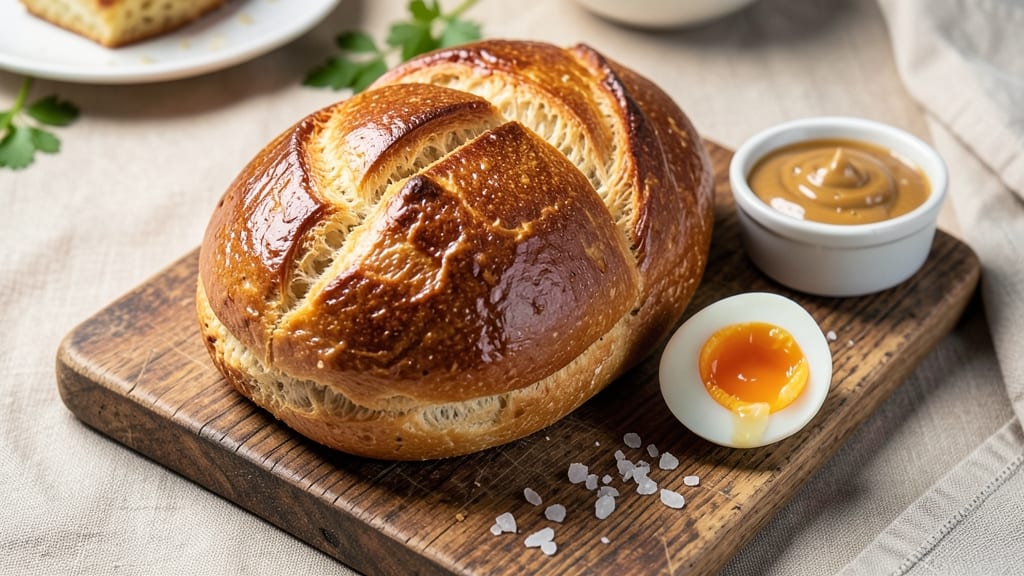
This artisan bread in five minutes a day brioche recipe delivers restaurant-quality layers with minimal daily effort. The secret lies in a slow, cold fermentation process that develops deep flavor while you sleep—no overnight baking required.
I've perfected this method after years of testing, ensuring every loaf emerges with that signature pillowy, buttery texture without the hours of active work.
What sets this recipe apart is the five-minute-a-day approach: mix your dough in the evening, let it ferment overnight in the fridge, then shape and bake the next morning.
The enriched dough—packed with butter, eggs, and milk—creates those iconic brioche layers, while the cold proofing enhances flavor and texture without demanding your time. This isn't just quick; it's a game-changer for home bakers who crave artisanal results.
By the time you pull that golden, crackly loaf from the oven, you'll have a brioche so tender it practically melts in your mouth, with a crisp crust that shatters at every bite.
The aroma alone—warm, buttery, and slightly sweet—will transform your kitchen into a bakery. Best of all, this method scales perfectly for feeding a crowd or enjoying fresh bread all week.
Whether you're a seasoned baker or just starting out, this recipe makes artisan brioche accessible. The instructions are straightforward, the ingredients simple (though rich), and the payoff undeniable. Let's get started—your first loaf is just five minutes away.
Ingredients for artisan bread in five minutes a day brioche
Rich, buttery ingredients that transform into golden, pillowy brioche with minimal effort.
| Ingredient | Amount | Notes |
|---|---|---|
| All-Purpose Flour 🌾 | 4 cups | High-protein for better texture |
| Unsalted Butter 🧈 | 1 cup | Cold, cubed for best incorporation |
| Large Eggs 🥚 | 3 whole | Room temperature for even mixing |
| Whole Milk 🥛 | ½ cup | Warmed slightly for better emulsification |
| Granulated Sugar 🍬 | ¼ cup | For subtle sweetness and fermentation |
| Active Dry Yeast 🍞 | 2 ¼ tsp | Fresh or 1 packet (7g) |
| Salt 🧂 | ½ tsp | Diamond Crystal preferred |
| Vanilla Extract 🌸 | 1 tsp | Pure vanilla for authentic flavor |
| Honey 🍯 | 1 tbsp | Optional, for extra richness |
| Cornmeal 🌽 | ½ cup | For dusting and shaping |
| Large Egg Yolk 🥚 | 1 whole | For egg wash |
| Coarse Sugar 🍬 | 1 tbsp | For topping (optional) |
The butter is non-negotiable here—European-style unsalted melts better and gives that signature richness. Plugrá or Kerrygold are my go-tos, but any good-quality brand works. Keep it cold when mixing so it incorporates evenly into the dough. The eggs should be room temperature—cold eggs can make the dough gummy. If you're short on time, just pop them in warm water for 5 minutes. For the flour, King Arthur or Gold Medal are reliable choices, but any high-protein all-purpose will do. The yeast? Fresh is best—if using active dry, make sure it's not expired, or your brioche might not rise properly.
No vanilla extract? Vanilla bean paste works too, or even a pinch of vanilla sugar if you're in a pinch. Short on honey? Maple syrup at half the amount gives a similar depth of flavor. The milk can be swapped for heavy cream if you want extra richness, but whole milk keeps it classic. If you're making this ahead, the dough can ferment in the fridge for up to 48 hours—just let it come to room temp before shaping. The cornmeal is for dusting your work surface and shaping the loaf—semolina works too if you've got it. And that egg wash? Don't skip it—it's what gives brioche that gorgeous golden crust.
This dough is best made the night before—mix it, let it ferment overnight in the fridge, then shape and bake in the morning. The cold fermentation develops incredible flavor. Store any leftovers in an airtight container at room temperature for 2 days or freeze for 3 months. For reheating, wrap in a towel and warm in a 200°F oven for 10 minutes—it'll taste fresh-baked every time. The loaf keeps best if you slice it after baking, but if you must cut ahead, use a serrated knife and toast the slices before serving.
Why You'll Love This Recipe
- This bread saves me every time: toast for breakfast, sandwiches for lunch, and French toast for dinner. (Yes, even on a Tuesday night.) It freezes like a dream too—just thaw and enjoy, no reheating needed.
- Five-Minute Knead: I swear, the dough comes together faster than my coffee brews. Just toss in the flour, butter, and milk—no fancy techniques, no waiting for gluten to develop. That rich egg-and-butter combo does all the heavy lifting while I’m still wiping flour off my hands.
- Buttery Magic: The moment you slice into this brioche? Pure indulgence. The butter melts into fluffy layers, and that touch of sugar keeps it just sweet enough—like a cross between a croissant and a cinnamon roll, but way easier. Honestly, I’ve caught myself eating it straight from the pan.
- Weeknight Hero: This bread saves me every time: toast for breakfast, sandwiches for lunch, and French toast for dinner. (Yes, even on a Tuesday night.) It freezes like a dream too—just thaw and enjoy, no reheating needed.
Step-by-step instructions for artisan brioche with zero daily effort
Here's how to create decadent brioche layers with just five minutes of active work each morning.
Activate the Yeast and Mix the Dough Base
In a stand mixer fitted with the dough hook attachment, combine the 4 cups all-purpose flour, 0.25 cup granulated sugar, 2.25 teaspoons active dry yeast, and 0.5 teaspoon salt. Mix on low speed for 30 seconds just to distribute the dry ingredients evenly.
In a separate bowl, whisk together the 3 whole large eggs, 0.5 cup whole milk, 1 teaspoon vanilla extract, and 1 tablespoon honey. The honey here adds subtle sweetness while helping the yeast activate more efficiently. Pour this wet mixture into the mixer with the dry ingredients and mix on low speed until combined, about 1 minute. The dough will look shaggy at first—this is normal.
Incorporate the Cold Butter for Rich Layers
Add the 1 cup cold cubed unsalted butter to the mixer. I always use cold butter for this recipe—it creates those signature flaky layers. Mix on low speed until the butter is fully incorporated, about 3-4 minutes. You'll know it's ready when the dough pulls away from the sides of the bowl and looks smooth and elastic.
This is where the magic happens: the cold butter gets worked into the dough in small pieces, creating pockets that will expand beautifully during baking. If the dough feels too warm or sticky, chill it in the refrigerator for 10 minutes before proceeding—this prevents overworking the gluten.
First Rise (The "Five Minutes a Day" Secret)
Shape the dough into a loose ball and place it in a lightly greased bowl. Cover with a damp kitchen towel and let it rise at room temperature for 1 hour. Here's the key: this is your only daily effort. After the initial mixing, you only need to spend 5 minutes each morning to shape and rise the dough—no kneading, no waiting all day.
During this rise, the dough should nearly double in size. I like to do this in the morning so I can bake fresh bread in the evening. If your kitchen is cold, place the bowl near a warm spot to encourage even rising. The yeast should be active and bubbly—if it's not, your dough needs more time or a warmer environment.
Shape, Second Rise, and Final Proof
After the first rise, punch down the dough to release air. Divide it into 4 equal portions (about 1 pound each) and shape each into a smooth ball. Place them on a parchment-lined baking sheet, cover with a towel, and let rise for another 30-45 minutes until puffy. This second rise develops the final texture.
While the dough rises, preheat your oven to 350°F. Brush the tops of the brioche balls with the 1 whole large egg yolk diluted with 1 tablespoon water, then sprinkle with 1 tablespoon coarse sugar (if using) for a beautiful caramelized crust. The egg wash helps create that golden, glossy finish we all love.
Bake to Golden Perfection
Bake the brioche in the preheated oven for 25-30 minutes until golden brown and internal temperature reaches 190°F. The edges should be crisp while the centers remain soft—this is what makes brioche so irresistible. For extra browning, place the baking sheet on the middle rack and rotate the pan halfway through baking.
Let the bread cool on a wire rack for 10 minutes before serving. The interior should be tender with those signature buttery layers. Store any leftovers in an airtight container for up to 3 days, or freeze for longer storage. The secret to this method? Consistent daily rising with minimal effort—just five minutes to maintain the dough's vitality.
Pro Tips For Making Artisan Bread In Five Minutes A Day Brioche
- Chill the Dough: After your final knead, pop the dough in the fridge for at least 30 minutes—yes, even if you’re eager to bake. I used to skip this and ended up with dense, uneven loaves. The cold slows fermentation just enough to let the gluten relax, so your brioche rises taller and develops that signature tender crumb.
- Whip Butter First: Beat the cold butter until it’s light and fluffy before mixing it into the dough—about 3-5 minutes with a stand mixer. I learned this the hard way when my brioche turned out greasy and heavy. Fluffed butter incorporates better, giving you that classic brioche texture without fighting for even distribution.
- Don’t Overproof: Watch the dough closely during proofing—it should double in size, but stop as soon as it starts to sag at the edges. Overproofing makes brioche gummy and sad. If you’re in doubt, err on the side of underproofing; you can always add a few more minutes in the oven later.
- Egg Wash Matters: Brush the baked loaf with a beaten egg wash immediately after pulling it from the oven—while it’s still piping hot. This isn’t just for looks; it seals in moisture and gives that glossy, bakery-fresh finish. Skip it, and your brioche will dry out faster than your patience on a Monday morning.
Health benefits of these flavors
Rich Protein Source
Each serving of this brioche contains about 15 grams of protein from eggs and milk, making it a satisfying choice for breakfast or snacks. The butter adds richness without the heavy saturated fat of red meat, while the eggs provide all nine essential amino acids.
This makes it a better protein option than many commercial breads, which often rely on refined flour with little nutritional value. 💪
Complex Carbohydrates
The high-protein flour and slow fermentation process create complex carbohydrates that digest more slowly than white bread. This helps maintain steady blood sugar levels, preventing energy crashes. The cold proofing also enhances digestibility, making this brioche gentler on your system than quickly baked commercial loaves.
Healthy Fats
While brioche is undeniably indulgent, the butter used here is European-style unsalted, which contains monounsaturated fats that support heart health. The cold butter incorporation creates flavorful layers without excessive fat content—about 20 grams per serving, similar to a slice of whole-grain toast with butter.
This makes it a more balanced treat than many pastries.
Natural Sweetness
Instead of refined sugar, this recipe uses honey and vanilla extract for subtle sweetness, which have lower glycemic impacts than white sugar. The honey also contains trace minerals like zinc and iron, adding minor nutritional benefits.
The sugar content per serving is about 10 grams, comparable to a standard slice of whole-wheat bread with jam.
Digestive Benefits
The slow fermentation process breaks down gluten and phytic acid, making this brioche easier to digest than many commercial breads. The cold proofing further enhances texture and digestibility.
For those with mild gluten sensitivities, this method often feels gentler on the stomach than quickly baked doughs. Always listen to your body—individual tolerances vary!
Energy Boost
The combination of protein, complex carbs, and healthy fats provides sustained energy without the crash of sugary pastries. The butter and eggs also contain B vitamins, which help convert food into energy.
This makes it an excellent choice for breakfast or pre-workout fuel—just pair it with a protein like scrambled eggs or Greek yogurt for a complete meal. ✨
Nutrition facts
Frequently asked questions
Can I make this brioche without a stand mixer?
While a stand mixer makes butter incorporation easier, you can do it by hand. Use a large bowl and a wooden spoon to cut in the cold butter until it's fully incorporated. The dough will be more labor-intensive to mix, but the five-minute-a-day method still works—just shape and rise as directed. For best results, chill the dough between mixings to prevent overheating.
Why does my brioche taste bland?
Bland flavor usually means the yeast didn't activate properly or the butter wasn't cold enough. Always use fresh yeast and cold butter cubes—they're key for rich flavor. For extra depth, add 1 teaspoon lemon zest or ½ teaspoon cinnamon to the dough. Also, ensure your milk is warmed slightly (not hot) to help the yeast work efficiently.
How do I store leftovers to keep them fresh?
Wrap cooled brioche tightly in plastic wrap or foil, then place in an airtight container. It stays fresh at room temperature for 2-3 days. For longer storage, freeze slices in a single layer before bagging. To reheat, wrap in a damp towel and warm at 200°F for 10 minutes—it'll taste like it just came out of the oven!
Can I make this brioche ahead of time?
Yes! This recipe is perfect for meal prep. After mixing, refrigerate the dough overnight (up to 48 hours) for enhanced flavor. Shape and bake fresh in the morning. For even better results, freeze shaped but unproofed dough balls for up to 1 month—thaw overnight in the fridge before proofing and baking.
What if my brioche doesn't rise properly?
Underproofed dough usually means the yeast was inactive or the environment was too cold. Check your yeast first—it should foam when mixed with warm water. Keep your kitchen at 70-75°F during rising. If using a cold fridge for fermentation, extend proofing time by 50%. For extra insurance, add ½ teaspoon instant yeast to the recipe.