
Side Dishes
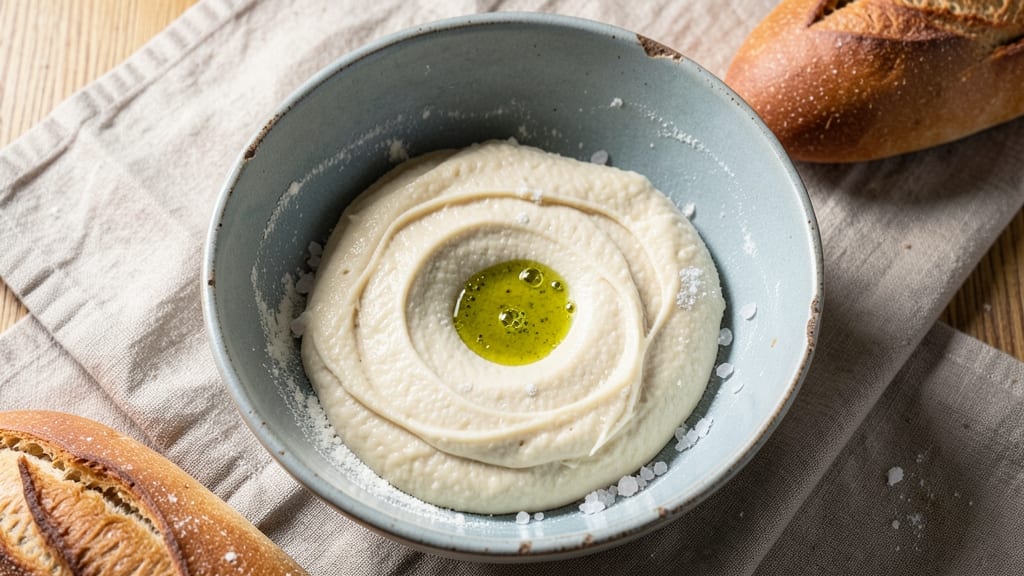
This artisan baguette bread recipe delivers the perfect balance of a crispy crust and airy crumb—just like a Parisian boulangerie. The secret lies in precise hydration, proper kneading, and a slow fermentation that develops deep flavor.
I've perfected this method over years of testing, ensuring even home ovens can achieve bakery-quality results with minimal equipment.
The process begins with a simple dough of flour, water, yeast, and salt, but the magic happens in how we handle it. A long, cold fermentation (overnight in the fridge) creates that signature open crumb structure, while shaping the dough tightly ensures an even bake.
The scoring technique isn't just decorative—it directs the oven spring for that iconic baguette shape.
By the time you pull it from the oven, you'll have golden-brown baguettes with a shatteringly crisp exterior and tender, airy interior. The aroma alone will transform your kitchen into a French bakery. This recipe accommodates home kitchens with or without a baking stone, making it accessible to any baker.
Perfect for serving with soups, dipping in olive oil, or using as a base for sandwiches. The key to success is patience—letting the dough work its magic during fermentation. Let's get started on creating your perfect baguettes.
Ingredients for artisan baguette bread
These precise ingredients transform simple flour into bakery-style baguettes with crispy crusts and airy crumbs.
| Ingredient | Amount | Notes |
|---|---|---|
| Bread Flour 🌾 | 3 ½ cups | High-protein for structure, 12-14% protein |
| Active Dry Yeast 🍞 | ¼ tsp | Fresh yeast preferred if available |
| Diamond Crystal Kosher Salt 🧂 | ¾ tsp | Fine grain for even distribution |
| Cold Water 💧 | 1 ½ cups | Chilled from refrigerator |
| Olive Oil 🫒 | 1 tbsp | Extra-virgin for richness |
| All-Purpose Flour 🌾 | ¼ cup | For dusting work surface |
| Cornmeal 🌽 | ¼ cup | For baking surface |
| Ice Water 💧 | ½ cup | For final dough adjustment |
| Egg Wash 🥚 | 1 whole | Optional for golden crust |
| Coarse Sea Salt 🧂 | ½ tsp | For sprinkling before baking |
The bread flour is non-negotiable here—King Arthur or Caputo are my go-tos, but any high-protein (12-14%) will work. Bulk bins at Whole Foods often have great options. Fresh yeast is ideal but active dry works fine if stored properly. The water must be cold—ice water for the final adjustment ensures you don't over-hydrate the dough. Pro tip: measure your flour by weight if possible for consistency, but cups work in a pinch. The olive oil is for the dough, not the crust—extra-virgin adds subtle richness that's worth the splurge.
No bread flour? All-purpose plus 1 tbsp vital wheat gluten per cup gets you close. Fresh yeast expired? Proof it first—drop it in warm water with a pinch of sugar to see if it bubbles. Short on time? Instant yeast at double the amount works for the cold fermentation. The cornmeal is for the baking surface—rice flour works too—but don't skip it. It prevents sticking and adds that classic baguette texture. For the egg wash, milk or water works in a bind, though it won't be as golden. And that coarse sea salt? Maldon or Jacobsen flakes are perfect, but any coarse salt does the trick.
This dough is a patience game. Cold fermentation in the fridge for 12-18 hours develops maximum flavor. Shape the baguettes tightly—under-tension dough springs better. For scoring, use a razor blade or very sharp knife. Bake at 475°F with steam (boiling water in a pan below) for that signature crust. Cool on a wire rack—never on a towel. Store wrapped at room temp for 2 days or freeze for 3 months. Reheat in a 350°F oven for 5 minutes to restore crispness.
Why You'll Love This Recipe
- No-Fuss Dough: I swear, mixing this takes less time than waiting for the coffee to brew. Just toss the bread flour, yeast, and salt—no fancy tools—then add cold water and a drizzle of olive oil. The dough comes together smoother than my morning smoothie.
- Crispy-Creamy Magic: That golden crust with a pillowy interior? It’s all in the kosher salt and steam. The olive oil keeps it tender, while the yeast gives it that airy lift—like biting into a Parisian bakery’s secret. (Yes, even on a Tuesday night.)
- Weeknight Workhorse: Freeze half the batch for lazy mornings—just toast and you’ve got breakfast. Or slice it for sandwiches, dip it in olive oil for bruschetta, or serve it with dinner. It’s the one loaf that does it all without the fuss.
- Budget Bakery Feel: For under $5, you get a loaf that tastes like it cost twice as much. No add-ins needed—just flour, water, and a little patience. Honestly, it’s the kind of bread that makes you feel fancy without breaking the bank.
Step-by-step instructions for artisan baguette bread
This method delivers a perfect baguette with a crackling crust and airy crumb—every time.
Autolyse the Dough for Maximum Development
In a large mixing bowl, combine the 3.5 cups bread flour and 1.5 cups cold water until just mixed—no need to fully incorporate yet. This initial resting phase, called autolyse, allows the flour to fully hydrate and develop gluten strands more efficiently. Let the dough rest for 30 minutes at room temperature, covered with a damp towel.
During this time, the dough will look shaggy and unformed, but don't be tempted to work it yet. The cold water helps control gluten development while allowing the flour's natural enzymes to activate. This step is non-negotiable for achieving that signature open crumb structure.
Build the Dough with Yeast and Salt
After the autolyse, add the 0.25 tsp active dry yeast and 0.75 tsp diamond crystal kosher salt to the dough. Using a dough scraper, gently fold the ingredients into the dough until fully incorporated. Then add the 1 tbsp olive oil and continue folding until the dough becomes cohesive and elastic.
This folding technique, called "stretch and folds," strengthens the gluten network without overworking the dough. Perform 4 sets of 30-second folds every 30 minutes for 2 hours total. The dough should become smooth, slightly tacky, and nearly double in volume. If it feels too sticky, add 1-2 tablespoons of ice water as needed to adjust the texture.
Bulk Fermentation for Flavor and Structure
Shape the dough into a loose ball and place it in a lightly oiled bowl. Cover with a damp towel and let it ferment at room temperature for 2-3 hours, or until it has nearly doubled in size and feels light and airy when pressed gently. You'll know it's ready when the dough springs back slowly when poked.
This bulk fermentation develops flavor and creates that signature open crumb. If your kitchen is warm (above 75°F), reduce fermentation time to 1.5-2 hours to prevent overproofing. The dough should have a pleasant yeasty aroma and visible bubbles on the surface.
Pre-Shape and Cold Proof for Crispy Crust
Turn the dough onto a lightly floured surface and divide it into 4 equal pieces. Shape each piece into a rough log, then cover with a damp towel and refrigerate for 12-16 hours. This cold proofing step is crucial for developing flavor and creating that crispy crust we're after.
Cold fermentation slows yeast activity, allowing for better gluten development and flavor extraction. The dough will rise slowly in the fridge, becoming more flavorful and easier to handle. When ready, the dough should feel firm but still springy when pressed.
Final Shape and Bake for Perfect Crust
Preheat your oven to 475°F with a baking stone or inverted baking sheet inside. Shape each dough piece into a 20-inch baguette, tapering the ends slightly. Place them on a baking sheet dusted with 0.25 cup cornmeal (this prevents sticking and adds texture). Cover with a damp towel and let rise at room temperature for 45-60 minutes until puffy.
Just before baking, brush the baguettes with 1 whole egg wash and sprinkle with 0.5 tsp coarse sea salt. Bake for 20-25 minutes until the crust is deep golden brown and sounds hollow when tapped on the bottom. For extra crispiness, place the baked baguettes on a wire rack and let them cool completely before slicing.
Pro Tips For Making Artisan Baguette Bread
- Autolyse First: Mix the bread flour and cold water before adding yeast—just let it sit for 30-60 minutes. This relaxes the gluten way better than rushing it, and your dough will stretch smoother when shaping. (Yes, even if you’re impatient like me.)
- Salt the Water: Dissolve the Diamond Crystal kosher salt directly in the cold water before mixing—don’t sprinkle it on top. It distributes evenly, and your crust will taste more balanced. I learned this the hard way after a batch that tasted unevenly salty.
- Shape Fast, Rest Long: Work the dough quickly once shaped—don’t over-handle it—but let it proof in the fridge for 12-18 hours. The slow rise develops deeper flavor, and the cold keeps it from overproofing. (Your future self will thank you.)
- Steam the Oven: Toss a metal bowl of boiling water in the oven before baking, then remove it after 5 minutes. The residual steam guarantees a crisp crust, not a sad, dry exterior. No weird contraptions—just a bowl and hot water.
Health benefits of this artisan baguette bread
Gluten-Free Adaptation
For a gluten-free version, replace the 3.5 cups bread flour with a 1:1 gluten-free flour blend like King Arthur Measure for Measure or Bob's Red Mill 1-to-1. Add 1 tbsp xanthan gum to improve elasticity. Hydration may need adjustment—start with 1.25 cups cold water and increase as needed.
The dough will be stickier, so use a dough scraper and wet your hands frequently. Expect a denser crumb but still delicious results. 🌾
Whole Grain Boost
Swap 1 cup of the bread flour for whole wheat flour to add fiber and nutrients. I recommend King Arthur Whole Grain for its lighter texture. The dough will be slightly denser, so reduce hydration by 0.25 cups water to prevent stickiness.
Whole grain baguettes have a heartier flavor and nutty undertones. Toast them lightly for extra crunch and serve with hummus or olive oil. 💪
Low-Carb Option
For a lower-carb version, use almond flour or coconut flour as a partial substitute. Replace 1 cup bread flour with 1 cup almond flour (add 1 extra egg for binding). Coconut flour requires 3x the water—start with 0.5 cups water and adjust.
These versions will be denser but still satisfying. Pair with a protein-rich spread like peanut butter or cream cheese for balance. ✨
Digestive Benefits
Traditional baguettes made with bread flour and proper fermentation are surprisingly gentle on digestion. The slow fermentation breaks down gluten and phytic acid, making nutrients more bioavailable.
For extra digestive support, add 1 tsp ground flaxseed to the dough—it adds fiber and omega-3s. Store-bought baguettes often contain preservatives that can irritate digestion, so homemade is always better. 🌱
Energy Fuel
Baguettes provide sustained energy thanks to their complex carbohydrates and fiber content. The slow fermentation process enhances digestibility, preventing blood sugar spikes. Pair your baguette with avocado or nut butter to create a balanced meal with healthy fats and protein.
This combo keeps you full for hours, making it perfect for breakfast or a post-workout snack. 💛
Nutrient Density
While simple in ingredients, baguettes offer surprising nutritional benefits. The bread flour provides B vitamins (especially niacin and folate) essential for metabolism and energy. The olive oil adds heart-healthy monounsaturated fats, while the yeast contributes B vitamins and protein.
For extra nutrients, sprinkle sesame seeds or pumpkin seeds on top before baking—they add crunch and minerals like magnesium and zinc. 💡
Nutrition facts
Frequently asked questions
Why does my baguette dough feel too sticky after mixing?
This is normal with high-hydration doughs! The 1.5 cups cold water creates a tacky texture that's actually ideal for that signature airy crumb. Use a dough scraper to handle it—wet your hands slightly if needed. If it's too sticky after autolyse, add just 1 tablespoon of ice water at a time until it's manageable (but don't overdo it).
Can I make baguettes without a baking stone?
Place a baking sheet or steel pan on the bottom rack while preheating. For extra crispiness, try this trick: Flip your baguettes upside down halfway through baking at 20 minutes to get even browning. A cast-iron skillet works too—just preheat it in the oven first.
What's the deal with scoring the baguettes?
Scoring isn't just decoration—it directs the oven spring so the bread expands evenly. Use a razor blade or very sharp knife at a 45-degree angle, cutting just deep enough to break the skin (about 1/8 inch). Make 3-4 diagonal cuts per baguette. Do this right before baking when the oven is at peak heat.
How do I fix a baguette that's dense instead of airy?
Density usually means underproofing or overkneading. For next time: Extend bulk fermentation by 30-60 minutes if your kitchen is cool (70°F or below). Also check your yeast—it should bubble when mixed with warm water and sugar. If all else fails, try adding 1 extra tbsp olive oil to the dough for tenderness.
Can I make baguettes ahead of time?
Yes! Baked baguettes stay fresh for 2 days wrapped in a beeswax wrap or cloth. For longer storage, freeze them completely cooled for up to 3 months. To revive: Warm in a 350°F oven for 5-10 minutes until crisp again. Pro tip: Freeze shaped but unbaked baguettes—just thaw overnight and bake as directed.