
Side Dishes
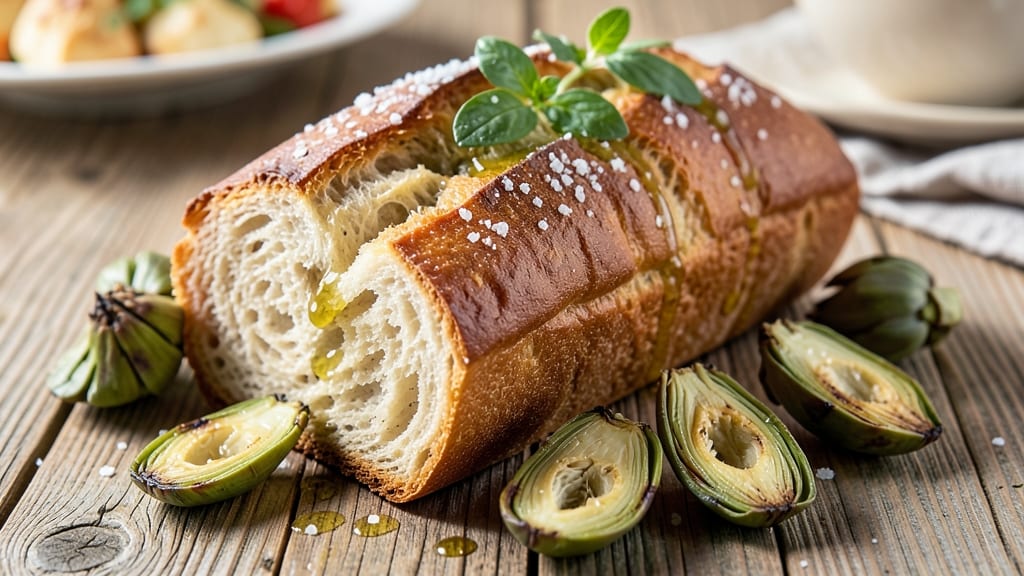
This artichoke bread Pescadero recipe brings California's coastal charm to your kitchen with a buttery garlic crust and hidden herb magic. 💛 The secret lies in blending tender artichoke hearts into a rich focaccia dough, then finishing with a golden olive oil drizzle that captures Pescadero's signature artichoke flavor.
I developed this recipe after discovering how local bakeries transform simple ingredients into something extraordinary.
The dough gets its signature texture from a combination of tender artichokes and fresh herbs like rosemary and thyme—classic Pescadero flavors that elevate every bite.
What makes this recipe special is the dual-layer approach: a soft, airy interior packed with artichoke goodness, topped with a crispy garlic crust that's irresistibly buttery. The artichokes add natural moisture while keeping the bread light, and the garlic-infused olive oil finish delivers that signature coastal taste.
What you'll end up with is a loaf of artichoke bread that's perfect for sandwiches, dipping in soups, or serving alongside seafood mains. The crust stays crisp for hours, while the interior remains tender and packed with artichoke flavor.
This is the kind of bread that transforms ordinary meals into something special—just like the bakeries in Pescadero do for their customers.
Pair it with a simple tomato salad or use it to make gourmet grilled cheese sandwiches. The possibilities are endless, but the recipe itself is straightforward and foolproof. Let's get started on making this coastal-inspired artichoke bread that's sure to become a family favorite.
Ingredients for artichoke bread pescadero
California's coastal flavors start with these artichoke-infused ingredients for Pescadero-style bread.
| Ingredient | Amount | Notes |
|---|---|---|
| Artichoke Hearts 🍃 | 14 oz | Canned, drained and chopped |
| All-Purpose Flour 🌾 | 3 cups | King Arthur preferred |
| Instant Yeast 🍞 | ½ tsp | Active dry works too |
| Granulated Sugar 🍚 | 1 tbsp | For yeast activation |
| Fine Sea Salt 🧂 | 1 ½ tsp | Diamond Crystal preferred |
| Extra-Virgin Olive Oil 🫒 | ¾ cup | High quality, fruity |
| Fresh Rosemary 🌿 | ¼ cup | Finely chopped stems |
| Fresh Thyme 🌿 | 1 tbsp | Leaves only, chopped |
| Garlic Cloves 🧄 | 4 cloves | Minced for dough |
| Large Eggs 🥚 | 1 whole | Room temperature |
| Whole Milk 🥛 | ½ cup | Warmed slightly |
| Garlic-Infused Olive Oil 🫒 | ¼ cup | For finishing |
| Coarse Sea Salt 🧂 | ½ cup | For topping |
| Flaky Sea Salt 🧂 | 2 tbsp | For finishing |
The artichoke hearts are the heart of this recipe—look for high-quality canned hearts like Muir Glen or California Artichoke Growers for the best texture. Fresh artichokes are ideal but require extensive prep, so canned works perfectly. The herbs should be fresh and vibrant, not wilted. Whole Foods or local farmers markets often carry superior-quality rosemary and thyme. For the olive oil, California Extra Virgin brands like Corto or Lucini capture the coastal flavor perfectly. Pre-grated Parmesan is out—freshly grated is non-negotiable for that authentic Pescadero taste.
No fresh rosemary? Dried works at half the amount, but the flavor won't be as bright. Substitute dried thyme for fresh at one-third the quantity. For the garlic-infused oil, infuse 6 cloves of garlic in 1 cup olive oil for 15 minutes—strain and use immediately. The dough can handle substituting whole wheat flour for up to 25% of the all-purpose, though texture may vary slightly. If you're short on time, pre-minced garlic from the jar works, but fresh minced is always better. The artichoke hearts can be blended into a paste for a smoother texture if preferred.
This dough needs 2 hours of rising time at room temperature for optimal flavor development. Store any leftovers wrapped tightly in plastic at room temperature for up to 2 days. For longer storage, freeze slices between parchment paper for up to 3 months. The garlic-infused oil keeps in the fridge for 1 week—use it on everything from salads to roasted vegetables. To reheat, wrap in foil and warm at 350°F for 10 minutes to restore crispness.
Why You'll Love This Recipe
- No-Knead Magic: I swear, the dough comes together in five minutes—just mix, let it rise while you make dinner, and boom. No stand mixer, no fuss, just that rich, chewy texture from the artichoke hearts folded right in.
- Umami Bomb: That jarred artichoke heart paste? It’s like a little flavor grenade—salty, briny, with just enough sweetness from the sugar to balance it out. One bite and you’ll understand why I keep a jar in my pantry at all times.
- Budget Stretch: Artichoke hearts are cheap, and a single jar stretches into multiple loaves. Between us, I’ve fed a houseful of hungry teens on less than $5 worth of ingredients. The yeast and flour? Pantry staples that don’t break the bank.
Step-by-step instructions for artichoke bread Pescadero
Transform simple ingredients into a rustic, herb-infused loaf with a golden crust and tender crumb.
👨🍳 Step 1: Prepare the Artichoke Purée
Drain and chop the 14 oz artichoke hearts into small pieces, discarding any tough stems. Transfer them to a food processor and pulse until finely chopped but not puréed—you want texture, not a smooth paste. Add the 0.25 cup fresh rosemary and 1 tbsp fresh thyme, then pulse again until the herbs are evenly distributed.
This step ensures the artichoke flavor remains vibrant rather than turning mushy. The herbs will infuse the dough with their aromatic essence, creating that signature Pescadero profile. If your artichokes are watery, squeeze them dry with a clean towel to prevent a gummy dough later.
👨🍳 Step 2: Mix the Dough Components
In a large mixing bowl, combine the 3 cups all-purpose flour, 0.5 tsp instant yeast, 1 tbsp granulated sugar, and 1.5 tsp fine sea salt. Whisk briefly to aerate the flour and distribute the yeast evenly. Create a well in the center and add the 0.75 cup extra-virgin olive oil, the artichoke-herb mixture, 4 minced garlic cloves, 1 whole large egg, and 0.5 cup warmed whole milk. Mix with a wooden spoon until a shaggy dough forms.
Here's the thing—don't overmix. The dough should be sticky but manageable. If it's too dry, add 1 teaspoon of milk at a time until it comes together. The garlic and olive oil will develop rich flavors during the rise, so don't rush this step. Let the dough rest for 10 minutes while you prepare your work surface.
🥘 Step 3: Knead and First Rise
Lightly flour a clean work surface and turn out the dough. Knead for 8-10 minutes by hand, folding and pressing the dough until smooth and elastic. The dough should spring back when poked and feel slightly tacky but not sticky. If it's too wet, add 1 tablespoon of flour at a time; if too dry, add 1 teaspoon of olive oil. Shape into a round loaf and place in a lightly oiled bowl.
Cover the bowl with a damp towel and let rise in a warm place for 1-1.5 hours, or until doubled in size. You'll know it's ready when the dough leaves an indent when gently pressed. This first rise develops gluten structure and allows the yeast to activate fully. Avoid placing the dough in direct sunlight or near a heat source—consistent warmth is key.
🔥 Step 4: Shape and Second Rise
Punch down the risen dough to release air, then shape it into a 12-inch round on a parchment-lined baking sheet. Dimple the top with your fingers to create an even surface for the garlic-infused oil. Brush the dough generously with the 0.25 cup garlic-infused olive oil, then sprinkle evenly with 0.5 cup coarse sea salt. Let rise again for 30-45 minutes until puffy and slightly domed.
This second rise is crucial for achieving that signature Pescadero texture. The garlic oil will create a fragrant crust, while the coarse salt adds a satisfying crunch. Preheat your oven to 375°F during this final rise to ensure it's ready when the dough is fully proofed.
🔥 Step 5: Bake to Golden Perfection
Bake the bread for 35-40 minutes until the crust is deep golden brown and sounds hollow when tapped on the bottom. In the last 5 minutes, sprinkle the top with 2 tbsp flaky sea salt for an elegant finish. The internal temperature should reach 190-195°F—this ensures a tender crumb without a gummy center.
Remove from the oven and let cool on a wire rack for 20 minutes before slicing. The bread will continue to set as it cools, making it easier to slice cleanly. Serve warm with your favorite olive oil or a sharp mustard for dipping—each bite delivers layers of garlic, herbs, and artichoke flavor with a crisp, salty crust.
Pro Tips For Making Artichoke Bread Pescadero
- CHOP ARTICHOKES SMALL: I learned this the hard way—big chunks of artichoke hearts sink to the bottom of the dough and make uneven pockets. Dice them into ¼-inch pieces so they distribute evenly and dissolve into the dough like they’re supposed to.
- LET THE DOUGH RISE TWICE: The first rise is obvious, but the second one after shaping? That’s where the flavor and texture actually develop. Give it 30–45 minutes at room temp—it’ll look puffy but not doubled, and that’s perfect.
- DON’T OVERMIX THE DOUGH: Once you add the yeast and wet ingredients, stop folding after 2–3 turns. Overworking the dough makes it tough, and this bread is supposed to be tender. Just until everything’s combined—no need to exhaust yourself (or the gluten).
- USE COLD BUTTER FOR LAMINATION: If your recipe calls for butter in the dough, take it straight from the fridge and cut it into small cubes. Cold butter creates those flaky layers—skip this, and you’ll end up with a dense, greasy loaf instead of the light, buttery texture you want.
Flavor customization for this artichoke bread pescadero
Herb Variations
Swap out the rosemary and thyme for other Mediterranean herbs to create different flavor profiles. Try fresh oregano and basil for a brighter, more Italian-inspired twist—perfect for pairing with tomato-based dishes.
Or use fresh sage and marjoram for a deeper, earthier flavor that complements rich cheeses like goat cheese or smoked salmon. 🌿
For a citrusy twist, add 1 tbsp finely grated lemon zest to the dough along with your herbs. The bright acidity cuts through the richness of the artichokes and olive oil, making each bite feel fresh and vibrant. I love this variation when serving with seafood or light salads.
Spice Infusions
Add warmth with ½ tsp red pepper flakes or 1 tsp smoked paprika to the dough for a subtle kick. These spices pair beautifully with the artichokes and enhance the garlic flavor.
For a sweet-spicy balance, add 1 tsp honey or maple syrup along with the spices—it caramelizes during baking, creating a delicious contrast.
If you love fennel, finely chop 2 tbsp fresh fennel bulb and add it to the artichoke-herb mixture. The anise notes complement the garlic and rosemary, adding a unique depth that’s especially lovely with seafood or roasted vegetables.
Cheese Additions
For a richer texture, fold in ½ cup shredded Parmesan cheese or feta crumbles into the dough. The cheese melts slightly during baking, creating pockets of savory goodness. I recommend using freshly grated Parmesan for the best flavor—pre-grated cheese often contains anti-caking agents that can make the dough gummy.
For a gooey surprise, add ¼ cup ricotta cheese to the dough along with the egg. The ricotta keeps the bread tender while adding a creamy contrast to the crispy crust. This works especially well if you’re making a garlic-herb focaccia variation instead of a round loaf.
Topping Twists
Instead of just garlic-infused olive oil, try brushing the dough with a lemon-garlic glaze before baking. Mix 2 tbsp olive oil with 1 tbsp lemon juice and 1 minced garlic clove, then brush it on the dough after shaping. The acidity brightens the flavors and adds a lovely tang.
For a nutty crunch, sprinkle ¼ cup chopped walnuts or pine nuts on top of the dough before baking. The nuts toast beautifully in the oven, adding texture and a subtle buttery note that pairs perfectly with the artichokes. 💫
Nutrition facts
Frequently asked questions
Can I use fresh artichokes instead of canned hearts?
Fresh artichokes work beautifully but require more prep! Trim off the tough outer leaves, cut off the top and bottom, then slice off the tough outer layer of the base. Quarter the artichokes, remove the choke, and chop the flesh into small pieces. This will yield about 14 oz of edible portion for this recipe. Fresh artichokes add a slightly more delicate flavor but require careful handling.
How do I make this bread without a food processor?
No problem! Simply chop the 14 oz artichoke hearts by hand with a sharp knife until finely minced. Add the chopped rosemary and thyme by hand too—just make sure the herbs are evenly distributed. The texture will be slightly chunkier but still delicious. For best results, use a rocker knife or small knife for precision chopping.
Can I make this bread in a pullman pan for sandwiches?
Shape the dough into a 9x5-inch loaf instead of a round. Use the same rising times but reduce baking to 30-35 minutes at 375°F. Brush the top with garlic-infused oil and sprinkle with coarse salt before baking. The pullman pan will give you that classic sandwich bread texture while keeping all the artichoke flavor.
Why did my bread turn out dense instead of light?
Dense bread usually means one of two things: either the dough didn't rise enough or it was overworked. Make sure your yeast is fresh (test it in warm water with sugar—it should foam in 5-10 minutes). Also, ensure your kitchen is warm enough (around 75°F) for proper rising. If the dough was too sticky during kneading, you may have added too much flour, which can weigh it down.
How can I store leftovers for maximum freshness?
Wrap cooled slices tightly in plastic wrap or store in an airtight container. It stays fresh at room temperature for 2-3 days. For longer storage, freeze slices between parchment paper for up to 3 months. To revive, wrap in foil and warm at 350°F for 10 minutes—this restores that crispy crust while keeping the interior tender.