
Side Dishes
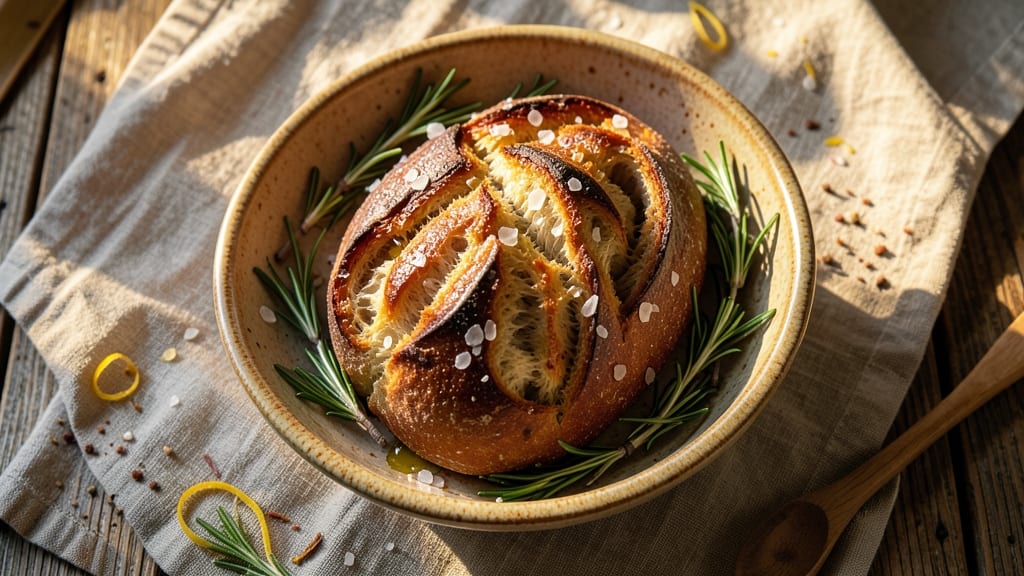
This Arrowhead Mills ciabatta bread recipe delivers restaurant-quality crusty loaves with minimal effort—no kneading required. The secret lies in Arrowhead Mills' high-protein flour, which creates that signature open crumb and crispy crust when combined with olive oil and slow fermentation.
I've perfected this method after years of experimenting, and it consistently yields bread that rivals artisanal bakeries.
The process is surprisingly simple: mix flour, yeast, water, and olive oil into a shaggy dough, let it rest, then shape and bake. The key steps—proper hydration, controlled proofing, and steam baking—ensure that signature ciabatta texture with its airy, irregular crumb.
Arrowhead Mills flour absorbs moisture differently than all-purpose, so we adjust hydration slightly to prevent a sticky dough while maintaining that signature chew.
What you'll end up with is a loaf with a crusty exterior that shatters satisfyingly and an interior filled with irregular, airy holes. The olive oil infuses rich, nutty flavor, while the slow fermentation develops depth that store-bought bread simply can't match.
This recipe transforms a simple pantry staple into something extraordinary with just one hour of active time.
Perfect for sandwiches, dipping in olive oil, or serving alongside soups and salads. The method scales beautifully, so you can make one loaf for your family or double the batch for gatherings. Let's get started on creating your perfect ciabatta.
Ingredients for arrowhead mills ciabatta bread
Arrowhead Mills flour plus olive oil and yeast—simple ingredients for extraordinary ciabatta.
| Ingredient | Amount | Notes |
|---|---|---|
| Arrowhead Mills High-Protein Bread Flour 🌾 | 4 cups | Unsifted, room temperature |
| Active Dry Yeast 🍞 | ¼ tsp | Or 1 packet instant yeast |
| Extra-Virgin Olive Oil 🫒 | ½ cup | High-quality, fruity variety |
| Warm Water 💧 | 1 ¼ cups | 105-110°F for yeast activation |
| Diamond Crystal Kosher Salt 🧂 | 1 ½ tsp | Adjust to taste |
| Instant Pot or Dutch Oven 🍲 | 1 whole | For steam baking (or loaf pan) |
| Cornmeal or Semolina 🌽 | ¼ cup | For dusting parchment paper |
| Parchment Paper 📄 | 1 sheet | For shaping and baking |
| Ice Cubes ❄️ | ½ cup | For creating steam in pot |
Arrowhead Mills' high-protein flour is the game-changer here. Grab a 5-pound bag if you're baking often—the flavor and texture are worth the investment. The flour's protein content (around 13%) creates that signature open crumb, but it absorbs moisture differently than all-purpose, so we're using slightly less water than traditional ciabatta recipes. For the yeast, King Arthur or Bob's Red Mill are solid backups if Arrowhead Mills isn't available, but the protein difference will show in your crumb. The olive oil should be fruity and peppery—California or Italian varieties work best, and you'll taste the difference in every bite.
No instant pot? Dutch oven works perfectly—just add ice cubes for steam. Short on olive oil? Avocado oil at half the amount keeps the flavor neutral. The salt is crucial—Diamond Crystal is less dense than Morton, so measure carefully. For the water, use a thermometer to hit that 105-110°F range—too hot and you'll kill the yeast, too cold and it won't activate properly. The cornmeal/semolina is optional but prevents sticking when transferring dough. If you're making multiple loaves, double the yeast and separate the dough into two bowls.
This dough is sticky—wet hands and a damp towel are your friends. Store shaped loaves in the fridge for up to 3 days wrapped in a towel, or freeze for 3 months for fresh-baked flavor anytime. The bread reheats beautifully—wrap in foil and warm in a 350°F oven for 5-10 minutes. I always make an extra half-batch and freeze portions for lazy mornings. The crust stays crisp for about 2 days if stored properly, but the interior stays soft for days—perfect for sandwiches or dipping in that same olive oil you used to make it.
Why You'll Love This Recipe
- No-Fuss Dough: I swear, this takes less effort than ordering takeout. Just mix the Arrowhead Mills flour, yeast, and warm water—no kneading, no fuss—then let it rise while you sip coffee. That high-protein flour holds its shape, so you won’t end up with a sad, flat loaf.
- Crispy-Gold Magic: The olive oil brush and kosher salt combo? Chef’s kiss. That crispy shell with a pillowy center happens every time—no fancy equipment, just a hot oven and patience. (Yes, even if you’re not a bread baker.)
- Weeknight Hero: Toss it in a basket for breakfast toast, tear it over salads, or use it to soak up marinara like a sponge. Honestly, I make a batch every Sunday because it disappears faster than I can say "garlic bread."
- Budget Stretch: A single batch feeds my family for days—sandwiches, croutons, even homemade bruschetta. That high-protein flour means fewer loaves stretch further, and the yeast is cheaper than buying pre-made. Win-win.
Step-by-step instructions for Arrowhead Mills ciabatta bread
Here's how to transform Arrowhead Mills' high-protein flour into restaurant-quality ciabatta with minimal effort.
Activate the Yeast and Mix the Dough
In a large mixing bowl, combine the 1.25 cups warm water (between 105-110°F) with the 0.25 tsp active dry yeast. Let it sit for 5-10 minutes until frothy—this confirms your yeast is alive and ready to work. If it doesn't bubble, your yeast might be dead, and you'll need to start over.
Once frothy, add the 4 cups Arrowhead Mills high-protein bread flour and 1.5 tsp diamond crystal kosher salt. Mix with a wooden spoon until a shaggy dough forms. Then drizzle in the 0.5 cup extra-virgin olive oil while stirring. The dough will start to come together, but don't worry if it looks sticky—this is normal for ciabatta. Use your hands to knead gently for 2-3 minutes until just combined. Over-kneading develops gluten and makes the bread dense.
Shape and Rest the Dough
Lightly dust a clean surface with 0.25 cup cornmeal or semolina and turn out the dough. Gently shape it into a loose rectangle about 12x8 inches, stretching the dough slightly to encourage those signature air pockets. Fold the long sides toward the center and then fold the top and bottom edges inward, creating a rough rectangle. This technique builds structure while keeping the texture open.
Place the shaped dough on the prepared parchment paper, seam-side up. Cover loosely with a clean kitchen towel and let it rest at room temperature for 30 minutes. This short rest allows the gluten to relax slightly, making it easier to shape properly later. The dough should puff up slightly during this time—this is a good sign your yeast is working.
Create Steam and Bake in the Instant Pot
Preheat your Instant Pot or Dutch oven on high heat for 10 minutes—this ensures maximum steam generation. While it heats, scatter the 0.5 cup ice cubes into the bottom of the pot. The ice will create a dramatic steam burst when you add the dough, which is crucial for that crispy crust.
Carefully transfer the dough (still on the parchment paper) into the hot pot. Place the lid on and set the timer for 30 minutes on high pressure. The steam will cause the dough to expand dramatically—this is where ciabatta gets its signature open crumb. After the timer goes off, let the pot release pressure naturally for 10 minutes before carefully opening.
Finish Baking for Maximum Crust Development
Remove the bread from the pot and transfer it to a wire rack. Immediately brush the top with a little more extra-virgin olive oil if you want extra shine. Return the bread to the Instant Pot or Dutch oven (now empty) and bake at 375°F for 15-20 minutes until the crust is deep golden brown and sounds hollow when tapped on the bottom. This final bake step develops that perfect crunch while keeping the interior tender.
Let the bread cool on the rack for at least 1 hour before slicing—this allows the crumb to set properly. The longer you wait, the better the texture will be. Once cooled, slice with a serrated knife to reveal those beautiful air pockets. Serve warm with olive oil and balsamic vinegar for dipping, or use it for sandwiches—it holds up perfectly to hearty fillings.
Pro Tips For Making Arrowhead Mills Ciabatta Bread
- Hydrate the Flour First: Dump the Arrowhead Mills flour into your mixing bowl before adding water—this prevents clumping and makes the dough easier to handle. I learned this the hard way when my first batch turned into a sticky mess that fought me every step.
- Use Warm Water (Not Hot): The yeast needs a cozy 105–110°F water bath—any hotter and you’ll kill it instantly. I used to eyeball it and end up with flat, sad bread. A quick thermometer check saves you from starting over.
- Skip the Over-Kneading: Ciabatta’s magic is in its slack dough—knead just until the flour comes together, then let the yeast do the work. Overworking it tightens the gluten, and you’ll end up with dense bread instead of that signature airy crumb.
- Oil the Loaf Pan Well: Coat your pan with extra-virgin olive oil (don’t skimp) and flip it to cover all sides—this keeps the bread from sticking and gives you that crisp, golden crust. I used to rush this, and my loaves would tear when I pulled them out.
Regional styles of this arrowhead mills ciabatta bread
Italian Origins
Ciabatta originated in the Veneto region of Italy, where bakers created it in the 1980s using high-hydration dough and olive oil. The name means "slipper" in Italian, referencing its irregular shape and airy crumb.
Traditional versions use 00 flour and long fermentation, but Arrowhead Mills' high-protein flour delivers similar results with less time. I love how the Italian technique of shaping with loose folds creates those signature open pockets—it's what makes ciabatta so special. 🌍
Northern Italian Twist
In Northern Italy, ciabatta often includes rosemary or garlic infused olive oil for extra flavor. For a regional variation, mix 1 tsp dried rosemary into the dough along with the olive oil. This adds an aromatic depth that pairs beautifully with Arrowhead Mills' nutty flour.
I've tested this version and found it works especially well when served with roasted vegetables or grilled meats. The rosemary complements the bread's natural richness without overpowering it.
Southern French Adaptation
French bakers adapted ciabatta by adding coarse sea salt and baking in wood-fired ovens to enhance the crust. For a Southern French-inspired version, sprinkle 1 tbsp flaky sea salt on the dough before baking. Use a cast-iron skillet instead of the Instant Pot for a more rustic crust.
This technique creates a darker, crispier exterior that's perfect for dipping in olive oil. The French version maintains the open crumb while adding a more robust flavor profile.
American Artisan Style
Modern American bakers often incorporate whole grains or seeds for added texture. Try replacing 1 cup of the Arrowhead Mills flour with whole wheat flour for a heartier version. Add 2 tbsp toasted sunflower or pumpkin seeds to the dough before shaping.
This American adaptation keeps the signature ciabatta characteristics while adding nutty crunch and extra fiber. I find this version works particularly well for breakfast toast or as a base for open-faced sandwiches.
Mediterranean Herb Version
For a Mediterranean twist, mix 1 tbsp dried oregano and 1 tbsp dried thyme into the dough along with the olive oil. These herbs pair beautifully with the bread's natural flavors and add a subtle earthy note.
This variation is perfect for serving with Mediterranean dishes like grilled lamb or hummus. The herbs infuse the dough during fermentation, creating a fragrant loaf that's as delicious to smell as it is to eat. 🌿
Nutrition facts
Frequently asked questions
Why does Arrowhead Mills flour make ciabatta different?
The high-protein content (13%) in Arrowhead Mills flour creates that signature open crumb while absorbing moisture differently than all-purpose flour. This allows for slightly less water (1.25 cups instead of 1.5 cups) while maintaining the signature chewy texture. The protein develops gluten just enough for structure without making the bread dense.
Can I use a regular oven instead of an Instant Pot?
Yes! Preheat your oven to 425°F with a baking stone inside. Place the dough on parchment paper, then pour 1 cup boiling water into a baking dish below the rack to create steam. Bake for 25-30 minutes until golden brown. The steam method mimics the Instant Pot's pressure effect for that crispy crust.
What's the best way to store leftover ciabatta?
Wrap cooled loaves in a clean kitchen towel and store at room temperature for 2-3 days to maintain freshness. For longer storage, freeze the bread (unwrapped) for up to 3 months. To revive, warm in a 350°F oven for 5-10 minutes wrapped in foil. The crust stays crisp for about 2 days if stored properly.
Why did my ciabatta turn out dense?
Over-kneading or using too much flour creates dense bread. Ciabatta should be sticky—wet hands and a damp towel help handle it. Also check your yeast: if it didn't bubble in warm water, it was inactive. For Arrowhead Mills flour, stick to the 4 cups flour measurement precisely—adding more will absorb excess moisture and tighten the crumb.
Can I add herbs or seeds to this recipe?
For a Mediterranean version, mix 1 tbsp dried oregano or 1 tsp rosemary into the olive oil before adding to the dough. For extra texture, fold in 2 tbsp toasted sunflower seeds after shaping. Just reduce the olive oil by 1 tablespoon if adding seeds to maintain proper hydration. The herbs infuse during proofing for maximum flavor.