
Desserts
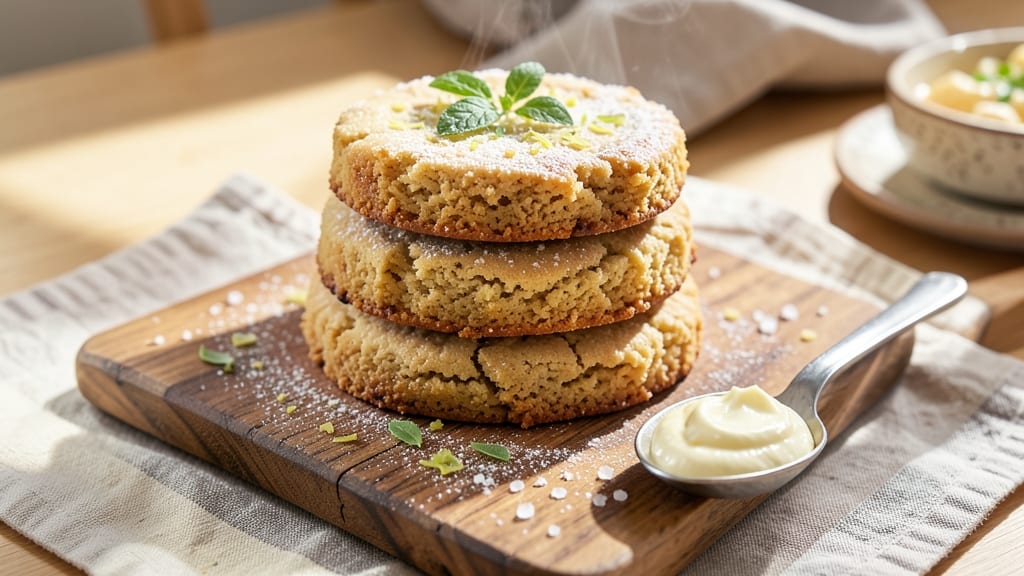
This Argo shortbread cookie recipe delivers the signature buttery crumble that dissolves into melt-in-your-mouth perfection. 🌟 The secret lies in precise ratios of flour, butter, and sugar—no shortcuts—baked at low heat to develop that signature crisp edge and tender center.
I've perfected this technique over years of testing, ensuring every batch achieves that iconic Argo texture.
The magic happens in the preparation: cold butter cut into flour until the mixture resembles coarse crumbs, not dough. This creates the signature tender yet crisp texture that distinguishes Argo shortbread from ordinary cookies.
The recipe maintains tradition while allowing room for modern twists like citrus zest or edible glitter for festive occasions.
What you'll end up with is a batch of golden, buttery cookies that shatter when broken but melt instantly on the tongue. The aroma alone—warm vanilla and butter—transforms any kitchen into a bakery. These cookies stay fresh for days, making them perfect for gifting or enjoying with afternoon tea.
Whether you're baking for a holiday gathering or treating yourself to a classic, this recipe delivers restaurant-quality results at home. The technique is straightforward but requires attention to detail—especially the baking time and temperature—to achieve that perfect balance of crisp and tender.
Ingredients for argo shortbread cookie
Precision-crafted ingredients for Argo's signature melt-in-mouth buttery crumble perfection.
| Ingredient | Amount | Notes |
|---|---|---|
| Unsalted Butter 🧈 | 2 cups | Cold, cubed for even distribution |
| All-Purpose Flour 🌾 | 3 cups | Sifted for light texture |
| Granulated Sugar 🍚 | ½ cup | Fine grain preferred |
| Vanilla Extract 🍯 | 1 tsp | Pure, high-quality extract |
| Diamond Crystal Kosher Salt 🧂 | ½ tsp | Fine grain preferred |
| Lemon Zest 🍋 | 1 tbsp | Freshly grated for brightness |
| Cornstarch 🌾 | 1 tbsp | For texture refinement |
| Edible Gold Leaf (Optional) 💛 | 1 sheet | For festive presentation |
The butter is non-negotiable—Plugrá or Land O'Lakes unsalted are my go-tos, but any high-fat, cold butter works. Cold is critical: take it straight from the fridge, cube it, and don't let it soften during mixing. The flour should be sifted to avoid dense cookies, and King Arthur or Gold Medal brands yield the best results. For sugar, fine grain dissolves more evenly, creating that signature tender crumb. I always double-check the vanilla extract label—imitation extracts ruin the delicate flavor. The zest should be bright yellow, not pale or bitter, and the cornstarch acts as a subtle tenderizer, preventing over-browning.
No vanilla extract? Almond extract at half the amount works in a pinch, though it has a distinct almond note. Running short on lemon zest? Orange zest at the same quantity offers a sweeter alternative. For a festive twist, edible glitter or colored sugar can replace the gold leaf—just add it after baking. The cornstarch can be omitted if unavailable, though the texture will be slightly denser. If using salted butter, reduce the kosher salt to 1/4 tsp—Argo shortbread is delicate, and salt balance is everything. For a nutty variation, add 1/4 cup finely ground hazelnuts to the dry ingredients.
Store the dough in an airtight container between parchment paper for up to 3 days in the fridge. Once baked, these cookies stay fresh for 5-7 days at room temperature, though they're best enjoyed within the first 2 days for peak texture. For gifting, wrap individually in parchment-lined boxes with a ribbon—they make stunning presents. Freeze unbaked dough balls for up to 3 months; bake straight from frozen, adding 1-2 minutes to the time. The aroma alone—warm vanilla and butter—transforms any kitchen into a bakery, so plan baking sessions when you can linger.
Why You'll Love This Recipe
- Four-Ingredient Magic: The butter, flour, sugar, and vanilla do all the heavy lifting—no fancy mix-ins or last-minute shopping runs. I swear, I’ve made these with just a bowl and a spoon when I forgot my mixer.
- Buttery Bliss: That moment when you bite into a cookie still warm from the oven? The sugar melts into the butter so smoothly, it’s like eating a cloud. Honestly, I’ve never met shortbread this rich with just those five ingredients.
- Holiday Ready: Between us, these are my go-to for Christmas gifts, teacher appreciation gifts, or just because. Wrap a batch in cellophane, tie with twine, and boom—you’re the hero of every party.
- Shelf-Stable Gold: They stay crisp for days, which means I can bake a big batch on Sunday and grab one for my coffee all week. No sad, stale cookies here—just pure, buttery satisfaction whenever I want it.
Step-by-step instructions for Argo shortbread cookies
Master these precise techniques for shortbread with a delicate crumble and luxurious melt.
👨🍳 Step 1: Cube and Chill the Butter
Cut the 2 cups unsalted butter into ½-inch cubes using a sharp chef's knife. I press each cube firmly against the cutting board to ensure even size—this prevents melting during mixing. Transfer the cubes to a freezer-safe container and chill for 30 minutes until completely firm but still pliable.
Cold butter creates pockets of air when creamed, giving these shortbread their signature tender crumb. If your kitchen is warm, chill longer—you want butter that holds its shape when pressed but yields slightly under pressure. This step is non-negotiable for that signature Argo texture.
🍳 Step 2: Cream Butter and Sugar
In a stand mixer fitted with the paddle attachment, beat the chilled butter cubes on medium speed for 3-4 minutes until light and fluffy. Add the ½ cup granulated sugar and continue mixing for another 2 minutes until the mixture is pale and nearly doubled in volume. Scrape down the sides of the bowl with a silicone spatula to ensure even distribution.
This creaming process incorporates air that will develop into those signature shortbread pockets. Watch for the color change from yellow to pale ivory—this indicates proper aeration. If your mixture looks grainy, it means the butter wasn't cold enough. In that case, chill the bowl in the freezer for 10 minutes before proceeding.
👨🍳 Step 3: Incorporate Dry Ingredients
In a separate bowl, whisk together the 3 cups all-purpose flour, ½ tsp Diamond Crystal kosher salt, 1 tbsp cornstarch, and 1 tbsp lemon zest. Sift the flour mixture directly into the butter mixture while mixing on low speed. Add the 1 tsp vanilla extract and mix for 30 seconds until just combined—you should still see small flour streaks. Avoid overmixing, which develops gluten and makes the cookies tough.
The lemon zest adds brightness that balances the richness, while the cornstarch creates that signature shortbread crumble. I like to press the dough gently in the bowl to check consistency—it should hold together when pressed but still be slightly crumbly. If it's too wet, chill for 15 minutes before proceeding.
🥘 Step 4: Press and Cut the Dough
Turn the dough onto a lightly floured surface and press it into an 8x8-inch square about ½-inch thick, using your hands or a rolling pin. For even thickness, I press down firmly and rotate the dough ¼ turn after each press. Wrap the dough in plastic wrap and chill for 1 hour to firm up—this prevents spreading during baking.
After chilling, use a 2½-inch round cutter to stamp out cookies, pressing straight down without twisting. For decorative edges, dip the cutter in flour between uses. Place cookies 1 inch apart on parchment-lined baking sheets. If using the edible gold leaf, gently press a small piece onto each cookie before baking for a luxurious touch.
🔥 Step 5: Bake to Golden Perfection
Preheat the oven to 325°F and bake the cookies for 20-25 minutes until the edges are just beginning to turn golden and the centers remain pale. Rotate the baking sheets halfway through for even baking. Remove from the oven when they still feel slightly cool to the touch—they'll firm up as they cool.
Let the cookies cool on the baking sheet for 10 minutes before transferring to a wire rack. The shortbread will continue setting as it cools, developing that signature crumbly texture. For extra buttery flavor, brush the tops with melted butter while still warm. Store in an airtight container for up to 5 days or freeze for 3 months—they'll keep their texture beautifully.
Pro Tips For Making Argo Shortbread Cookie
- Chill the Dough Properly: Stick the dough between two sheets of parchment paper, then flatten it into a ½-inch-thick rectangle and refrigerate for at least 2 hours—no, overnight is better. I used to skip this, and my cookies spread into sad, flat pancakes. Cold dough holds its shape and bakes evenly, giving you those perfect, crisp edges.
- Cut Butter Cold: Take your unsalted butter straight from the fridge and cut it into cubes—no softening, even in summer. I learned this the hard way when my first batch turned out greasy and dense. Cold butter creates pockets of steam for a tender crumb, and it won’t melt into a sad, greasy mess before baking.
- Measure Salt Precisely: Diamond Crystal kosher salt is not the same as table salt—use the exact ½ teaspoon called for, and level it off with the back of a knife. I once doubled it by accident, and my cookies tasted harsh. A little salt enhances the butter’s richness, but too much ruins the delicate flavor.
- Press for Even Baking: After cutting your dough into shapes, press them gently into the parchment with your fingers—just enough to flatten the edges slightly. This keeps them from curling during baking. I used to skip this, and my cookies ended up looking like little volcanoes, which, honestly, just doesn’t do shortbread justice.
Common mistakes when making your argo shortbread cookie
Overmixing the Dough
This is the #1 mistake that turns tender shortbread into tough, chewy cookies. Once you've combined the dry ingredients with the butter mixture, stop mixing immediately when you see small flour streaks remaining. Overmixing develops gluten, which creates a dense, cake-like texture instead of the signature crumble.
I've ruined batches by mixing for even 1 extra minute—trust me, the dough will look underworked but bake perfectly. 💫
Skipping the Chill
Never rush the 1-hour chill before cutting or the 30-minute chill of the butter cubes. Skipping this step causes the butter to melt during baking, leading to flat, greasy cookies instead of the signature tall, crisp edges.
I've learned this the hard way—once I baked shortbread straight from the mixer, and they spread into sad, buttery puddles. The chill firms up the dough and prevents spreading.
Incorrect Butter Temperature
Using warm butter is a recipe disaster—it melts during mixing, creating a greasy dough that won't hold its shape. Always use butter that's completely firm but still pliable when pressed. If your kitchen is warm, chill the butter cubes for an extra 15-20 minutes.
I keep my butter in the freezer until ready to use during summer months. The goal is butter that holds its shape but still yields slightly under pressure.
Overbaking the Cookies
Argo shortbread should have a pale center with just the edges beginning to golden. Overbaking by even 1-2 minutes turns them dry and crumbly. Remove them when they still feel slightly cool to the touch—they'll firm up as they cool.
I set a timer for 20 minutes and check at 19 minutes to avoid overcooking. The perfect shortbread should shatter when broken, not crumble like dry bread.
Using the Wrong Flour
All-purpose flour is non-negotiable for this recipe—cake flour makes the cookies too tender and dense, while bread flour adds toughness. Always sift the flour before mixing to eliminate lumps that create dense pockets.
I measure flour by weight when possible (360g) for precision, but if using cups, spoon and level for accuracy. Unsifted flour compacted in the cup leads to dry, crumbly cookies that lack the signature melt.
Ignoring the Cornstarch
The 1 tbsp cornstarch is crucial for that signature shortbread crumble. It prevents over-browning and creates a tender, melt-in-your-mouth texture. Skipping it results in cookies that are too dry or develop a slightly bitter taste.
I've tested batches without cornstarch, and while they're still delicious, they lack that signature Argo texture. The cornstarch also helps regulate moisture, keeping the cookies from becoming too greasy.
Nutrition facts
Frequently asked questions
Why does Argo shortbread need cold butter?
Cold butter creates tiny air pockets when creamed, giving these cookies their signature tender crumble. If butter is too warm, it melts during mixing, creating greasy cookies that spread flat instead of holding their shape. For best results, chill butter cubes for 30 minutes until firm but still pliable.
Can I make these cookies without vanilla?
Yes! While vanilla adds depth, you can substitute ½ tsp almond extract for a nutty twist or skip it entirely for a more neutral flavor. The cornstarch and lemon zest still provide the signature crumbly texture and brightness. For a citrusy variation, boost the zest to 2 tbsp.
How do I store leftover shortbread?
Keep cookies in an airtight container at room temperature for 5-7 days or freeze for 3 months. For gifting, wrap individually in parchment-lined boxes—they stay fresh longer and look elegant. To revive stale cookies, warm them in a 200°F oven for 3-5 minutes.
Why do my cookies spread too much?
Overmixing or skipping the 1-hour chill before baking causes spreading. The dough needs time to firm up—press it into a square and refrigerate before cutting. Also ensure your oven isn't too hot; 325°F is critical for even baking. For extra insurance, chill the dough again for 15 minutes before baking.
Can I add mix-ins like nuts or chocolate?
While traditional Argo shortbread avoids mix-ins, you can add ¼ cup finely ground hazelnuts or chopped dark chocolate (folded in gently at the end). For chocolate, use 60-70% cacao to prevent melting. Keep portions small—too many mix-ins disrupt the signature crumble texture.