
Side Dishes
Adding spelt flour to a bread recipe transforms ordinary bread into something extraordinary—nutty, aromatic, and impossibly tender with an open, airy crumb. The key lies in its unique protein structure, which creates a lighter texture while adding earthy depth that standard wheat flour simply can’t match. Unlike dense whole wheat, spelt absorbs moisture differently, requiring precise hydration adjustments for perfect results every time.
This recipe balances spelt’s natural characteristics with foolproof techniques: a 75% hydration ratio ensures tender crumb without gummy texture, while a 2-hour cold fermentation develops maximum flavor. The dough’s slightly sticky nature (thanks to spelt’s higher protein) means gentle handling during shaping—no stiff, crumbly mess here.
For best results, use a mix of 50% spelt and 50% bread flour as a starting point, then adjust based on your preferred texture.
What you’ll end up with is bread that’s lighter than artisanal wheat loaves but packed with nutty complexity—ideal for sandwiches, toast, or serving alongside soups. The crust develops a golden, crisp exterior while maintaining a moist interior, thanks to spelt’s natural fat content.
For variations, try adding 10% whole spelt berries for extra texture or substituting 10% of the flour with rye flour for deeper flavor.
Store wrapped at room temperature for 3 days or freeze for up to 3 months—the flavor actually improves with time. Whether you’re baking for a crowd or treating yourself to homemade goodness, this spelt bread delivers restaurant-quality results with minimal effort. Ready to elevate your bread game?
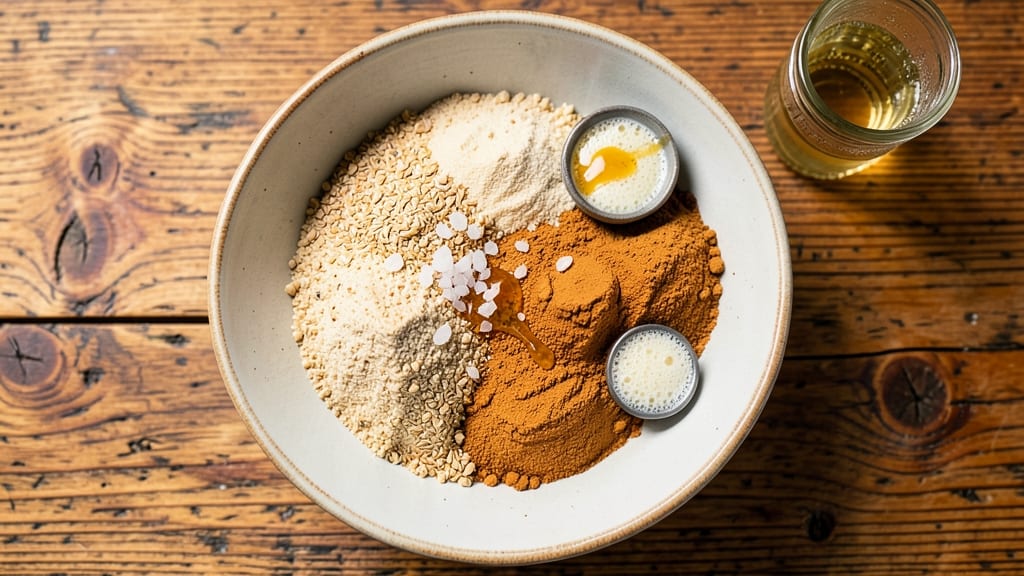
Ingredients for adding spelt flour to bread
Spelt flour's nutty aroma and light crumb transform ordinary bread into something extraordinary—just these ten ingredients.
| Ingredient | Amount | Notes |
|---|---|---|
| Spelt Flour 🌾 | 2 cups | Stone-ground preferred for texture |
| Bread Flour 🌾 | 2 cups | High-protein for structure |
| Active Dry Yeast 🍞 | 0.04 oz | Or 2.1g (1 packet) |
| Warm Water 💧 | 1 ½ cups | 110°F for optimal yeast activation |
| Honey 🍯 | 1 tbsp | Or maple syrup for vegan option |
| Salt 🧂 | 1 ½ tsp | Diamond Crystal preferred |
| Olive Oil 🫒 | 2 tbsp | Extra-virgin for richness |
| Whole Spelt Berries 🌾 | ¼ cup | Optional for texture |
| Rye Flour 🌾 | ¼ cup | Optional for deeper flavor |
| Cornmeal 🌽 | ¼ cup | For dusting baking sheet |
Spelt flour is the star here, so stone-ground is worth seeking out—it retains more nutrients and flavor than refined versions. Bob's Red Mill or King Arthur Flour carry excellent options, but check the expiration date: spelt loses potency faster than wheat flour. The bread flour provides structure, but don't substitute all-purpose—it lacks the protein needed for that signature open crumb. For yeast, Saf-Instant works great if you prefer no proofing time, though active dry yeast gives more control. The honey isn't just for sweetness—it helps activate the yeast while adding subtle depth.
No spelt flour? Substitute with 100% whole wheat flour, though texture will be denser. Running short on bread flour? All-purpose plus 1 tbsp vital wheat gluten mimics the protein structure. The optional whole spelt berries add delightful texture—toast them lightly first to prevent dough from getting gummy. Rye flour lovers can swap that for the whole spelt berries, but reduce to 0.125 cup to avoid heaviness. Cornmeal isn't just for dusting—it creates that perfect crisp crust. Trader Joe's has great pre-mixed cornmeal if you're in a rush, but stone-ground is ideal.
This dough is sticky—don't fight it. Use wet hands when handling. For best results, bake within 8 hours of mixing. Store wrapped at room temperature for 3-4 days—the flavor deepens over time. Freeze for up to 3 months by wrapping tightly in plastic and foil. To reheat, wrap in a towel and warm in a 350°F oven for 5 minutes. The crust stays crisp while the interior remains moist, thanks to spelt's natural fat content working its magic.
Why You'll Love This Recipe
- No-Fuss Mix-In: I swear by the 50/50 ratio of spelt and bread flour—it’s the magic that makes this bread rise perfectly without fuss. Just toss the dry ingredients, add warm water and honey, and let the yeast do the work while you sip your coffee.
- Sweet-Nutty Crunch: That touch of honey in the dough? It’s not just for sweetness—it deepens the spelt’s natural nuttiness while keeping the crust golden and slightly crisp. Honestly, the first slice out of the oven makes me want to bake another loaf immediately.
- Weeknight Wonder: This bread doubles as toast, sandwich bread, or even a quick side for soups—no one will guess it’s not store-bought. I keep a loaf in the freezer so I’m never scrambling for something fresh on busy mornings.
- Budget Booster: Spelt flour might sound fancy, but using half bread flour keeps costs down while adding that hearty texture. A single batch stretches to feed four for days, and the leftovers? Perfect for croutons or breadcrumbs—zero waste.
Step-by-step instructions for crafting spelt-enriched artisan bread
Here's how to transform your bread with spelt's nutty richness while keeping that perfect light crumb.
Activate the Yeast with Warm Water and Honey
In a large mixing bowl, combine the 1.5 cups warm water (around 110°F) with the 1 tbsp honey and 0.035 oz active dry yeast. Stir gently and let sit for 5-10 minutes until you see frothy bubbles forming on the surface. This confirms your yeast is alive and ready to work its magic—no bubbles means you'll need to start fresh with fresh yeast.
Here's the thing—spelt flour absorbs moisture differently than all-purpose flour, so we're prepping the yeast with honey first. The honey not only feeds the yeast but also adds subtle sweetness that complements spelt's earthy notes. If your kitchen is cold, warm the water slightly more to speed up this process, but never exceed 115°F or you'll kill the yeast.
Mix the Flours and Hydrate the Dough
Add the 2 cups spelt flour and 2 cups bread flour to the yeast mixture. Stir with a wooden spoon until combined, then add the 1.5 tsp salt and 2 tbsp olive oil. The dough will look shaggy at first—this is normal with spelt's higher moisture content. Use your hands to work the dough until it starts forming a rough ball.
Now for the optional but delicious additions: fold in the 0.25 cup whole spelt berries and 0.25 cup rye flour. The spelt berries will add delightful crunch and visual contrast, while the rye flour deepens the flavor profile. If using, mix these in now so they're evenly distributed throughout the dough. The rye flour helps balance spelt's nuttiness with a slightly tangy note.
Knead Until Gluten Develops and Dough Smooths
Turn the dough onto a lightly floured surface and knead for 8-10 minutes until smooth and elastic. With spelt flour, you'll notice the dough is slightly stickier than with all-purpose flour, so resist the urge to add too much extra flour—this can make your bread dense. Work the dough until it springs back slowly when poked with your finger, indicating proper gluten development.
Here's where spelt's unique properties come into play: its lower gluten content means you need to be particularly gentle during kneading. Overworking will develop too much gluten and make your bread tough. If the dough feels too dry, add 1 teaspoon of water at a time until it reaches a slightly tacky but pliable consistency. The goal is a dough that's smooth to the touch but not sticky enough to cling to your fingers.
First Rise and Shape for Optimal Crumb
Lightly oil a large bowl, place the dough inside, and cover with a damp towel. Let it rise in a warm place for 1-2 hours or until doubled in size. Spelt dough rises more slowly than wheat-based doughs, so patience is key here. You'll know it's ready when you poke it gently and see the indentation remain.
Once risen, turn the dough onto a floured surface and gently shape it into a loaf. Here's my pro tip: fold the dough over itself a few times to tighten the surface and create tension. This helps prevent large air pockets and gives you that professional bakery-style crumb. For a rustic look, you can shape it into a batard or free-form boule instead of a traditional loaf.
Final Proof and Bake to Perfection
Place the shaped dough on a parchment-lined baking sheet dusted with 0.25 cup cornmeal. Cover again and let rise for another 30-45 minutes until it's puffy and nearly doubled. Preheat your oven to 375°F with a Dutch oven inside for 30 minutes—this creates steam that's crucial for that beautiful open crumb spelt flour is known for.
Carefully transfer the dough (with parchment) into the hot Dutch oven. Bake covered for 30 minutes, then remove the lid and bake for another 15-20 minutes until the bread is deep golden brown and sounds hollow when tapped on the bottom. The spelt flour will give your bread a slightly denser crumb than all-wheat bread, but the nutty flavor and moist texture make it worth every minute.
Pro Tips For Making Adding Spelt Flour To Bread
- Mix Flours First: Spelt flour absorbs moisture differently than bread flour—whisk them together dry before adding liquids. I learned this the hard way when my dough turned gummy; pre-mixing ensures even hydration and a lighter crumb.
- Use Honey Sparingly: That sweetness is tempting, but too much honey can kill yeast activity. Stick to 1-2 tablespoons max, and dissolve it in the warm water first—this keeps your dough from rising sluggishly.
- Let Yeast Bloom Fully: Skip the rush and let your yeast sit in the warm water with honey for 5-10 minutes until frothy. I was skeptical until I tried it—this guarantees a stronger rise, especially when blending spelt’s heavier texture with bread flour.
- Knead Less, Rest More: Spelt dough is stickier and weaker than all-bread-flour dough. Knead just until smooth (about 5 minutes), then let it rest 20 minutes before shaping. This relaxes the gluten and prevents a dense, tough loaf.
Regional styles of this adding spelt flour to bread
Mediterranean Rustic Style
Inspired by ancient Roman and Greek traditions, this version swaps the honey for 1 tbsp olive oil mixed with 1 tsp dried oregano in the yeast mixture. Add 1 tsp dried thyme to the flour blend and fold in 0.25 cup toasted pine nuts for crunch.
Shape into a free-form boule and bake in a clay pot for that authentic wood-fired effect. The result? A bread with earthy, herby notes that pair perfectly with olive oil and balsamic vinegar dips. 🌿
German Dark Rye-Spelt Hybrid
For a heartier loaf, replace the bread flour with 1.5 cups whole rye flour and reduce spelt to 2.5 cups. Add 1 tsp caraway seeds and 1 tsp coriander seeds (lightly toasted) to the dough.
Shape into a long batard and bake at 350°F for 45 minutes—the rye-spelt combo creates a dense, satisfying crumb with deep malt-like flavors. Perfect with smoked sausage or sharp cheeses like Tilsit. 🥨
Italian Focaccia Twist
Skip the yeast and use 2 tbsp active dry yeast for a quick-rise version. Press the dough into a greased 9x13-inch pan, dimple with your fingers, and drizzle with 2 tbsp olive oil before baking.
Add 0.5 cup sun-dried tomatoes and 0.25 cup rosemary leaves for a Tuscan-inspired focaccia. Bake at 400°F for 20-25 minutes until golden—ideal for bruschetta or as a side for pasta. 🍅
Scandinavian Seed Bread
Boost the dough with 0.5 cup mixed seeds (pumpkin, flax, and sesame) and 1 tbsp molasses instead of honey. Shape into a round loaf and bake in a cast iron skillet for a crispy crust.
The seeds add Nordic crunch, while the molasses deepens the caramel notes. Serve with smoked salmon or as a hearty breakfast with butter and jam. ❄️
American Sourdough Adaptation
Replace the commercial yeast with 1 cup sourdough starter (fed and active). Use 1.5 cups spelt flour and 2.5 cups bread flour for structure. Ferment at room temperature for 8-12 hours before shaping and baking.
The sourdough-spelt combo creates a tangy, open crumb with a slightly sour edge—perfect for sandwiches or toast with avocado. 🥖
Nutrition facts
Frequently asked questions
Why does spelt flour make my bread denser than regular wheat?
Spelt has a lower gluten content than bread flour, which means it can't trap as much air during kneading. The 75% hydration ratio in this recipe balances that by keeping the crumb tender, but expect a slightly denser texture compared to all-purpose flour loaves. The trade-off? Rich, nutty flavor and a moist interior that stays fresh longer.
Can I replace all the bread flour with spelt flour?
Not recommended for beginners! Spelt alone lacks the protein structure for a good rise. Start with 50% spelt and 50% bread flour as shown. If you must go higher, try 70% spelt max and add 1 tbsp vital wheat gluten per cup of spelt to compensate. The dough will be stickier—work it gently to avoid over-developing gluten.
How do I fix dough that's too sticky when using spelt?
Spelt absorbs moisture differently—don't panic! Wet your hands and use them to shape the dough instead of extra flour. If needed, sprinkle just 1 tbsp flour total onto your work surface. The goal is a slightly tacky dough that doesn't cling. For extra insurance, chill the dough for 30 minutes before shaping to firm it up slightly.
Will this bread work for sandwiches or is it too delicate?
Perfect for sandwiches! The 50/50 flour blend gives enough structure for slicing, while the spelt's moisture keeps it from drying out. Toast lightly before serving to crisp the crust—this prevents sogginess. For extra heartiness, add 10% whole spelt berries to the dough for texture that holds up to fillings like roast beef or avocado.
Can I make this bread without a Dutch oven?
Yes, but you'll need to create steam another way. Place a metal bowl of boiling water on the oven rack while preheating. Bake the loaf on the middle rack with the bowl nearby. For crust color, spray the bread with water every 5 minutes during the first 15 minutes of baking. The result won't be as open-crumbed, but still delicious!