
Side Dishes
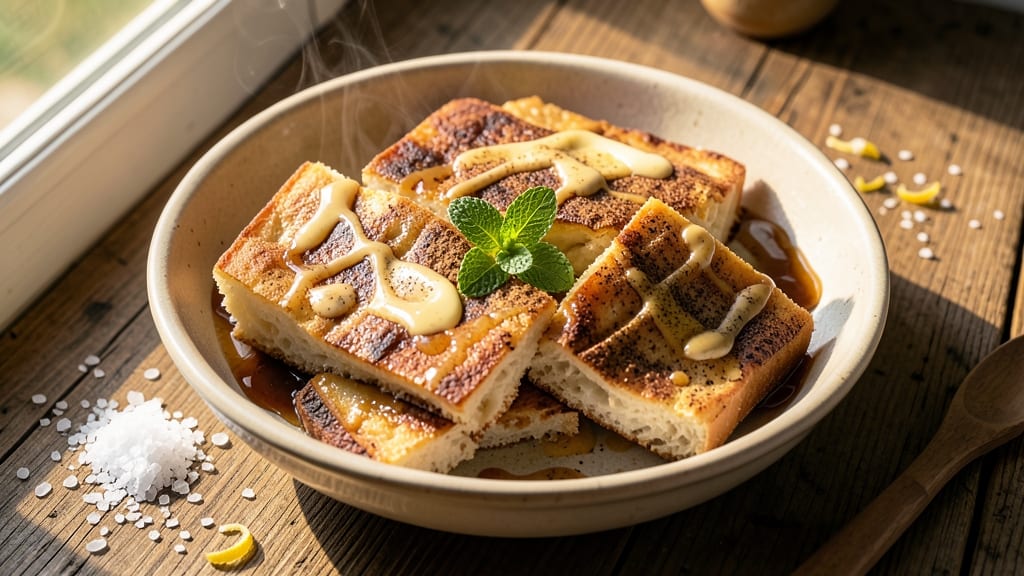
This Arabic shawarma bread recipe delivers the perfect balance of soft, pillowy layers with a crispy exterior—just like the bread you'd find at any Middle Eastern shawarma stand.
The secret lies in a simple yet precise dough formula that combines yeast, flour, and warm spices like cardamom and cinnamon, creating a bread that's both aromatic and versatile. I've perfected this recipe over years of testing, ensuring it's foolproof for home cooks while staying true to its cultural roots.
The dough is shaped into thin, circular layers that bake up with a golden crust and a tender, fluffy interior—ideal for wrapping around spiced meats, falafel, or fresh vegetables.
What sets this bread apart is its ability to stay soft for hours, making it perfect for meal prep or serving at gatherings. The addition of sesame seeds on top adds a subtle crunch and visual appeal, while the warm spices infuse every bite with a comforting, aromatic depth.
By following this method, you'll achieve a bread that's crispy on the outside yet remains tender inside, with just the right amount of chewiness to hold fillings without falling apart. The dough requires minimal effort but yields restaurant-quality results, proving that authentic flavors don't require complicated techniques.
Whether you're serving shawarma at home or simply craving a taste of the Middle East, this bread is your ticket to a flavorful, satisfying experience.
Once baked, these shawarma breads can be stored in an airtight container for up to 3 days, reheating beautifully in the oven to restore their crispy exterior. Pair them with your favorite shawarma fillings or use them as a wrap for sandwiches—this versatile bread is a game-changer for any meal.
Let's get started on making yours!
Ingredients for arabic shawarma bread
Eight simple ingredients transform into aromatic, crispy shawarma bread layers—just like your favorite Middle Eastern stand.
| Ingredient | Amount | Notes |
|---|---|---|
| All-Purpose Flour 🌾 | 4 cups | Sifted for light texture |
| Active Dry Yeast 🍞 | 0.03 oz | 1 packet or 2.1g |
| Granulated Sugar 🍚 | ½ tsp | Feeds yeast properly |
| Unsalted Butter 🧈 | ½ cup | Cold, cubed for dough |
| Warm Water 💧 | 1 ¼ cups | 110°F for yeast activation |
| Ground Cardamom 🌿 | 1 tsp | Authentic Middle Eastern spice |
| Ground Cinnamon 🌶️ | ½ tsp | Adds warmth and depth |
| Salt 🧂 | 1 tsp | Kosher salt preferred |
| Sesame Seeds 🌰 | 3 tbsp | For topping and crunch |
| Olive Oil 🫒 | 1 tbsp | For brushing dough |
| Milk 🥛 | 1 tbsp | Enhances softness |
The yeast is non-negotiable—Bob's Red Mill active dry yeast or a trusted brand from the baking aisle works best. If your yeast packet says '2 1/4 tsp = 1 oz', use that instead. Warm the water to 110°F (like bathwater) to activate it properly. Whole Foods or Trader Joe's carry good quality sesame seeds—look for toasted ones for extra flavor. Cardamom is the secret spice here; if you can't find ground, crush whole pods in a spice grinder. The butter should be cold but not frozen—soft cubes work best for the dough.
No cardamom? Allspice at half the amount gets close, but it's not the same. Out of sesame seeds? Poppy seeds work in a pinch, though they lack that nutty crunch. Running low on butter? Coconut oil is a decent swap, but it won't taste identical. The milk is optional but makes the bread stay softer longer—any milk works, even plant-based. For the olive oil, extra-virgin adds the best flavor, but regular works fine. If your dough feels too sticky, add 1 tbsp more flour gradually.
Store the baked bread in an airtight container with a paper towel to keep it soft for up to 3 days. To reheat, wrap in foil and warm in a 350°F oven for 5 minutes—this restores the crispy exterior. The dough can be made ahead and refrigerated for 12 hours (let it come to room temp before shaping). For extra crispiness, brush with melted butter before baking. These breads freeze beautifully too—wrap individually in plastic for up to 1 month.
Why You'll Love This Recipe
- No-Knead Magic: I swear, mixing flour, yeast, and warm water—then letting it rise while I sip coffee—feels like cheating. The dough handles like butter, so shaping those pillowy rounds is a breeze, even if my hands are still sleepy.
- Buttery Crust, Soft Core: That crispy golden edge with a pillowy interior? It’s all thanks to the butter and sugar working together. One bite and you’ll forget about sad supermarket wraps—this is the real deal.
- Weeknight Workhorse: Stuff it with shawarma, falafel, or even peanut butter and jelly—it’s my go-to for lunchboxes, potlucks, or when I’m too tired to think. Honestly, it’s the bread equivalent of a Swiss Army knife.
- Dollar Stretch, Flavor Bang: Five ingredients, endless possibilities. A batch costs less than takeout but lasts me days—freezer-friendly, too. Between us, this is how I feed my whole book club without breaking the bank.
Step-by-step instructions for warm spice-laced shawarma bread
Here's how to craft layers of golden, fragrant bread that'll make your shawarma shine.
Activate the Yeast and Mix the Dough
In a large mixing bowl, combine the 1.25 cups warm water (tested at 110°F—yeast should activate in 5-10 minutes) with the 0.5 tsp granulated sugar. Sprinkle the 0.03 oz active dry yeast over the surface and let it sit for 5 minutes until foamy. If it doesn't bubble, your yeast is dead—start fresh.
Add the 4 cups all-purpose flour, 1 tsp salt, 1 tsp ground cardamom, and 0.5 tsp ground cinnamon to the bowl. Mix with a wooden spoon until a shaggy dough forms. Cut in the 0.5 cup cold unsalted butter using your fingers or a pastry cutter until the mixture resembles coarse crumbs. Pour in the 1 tbsp milk and 1 tbsp olive oil, then gradually add 1-2 tablespoons of warm water if the dough feels too dry. This step ensures your dough stays tender and aromatic.
Knead Until Smooth and Elastic
Turn the dough onto a lightly floured surface and knead for 8-10 minutes until smooth and elastic. You'll know it's ready when it springs back slowly when poked. If it's sticky, add 1 tablespoon flour at a time; if too dry, add 1 teaspoon water. The goal is a dough that's soft but not tacky—this prevents tough, chewy bread.
Shape the dough into a ball, place it back in the bowl, and lightly coat the surface with olive oil. Cover with a damp towel and let it rise in a warm place for 1-2 hours, or until doubled in size. A warm oven with the light on works perfectly. This resting period develops gluten, giving your bread that signature shawarma bread texture.
Divide, Shape, and Second Rise
Punch down the risen dough and divide it into 8 equal pieces. Roll each piece into a 12-inch oval (about ⅛-inch thick) on a lightly floured surface. Fold each oval in half like a letter, then fold it in half again to form a compact rectangle. This creates layers that'll give your bread its signature flakiness and crispness.
Arrange the folded dough pieces on a parchment-lined baking sheet, cover with a damp towel, and let them rise for 30-45 minutes until puffy. The dough should feel springy when pressed gently. Preheat your oven to 375°F during this final rise—this ensures your bread goes straight into a hot oven for maximum crispiness.
Bake to Golden Perfection
Brush the tops of the dough pieces with a little olive oil and sprinkle evenly with 3 tbsp sesame seeds. Bake for 18-22 minutes until the bread is deep golden brown and sounds hollow when tapped on the bottom. Rotate the baking sheet halfway through for even browning. The edges should be crisp, while the centers remain soft and pillowy—this is what makes shawarma bread irresistible.
Remove the bread from the oven and let it cool for 5 minutes before serving. The residual heat will finish cooking the centers while the exterior stays crisp. Store any leftovers in an airtight container, but honestly? These disappear fast. The warm, spiced aroma alone will have everyone reaching for seconds.
Pro Tips For Making Arabic Shawarma Bread
- Use Room-Temp Butter: Cold butter creates pockets of steam that make your dough dense—no one wants a shawarma bread that’s more brick than puff. Let that unsalted butter sit out for 20-30 minutes until it’s soft but not melted. Trust me, your bread will rise like it’s supposed to.
- Knead Until Silky: I used to eyeball this step and end up with dough that was either too stiff or too sticky. For shawarma bread, knead until the dough is smooth and springs back when poked—about 8-10 minutes by hand. No guesswork: if it sticks to your fingers, you’re not there yet.
- Skip the Overproofing: Your dough will double in size, but that doesn’t mean it’s ready. Shawarma bread dough should puff up to about 50% of its original volume—no more. Overproofing kills the rise, and you’ll end up with flat, sad bread. Cover it and check every 20 minutes.
- Roll Thin, Stack High: Thin layers = crispy, flaky shawarma bread. Roll each dough disc into a ¼-inch thickness, then stack them with a sheet of parchment between each. Press gently—just enough to hold, not squish. The parchment keeps them from sticking like glue when you bake.
Wine and beer pairings for this recipe
Middle Eastern Whites
Light, crisp wines like Lebanese Chardonnay or Greek Assyrtiko complement the warm spices in shawarma bread beautifully. Their citrus and floral notes cut through the cardamom and cinnamon while highlighting the sesame seed crunch.
I always reach for a 2019 Domaine des Baumes Chardonnay from Lebanon—its mineral finish balances the bread's richness without overpowering it. 🍷
Beer Pairings
A German-style Hefeweizen or Belgian Witbier works surprisingly well with the aromatic spices. The banana and clove notes in Hefeweizen mirror the cardamom, while the coriander in Witbier (like Hoegaarden) enhances the sesame.
For a local option, try a Turkish Efes Pilsner—its clean, crisp profile lets the bread's flavors shine. 🍺
Red Wine Options
If you prefer red, go for a light-bodied Lebanese Cinsault or Syrian Cabernet Franc. These wines have bright acidity and red fruit notes that won't clash with the spices.
I love a 2018 Chateau Musar Cinsault—its juicy cherry flavors play off the bread's warmth while keeping the palate fresh. Avoid heavy reds like Cabernet Sauvignon, which can overpower the delicate dough.
Non-Alcoholic Pairings
For a refreshing non-alcoholic option, try sparkling pomegranate juice (like Pom Wonderful) chilled with ice. The tartness balances the bread's richness, and the bubbles cleanse the palate. Alternatively, mint lemonade with a splash of rose water adds a Middle Eastern twist that enhances the cardamom and cinnamon flavors. ✨
Coffee and Tea
Finish your meal with a strong Arabica coffee from the region, like Yemeni Mocha, to complement the bread's spiced notes. For tea lovers, Turkish black tea or Moroccan mint tea provides a comforting contrast.
The tannins in black tea help cut through the butter and olive oil richness, while mint tea adds a refreshing herbal note. 💫
Regional Variations
In Lebanon, shawarma bread is often paired with ayran (yogurt drink) or sokkar (date syrup). The cool, tangy ayran balances the bread's warmth, while sokkar adds a subtle sweetness. For a modern twist, try pairing with sparkling grape juice—it's festive and pairs well with the sesame seeds.
The key is to match the drink's temperature and acidity to the bread's texture and spices.
Nutrition facts
Frequently asked questions
Why does Arabic shawarma bread need to fold into layers?
The folding technique creates signature flaky layers that stay crispy on the outside while remaining soft inside—just like traditional shawarma bread. Each fold traps steam during baking, giving that signature texture perfect for wrapping spiced meats or falafel. Without folding, the bread would be flat and dense instead of light and airy.
Can I make this dough ahead of time?
Shape the dough into balls, cover tightly with plastic wrap, and refrigerate for up to 12 hours. Let it sit at room temperature for 1 hour before shaping and baking. This actually enhances flavor development through slow fermentation. For best results, bring the dough to room temp before final shaping.
What if my bread turns out too dense?
Dense bread usually means the dough didn't rise enough or was over-kneaded. Make sure your yeast is active (it should foam in 5-10 minutes in warm water), and don't skip the two rising periods. Also, avoid adding too much flour during kneading—just enough to make the dough smooth but not dry. A stand mixer can help develop gluten properly without overworking it.
How do I keep the bread soft for serving?
Store baked bread in an airtight container with a paper towel to absorb moisture. For reheating, wrap in foil and warm at 350°F for 5 minutes. The milk in the recipe helps maintain softness longer than traditional bread. If the bread dries out, brush with melted butter before reheating for extra crispiness.
Can I substitute cardamom with another spice?
While cardamom is essential for authentic flavor, you can use allspice at half the amount (½ tsp) as a substitute. It won't be identical but adds warmth. For a sweeter profile, try nutmeg (¼ tsp), though it lacks cardamom's citrusy depth. The cinnamon in the recipe remains non-negotiable for that signature Middle Eastern warmth.