
Side Dishes
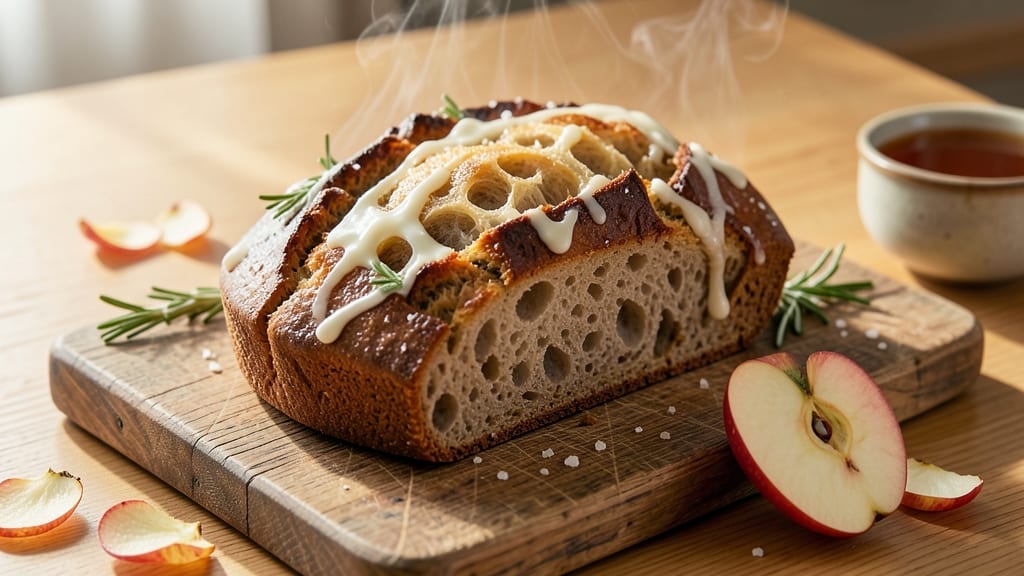
This apple cider yeast bread recipe transforms simple pantry staples into a warmly spiced loaf with a buttery crust and tender crumb—perfect for autumn tables. 🍂 The secret lies in activating yeast with apple cider, which infuses the dough with subtle sweetness and depth that baked flour alone can't match.
I developed this recipe after years of testing, balancing yeast fermentation with apple cider's natural acidity to create a loaf that's both flavorful and foolproof.
The dough comes together with just five core ingredients—flour, yeast, sugar, butter, and apple cider—plus optional cinnamon or walnuts for extra texture. No special equipment is needed beyond a mixing bowl and a loaf pan, making this ideal for home bakers of all levels.
The proofing stage is where the magic happens: letting the dough rise twice ensures a light, airy crumb while the cider's warmth enhances the yeast's activity, giving the bread its signature aroma.
What you'll end up with is a golden-brown loaf with a crisp crust that yields to soft, pillowy bread inside. The apple cider's caramel notes linger in every bite, while the butter adds richness without overpowering.
This bread isn't just for holidays—it's the kind of loaf that disappears faster than you can slice it, whether toasted with jam or served alongside soups.
For best results, use freshly opened apple cider and let the dough rest at room temperature before baking. The extra time allows flavors to meld, resulting in a loaf that tastes like it came from a bakery. Here's how to make it—step by step.
Ingredients for apple cider yeast bread
Five core ingredients plus optional extras create this autumnal loaf with crisp crust and tender crumb.
| Ingredient | Amount | Notes |
|---|---|---|
| All-Purpose Flour 🌾 | 4 cups | Sifted for best texture |
| Active Dry Yeast 🍞 | ½ tsp | Ensure it's fresh |
| Granulated Sugar 🍚 | 2 tbsp | White or light brown |
| Unsalted Butter 🧈 | ½ cup | Cold, cubed for mixing |
| Apple Cider 🍎 | ¾ cup | Freshly opened, room temp |
| Large Egg 🥚 | 1 whole | Room temperature |
| Ground Cinnamon 🌿 | 1 tsp | Optional for warmth |
| Salt 🧂 | ½ tsp | Kosher or sea salt |
| Walnuts 🌰 | ½ cup | Chopped, optional add-in |
| Milk 🥛 | ¼ cup | Warm for dough enrichment |
The apple cider is non-negotiable—freshly opened from a local orchard or Trader Joe's delivers the best flavor. Look for cider with minimal additives; the cloudy, unfiltered variety has the most depth. Butter should be cold and cubed (not melted)—this ensures proper dough development. For flour, King Arthur or Bob's Red Mill are reliable choices; avoid bread flour if you prefer a softer crumb. Walnuts, if using, should be toasted and chopped for extra crunch—Costco sells them pre-toasted for convenience.
No apple cider? Substitute with warm apple juice, but reduce by 2 tbsp to account for liquid content. Out of butter? Coconut oil or vegan butter works in a pinch, though texture may differ slightly. For the yeast, ensure it's active and fresh—test it in warm water with a pinch of sugar to confirm bubbles form. The milk can be swapped for warm water or plant-based milk, though dairy adds richness. Cinnamon is optional but recommended for that classic autumnal note—Penzeys offers high-quality ground cinnamon if you want to splurge.
Store any leftover bread in an airtight container at room temperature for 3-4 days, or freeze for up to 3 months. For best texture, reheat slices in a toaster or oven at 350°F for 5-10 minutes. The dough can be made ahead and refrigerated overnight for deeper flavor—just let it come to room temperature before shaping. Walnuts and cinnamon keep indefinitely in a cool, dark place; store cider in the fridge after opening.
Why You'll Love This Recipe
- No-Knead Magic: I swear by this—just mix, let it rise, and bake. The yeast does all the work while I sip my morning coffee.
- Cider Kiss: That warm apple cider aroma baking into the crust? It’s like autumn in every bite, with just enough sweetness to balance the buttery richness.
- Weeknight Workhorse: Toss together the dough in the morning, pop it in the oven before dinner, and you’ve got fresh bread for sandwiches or toast. (Yes, even on a Tuesday night.)
- Budget-Friendly Staple: Flour, yeast, butter—ingredients you already have—and it stretches to feed the whole family. My kids fight over the leftovers, and I’m not even joking.
Step-by-step instructions for apple cider yeast bread
Here's the method for crafting a tender, aromatic loaf with a buttery crust and warm apple cider notes.
👨🍳 Step 1: Activate the Yeast with Warm Apple Cider
In a small bowl, combine the 0.75 cup apple cider with 2 tbsp granulated sugar and warm it until it reaches 105-110°F—about 30 seconds in the microwave or 1 minute in a saucepan over low heat. Sprinkle the 0.5 tsp active dry yeast over the liquid and let sit for 5-10 minutes until foamy.
This step is crucial—it ensures your yeast is alive and ready to work. If it doesn't foam, your yeast is stale and you'll need to start over. I always test mine first by sprinkling a pinch in warm water with sugar to confirm it bubbles before committing to the full recipe.
👨🍳 Step 2: Mix the Dough Ingredients
In a large mixing bowl, combine the 4 cups all-purpose flour, 1 tsp ground cinnamon, and 0.5 tsp salt. Make a well in the center and pour in the yeast mixture, 0.25 cup warm milk, and 1 whole large egg. Mix with a wooden spoon until a shaggy dough forms.
Add the 0.5 cup cold cubed butter and use your hands to work it into the dough. If the dough feels too sticky, add 1 tablespoon flour at a time until it comes together. I like to fold the dough over itself a few times to incorporate the butter evenly—this creates those flaky layers later.
🥘 Step 3: Knead Until Elastic
Turn the dough onto a lightly floured surface and knead for 8-10 minutes until smooth and elastic. You'll know it's ready when it springs back slowly when poked. If the dough feels too dry, add 1 teaspoon milk at a time; if too sticky, add 1 tablespoon flour.
Fold in the 0.5 cup chopped walnuts during the last minute of kneading. This gives the bread texture and a subtle crunch. Place the dough in a lightly greased bowl, cover with a damp towel, and let rise in a warm place for 1-1.5 hours or until doubled in size.
🔥 Step 4: Shape and Proof the Dough
Punch down the risen dough and shape it into a round loaf on a parchment-lined baking sheet. Cover again and let proof for another 30-45 minutes until puffy. For extra flavor, brush the top with melted butter and sprinkle with a pinch of cinnamon and sugar.
Preheat your oven to 375°F with a baking stone or inverted baking sheet on the lower rack. This creates steam for a crispy crust. Bake for 30-35 minutes until the bread is golden brown and sounds hollow when tapped on the bottom.
⏰ Step 5: Cool and Enjoy
Transfer the bread to a wire rack to cool for at least 15 minutes before slicing. The internal temperature should drop to 100°F for the best texture. Serve warm with extra butter or apple cider glaze for that perfect autumnal touch.
This bread keeps well for 3 days wrapped at room temperature or frozen for up to 1 month. The flavor actually deepens as it sits, making it perfect for toast or sandwiches.
Pro Tips For Making Apple Cider Yeast Bread
- WARM THE CIDER FIRST: The apple cider’s temperature makes or breaks the yeast. Pour it into a microwave-safe bowl with a splash of warm water (about 110°F) and let it sit for 2 minutes—this jumpstarts fermentation and prevents sluggish dough. I used to skip this, and my bread always took forever to rise.
- MEASURE BUTTER COLD: Cut that unsalted butter straight from the fridge into small cubes—no softening needed. Cold butter creates pockets of richness in the crumb, and it won’t melt into a greasy mess when the dough gets warm. Trust me, your bread will taste like a bakery loaf if you resist the urge to "help" it soften.
- DON’T OVERHOOK THE DOUGH: Two minutes of vigorous stretching and folding is enough—any more and you’ll develop the gluten like pizza dough. This bread relies on a tender crumb, not chewiness. Work quickly but gently, and stop when the surface gets slightly tacky but not sticky.
- USE A DAMP TOWEL FOR RISE: Cover the risen dough with a damp kitchen towel instead of plastic wrap. The towel traps moisture without suffocating the yeast, giving you a smoother, taller loaf. I learned this after my first batch collapsed—turns out, yeast needs to breathe a little.
Creative variations of these flavors
Spiced Caramel Swirl
Add ¼ cup caramel sauce (homemade or store-bought like Trader Joe's) to the dough after kneading, then fold it in gently. For extra warmth, mix 1 tsp cinnamon and ½ tsp ginger into the caramel before adding. Swirl the dough with a knife before shaping for marbled beauty. 🍯
Apple Cider Glaze
Brush the baked loaf with a glaze made from ½ cup apple cider reduced by half with 1 tbsp honey and 1 tsp vanilla extract. Simmer in a small saucepan for 5-7 minutes until syrupy. Drizzle over warm bread for extra shine and depth.
Pumpkin Spice Twist
Replace ½ cup flour with ½ cup pumpkin puree (unsweetened) and add 1 tsp pumpkin pie spice to the dough. This creates a moist, flavorful loaf with autumnal notes. Use Libby's pumpkin puree for consistency.
Rosemary & Honey
Add 1 tbsp chopped fresh rosemary and 2 tbsp honey to the dough during mixing. The rosemary adds earthy depth while the honey enhances the apple cider's sweetness. Toast the rosemary for 2 minutes in a dry pan before adding for intensified flavor.
Cranberry Walnut
Fold in ½ cup dried cranberries (chopped) along with the walnuts during kneading. The tartness balances the bread's richness. Use Ocean Spray cranberries for consistent texture. 🍇
Sourdough Hybrid
Replace ½ cup apple cider with ½ cup sourdough starter (unfed) and reduce yeast to ¼ tsp. This creates a tangy, complex loaf with a chewier texture. Feed your starter 24 hours before using for best results.
Nutrition facts
Frequently asked questions
Can I substitute apple cider with apple juice?
Yes, but reduce the amount by 2 tablespoons since apple juice is less concentrated. For best flavor, use freshly pressed juice and add ½ teaspoon extra cinnamon to compensate. The bread will still taste delicious, though the depth of apple cider's caramel notes will be slightly muted.
Why did my apple cider bread turn out dense instead of light?
Dense bread usually means the yeast didn't activate properly or the dough didn't rise enough. Double-check your yeast by testing it in warm water first—it should foam within 5-10 minutes. Also, ensure your kitchen is warm (75°F+) for rising, and let the dough proof until it visibly doubles in size. Cold environments slow yeast activity.
How can I make this bread vegan?
Replace the 1 large egg with 1 flax egg (1 tbsp ground flaxseed + 3 tbsp water) and swap butter for ½ cup vegan butter or coconut oil. Use plant-based milk for the ¼ cup milk and ensure your yeast is fresh. The texture will be slightly denser but still delicious—great for toast or sandwiches!
Can I bake this in a different pan shape?
Shape the dough into a freeform round, braid, or even a mini loaf pan. For a 9x13-inch pan, flatten the dough into a rectangle and bake for 25-30 minutes at 375°F. A Dutch oven works well too—place the shaped dough inside and bake for 35-40 minutes for a crispier crust.
What's the best way to reheat stale apple cider bread?
Slice the bread and warm it in a toaster for 2-3 minutes or in a 350°F oven for 5-7 minutes with a splash of water in the pan. For extra moisture, brush slices with melted butter before reheating. Avoid the microwave—it makes the bread gummy. Freshly baked slices stay soft for 2 days if stored in an airtight container.