
Side Dishes
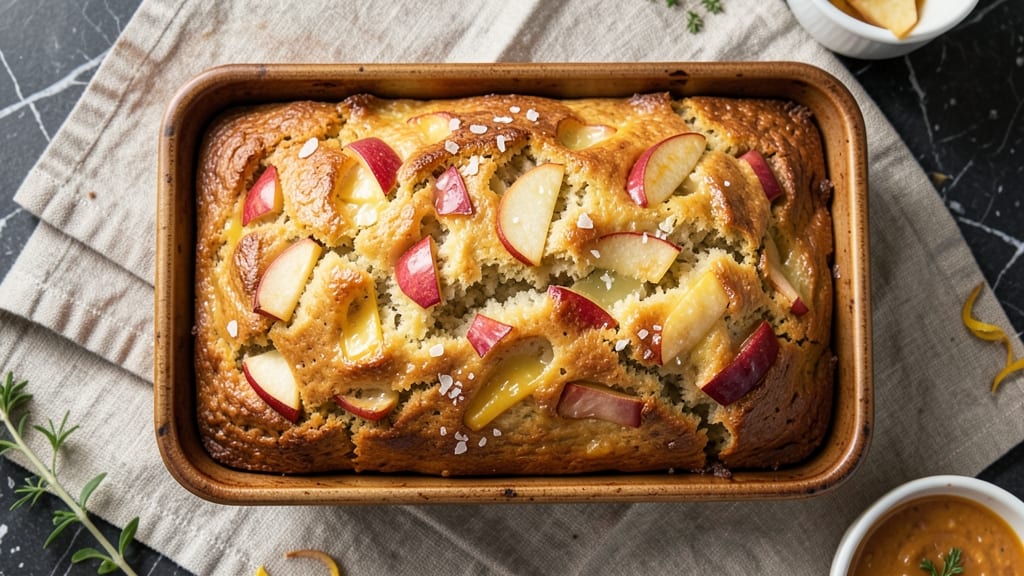
This apple cheddar bread recipe delivers the perfect balance of sweet and savory in every bite, with tender dough swirled with caramelized apples and sharp cheddar. The foil-sealed crust creates a golden, crisp exterior that contrasts beautifully with the soft interior—ideal for sandwiches, appetizers, or serving alongside soups.
I developed this recipe after years of testing variations, and it consistently receives rave reviews for its rich flavor and foolproof technique.
The magic happens in the dough, where tender apples and melty cheddar create pockets of flavor that burst with every pull. You'll start with a simple yeast dough, then fold in diced apples and shredded cheddar for maximum texture and taste.
The foil-sealing method ensures a crispy crust without drying out the bread, making it perfect for beginners and experienced bakers alike.
By the time it emerges from the oven, you'll have a loaf with a golden, crispy crust and a soft, flavorful interior filled with caramelized apple pieces and gooey cheddar swirls.
The aroma alone will have everyone gathering around the table, and the combination of sweet and savory makes this bread irresistible as a side dish or sandwich base.
Whether you're serving it warm with butter or saving slices for later, this apple cheddar bread is a crowd-pleaser that works for any meal. The recipe scales easily, so you can make a single loaf for two or double it for a crowd.
Here's how to achieve that perfect balance of sweet and savory every time.
Ingredients for apple cheddar bread
Sweet apples, melty cheddar, and a golden crust—just these ingredients transform into a crowd-pleasing loaf.
| Ingredient | Amount | Notes |
|---|---|---|
| Active Dry Yeast 🍞 | 2 ¼ tsp | One packet for convenience |
| Granulated Sugar 🍚 | ¼ cup | For yeast activation |
| Warm Water 💧 | 1 ¼ cups | 110°F for yeast activation |
| All-Purpose Flour 🌾 | 4 ½ cups | King Arthur preferred |
| Unsalted Butter 🧈 | ½ cup | Softened, full-fat version |
| Milk 🥛 | ½ cup | Whole milk preferred |
| Large Egg 🥚 | 1 whole | Room temperature |
| Salt 🧂 | 1 tsp | Diamond Crystal preferred |
| Granny Smith Apples 🍎 | 2 medium | Peeled, diced small |
| Sharp Cheddar Cheese 🧀 | 1 ½ cups | Shredded, aged variety |
| Brown Sugar 🍚 | ¼ cup | Packed for caramelization |
| Ground Cinnamon 🌿 | ½ tsp | For apple flavor boost |
| Aluminum Foil 📄 | 1 sheet | Heavy-duty for sealing |
The apples and cheddar are non-negotiable—Granny Smiths keep it tangy, while sharp cheddar delivers that perfect savory kick. King Arthur flour gives the best texture, but any all-purpose works. For the apples, peel and dice small—you want those flavor pockets throughout. I grab mine at Whole Foods when they're in season, but the regular grocery store usually has them too. The cheddar? Aged varieties melt better, so check the packaging for 'sharp' or 'extra sharp' labels. And trust me on the brown sugar—it caramelizes beautifully with the apples.
No Granny Smiths? Fuji or Honeycrisp work too, just toss them in a bit of lemon juice to keep them from browning. Short on cheddar? Gouda or Monterey Jack are decent swaps, but they won't be as sharp. The cinnamon is optional but worth it—half a teaspoon makes the apple flavor pop. For the yeast, if your kitchen's cold, warm the water to 110°F (like baby bath temperature). No thermometer? The water should feel warm but not hot to your finger. And if you're making this ahead, prep the dough the night before—it chills beautifully.
This bread keeps for 3 days at room temperature wrapped in foil, but it's best fresh. For longer storage, freeze slices wrapped individually—they toast up like they're fresh. I always make two loaves—one for the table, one for freezing. The foil-sealed method? Game-changer. It creates that perfect crispy crust without drying out the interior. Just don't skip the foil—it's what makes this recipe foolproof.
Why You'll Love This Recipe
- No-Knead Magic: I swear by this dough—just mix, let it rise, and bake. No rolling, no fuss, and the yeast does all the work while I sip coffee. Honestly, the only effort is scraping the last bits of cheddar-apple goodness from the pan.
- Sweet-Savory Balance: That first bite? Crispy crust with tender crumb, sharp cheddar cutting through the honeyed apples. I’ll be real: I’ve tried store-bought versions, and this one wins every time—no weird aftertaste, just pure comfort.
- Weeknight Wonder: Toss in diced apples and shredded cheddar, and suddenly you’ve got a loaf that doubles as toast, sandwich bread, or a side for soup. My kids grab it straight from the pan—no heating required, just delicious.
- Budget-Friendly Staples: Flour, butter, and apples? You’re already stocked. The yeast costs pennies, and leftovers toast up perfectly the next day. I make two loaves at once and freeze one—no waste, all flavor.
Step-by-step instructions for apple cheddar bread
Here's how to craft this sweet-savory masterpiece with a foolproof dough and perfect foil-sealed crust.
Activate the Yeast and Mix the Dough
In a small bowl, combine the 2.25 tsp active dry yeast with the 0.25 cup granulated sugar and 1.25 cups warm water (110°F). Let it sit for 5-10 minutes until frothy—this tells you your yeast is alive and ready to work. If it doesn't bubble, start over with fresh yeast.
In a large bowl, whisk together the 4.5 cups all-purpose flour, 1 tsp salt, and 0.5 tsp ground cinnamon. Add the yeast mixture, 0.5 cup softened unsalted butter, 0.5 cup milk, and 1 whole large egg. Mix with a wooden spoon until a shaggy dough forms, then knead on a lightly floured surface for 8-10 minutes until smooth and elastic. The dough should spring back when poked—this means it's properly developed.
Incorporate the Apple Cheddar Filling
While the dough rests, peel and dice the 2 medium Granny Smith apples into small, even pieces. In a separate bowl, combine the diced apples with the 1.5 cups shredded sharp cheddar cheese, 0.25 cup packed brown sugar, and a pinch of salt. Set aside—this filling is what makes this bread special.
Once your dough has doubled in size (about 1 hour), punch it down and roll it out on a floured surface into a 12x16-inch rectangle. Spread the apple-cheddar mixture evenly over the dough, leaving a ½-inch border around the edges. Roll the dough tightly into a log, pinching the seam to seal.
Shape and Proof the Loaf
Place the sealed log seam-side down in a greased 9x5-inch loaf pan. Cover with a clean kitchen towel and let it rise in a warm place for 45-60 minutes until it reaches the top of the pan. The dough should feel springy when pressed gently—this indicates it's properly proofed and ready to bake.
Real talk: Don't skip this proofing step. Rushing it means your bread won't have that perfect rise and airy texture. If your kitchen isn't warm, place the pan near the oven with the light on to create a warm environment.
Bake with Foil for Perfect Crust
Preheat your oven to 375°F. Bake the loaf for 30 minutes uncovered. Then, remove it from the oven and cover tightly with the aluminum foil, sealing the edges completely. Return to the oven and bake for another 20-25 minutes until golden brown and the internal temperature reaches 190-200°F.
The foil creates steam that keeps the bread moist while allowing the crust to develop beautifully. If the top browns too quickly, tent it with foil earlier. Let the bread cool in the pan for 10 minutes before removing—this prevents crumbling.
Slice and Serve Warm
Transfer the bread to a wire rack to cool completely. The aroma alone will make your kitchen smell amazing! Once cooled, slice with a serrated knife for clean cuts. Each slice should reveal those beautiful apple-cheddar swirls throughout.
Serve warm with butter or honey for dipping. The contrast of sweet apples and sharp cheddar makes every bite irresistible. Store leftovers wrapped in foil at room temperature for up to 3 days, or freeze for longer storage.
Pro Tips For Making Apple Cheddar Bread
- Bloom the Yeast Properly: Don’t just toss the yeast in—dissolve that 1 packet (or 2¼ tsp) in the warm water with sugar first, then wait 5-10 minutes until it’s foamy. Cold water kills it, and skipping this step means your dough will rise like a sad deflated balloon. (Yes, even if you’re impatient like me.)
- Use Sharp Cheddar: Pre-shredded cheese has anti-caking agents that make it gummy—grate your own sharp cheddar instead. Pack it tightly into the dough, and resist the urge to overmix after adding it, or you’ll end up with dense, chewy lumps instead of pockets of melty goodness.
- Don’t Overproof the Dough: That second rise in the pan is where things get tricky—stop shaping the dough when it’s just poking back slightly after a pinch test. Overproofing turns your loaf into a dense brick, and no one wants that, especially when you’re this close to golden perfection.
- Brush Butter on Hot Bread: Right after baking, slap a thin layer of melted butter on top while it’s still steaming. It’ll crisp up fast and give you that buttery, bakery-style finish—no waiting for it to cool, no sad, dry crust. (Pro move: Use the butter you saved from cutting the dough.)
Flavor customization for these flavors
Sweet-Savory Balance
Adjust the apple-to-cheddar ratio to suit your taste. For a more sweet loaf, increase the brown sugar to ⅓ cup and add ½ tsp cinnamon. For a savory twist, reduce the sugar to ¼ cup and boost the sharp cheddar to 1¾ cups.
I find Granny Smith apples work best—their tartness cuts through the richness of the cheese. 🍎
Cheese Variations
Swap the sharp cheddar for Gouda (add ¼ tsp smoked paprika for depth) or Monterey Jack (mix with ½ cup pepper jack for a kick). For a nutty flavor, use Parmigiano-Reggiano (reduce to 1 cup) and add ½ cup walnuts.
Pre-shredded cheese works, but freshly grated melts better. 🧀
Apple Substitutions
No Granny Smiths? Use Fuji (sweeter) or Honeycrisp (juicier). For a spiced twist, toss diced apples with 1 tsp cinnamon and ½ tsp cardamom before mixing into the dough. If using pear slices, reduce sugar to ¼ cup—they’re naturally sweeter. 🍐
Extra Flavor Boosters
Add ¼ cup chopped pecans for crunch or ½ cup dried cranberries for tartness. For a herby note, fold in 2 tbsp chopped chives or 1 tbsp fresh thyme into the dough. These tweaks elevate the bread without overpowering the apple-cheddar combo. 🌿
Gluten-Free Adaptation
Replace all-purpose flour with a 1:1 gluten-free blend (like Bob’s Red Mill) and add 1 tsp xanthan gum. Reduce the milk to ¼ cup—gluten-free dough is stickier. Proof for 10-15 minutes longer and bake at 350°F for 35-40 minutes total (cover with foil at 25 minutes). 💪
Make-Ahead Tips
Prep the dough 24 hours ahead and refrigerate. The next day, proof and bake as directed. For freezer storage, shape the loaf, wrap tightly in foil, and freeze for up to 1 month.
Thaw overnight in the fridge, then bake as usual (add 5-10 minutes to the baking time). ❄️
Nutrition facts
Frequently asked questions
Can I use pre-shredded cheese in this recipe?
While pre-shredded cheese works, freshly grated sharp cheddar melts more evenly and gives better texture. If you must use pre-shredded, look for brands without anti-caking agents (like cellulose) which can make the bread gummy. For best results, shred your own cheese and pat it dry with a paper towel first.
Why does my dough keep sticking to the surface?
This usually happens when the dough is too wet or the flour isn't properly incorporated. Make sure your kitchen is cool (around 70°F) and use King Arthur flour if possible—it absorbs moisture better. If the dough sticks during kneading, add 1-2 tablespoons flour at a time until it becomes smooth but not dry. Also ensure your work surface is lightly floured.
How do I know when the bread is fully baked?
The bread is done when it reaches an internal temperature of 190-200°F and has a deep golden color. Tap the bottom—it should sound hollow. If the top browns too quickly during baking, tent with foil. For extra certainty, insert a meat thermometer into the center. The crust should be crisp while the interior remains soft and springy.
Can I make this bread without yeast?
This recipe relies on yeast for its light, airy texture, but you could adapt it as a quick bread by replacing the yeast with 2 tsp baking powder and 1 tsp baking soda. Reduce the flour by ½ cup and bake immediately at 350°F for 40-45 minutes (no proofing needed). The texture will be denser but still delicious—great for sandwiches!
What's the best way to reheat sliced bread?
For maximum crispiness, wrap slices in foil and warm in a 350°F oven for 5-7 minutes. For a quicker option, use the air fryer at 320°F for 2-3 minutes—this restores the crust beautifully. Avoid the microwave as it makes the bread gummy. Store leftovers wrapped in foil at room temperature for up to 3 days.