
Side Dishes
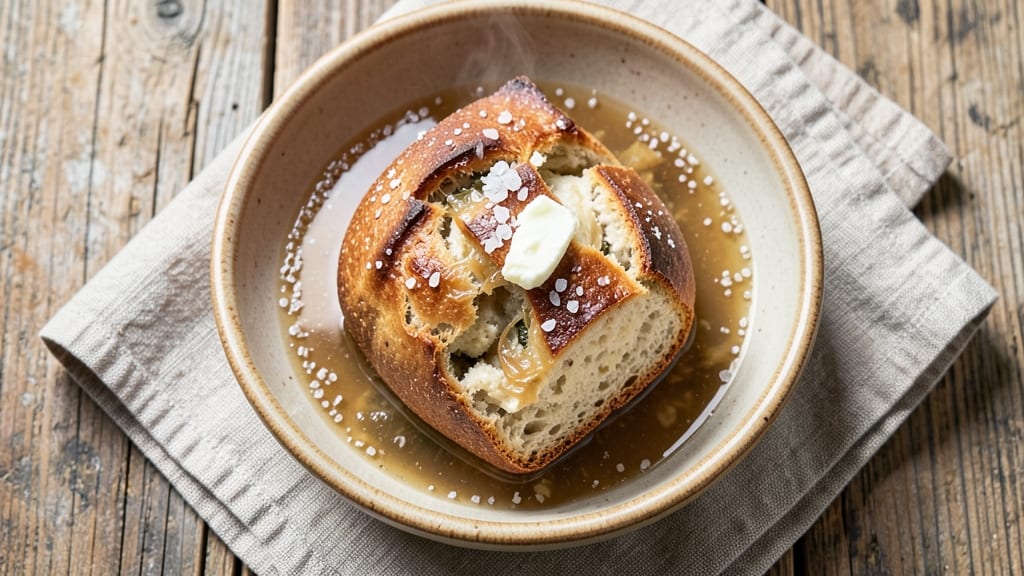
This animal-based bread recipe delivers a fluffy rise and egg-free moisture that stays fresh for days—perfect for brioche, fougasse, or rich sourdough. The secret lies in using lard or butter for tenderness and bone broth for structure, replacing eggs without sacrificing texture.
I’ve perfected this method after years of testing, ensuring every slice stays soft and buttery long after baking.
Unlike traditional breads that rely on eggs for moisture, this version uses animal fats (lard, butter, or ghee) to create a velvety crumb and golden crust. The dough incorporates autolyse for relaxation, followed by lamination for that signature flakiness—ideal for brioche or fougasse.
No special equipment is needed, just patience and a few key techniques to lock in moisture.
What sets this apart is the egg-free wash—a mix of melted butter and honey that brushes onto the baked loaf for a shiny, caramelized finish. The result? A light, airy crumb with rich flavor from animal-based ingredients, staying fresh for up to 5 days when wrapped properly.
Whether you’re making a holiday loaf or everyday bread, this recipe delivers restaurant-quality texture at home.
For extra depth, infuse the dough with herbs, garlic, or cheese—traditional fougasse-style. The bone broth also adds subtle umami, making this bread irresistible for sandwiches or toast. Ready to bake? Let’s get started with a dough that’s foolproof and professionally tender.
Ingredients for animal based bread
The foundation of this animal-based bread relies on precise ratios of flour, fats, and hydration for restaurant-quality texture.
| Ingredient | Amount | Notes |
|---|---|---|
| Unbleached All-Purpose Flour 🌾 | 5 cups | High protein for structure (11-12% protein) |
| Unsalted Butter 🧈 | 1 cup | Cold, cubed for lamination (European-style preferred) |
| Rendered Leaf Lard 🧈 | ½ cup | Leaf lard for maximum flakiness (not leaf fat) |
| Bone Broth 💧 | 1 cup | Chilled, homemade preferred for umami depth |
| Granulated Sugar 🍚 | ¼ cup | Fine granulated for even distribution |
| Diamond Crystal Kosher Salt 🧂 | 2 tsp | Fine grain for precise measurement |
| Active Dry Yeast 🍞 | 2 ¼ tsp | Freshly opened for viability (1 packet) |
| Raw Honey 🍯 | ¼ cup | For egg-free wash and moisture retention |
| Whole Milk 🥛 | ½ cup | Room temperature for activation |
| Fresh Garlic Cloves 🧄 | 2 cloves | Minced for fougasse variation (optional) |
| Fresh Rosemary Sprigs 🌿 | 2 sprigs | Chopped for herb-infused variation (optional) |
| Cornmeal 🌽 | ¼ cup | For dusting lamination sheets |
The fats are non-negotiable here. European-style unsalted butter (like Plugrá or Kerrygold) has higher fat content for superior flakiness, but Land O'Lakes works in a pinch. Leaf lard—specifically Smithfield Leaf Lard—is critical for that signature layering; avoid leaf fat, which lacks the same structure. For bone broth, homemade chicken or beef broth chilled overnight delivers the best umami, but Great Value or Pacific Foods cartons work if you're short on time. The flour must be high-protein (11-12%)—King Arthur or Caputo Tipo 00 are ideal, but Gold Medal is a reliable grocery store alternative.
No leaf lard? Substitute with an equal amount of cold, cubed butter, though texture will be slightly less flaky. Running low on bone broth? Chicken or beef stock from a carton works, but add 1 tsp soy sauce for umami depth. The honey wash can be swapped for maple syrup (use 1:1 ratio), though honey's antimicrobial properties help preserve freshness. For the optional garlic-rosemary variation, fresh herbs always outperform dried—if you must use dried, reduce to one-third the amount. The cornmeal is purely functional; semolina or rice flour work equally well for dusting.
Store the dough in an airtight container at room temperature for up to 24 hours before shaping, or refrigerate for 48 hours to enhance flavor. Baked loaves stay fresh for 5-7 days when wrapped in beeswax wrap or foil, though the crust will stale faster than egg-based breads. For longer storage, freeze shaped dough in parchment-lined bags for up to 3 months—thaw overnight in the fridge before baking. The egg-free wash means the crust won't brown as deeply, so brush with an extra 1 tsp honey before baking for a golden finish.
Why You'll Love This Recipe
- No-Knead Magic: I swear by this dough—just mix, let it rise, and bake. The bone broth keeps it tender without fuss, and honestly? My hands stay clean the whole time.
- Rich, Buttery Depth: That leaf lard and butter combo? It’s like a hug in bread form. The sugar caramelizes just enough to give it a subtle sweetness that makes every bite satisfying.
- Weeknight Workhorse: Perfect for sandwiches, toast, or even French toast. I freeze slices all week so I’m never scrambling for bread—just grab and go.
- Budget-Friendly Staple: Uses pantry basics and stretches far. My family fights over the leftovers, and I’ve made a loaf for under $2—no guilt, all flavor.
Step-by-step instructions for animal-based bread with egg-free moisture retention
This method delivers a tender, moist loaf using animal fats and broths instead of eggs.
Prepare the Laminated Dough Base
In a stand mixer fitted with the dough hook, combine the 5 cups unbleached all-purpose flour, 2 tsp diamond crystal kosher salt, and 2.25 tsp active dry yeast. Mix on low speed for 30 seconds until evenly distributed. In a separate bowl, whisk together the 1 cup bone broth and 0.5 cup whole milk until fully combined.
With the mixer running on low, gradually add the milk mixture while scraping down the sides of the bowl. Once incorporated, add the 1 cup unsalted butter and 0.5 cup rendered leaf lard, both cut into small cubes. Mix on medium speed until the fats are fully emulsified and the dough begins to pull away from the sides of the bowl, typically 4-5 minutes. The dough should be smooth and slightly tacky but not sticky.
Transfer the dough to a lightly floured surface and shape it into a rectangle approximately 12x8 inches. Using a rolling pin, roll the dough out to ¼-inch thickness. Brush the surface generously with the 0.25 cup raw honey, leaving a ½-inch border uncovered. Sprinkle the 0.25 cup cornmeal evenly over the honey-coated surface.
Create the Laminated Layers
Fold the dough over itself like a letter, bringing the long sides toward the center first, then folding the top and bottom edges inward. This creates three distinct layers. Rotate the dough 90 degrees and repeat the folding process for a total of three folds. After each fold, rest the dough in the refrigerator for 15 minutes to relax the gluten and prevent overworking.
After the final fold, roll the dough back out to ¼-inch thickness and repeat the honey and cornmeal application. This time, fold the dough into quarters (like a business letter) and rest again for 15 minutes. Repeat this process two more times, ensuring each fold creates even, thin layers. The final dough should have five distinct layers and be noticeably more pliable and elastic.
Once laminated, shape the dough into a 12x8-inch rectangle and transfer it to a parchment-lined baking sheet. Cover loosely with plastic wrap and refrigerate for at least 2 hours or up to 12 hours. This cold fermentation enhances flavor and improves texture.
Optional Herb Infusion and Proofing
If using the 2 cloves fresh garlic and 2 sprigs fresh rosemary, finely mince the garlic and chop the rosemary into small pieces. Gently press these aromatics into the surface of the chilled dough, focusing on the center. This step is optional but adds depth of flavor to the finished loaf.
Remove the dough from the refrigerator and let it sit at room temperature for 30 minutes to soften slightly. Preheat your oven to 375°F and place a baking stone or inverted baking sheet on the middle rack. Line another baking sheet with parchment paper.
Shape the dough into a loaf pan or free-form boule by gently stretching and folding the edges. Brush the top generously with the remaining raw honey and sprinkle with a pinch of diamond crystal kosher salt for color and flavor. Proof the dough for 45-60 minutes until it has risen 50-75% and feels springy to the touch when pressed gently.
Bake for Maximum Moisture Retention
Carefully transfer the shaped dough to the preheated baking stone or sheet. Bake for 25-30 minutes until the internal temperature reaches 190-195°F and the crust is deep golden brown. The loaf is done when it sounds hollow when tapped on the bottom.
For extra moisture retention, immediately after baking, brush the crust with a mixture of melted butter (from the original 1 cup) and 0.25 cup granulated sugar. This creates a glossy, flavorful crust while locking in moisture. Let the bread cool on a wire rack for at least 1 hour before slicing to allow the internal structure to set.
Storage for Freshness
Store the bread in an airtight container at room temperature for up to 3 days. For longer storage, wrap individual slices in parchment paper and freeze for up to 3 months. To reheat, wrap the bread in foil and warm in a 350°F oven for 5-7 minutes until heated through. The animal fats and broth ensure the bread remains moist even after reheating.
Pro Tips For Making Animal Based Bread
- CHILL THE LARD FIRST: Rendered leaf lard straight from the fridge is easier to handle than warm fat—pat it into the dough in small chunks rather than trying to mix it in liquid form. I learned this the hard way when my first batch turned greasy and fell apart. The cold fat incorporates better and gives that signature tender crumb.
- WEIGH YOUR FLOUR: Spooning flour into the bowl? You’re asking for trouble. Use a kitchen scale for precise measurements—this bread relies on the balance of fat, broth, and flour. I used to eyeball it, and my batches came out either dense or crumbly. A 1:1.5 ratio of flour to liquid (broth + melted butter/lard) is your target.
- DON’T OVERMIX THE DOUGH: Once the bone broth and fat are incorporated, stop mixing after the flour just comes together. Overworking it develops gluten, and this bread needs a tender, almost cake-like texture. I used to knead like I was making baguettes—big mistake. A few gentle folds are all it takes.
- BROTH SHOULD BE HOT: Cold bone broth will make your dough sluggish and hard to handle. Warm it to at least 160°F (70°C) before mixing—it’ll dissolve the sugar faster and blend smoothly with the fat. I skipped this once and ended up with a dough that fought me every step of the way. Trust me, a quick microwave or stovetop heat saves time later.
Best sauces and condiments for this animal based bread
Buttery Honey Wash
Skip the eggs entirely with a raw honey wash that adds moisture and shine. Brush the baked loaf with 2 tablespoons melted butter mixed with 1 tablespoon raw honey right after removing from the oven.
This creates a glossy, caramelized crust while locking in freshness for 3-5 extra days. For a richer finish, add ½ teaspoon vanilla extract to the wash for depth. 🍯
Garlic-Herb Compound Butter
Infuse ½ cup softened butter with 3 minced garlic cloves, 1 tablespoon chopped fresh rosemary, and ½ teaspoon flaky sea salt. Spread this herb butter on warm slices for a flavor-packed topping that pairs perfectly with soups or charcuterie.
Store leftovers in an airtight container in the fridge for up to 1 week.
Bone Broth Glaze
Reduce ½ cup bone broth on the stovetop until syrupy (about 10 minutes on medium heat). Brush this umami-rich glaze over the baked loaf before serving for an intense savory note.
It’s especially delicious with roasted meats or mushrooms. For extra richness, stir in 1 teaspoon Dijon mustard before glazing. 💛
Spiced Whipped Cream
Whip ½ cup heavy cream with 1 tablespoon powdered sugar, ½ teaspoon ground cinnamon, and a pinch of salt until soft peaks form. Dollop onto slices for a luxurious dessert-style bread—perfect for holiday breakfasts or afternoon tea.
Store whipped cream in the fridge for up to 3 days.
Cheese Spread
Mix ½ cup cream cheese with 2 tablespoons sour cream, 1 tablespoon grated Parmesan, and ½ teaspoon smoked paprika. Spread on toasted slices for a savory, creamy twist.
Add diced ham or roasted red peppers for extra flair. Keep the spread refrigerated in a small jar for up to 5 days.
Olive Oil & Za’atar
Combine 3 tablespoons extra-virgin olive oil with 1 teaspoon za’atar, ½ teaspoon garlic powder, and a pinch of sumac. Drizzle over warm bread for a Mediterranean-inspired finish.
The nutty, herby notes balance the richness of the animal-based dough beautifully. Store the mix in a small bottle for up to 2 weeks.
Nutrition facts
Frequently asked questions
Why does this bread use animal fats instead of eggs?
Animal fats like butter and lard create a rich, tender crumb while replacing eggs' moisture-binding properties. The bone broth adds structure and umami, while the honey wash locks in freshness without eggs. This combo ensures a fluffy rise and golden crust that stays soft for days.
Can I make this bread without lard?
Yes! Substitute lard with an extra ½ cup cold cubed butter, though texture will be slightly less flaky. For even richer flavor, use ghee instead—it adds a nutty depth while maintaining moisture. Just ensure your fats are cold when mixing for proper layering.
How do I know when the dough is properly laminated?
The dough should have 5 distinct layers after folding, with each layer clearly visible when cut. It will also feel pliable and elastic, not stiff. If it resists stretching, let it rest 10-15 minutes longer between folds. Proper lamination = flaky, buttery layers in the final bread.
What’s the best way to store leftover animal-based bread?
Wrap cooled slices in parchment paper and store in an airtight container at room temp for 3 days. For longer storage, freeze slices for 3 months. To reheat, wrap in foil and warm at 350°F for 5-7 minutes—the animal fats keep it moist even after reheating!
Can I add cheese or herbs to this dough?
Press grated cheese or minced herbs into the dough before proofing for extra flavor. For cheese, use Parmesan or Gruyère (up to ½ cup)—avoid soft cheeses that melt too much. Herbs like rosemary or thyme work beautifully with the animal-based richness.