
Side Dishes
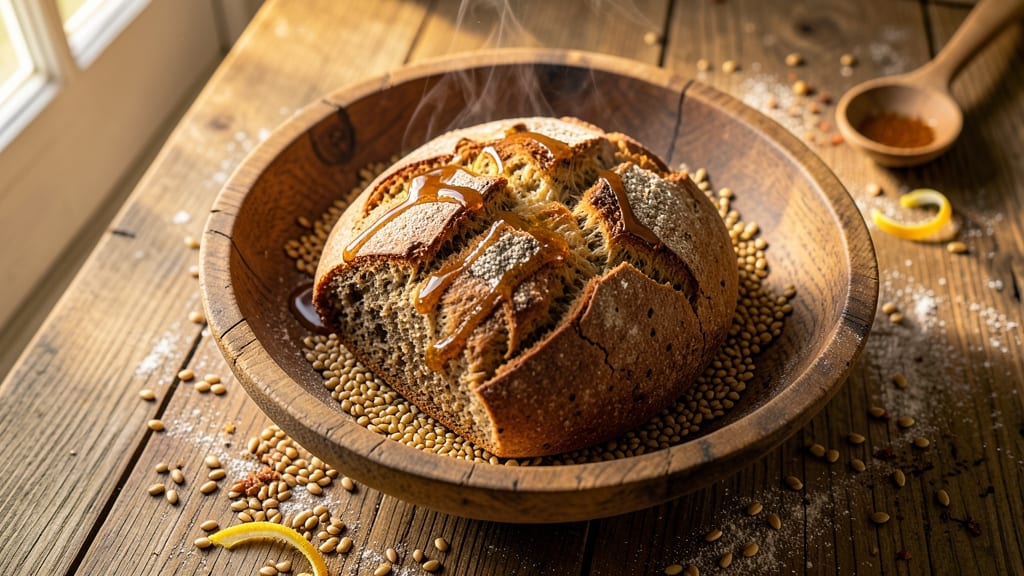
Anglo-Saxon bread recipe brings history to your kitchen with its rustic chew and ancient grain crust—just like the loaves that fed medieval villagers. This recipe stays true to the original ingredients while adapting for modern ovens, using rye or barley flour, water, and salt to create a dense, hearty loaf with a satisfying crunch. The slow fermentation develops deep flavor, mirroring the patient techniques of Anglo-Saxon bakers who relied on natural yeast from wild grains.
The beauty of this bread lies in its simplicity and authenticity. Unlike modern quick breads, this version requires time—whether through a sourdough starter or a long yeast rise—to achieve its signature texture.
The crust develops a crisp, golden-brown exterior when baked in a Dutch oven, mimicking the hearth-style cooking of the era. Inside, the crumb remains dense and moist, perfect for soaking up stews or pairing with honey and cheese.
What makes this recipe special is its connection to history while remaining accessible. Anglo-Saxons relied on these grains for sustenance, and today, you can recreate that same nourishing loaf with minimal ingredients.
The bread’s rustic chew and earthy flavor make it a standout side dish, whether served at a medieval-themed feast or as a hearty addition to any meal. It’s a taste of the past, brought to life in your kitchen.
Ready to bake? This recipe delivers a loaf that’s both historically accurate and delicious—no special equipment needed beyond a Dutch oven or heavy baking dish. The process is straightforward, but the results are unforgettable, offering a glimpse into the bread-making traditions of Anglo-Saxon England. Let’s get started!
Ingredients for anglo saxon bread
Four ancient grains and a pinch of salt—this bread tastes like history.
| Ingredient | Amount | Notes |
|---|---|---|
| Rye Flour 🌾 | 2 cups | Dark rye for authentic flavor |
| Barley Flour 🌾 | 1 cup | Ground from whole barley grain |
| All-Purpose Flour 🌾 | 1 cup | Balances texture and rise |
| Active Dry Yeast 🍞 | ¼ oz | Or 2.5 grams for precision |
| Warm Water 💧 | 1 ½ cups | 105-110°F for activation |
| Honey 🍯 | 2 tbsp | Feeds yeast and adds sweetness |
| Sea Salt 🧂 | 1 ½ tsp | Fine grain preferred |
| Olive Oil 🫒 | 2 tbsp | For dough elasticity |
| Whole Milk 🥛 | ½ cup | Enhances crust browning |
| Cornmeal 🌽 | 2 tbsp | For dusting Dutch oven |
The flours are the heart of this recipe. Dark rye flour gives the signature earthy flavor, while barley flour adds rustic texture—both were staples in Anglo-Saxon diets. I source mine from King Arthur Flour or Bob's Red Mill for consistent quality. The all-purpose flour balances the dense crumb, so don't skip it. For yeast, Fresh Prestige works beautifully if you prefer fresh over active dry, but adjust to 0.5 oz for the same rise. The honey isn't just for sweetness—it's what the Anglo-Saxons used to feed their wild yeast cultures.
No rye flour? Substitute with whole wheat flour at a 1:1 ratio, though the flavor will be milder. Barley flour can be replaced with whole wheat pastry flour, but the texture will be slightly denser. Running short on olive oil? Melted lard (if vegetarian isn't required) or vegetable shortening works for structure, though the crust won't be as crisp. The milk can be swapped for buttermilk for extra tang, or even water with a splash of vinegar if you're avoiding dairy. For the yeast activation, make sure your water is warm but not hot—105-110°F is ideal, or just warm enough to touch but not burn.
This dough is best made a day ahead—48 hours in the fridge develops the deepest flavor. Store it in an airtight container with a damp towel to prevent drying. The baked loaf keeps well for 5-7 days at room temperature, wrapped in a cloth, or 1 month frozen. For reheating, wrap in foil and warm in a 350°F oven for 10 minutes. The crust gets crispier as it cools, so slice just before serving. Leftovers make incredible toast—Anglo-Saxons would approve.
Why You'll Love This Recipe
- No-Knead Magic: I swear by this dough—just mix the rye, barley, and all-purpose flours with yeast and warm water, let it rise overnight, and boom. No standing at the counter, no tired arms, just pure, lazy satisfaction.
- Earthy Depth: That rye and barley blend? It’s not just bread—it’s a flavor punch. The crust gets a gorgeous dark crust, while the inside stays hearty and slightly sweet, like a hug from a medieval baker.
- Weeknight Hero: Between us, this is my go-to for sandwiches, toast, or even a quick charcuterie board. The loaves freeze like champs, so I bake two on Sundays and pull them out all week without a second thought.
Step-by-step instructions for Anglo-saxon bread
Authentic ancient grain bread requires patience and precision—here's how to capture its rustic charm.
Activate the Yeast with Warm Water and Honey
In a medium bowl, combine the 1.5 cups warm water (between 105-110°F) with the 2 tablespoons honey and 0.25 oz active dry yeast. Let this mixture sit for 5-10 minutes until it becomes frothy and bubbles form at the surface—this confirms the yeast is alive and ready to work. I always check the water temperature first with a thermometer to avoid killing the yeast with heat.
The honey serves a dual purpose here: it feeds the yeast while adding subtle sweetness that balances the earthy rye and barley flavors. If the mixture doesn't bubble within 10 minutes, your yeast may be inactive—start fresh with new yeast and slightly warmer water (110°F). This foundational step determines whether your bread will rise properly later.
Mix the Dough with All Ingredients
In a large mixing bowl, combine the 2 cups rye flour, 1 cup barley flour, and 1 cup all-purpose flour. Create a well in the center and pour in the yeast mixture along with the 2 tablespoons olive oil, 0.5 cup whole milk, and 1.5 teaspoons sea salt. Using a wooden spoon or dough whisk, stir vigorously until a shaggy dough begins to form—this usually takes about 2-3 minutes of mixing.
Once the dough comes together, turn it out onto a lightly floured surface and knead for 8-10 minutes by hand. You're looking for a smooth, slightly tacky dough that springs back when poked. The combination of rye and barley flours makes this dough denser than typical bread dough, so don't be surprised if it feels heavier. The olive oil and milk contribute to a tender crumb while the sea salt enhances all the ancient grain flavors.
First Rise for Maximum Flavor Development
Lightly oil a large bowl, place the dough inside, and cover with a damp kitchen towel or plastic wrap. Let it rise in a warm place (I place mine near the oven with the light on) for 1.5-2 hours or until it has nearly doubled in size. The rye flour will make this dough rise more slowly than standard bread dough, so be patient—rushing this step results in dense, flat bread.
During this time, the yeast will work its magic, creating air pockets that give the bread its characteristic open crumb structure. You'll know it's ready when the dough feels light and springs back slowly when poked. If your kitchen is cold, extend the rising time to 2.5 hours—temperature affects fermentation speed significantly. The longer you can let this dough rise, the more complex flavors will develop.
Shape and Second Rise for Crust Development
Gently punch down the risen dough to release air, then divide it into 4 equal portions. Shape each portion into a round loaf by pulling the edges toward the center and sealing the seam. Place each loaf on a parchment-lined baking sheet and cover loosely with the damp towel. Let them rise again for 30-45 minutes until puffy—this second rise creates that signature Anglo-Saxon bread texture with a thick, crackly crust.
The shaping step is crucial for authentic results. Anglo-Saxon bread was typically baked in round shapes, often on hot stones. The second rise allows the dough to expand slightly before baking, which creates those beautiful air pockets and crisp exterior. If your kitchen is particularly warm, you might need only 20 minutes for this final rise—watch for the dough to puff noticeably.
Bake in a Preheated Dutch Oven for Crisp Crust
Preheat your oven to 425°F with the Dutch oven inside for 30 minutes to ensure even heat distribution. Carefully transfer one loaf to the hot Dutch oven (use parchment paper for easier handling) and sprinkle the top with 1 tablespoon cornmeal. Bake uncovered for 25-30 minutes until the crust is deep golden brown and sounds hollow when tapped on the bottom.
This high-heat, enclosed baking method creates the signature thick crust while keeping the interior moist. Rotate the Dutch oven halfway through baking for even browning. If you notice the crust browning too quickly, tent loosely with foil. The bread is done when it reaches an internal temperature of 190-195°F—the cornmeal adds texture and prevents sticking while enhancing that rustic appearance.
Pro Tips For Making Anglo Saxon Bread
- Mix the Yeast Last: Anglo-Saxon bread relies on those dense, chewy textures—don’t rush the yeast activation. After mixing your rye and barley flours (and all-purpose) with water, let the dry ingredients sit for 10 minutes first. This hydrates the tougher flours better, so when you add the yeast, it gets to work on a properly softened base. I used to toss everything in at once, and the dough always felt gummy.
- Use Lukewarm, Not Hot, Water: Yeast hates extremes, and this bread isn’t forgiving. Test your water—it should feel like a warm bath, not a sauna. If it’s too hot, the yeast will cook instead of activate. I learned this after a batch failed silently, and the dough never rose. A quick thermometer check (around 85°F/29°C) saves guesswork.
- Skip the Over-Kneading: This isn’t sourdough—you’re not chasing gluten development. The rye and barley flours make the dough dense by nature, so knead just until the ingredients come together (about 5 minutes by hand). Overwork it, and you’ll end up with a tough, dry loaf. My first batch was a brick because I treated it like wheat bread.
- Steam the First 20 Minutes: The crust on Anglo-Saxon bread should be dark and crackly, not pale and dry. Place a metal tray on the oven rack below your loaf, then pour boiling water into it as soon as the oven hits 375°F (190°C). The steam mimics a Dutch oven’s effect and guarantees that signature crust without needing one. I tried baking it dry first—big mistake.
Regional styles of this anglo saxon bread
Medieval Hearth Baking
Anglo-Saxon bakers relied on hearth-style cooking, baking their bread directly on hot stones or in clay ovens. To recreate this at home, use a cast-iron skillet or Dutch oven preheated to 450°F for 15-20 minutes before adding the dough.
The intense, even heat mimics the open-fire conditions of medieval kitchens. I often place a few dried herbs like thyme or rosemary on the hot surface before adding the bread for an authentic aroma. 🔥
Scandinavian Rye Variations
In Viking-influenced regions, bread often incorporated more rye flour and less barley, creating a darker, denser loaf. For a Scandinavian twist, replace ½ cup all-purpose flour with ½ cup whole rye flour and add 1 teaspoon caraway seeds to the dough.
The caraway adds a subtle anise-like flavor that was common in Northern European breads. Bake in a stoneware pot for a crustier texture similar to traditional rugbrød.
Irish Oat Enrichment
Celtic-influenced Anglo-Saxon bread sometimes included ground oats for added heartiness. Stir in ½ cup rolled oats with the dry ingredients for a nuttier, chewier texture. The oats absorb moisture differently, so you may need to add 1 extra tablespoon of water to the dough.
This variation was common in border regions where oats grew well, and it pairs beautifully with butter and honey—a medieval favorite. 🌾
Modern Dutch Oven Adaptations
For home cooks without traditional equipment, a Dutch oven is the closest modern substitute. Preheat it for 30 minutes at 425°F, then bake the bread for 25-30 minutes until the crust is deep golden.
If you don’t have a Dutch oven, a heavy steel pot with a lid works too. For extra crispness, brush the loaves with melted butter after baking. This method ensures the bread develops that signature thick, crackly crust without specialized tools.
Herbal Anglo-Saxon Twists
Medieval bakers often added wild herbs like yarrow, mugwort, or marjoram for flavor and preservation. For an authentic touch, mix 1 teaspoon dried marjoram (or ½ teaspoon fresh) into the dough before shaping.
These herbs were believed to ward off evil spirits and improve digestion—plus, they add a lovely earthy depth. If you can’t find marjoram, dried thyme works beautifully too. 🌿
Slow-Fermented Sourdough Style
For a truly ancient approach, replace the yeast with a sourdough starter. Mix ½ cup active starter with the warm water and honey, then proceed with the recipe. The fermentation process takes 24-48 hours in the fridge, developing tangy, complex flavors that mirror the slow-fermented breads of the era.
This method was common before commercial yeast existed, and it creates a denser, more rustic crumb with a wild yeast tang. Perfect for those who love the challenge of traditional baking! 🍞
Nutrition facts
Frequently asked questions about ancient grain bread
Why does this bread need such a long rise time?
The combination of rye and barley flours makes this dough rise more slowly than modern breads. The 1.5-2 hour first rise allows the yeast to fully develop flavor and create the signature open crumb structure that Anglo-Saxon bakers relied on. The dense flours also require more time to hydrate properly, which is why patience pays off with a better texture and deeper taste.
Can I make this bread without a Dutch oven?
Use a heavy cast-iron skillet or even a stoneware baking dish preheated for 30 minutes at 425°F. For extra crispness, place the shaped loaves on a baking sheet and bake for 20-25 minutes before transferring to a rack to cool. The key is maintaining high heat to create that thick, crackly crust. If your oven runs hot, tent with foil after 15 minutes to prevent over-browning.
What herbs were traditionally used in Anglo-Saxon bread?
Medieval bakers often incorporated wild herbs like marjoram, thyme, or mugwort for flavor and preservation. These herbs weren't just for taste—they were believed to have medicinal properties. For authenticity, try adding 1 teaspoon dried marjoram or ½ teaspoon fresh thyme to the dough. The earthy notes complement the rye and barley beautifully.
How do I store this bread to keep it fresh?
Wrap the cooled loaves in a clean kitchen towel or beeswax wrap and store at room temperature for 5-7 days. For longer storage, freeze the bread (wrapped tightly) for up to 1 month. To reheat, wrap in foil and warm in a 350°F oven for 10 minutes. The crust will crisp up again, just like fresh-baked bread.
Can I substitute whole wheat flour for rye?
Yes, but the flavor will be milder. Replace rye flour with whole wheat flour at a 1:1 ratio, though the texture will be slightly denser. For best results, use dark rye flour if available—it has the authentic earthy taste. If you're short on barley flour, whole wheat pastry flour works too, though the crumb will be a bit heavier. The key is balancing the dense flours with enough liquid for proper hydration.