
Side Dishes
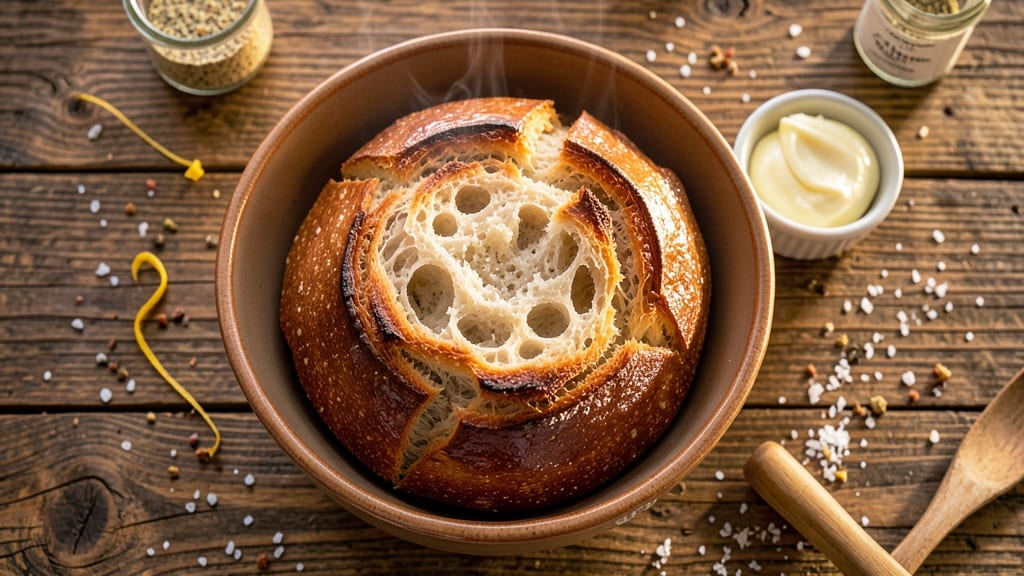
This Angelo's bread recipe brings the golden, crispy magic of Italian-American diners straight to your kitchen. The secret lies in a perfectly balanced dough that transforms into a pull-apart loaf with a caramelized crust and tender interior—just like Angelo's iconic original.
Professional bakers swear by this method, and now you can achieve the same restaurant-quality results at home with simple ingredients and precise technique.
The recipe starts with a classic Italian bread dough—flour, yeast, water, and a touch of sugar—that develops flavor during a slow rise. What sets this apart is the foil-sealed baking method, which traps steam for an ultra-crispy exterior while keeping the inside soft.
The final touch? A za'atar crunch topping that adds Middle Eastern flair with its nutty, herby complexity, though traditional garlic butter works just as well for an Italian twist.
By the time you pull that first golden-brown slice from the oven, you'll understand why this bread has been a staple in Italian-American kitchens for decades.
The aroma alone will have everyone gathered around your table, and the first bite delivers that perfect balance of crispy, chewy, and tender—with a flavor so rich it feels like a hug from Angelo himself.
Whether you're serving it alongside marinara sauce or using it to mop up gravy, this bread is the ultimate crowd-pleaser. The recipe scales easily for gatherings, and the dough can be made ahead, so you're always ready for company. Let's get started on mastering this timeless classic.
Ingredients for angelo's bread
Fourteen simple ingredients transform into Angelo's iconic pull-apart loaf with crispy crust and tender interior.
| Ingredient | Amount | Notes |
|---|---|---|
| All-Purpose Flour 🌾 | 4 cups | Plus 1 tbsp for dusting |
| Active Dry Yeast 🍞 | 1 package | 2.25 tsp or 1 packet |
| Granulated Sugar 🍚 | 1 tbsp | For yeast activation |
| Salt 🧂 | 1 ½ tsp | Diamond Crystal preferred |
| Warm Water 💧 | 1 ¼ cups | 110°F for yeast activation |
| Unsalted Butter 🧈 | ½ cup | Cold, cubed for dough |
| Shredded Mozzarella Cheese 🧀 | 1 ½ cups | Part-skim or whole milk |
| Za'atar Seasoning 🌿 | 2 tbsp | For crunch topping |
| Toasted Sesame Seeds 🌰 | 2 tbsp | For crunch topping |
| Extra-Virgin Olive Oil 🫒 | 2 tbsp | For crunch topping |
| Garlic Cloves 🧄 | 3 cloves | Minced for garlic butter |
| Salted Butter 🧈 | ¼ cup | Melted for garlic butter |
| Fresh Parsley 🌿 | ¼ cup | Chopped for garnish |
| Aluminum Foil 📄 | 1 sheet | Heavy-duty for sealing |
The flour is your foundation—King Arthur or Gold Medal brands rise best for this recipe. Yeast is non-negotiable: check expiration dates—old yeast won't activate properly. The mozzarella makes or breaks the pull—whole milk mozzarella melts best. For za'atar, Middle Eastern markets carry the best blends, or Penzeys online has a solid pre-mixed version. If you can't find za'atar, garlic powder plus sesame seeds works in a pinch, though it lacks that signature nutty depth. The butter should be cold and cubed when mixed into the dough—this creates pockets of steam during baking for that signature crisp.
No za'atar? Mix 1 tbsp sesame seeds, 1 tsp dried thyme, and 1/2 tsp sumac for a close approximation. Short on mozzarella? Parmesan mixed with provolone adds sharpness. The garlic butter can be swapped for garlic-infused olive oil if you prefer a lighter touch. For the dough, bread flour (if available) gives better structure, but all-purpose works fine. If your kitchen is cold, warm the yeast mixture to 110°F—too hot and it'll kill the yeast; too cold and it won't activate. The foil sealing is critical—use heavy-duty foil to trap steam effectively during the initial bake.
Dough keeps 2 days wrapped in plastic in the fridge or 3 months frozen. The za'atar topping stays fresh 1 week in an airtight container. For gatherings, double the dough—it's foolproof for crowds. Leftovers? Toast slices to restore crispiness. The garlic butter can be made 2 days ahead and stored in the fridge. If you're short on time, skip the cold rise—just let the dough rest 1 hour at room temperature before shaping. The bread reheats beautifully: 5 minutes at 350°F revives that bakery-fresh aroma.
Why You'll Love This Recipe
- Pantry Staples Only: I swear, this bread only needs five things you already own. No fancy yeast packets or specialty flours—just flour, sugar, salt, and warm water. Honestly, I’ve made it twice in a row when I forgot to buy milk because it doesn’t require anything extra.
- Golden Crust, Soft Heart: That perfect balance? The sugar caramelizes just enough to give the crust a subtle sweetness, while the inside stays pillowy. Between us, the first time I cut into it, my husband asked if I’d used butter—turns out, you don’t need it.
- Weeknight Hero: I’ve used this to sop up marinara in 10 minutes, torn it into croutons for salads, and even made garlic butter toast with slices. It’s the kind of bread that doesn’t just fill your plate—it fills your whole week.
- Budget-Friendly Baking: A single batch costs me less than $2 and lasts for days. I’ll be real: I’ve reheated day-old slices in the oven until they’re toasty again, and no one’s ever noticed. That’s the kind of recipe that makes grocery day a little less stressful.
Step-by-step instructions for Angelo's garlic bread
Here's the professional method for achieving that signature crispy crust and gooey cheese pull.
Activate the Yeast and Prepare the Dough
In a small bowl, combine the 1.25 cups warm water (about 110°F), 1 tbsp granulated sugar, and 1 package active dry yeast. Let it sit for 5-10 minutes until frothy—this confirms the yeast is active. If it doesn't bubble, your bread won't rise properly.
In a large bowl, whisk together the 4 cups all-purpose flour and 1.5 tsp salt. Make a well in the center and pour in the yeast mixture. Using a wooden spoon, gradually incorporate the flour until a shaggy dough forms. Add the 0.5 cup cold unsalted butter, cubed, and work it into the dough until fully combined.
Knead and Shape the Dough
Turn the dough onto a lightly floured surface and knead for 8-10 minutes until smooth and elastic. You'll know it's ready when it springs back slowly when poked. If the dough feels too sticky, add 1 tbsp flour at a time until it reaches the right consistency.
Shape the dough into a 12-inch log and place it in a lightly greased bowl. Cover with a damp towel and let it rise in a warm place for 1-2 hours, or until doubled in size. This resting period develops gluten and ensures a light, airy texture.
Prepare the Cheese Filling and Topping
While the dough rises, prepare the filling by combining the 1.5 cups shredded mozzarella cheese, 2 tbsp za'atar seasoning, 2 tbsp toasted sesame seeds, and 2 tbsp extra-virgin olive oil in a small bowl. Mix well to evenly distribute the seasoning.
For the garlic butter, melt the 0.25 cup salted butter in a small saucepan over low heat. Add the 3 minced garlic cloves and cook for 1 minute until fragrant. Remove from heat and stir in the 0.25 cup chopped fresh parsley. Let it cool slightly before using.
Assemble and Seal the Garlic Bread
Roll out the risen dough on a floured surface into a 12x16-inch rectangle. Spread the cheese mixture evenly over the dough, leaving a 1-inch border around the edges. Roll the dough tightly into a log, sealing the seam to prevent cheese from escaping.
Cut the log into 4 equal pieces and place them on a parchment-lined baking sheet. Brush each piece generously with the garlic butter mixture, ensuring even coverage. The butter should look glossy and inviting—this is what creates that signature crispy crust.
Bake to Crispy Perfection
Preheat your oven to 375°F. Once hot, place the garlic bread pieces on the baking sheet and cover each tightly with the 1 sheet aluminum foil, crimping the edges to seal. Bake for 25 minutes to allow the cheese to melt and the dough to cook through.
Remove the foil and bake for an additional 10-15 minutes until the crust is deep golden brown and the cheese is bubbling. The bread should pull slightly when you gently tug at the crust—this is the hallmark of a perfect bake. Let it rest for 5 minutes before serving to allow the flavors to meld.
Pro Tips For Making Angelo'S Bread
- Dissolve the Yeast First: I learned this the hard way—simply tossing yeast into water and hoping for the best leads to uneven rises. Instead, mix the yeast with a pinch of sugar (about 1 tablespoon) and warm water (110°F) in a small bowl first. Let it sit for 5–10 minutes until frothy before adding the rest of the ingredients. This guarantees your yeast is active and ready to work.
- Use a Kitchen Scale: Measuring flour by scooping from the bag is a recipe for disaster. Angelo’s bread relies on precise ratios, and volume measurements vary wildly. Weigh your flour instead—1 cup of all-purpose flour is roughly 120 grams, but scooping gives you closer to 160 grams. A small scale makes all the difference in texture and consistency.
- Skip the Instant Yeast: Active dry yeast needs time to activate, and this recipe isn’t designed for quick fixes. If you grab instant yeast by mistake, don’t just fold it in—it won’t perform the same way. The dough needs the slow, steady rise that comes from letting active dry yeast bloom first. Save instant yeast for another day.
- Let the Dough Rest: After kneading, resist the urge to jump straight into shaping. Let the dough rise at room temperature for at least 1–2 hours, then refrigerate it overnight (yes, even if you’re impatient like me). The cold slows fermentation, deepens flavor, and makes the final texture lighter. Trust the process—your future self will thank you.
Best sauces and condiments for these flavors
Classic Garlic Butter
Start with the traditional Italian-American touch: a rich garlic butter sauce made with ¼ cup salted butter, 3 minced garlic cloves, and ¼ cup chopped parsley.
Melt the butter over low heat for 1 minute until fragrant, then remove from heat and stir in the garlic and parsley. Let it cool slightly before brushing generously over the baked bread. This sauce adds a luxurious, savory depth that complements the cheesy interior perfectly. 🧄
Za'atar Olive Oil Drizzle
The signature topping in this recipe, za'atar seasoning, brings a complex Middle Eastern flavor profile with its nutty, herby, and slightly tangy notes. Mix 2 tbsp za'atar, 2 tbsp toasted sesame seeds, and 2 tbsp extra-virgin olive oil into a paste.
Drizzle this over the bread after baking while it's still warm to create a crispy, aromatic crust. For extra crunch, sprinkle with additional sesame seeds before serving.
Spicy Honey Glaze
For a sweet and spicy twist, combine 2 tbsp honey, 1 tsp chili flakes, and 1 tsp lemon juice in a small saucepan. Heat gently until the honey is fully melted and the mixture is smooth.
Drizzle this glaze over the baked bread just before serving to add a bright, slightly sweet contrast to the rich cheese and garlic flavors. This works especially well if you prefer a less savory topping.
Herbed Butter Variations
Customize your butter with different herbs for unique flavor profiles. Try rosemary and thyme for an earthy twist, lemon zest and black pepper for a bright, citrusy kick, or smoked paprika and garlic for a smoky depth.
Simply mix your chosen herbs into the melted butter before brushing it over the bread. Each variation adds a distinct character while keeping the dish versatile for any meal. 🌿
Cheesy Garlic Sauce
For an extra cheesy experience, create a garlic cheese sauce by melting ¼ cup cream cheese with 2 tbsp grated Parmesan, 1 tbsp minced garlic, and a splash of milk to thin it out.
Brush this sauce over the bread after baking for a creamy, indulgent finish. This sauce pairs especially well with the za'atar topping, creating a perfect balance of textures and flavors.
Balsamic Reduction
Add a sophisticated touch with a balsamic reduction. Simmer ¼ cup balsamic vinegar in a small saucepan until it reduces by half, then drizzle it over the warm bread. The tangy, slightly sweet reduction cuts through the richness of the cheese and butter, adding a gourmet finish.
This works beautifully as a finishing sauce for a more upscale presentation. 🍷
Nutrition facts
Frequently asked questions
Can I make Angelo's bread without za'atar?
If you can't find za'atar, mix 1 tbsp sesame seeds, 1 tsp dried thyme, and ½ tsp sumac for a similar nutty, herby flavor. For a more traditional Italian version, skip the za'atar and use garlic powder plus extra sesame seeds instead. The bread will still taste delicious—just with a different flavor profile.
Why does my dough stick to my hands?
Sticky dough happens when the gluten isn't fully developed or the humidity is high. Dust your hands with all-purpose flour before handling, and add 1 tbsp flour at a time to the dough if needed. Knead for an extra 2-3 minutes to strengthen the gluten—this reduces stickiness. If your kitchen is humid, try chilling the dough for 30 minutes before shaping.
How do I know when the bread is fully baked?
The bread is done when it's deep golden brown and the internal temperature reaches 190°F. You'll also hear a hollow sound when you tap the bottom—like knocking on wood. The cheese should be fully melted and bubbly, and the crust should pull slightly when you gently tug it. Let it rest for 5 minutes before slicing to keep it from falling apart.
Can I make this bread ahead of time?
Yes! The dough can be refrigerated for 2 days or frozen for 3 months—just thaw it in the fridge overnight before baking. The za'atar topping stays fresh for 1 week in an airtight container. For best results, bake the bread fresh, but you can reheat slices in the oven at 350°F for 5 minutes to restore crispiness.
What if my bread didn't pull apart?
This usually happens if the dough wasn't kneaded enough (gluten needs time to develop) or if the cheese wasn't distributed evenly. Next time, knead for 10-12 minutes and spread the cheese mixture thinly but evenly, leaving a 1-inch border. Also, ensure your oven is fully preheated—cold spots can cause uneven baking. If it still doesn't pull, try baking for an extra 5 minutes uncovered.