
Side Dishes
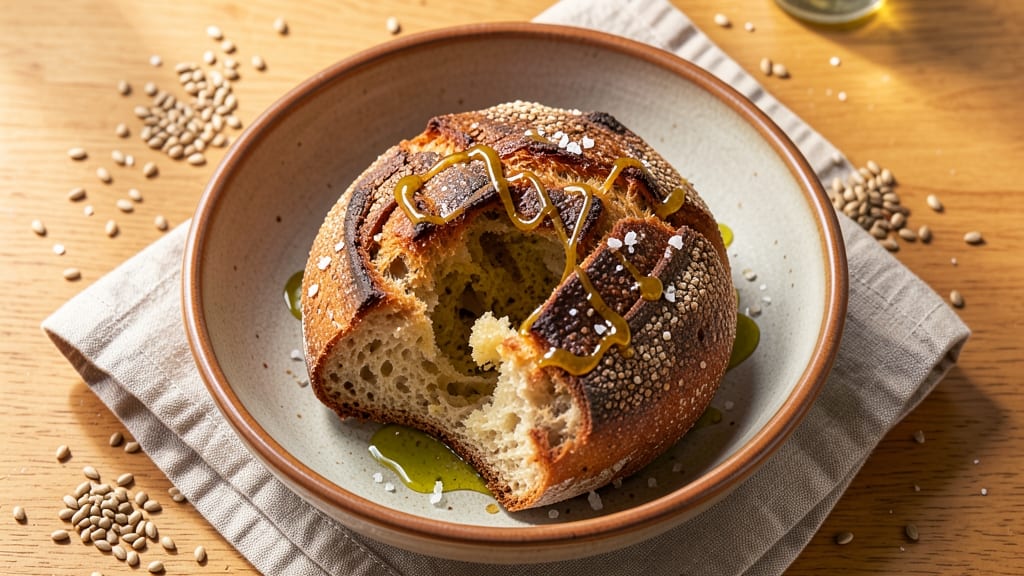
This ancient grains einkorn bread recipe unlocks the rustic charm of one of history's earliest wheat varieties, delivering unmatched nutty depth and a crispy, artisan-worthy crust. Unlike modern breads, einkorn's lower gluten content yields a denser crumb and subtly sweet flavor that pairs perfectly with soups or charcuterie.
The key lies in proper hydration and slow fermentation—techniques that transform this ancient grain into something unexpectedly modern.
What sets einkorn apart is its natural sweetness and dense texture, achieved through precise dough handling and high oven temperatures. This recipe skips shortcuts like instant yeast, instead relying on a natural fermentation process that develops complex flavors over time.
The result? A loaf with a satisfying chew, golden crust, and aroma that fills your kitchen like a bakery. For those sensitive to gluten, einkorn offers a more digestible alternative while still delivering impressive structure.
The baking process demands patience but rewards with professional-quality results. After shaping, the dough rests while you preheat your oven to 450°F, ensuring a crisp exterior and tender interior.
Scoring the loaf before baking not only enhances its rustic appeal but also directs the oven spring for an even rise. The final product? A loaf that looks like it belongs in a gourmet bakery but comes from your own kitchen.
Serve warm with olive oil and flaky sea salt for a simple yet elegant presentation, or pair with hearty stews to soak up every last crumb. The nutty flavor profile makes it versatile enough for breakfast toast or dinner sides, proving ancient grains can shine in contemporary cooking.
Let's get started on this journey back to bread's roots.
Ingredients for ancient grains einkorn bread
Four cups of nutty einkorn flour kickstart this ancient grain journey—just add patience and love.
| Ingredient | Amount | Notes |
|---|---|---|
| Einkorn Flour 🌾 | 4 cups | 100% pure einkorn, not a blend |
| Active Dry Yeast 🍞 | ¼ oz | Or 1 packet (2.25 tsp) |
| Warm Water 💧 | 1 ½ cups | 110°F for yeast activation |
| Extra-Virgin Olive Oil 🫒 | 2 tbsp | High quality, fruity |
| Honey 🍯 | 1 tbsp | Or maple syrup for vegan |
| Sea Salt 🧂 | 1 ½ tsp | Fine grain preferred |
| All-Purpose Flour 🌾 | ½ cup | For dough handling |
| Cornmeal 🌽 | ¼ cup | For dusting and crust |
| Ice Water ❄️ | ¼ cup | For final dough adjustment |
Einkorn flour is the star here, but not all einkorn is created equal. Bob's Red Mill or King Arthur make the best 100% pure einkorn flour—avoid blends that dilute its rustic flavor. If you can't find einkorn, spelt flour works in a pinch, though the texture will be slightly different. The yeast? Fresh is best, but active dry yeast from a sealed package will work fine. Store your flour in the freezer to preserve freshness—it lasts 6-12 months that way. For the olive oil, grab something fruity and peppery—California extra-virgin brands like Corto or Colavita shine here.
No honey? Maple syrup or agave work perfectly—just use the same amount. Running low on cornmeal? Semolina or all-purpose flour can substitute, though cornmeal gives that signature crunch. The all-purpose flour is just for handling the sticky einkorn dough—don't skip it, but don't overthink it either. Diamond Crystal kosher salt is my go-to, but any fine sea salt will do. Pro tip: If your kitchen's humid, chill the dough 10 minutes before shaping to prevent sticking. And yes, you can make this gluten-free with a 1:1 einkorn GF blend, but expect a denser crumb.
This dough needs time—at least 8 hours for fermentation, overnight is ideal. Shape the loaf on parchment paper for easy transfer, and score it with a razor before baking (a sharp knife works too). The bread keeps well at room temperature for 3-4 days wrapped in a cotton towel, or freeze for 3 months in slices. For extra crustiness, bake the cooled loaf for 5 minutes after removing from the oven. Trust me, the second day is even better—when the crumb softens and the crust gets that perfect crunch.
Why You'll Love This Recipe
- No-Knead Magic: I mix, wait, and bake—no standing over dough or fancy techniques. Just 10 minutes of hands-on time, then let the yeast do its thing while I sip coffee. That’s how you make bread without the fuss.
- Honey-Olive Crust: The moment it browns? Chef’s kiss. The einkorn’s nutty depth pairs with that golden honey crust and olive oil richness—like a warm hug for your sandwich. (Yes, even on a Tuesday.)
- Bread for Everything: Stale? Toast it. Leftover? Make croutons. Slice it thick for bruschetta or pack it for lunch. My kids fight over it—proof it’s not just for fancy dinners.
- Budget-Friendly Staple: Einkorn’s pricey, but this recipe uses just a cup—stretches my grocery budget. Plus, a loaf lasts a week, so I’m not scrambling for last-minute bread runs. Win.
Step-by-step instructions for ancient grains einkorn bread
Transform simple ingredients into a rustic loaf with a crisp crust and tender crumb—no fancy equipment needed.
Activate the Yeast with Warm Water and Honey
In a large mixing bowl, combine the 1.5 cups warm water (around 110°F) with the 1 tbsp honey and 0.25 oz active dry yeast. Stir gently with a wooden spoon until the yeast dissolves completely. Let it sit for 5-10 minutes until it becomes foamy and bubbly—this confirms the yeast is alive and ready to work.
Here's the thing—if the mixture doesn't bubble after 10 minutes, your yeast might be dead. Toss it and start fresh with a new packet. I've made this mistake before, and it's frustrating, but checking now saves hours of wasted dough later. The warm water should feel pleasantly warm to your wrist, not hot.
Mix the Dough with Einkorn and Olive Oil
Add the 4 cups einkorn flour and 1.5 tsp sea salt to the yeast mixture. Stir with a wooden spoon until a shaggy dough forms. Then drizzle in the 2 tbsp extra-virgin olive oil and mix again until fully incorporated. The dough will be sticky but should start to come together when you press it.
Now, switch to your hands. Knead the dough on a lightly floured surface for 5-7 minutes, adding the 0.5 cup all-purpose flour gradually if it's too sticky. You're looking for a smooth, elastic dough that springs back when poked. Einkorn flour is lower in gluten than modern wheat, so don't overwork it—just until it holds together without cracking.
Let the Dough Rise Until Doubled
Lightly oil a large bowl, place the dough inside, and cover it with a damp kitchen towel or plastic wrap. Let it rise in a warm spot (like near a turned-off oven with the light on) for 1-2 hours, or until it has visibly doubled in size. You'll know it's ready when the dough leaves a gentle indent when pressed with your finger.
This rising step is where the magic happens—the yeast ferments, developing those complex, nutty flavors einkorn is famous for. Don't rush it. If your kitchen is cold, give it extra time. I always set a timer so I don't forget, because underproofed dough leads to dense bread. Patience here makes all the difference.
Shape and Second Rise for Structure
Turn the dough onto a lightly floured surface and gently shape it into a round boule or oval loaf. I like to cup my hands around the dough and tuck the edges under to create surface tension—this helps develop that beautiful oven spring later. Place it seam-side up on a parchment-lined baking sheet and cover it again with the damp towel.
Let the shaped dough rise for another 30-45 minutes until it's noticeably puffier. This second rise is crucial for that airy, open crumb structure. While it rises, preheat your oven to 425°F with a Dutch oven inside for 30 minutes—this creates the perfect steam environment for a crisp crust.
Bake with Steam for Crusty Perfection
Carefully remove the Dutch oven from the oven (use oven mitts—it's hot!) and transfer the dough inside. Sprinkle the top with 0.25 cup cornmeal for texture, then bake covered for 25 minutes. Remove the lid and bake for another 15-20 minutes until the bread is deep golden brown and sounds hollow when tapped on the bottom.
Here's the moment that matters: the crust should be crackly and crisp, with a beautiful mahogany color. If it browns too quickly, tent it loosely with foil. Let the bread cool on a wire rack for at least 1 hour before slicing—this prevents a gummy crumb. The aroma as it bakes will make your kitchen smell like a French bakery, and that's worth the wait.
Pro Tips For Making Ancient Grains Einkorn Bread
- Mix Slowly First: Einkorn’s high protein means it develops gluten faster than wheat flour. Start with a gentle hand when combining the flour and water—just until the dough comes together—then switch to vigorous kneading. I learned this the hard way after ending up with a dense, chewy loaf that tasted more like a brick than bread.
- Bloom Yeast in Honey: Skip the plain water—activate your yeast in the honey first. The sugar feeds it immediately, cutting fermentation time by 15-20 minutes. My grandmother swore by this, and she was right: the dough rises faster and the bread stays moist longer.
- Don’t Overproof: Einkorn dough peaks quickly—check for readiness by doing the "poke test" (gently press a finger into the dough; if it springs back slowly, it’s done). Overproofing turns your loaf into a sad, flat pancake. I know, I know, but trust the process—your future self will thank you.
- Oil the Loaf Pan: Brush the pan with extra-virgin olive oil and sprinkle in a pinch of flour before shaping the dough. This keeps the crust from sticking and prevents the bottom from browning too fast. Sounds weird, but it works: no more fighting to remove your bread from the pan.
Health benefits of this recipe
Gluten Sensitivity Support
Einkorn bread offers a more digestible gluten option compared to modern wheat varieties, thanks to its lower gluten content and ancient genetic structure. While not gluten-free, it's often better tolerated by those with mild gluten sensitivities or non-celiac gluten intolerance.
The lower gliadin content in einkorn reduces common reactions like bloating or discomfort for many people. I've seen friends with gluten issues enjoy this bread when traditional wheat breads cause problems. 🌾
Rich Nutrient Profile
This bread packs a nutritional punch with its high protein content—about 14 grams per serving—and essential minerals like magnesium, zinc, and iron. The einkorn flour also contains B vitamins (especially B6) that support energy metabolism and nervous system function.
Unlike refined white bread, this version retains all its natural nutrients without processing. I always feel more energized after eating a slice compared to store-bought bread.
Low Glycemic Impact
The natural sweetness of einkorn combined with its low glycemic index makes this bread ideal for blood sugar management. The fiber content helps slow digestion, preventing rapid blood sugar spikes. For diabetics or those watching their carb intake, this bread offers a more stable energy release than white bread.
I've had diabetic friends confirm their blood sugar responses were much better with einkorn compared to regular wheat bread.
Antioxidant Benefits
Einkorn contains natural phenolic compounds and flavonoids that act as antioxidants, helping protect cells from oxidative damage. These compounds are more concentrated in whole-grain versions of einkorn bread. The honey used in this recipe adds additional antioxidant benefits while enhancing the bread's natural sweetness. I always
Digestive Health Boost
The fiber in einkorn flour—about 5 grams per serving—supports gut health by promoting regular digestion and feeding beneficial gut bacteria. The prebiotic properties of ancient grains help maintain a healthy microbiome, which is crucial for overall wellness. I've noticed my digestion improves when I include einkorn bread in my weekly rotation compared to refined grains.
Versatile Dietary Fit
This recipe can be easily adapted for various dietary needs. For vegans, simply replace the honey with maple syrup and ensure your yeast is vegan-certified. The bread's natural flavor profile makes it suitable for both paleo diets (when using certified gluten-free einkorn flour) and whole-food diets.
The nutty taste pairs well with both sweet and savory dishes, making it a versatile addition to any meal plan. 💡
Nutrition facts
Frequently asked questions
Can I substitute einkorn flour with regular all-purpose flour?
The flavor and texture will be completely different—einkorn's signature nutty depth and dense crumb come from its unique protein structure. If you must substitute, use a 50/50 blend of einkorn and whole wheat flour for a closer approximation. For best results, track down pure einkorn flour from brands like Bob's Red Mill or King Arthur—it's worth the effort for that authentic ancient grain experience.
Why does my einkorn dough feel so sticky?
Einkorn flour has lower gluten content than modern wheat, making the dough naturally stickier. This is normal! Use the 0.5 cup all-purpose flour in the recipe to help handle it, and wet your hands slightly when shaping. For extra help, chill the dough for 10 minutes before shaping to firm it up. The stickiness actually helps create that signature dense crumb—don't fight it!
How do I know when the bread is fully baked?
Look for three key signs: the crust should be deep golden brown, the internal temperature should reach 190°F (use an instant-read thermometer), and tapping the bottom should sound hollow. If unsure, bake 5 more minutes—underbaked einkorn bread can feel gummy. The aroma will also tell you it's done—your kitchen should smell like a bakery!
Can I make this bread without a Dutch oven?
Yes! If you don't have a Dutch oven, bake the loaf uncovered on a baking sheet and create steam by placing a metal bowl of boiling water on the lower oven rack. For extra crustiness, brush the loaf with water before baking. The texture won't be identical, but you'll still get delicious results. For best crust, bake at 450°F instead of the recipe's suggested temperature.
How long can I store einkorn bread?
Wrap cooled bread in a cotton towel and store at room temperature for 3-4 days or freeze for 3 months in slices. For extra freshness, place it in a paper bag—this prevents sogginess better than plastic. The flavor actually improves after the first day as the crumb softens slightly. To revive stale bread, warm slices in a 350°F oven for 5-10 minutes with a damp towel.