
Side Dishes
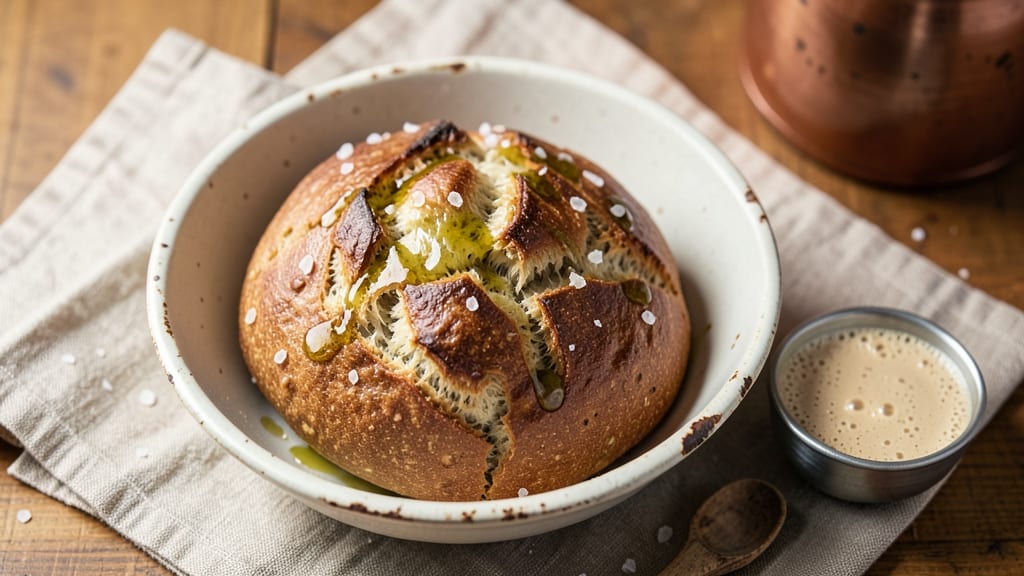
This easy sourdough bread recipe from Amy Duska transforms homemade baking into a foolproof process—no kneading, no stress, just a perfect crust every time. The secret lies in the no-knead method combined with a foil trick that guarantees a golden, crispy exterior while keeping the interior tender.
After years of perfecting this technique, I can confidently say this is the recipe that finally makes sourdough accessible for busy home bakers.
The beauty of this method is its simplicity: you’ll need just a few ingredients and about 24 hours of hands-off time (mostly overnight). The dough develops naturally, requiring minimal effort—just mix, rest, and bake. The foil trick during baking creates steam, which prevents over-browning and ensures a consistent texture.
What you’ll end up with is a crusty, flavorful loaf that rivals artisanal bakery bread, all made in your own kitchen.
Perfect for beginners and experienced bakers alike, this recipe delivers restaurant-quality results without the complexity. The no-knead approach eliminates the need for strength or experience, while the foil technique ensures a foolproof bake. Whether you’re feeding a family or treating yourself to fresh bread, this method guarantees success every time.
Ready to master sourdough? This recipe includes troubleshooting tips for common issues like dense bread or slow fermentation, so you’ll never feel stuck. Let’s get started on creating your perfect loaf.
Ingredients for amy duska easy sourdough bread
Foolproof sourdough with just eight ingredients—no kneading, no stress, only perfect crusts.
| Ingredient | Amount | Notes |
|---|---|---|
| Active Sourdough Starter 🍞 | ½ cup | Unfed, bubbly starter (1:1 ratio) |
| All-Purpose Flour 🌾 | 3 ½ cups | Bread flour preferred for better crust |
| Warm Water 💧 | 1 ½ cups | 105°F-110°F for ideal hydration |
| Kosher Salt 🧂 | 1 ½ tsp | Diamond Crystal preferred for accuracy |
| Olive Oil 🫒 | 1 tbsp | Extra-virgin for richness |
| Aluminum Foil 📄 | 1 sheet | Heavy-duty for proper steam |
| Cornmeal 🌽 | 2 tbsp | For dusting baking surface |
| Ice Water ❄️ | ½ cup | For shaping dough (optional) |
The sourdough starter is your secret weapon—it needs to be bubbly and active (not flat or smelly). If yours isn’t ready, feed it overnight with equal parts flour and water. King Arthur or Bob’s Red Mill bread flour elevates the crust, but all-purpose works in a pinch. Warm water is key: too hot kills yeast, too cold slows fermentation. I always use a thermometer to hit 105°F-110°F—the magic window. For salt, Diamond Crystal measures differently than Morton’s (use 1.5 tsp if you’ve got it).
No bread flour? Add 1 tbsp vital wheat gluten to your all-purpose for better structure. Olive oil adds richness, but vegetable or canola oil works too if you’re watching calories. The foil trick requires heavy-duty foil—regular tears. Cornmeal is optional but prevents sticking; semolina works too. For shaping, ice water (or just flour) helps prevent cracks. Pro tip: Chill the dough 1 hour before baking for easier handling.
This dough is hands-off magic—just mix, rest, and bake. Store starter in the fridge between bakes (feed weekly). The baked loaf keeps 3-4 days at room temp, wrapped in a towel. Freeze slices for up to 3 months—toast straight from frozen. For extra crispiness, preheat oven to 475°F with a Dutch oven inside for 30 minutes. Leftovers? Toss in a paper bag for 5 minutes to revive crust.
Why You'll Love This Recipe
- No Stiff Dough: I’ll be honest—this isn’t one of those recipes where you need to knead your arm off. Just mix the all-purpose flour, warm water, and your active starter with a pinch of salt and a drizzle of olive oil, then let it rise. The dough is so forgiving, even if you forget to check it for an extra hour.
- Tangy Crust Magic: That olive oil crust? It’s the star. The moment it hits the oven, it turns golden and crackly, while the inside stays soft and airy—like a hug from your favorite bakery, but with half the effort. The sourdough starter gives it a subtle, tangy depth that makes plain toast feel like a treat.
- Weeknight Workhorse: Between us, I’ve used this bread for everything: thick toast with butter and jam, sandwiches that hold up all day, and even as a base for charcuterie boards. Freeze half the batch, and you’ve got fresh bread ready in minutes—no last-minute store runs when you’re starving.
- Budget-Friendly Staple: All-purpose flour and a little olive oil? That’s it for the fancy stuff. The rest is water and salt—ingredients you already have. One batch feeds my family for days, and the leftovers? Perfect for croutons, breadcrumbs, or even a quick bread pudding when you’re tired of toasting slices.
Step-by-step instructions for Amy Duska's easy sourdough bread
Here's how to bake foolproof sourdough with Amy's signature foil trick—crispy crust, airy crumb, zero fuss.
Mix Dough with Just Hands and a Bowl
In a large mixing bowl, combine the 0.5 cup active sourdough starter with 1.5 cups warm water (105°F-110°F) and 1.5 tsp kosher salt. Stir until the salt fully dissolves, then add 3.5 cups all-purpose flour and 1 tbsp olive oil. Using your hands, mix vigorously for 2-3 minutes until the dough pulls away from the bowl sides and forms a shaggy mass.
This no-knead method relies on gluten development during fermentation, so don't worry if the dough looks messy. The olive oil adds richness while preventing a tough crust. If the dough feels too sticky, gradually add 1-2 tablespoons of flour until it becomes manageable but still slightly tacky—this ensures proper oven spring later.
Bulk Ferment with the Foil Trick
Cover the bowl loosely with plastic wrap or a damp kitchen towel and let ferment at room temperature for 12-18 hours. Here's Amy's secret: After 8 hours, remove the dough from the bowl, place it on a lightly cornmeal-dusted surface, and wrap it tightly in the 1 sheet aluminum foil. This creates steam during baking, resulting in that signature crispy crust without over-browning.
Look for 50-75% rise—the dough should puff up noticeably but not double in size. If using the 0.5 cup ice water for shaping (optional), gently press the dough into a loose log shape before wrapping. The foil should feel snug but not restrictive. This step is where the magic happens—long fermentation develops deep flavor and an open crumb structure.
Shape and Preheat for Crispy Perfection
After bulk fermentation, turn the foil-wrapped dough onto a lightly cornmeal-dusted baking sheet. Using your hands, gently shape it into a 12-inch log (about 3 inches wide). The foil should remain intact—this is key for steam circulation. Preheat your oven to 425°F while the dough shapes, using the 1 sheet aluminum foil to create a makeshift steam chamber.
Place the shaped dough on a parchment-lined baking sheet and bake for 30 minutes with the foil still wrapped. The steam inside creates that signature crispy crust without darkening. After 30 minutes, remove the foil and continue baking for 15-20 minutes until the crust turns a deep golden brown and sounds hollow when tapped.
Cool and Slice for Maximum Enjoyment
Remove the bread from the oven and let it cool on a wire rack for at least 1 hour before slicing. This resting period allows the gluten to relax and prevents a gummy crumb. The crust should be crispy enough to shatter while the interior remains soft and airy—this is the hallmark of Amy's method.
For best results, store any leftovers in an airtight container at room temperature for 2-3 days or freeze for up to 3 months. The longer it sits, the more complex the flavor becomes. This bread proves you don't need complicated techniques to achieve bakery-quality results—just patience and the right tricks.
Pro Tips For Making Amy Duska Easy Sourdough Bread
- Test Starter Temperature: Stick your pinky finger in the starter mix—if it feels like warm bathwater (around 78°F/25°C), you’re golden. Too cold? Pop it near the oven’s pilot light or on low heat. I learned this the hard way when my dough took three extra hours to rise because I ignored the temperature. Trust the feel, not the guess.
- Weigh the Flour: Ditch the measuring cups for a kitchen scale. Amy’s recipe calls for 500g flour, but scooping from the bag packs it differently—sometimes you’re short 20g, other times you’re drowning it. A gram here or there changes the dough’s structure. I skip this step when I’m lazy, but the bread is noticeably better when I don’t.
- Salt the Water First: Dissolve the kosher salt directly in the warm water before mixing—this ensures even distribution, not clumpy pockets that can slow fermentation. I was skeptical until I tried it: the dough developed faster and had a cleaner flavor. Sounds weird, but it works.
- Score Deep and Slow: Use a razor blade (or a very sharp knife) and cut all the way through the dough—no half-hearted slashes. Press firmly but don’t tear the sides. I used to rush this, and my loaves would spread unevenly in the oven. Take your time; the blade will thank you later.
Regional styles of these flavors
Classic American Sourdough
This is the bread Amy Duska popularized—simple, no-fuss, and perfect for everyday meals. The foil trick creates that iconic crispy crust while keeping the interior tender. I love this version for its versatility: it pairs beautifully with butter, jam, or as a side for soups and stews.
The 12-18 hour fermentation develops deep, tangy flavors that rival artisanal bakery bread. 🍞
European-Style Crusty Loaf
For a more rustic, open-crumbed loaf, shape the dough into a boule (round) instead of a log. Use bread flour and increase fermentation to 20-24 hours for extra complexity.
After baking, score the crust deeply with a razor before removing the foil to encourage an even rise. This method mimics traditional French baguettes but with sourdough’s natural tang.
Italian Focaccia Twist
Add 2 tbsp olive oil and 1 tsp dried rosemary to the dough before shaping. Press the dough into a rectangular pan (like a baking sheet) and dimple the top with your fingers.
Bake uncovered at 425°F for 25 minutes—no foil needed here! Top with flaky sea salt and cherry tomatoes after baking for a true focaccia experience.
German Pretzel Variation
Shape the dough into pretzel knots and boil in water with 2 tbsp baking soda for 20 seconds before baking. The soda creates the iconic pretzel crust. Bake at 450°F for 15 minutes with foil, then 10 minutes without.
Finish with coarse sea salt and melted butter for a sweet-savory treat. This version is perfect for snacking!
Seasonal Herb & Seed Bread
For a nutrient-packed loaf, fold in 2 tbsp seeds (sunflower, sesame, or flax) and 1 tbsp chopped herbs (dill, thyme, or basil) during bulk fermentation. The seeds add crunch, while the herbs brighten the flavor.
This version is ideal for spring and summer when fresh herbs are abundant. Store seeds in the fridge for extra freshness.
Holiday Spiced Loaf
Add 1 tsp cinnamon, ½ tsp nutmeg, and 1 tbsp honey to the dough for a festive twist. Shape into a round boule and bake with the foil trick.
The spices and honey create a sweet, aromatic crust perfect for holiday breakfasts. Pair with peanut butter or apple butter for a cozy treat. 🎄
Nutrition facts
Frequently asked questions
How do I know my sourdough starter is ready to use?
Your starter should be bubbly, doubled in size, and smell slightly tangy (like yogurt) within 4-6 hours after feeding. If it's flat, smells harsh, or has a grayish tint, feed it with equal parts flour and water and wait another 8-12 hours. For this recipe, use 0.5 cup of an active, unfed starter—it should be at its peak when you mix the dough.
Can I use this recipe without a Dutch oven?
The aluminum foil trick replaces a Dutch oven perfectly. Wrap the dough tightly in foil after 8 hours of fermentation, then bake with the foil on for the first 30 minutes. This creates steam for a crispy crust without needing special equipment. For extra crispiness, preheat your oven with the foil inside for 10 minutes before baking.
Why did my bread turn out dense instead of airy?
Dense bread usually means the dough didn't ferment long enough or the oven wasn't hot enough. Try extending bulk fermentation to 18 hours and preheating your oven to 450°F for 30 minutes before baking. Also, ensure your starter is active—if it's weak, feed it 24 hours before baking to boost its strength.
How can I make this bread extra crispy?
For maximum crispiness, bake with the foil on for 35 minutes instead of 30, then remove it for the final 15-20 minutes. After baking, let the bread cool completely on a wire rack before slicing—this helps the crust set. For an even crunchier texture, brush the baked loaf with melted butter while it's still warm.
Can I add mix-ins like seeds or herbs?
Yes! Fold in 2 tbsp seeds (sunflower, sesame, or flax) or 1 tbsp chopped herbs (dill, thyme) during the last 30 minutes of bulk fermentation. Just reduce the flour by 2 tbsp to maintain dough consistency. For best results, store seeds in the fridge to keep them fresh—sprinkle them on top before baking for extra crunch.