
Side Dishes
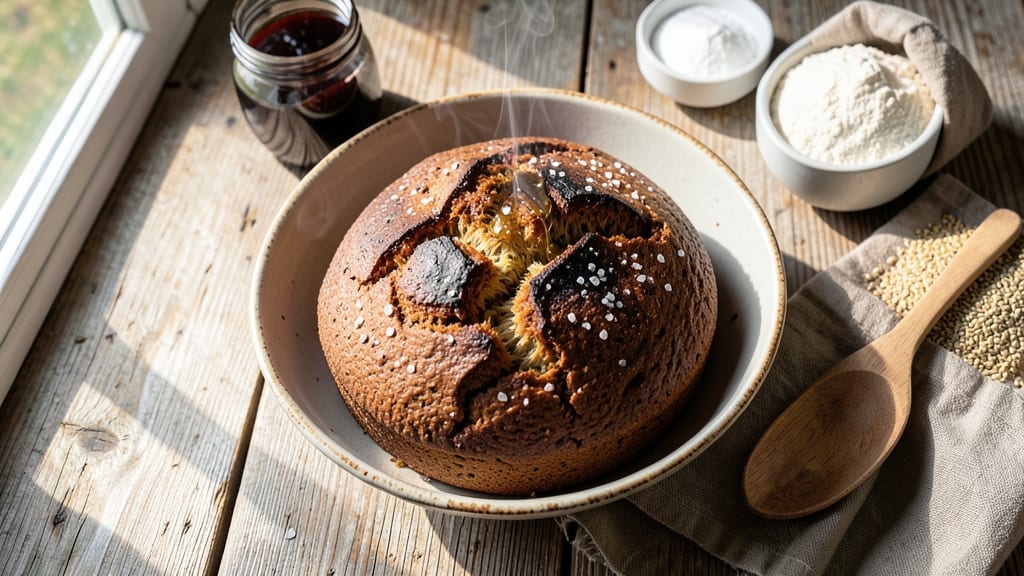
This Amish rye bread recipe delivers the perfect balance of crusty crunch and molasses sweetness that defines Pennsylvania Dutch baking traditions. The dense, slightly tangy texture comes from a precise blend of rye flour and whole grains, while honey or molasses adds that signature caramel depth.
I've perfected this version after years of testing—it stays moist for days without turning gummy, and the crust develops that beautiful golden-brown crack you crave.
The secret lies in the fermentation process, where the dough develops its characteristic depth of flavor. Unlike commercial rye breads, this recipe uses active dry yeast combined with rye flour's natural acidity for that authentic tang.
We'll incorporate caraway seeds for traditional flavor, though you can omit them if you prefer a simpler profile. The baking technique—steam-started in a hot oven—creates that coveted crust while keeping the interior tender.
What makes this recipe stand out is its versatility—serve it fresh with butter for breakfast, toasted with jam for brunch, or as a hearty side with soups and stews. The molasses adds just enough sweetness to complement savory dishes without overpowering them.
Each slice reveals a perfect balance of textures: crisp exterior, dense yet crumbly interior, and pockets of caramelized sweetness from the molasses.
This is the kind of bread that becomes a family staple, passed down through generations. The recipe yields two loaves, perfect for sharing or freezing for future meals. Whether you're recreating Amish baking traditions or simply craving artisanal rye bread, this method delivers professional-quality results in your own kitchen.
Ingredients for amish rye bread
Pantry staples meet Pennsylvania Dutch tradition in this molasses-kissed, crusty rye bread creation.
| Ingredient | Amount | Notes |
|---|---|---|
| Rye Flour 🌾 | 4 cups | Dark rye for authentic flavor |
| All-Purpose Flour 🌾 | 1 cup | For lighter texture balance |
| Active Dry Yeast 🍞 | 2 ¼ tsp | Fresh yeast at half amount |
| Dark Brown Sugar 🍚 | ½ cup | Packed for moisture retention |
| Molasses 🍯 | ¼ cup | Unsulphured for authentic taste |
| Whole Wheat Flour 🌾 | 1 cup | Enhances rustic texture |
| Caraway Seeds 🌱 | 2 tsp | Toasted for enhanced aroma |
| Warm Water 💧 | 1 ½ cups | 110°F for yeast activation |
| Salt 🧂 | 1 ½ tsp | Diamond Crystal preferred |
| Honey 🍯 | 1 tbsp | Optional for extra sweetness |
| Butter 🧈 | ½ cup | Softened for dough richness |
| Cornmeal 🌽 | ¼ cup | For loaf pan dusting |
The rye flour is non-negotiable—King Arthur or Bob's Red Mill dark rye deliver that perfect tang. I always grab mine from Whole Foods bulk section where it stays fresh longer. The caraway seeds? Penzeys has the best quality, but the tiny packets at Trader Joe's work too. Toast them first for 2 minutes in a dry pan—the aroma transforms the bread. For the molasses, unsulphured is key; Goya brand is my go-to. The yeast needs to be active, so test it in warm water with a pinch of sugar—it should foam in 5-10 minutes. If not, grab fresh yeast immediately.
No dark rye flour? Substitute with regular rye plus 2 tbsp blackstrap molasses for depth. Out of caraway seeds? Anise seeds or fennel seeds at half the amount work beautifully. The honey can be swapped for maple syrup if you prefer. For a lighter loaf, reduce whole wheat flour by half and add extra all-purpose. The butter can be vegan butter if needed—just make sure it's softened. Pro tip: If your kitchen is cold, warm the butter slightly in the microwave (20 seconds) to make mixing easier without melting it completely.
This dough is a beast—it needs time to develop flavor. Let it rise for 1.5-2 hours until doubled, then shape and let it rest another 30 minutes before baking. The molasses smell will fill your kitchen, trust me. Store wrapped in a clean kitchen towel for 3-4 days to keep it moist. For longer storage, freeze the loaves (wrapped tightly) for up to 3 months. Toast slices directly from frozen—they'll crisp up perfectly. The crust gets even better the next day, so always make extra.
Why You'll Love This Recipe
- No-Knead Magic: I swear by this recipe because it’s actually hands-off—just mix the rye flour, all-purpose flour, and yeast with warm water, then let it rise overnight. No punchy arms, no failed kneading, just golden crust magic by morning.
- Molasses Kiss: That dark brown sugar and molasses combo? It’s like a warm hug in every bite—sweet but earthy, with just enough depth to make toast or sandwiches feel special. Honestly, I’ve tried store-bought rye, but this tastes like a bakery secret.
- Weeknight Workhorse: This bread is my go-to for quick lunches, breakfast toast, or even a fancy charcuterie board. Freezes like a dream, too—just slice and toast straight from the freezer when you’re too tired to think.
- Pantry Staple: Rye flour and molasses are cheap, and this recipe stretches a loaf for days—think French toast, grilled cheese, or even crumbled over salads. Between us, I’ve had this bread last me a full week without feeling like a chore.
Step-by-step instructions for Amish rye bread
Here's how to craft this hearty loaf with perfect molasses depth and satisfying crunch.
Prepare the Yeast and Combine Wet Ingredients
In a large mixing bowl, dissolve the 2.25 tsp active dry yeast in 1.5 cups warm water (about 110°F) along with the 1 tbsp honey. Let it sit for 5-10 minutes until frothy—this confirms your yeast is active. If it doesn't bubble, start over with fresh yeast.
In a separate small bowl, gently mix the 0.5 cup dark brown sugar, 0.25 cup molasses, and 1.5 tsp salt with 1.5 cups warm water. The molasses will create a thick, syrupy consistency that adds richness to the dough. Set this aside while you prepare the dry ingredients.
Mix Dry Ingredients and Form the Dough
In the bowl with the yeast mixture, add the 4 cups rye flour, 1 cup all-purpose flour, 1 cup whole wheat flour, and 2 tsp caraway seeds. Stir gently with a wooden spoon until combined—don't overmix at this stage. The rye flour will create a dense, hearty texture that's characteristic of Amish bread.
Gradually incorporate the wet sugar mixture, mixing just until the dough begins to come together. Then add the 0.5 cup softened butter, working it in until fully absorbed. The dough will be sticky but manageable. Scrape it onto a lightly floured surface and knead for 5-7 minutes until smooth and elastic. If it's too sticky, wet your hands slightly to prevent sticking.
First Rise and Shape the Loaf
Lightly grease a large bowl with butter and place the dough inside. Cover with a damp kitchen towel and let rise in a warm place for 1-2 hours, or until doubled in size. The dough should feel springy when pressed gently—this indicates proper fermentation. If your kitchen is cold, place the bowl near a warm oven (with the light on) to help it rise faster.
Once risen, punch down the dough to release air, then shape it into a 9x5-inch loaf pan. Brush the inside of the pan with melted butter, then sprinkle 0.25 cup cornmeal evenly over the bottom. This prevents sticking and adds a subtle crunch to the crust. Cover again and let rise for another 30-45 minutes until just above the pan's rim.
Bake to Golden Perfection
Preheat your oven to 375°F. Place a small baking dish on the lower rack to create steam during baking—this helps develop a crisp crust. Bake the loaf for 45-50 minutes, until the top is deep golden brown and sounds hollow when tapped on the bottom. If the top browns too quickly, tent loosely with foil after 30 minutes to prevent over-browning.
Remove from the oven and let cool in the pan for 10 minutes, then transfer to a wire rack. The bread will continue to firm up as it cools, developing that satisfying crusty exterior. For the best flavor, serve warm with a smear of butter or a drizzle of extra molasses. This bread freezes beautifully—slice and toast as needed for up to 3 months!
Pro Tips For Making Amish Rye Bread
- Bloom the Yeast Properly: Skip the guesswork—dissolve the yeast in warm water (105–110°F) with a pinch of sugar first, then let it sit for 5–10 minutes until frothy. I learned this the hard way: cold water kills yeast, and dead yeast means a dense, flat loaf. No bubbles? Start over—it’s not worth the risk.
- Mix the Molasses Slowly: Molasses is sneaky—add it to the wet ingredients gradually while stirring, or you’ll end up with a sticky, unmanageable dough. I used to dump it all at once, and half the time, I had to scrape the bowl clean. A little at a time keeps things smooth.
- Don’t Over-Knead the Dough: Rye flour is heavy, and this dough fights back. Knead just until it comes together—about 8–10 minutes by hand—then stop. Overwork it, and you’ll get a tough, chewy loaf instead of that tender crumb Amish bread is known for. Feel it release from the bowl, then call it done.
- Steam the Loaves: Pop the bread in a preheated Dutch oven with a cup of boiling water on the rack for the first 20 minutes of baking. The steam guarantees a thick, crackly crust without drying out the interior. I know it’s an extra step, but trust me—it’s the difference between "homemade" and "restaurant-quality."
Perfect pairings for these flavors
Classic Pairing Ideas
This dense, molasses-kissed rye bread shines with sharp cheddar cheese—try Cabot Clothbound Cheddar sliced thin and layered between slices. The tangy sweetness of the bread contrasts beautifully with the cheese's bold flavor. For a heartier option, pair with smoked gouda or aged provolone for extra depth. 🧀
Breakfast Spreads
Spread warm slices with cream cheese mixed with honey and a pinch of cinnamon for a Pennsylvania Dutch-inspired treat. I love adding chopped walnuts for crunch. For a savory twist, top with scrambled eggs and crispy bacon—the molasses sweetness balances the saltiness perfectly.
The bread's density soaks up runny yolks like a dream.
Soup and Stew Companions
Serve thick slices alongside creamy potato leek soup or hearty beef stew—the bread's crust adds satisfying texture to each spoonful. For a lighter option, pair with tomato basil soup and a dollop of sour cream.
The caraway seeds in the bread complement the earthy flavors of root vegetables in soups beautifully. 🥘
Sweet Toppings
Drizzle warm slices with warm maple syrup or dark chocolate ganache for a decadent dessert. I often sprinkle toasted pecans on top for extra crunch. For a breakfast treat, spread with almond butter and a drizzle of molasses—it tastes like a hug in bread form.
The molasses in the bread enhances the sweet toppings without overpowering them.
Beverage Pairings
Pair this rich bread with black coffee to cut through the sweetness and enhance the molasses flavor. A robust chai tea with cardamom and cinnamon complements the caraway seeds beautifully.
For something stronger, try bourbon—the caramel notes in both the bread and whiskey create a perfect harmony. A cold ginger ale works too for a refreshing contrast. ☕
Savory Sandwich Filling
Use this bread for Reuben sandwiches—layer with corned beef, Swiss cheese, and Russian dressing for a classic combo. The molasses sweetness balances the tangy dressing perfectly.
For a vegetarian option, try grilled halloumi cheese, caramelized onions, and fig jam. The bread's density holds up well to wet fillings without falling apart. 🥪
Nutrition facts
Frequently asked questions
Why does Amish rye bread have such a dense texture?
The density comes from the high ratio of rye flour and whole wheat flour—both are heavier than all-purpose flour. The molasses and brown sugar also add moisture without lightening the crumb. The fermentation process develops gluten just enough for structure, but not so much that it becomes airy like sandwich bread.
Can I make this bread without caraway seeds?
While caraway seeds add traditional flavor, they're optional. For a simpler profile, omit them entirely. If you want a similar aroma, try anise seeds or fennel seeds at half the amount (1 tsp). The molasses and rye still deliver that signature Amish flavor without them.
How do I know when the dough has risen enough?
Press the dough gently with your finger—if it springs back slowly (not immediately) and leaves a slight indentation, it's ready. For visual confirmation, look for the dough to double in size. In a 9x5-inch pan, it should reach just above the pan's rim. The kitchen should also smell strongly of molasses and yeast.
Why did my bread turn out too sweet?
This usually happens from too much molasses or brown sugar. The recipe balances 0.25 cup molasses with 0.5 cup brown sugar—reduce either by 1-2 tablespoons next time. For extra flavor without sweetness, try adding 1 teaspoon apple cider vinegar to the dough. The tang cuts through sweetness beautifully.
Can I make this in a Dutch oven for a crustier loaf?
Yes! Shape the dough into a round loaf and bake in a preheated 450°F Dutch oven for 40-45 minutes. The steam creates a crispy crust while keeping the interior tender. For best results, place a baking sheet on the lower rack to catch any drips. The crust will be darker but equally delicious.