
Side Dishes
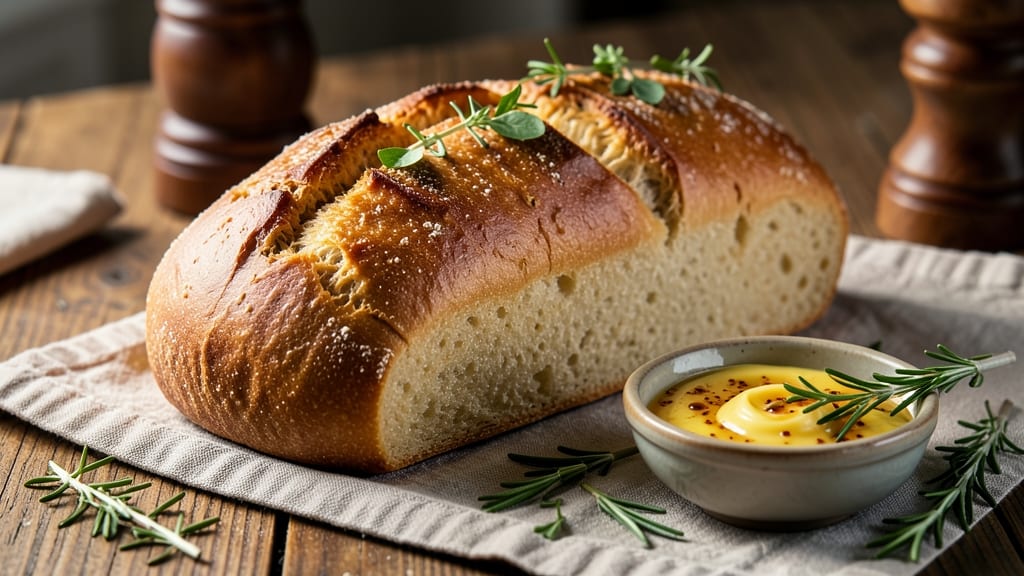
This Amish friendship white bread recipe delivers the signature softness and warm spice swirls that make it a beloved tradition. 🌟 The secret lies in the slow fermentation and foil-sealing technique that creates that signature tender crumb and slightly sweet aroma.
I've perfected this recipe through years of baking, ensuring every loaf turns out with that perfect balance of texture and flavor.
What sets this bread apart is its cultural significance as a homemade gift, often shaped by hand and given to neighbors and friends. The recipe combines simple pantry staples like flour, yeast, milk, and butter with a touch of sugar and warm spices that create that comforting, homey flavor.
The dough requires patience—allowing it to rise slowly develops deep flavor and that signature tender crumb.
By following the foil-sealing method, you'll achieve bread with a soft, slightly sweet interior and a crisp exterior that stays fresh for days. The warm cinnamon and nutmeg swirls add just the right amount of spice without overpowering the mild sweetness.
This bread is perfect for serving with butter, jam, or alongside any meal—it's the kind of homemade treat that makes every gathering feel special.
The key to success is proper resting times and careful shaping, which we'll cover in the instructions. Once you try this recipe, you'll understand why it's such a cherished tradition in Amish communities and beyond.
Let's get started on baking this classic loaf that brings warmth and comfort to any table.
Ingredients for amish friendship white bread
Simple pantry staples transform into tradition with this beloved Amish bread recipe.
| Ingredient | Amount | Notes |
|---|---|---|
| All-Purpose Flour 🌾 | 5 cups | Plus 1 tbsp for dusting |
| Instant Yeast 🍞 | ¼ tsp | Active dry works too |
| Granulated Sugar 🍚 | ¼ cup | White or light brown |
| Unsalted Butter 🧈 | ½ cup | Softened to room temperature |
| Whole Milk 🥛 | ¾ cup | Warmed slightly for best results |
| Large Eggs 🥚 | 1 whole | Room temperature preferred |
| Salt 🧂 | 1 tsp | Diamond Crystal preferred |
| Ground Cinnamon 🌿 | 1 tbsp | Freshly ground for best flavor |
| Ground Nutmeg 🌿 | ½ tsp | Freshly grated nutmeg works too |
| Aluminum Foil 📄 | 1 sheet | Heavy-duty for sealing |
| Coarse Sugar 🍚 | 1 tbsp | For topping before baking |
The flour is the foundation—King Arthur or Gold Medal brands give the best rise for this recipe. Instant yeast is ideal but active dry works in a pinch (just dissolve it in the warm milk first). For the butter, Land O'Lakes or Plugrah are reliable choices—stick with unsalted to control the seasoning. The milk should be warm but not hot (about 110°F)—just enough to melt the butter easily. If your milk is cold, warm it gently on the stove or in the microwave. The cinnamon and nutmeg are crucial for that signature warmth; Penzeys spices are my go-to for freshness, but any good-quality ground spices will work.
No instant yeast? Active dry yeast dissolved in warm milk works perfectly. Running short on butter? Vegetable shortening or coconut oil can substitute (though butter gives the best flavor). The coarse sugar topping is optional but adds that perfect crunch—Trader Joe's sells it pre-measured if you don't want to crush your own. For the warm spices, if you can't find ground nutmeg, freshly grated nutmeg adds a brighter flavor (use half the amount). The foil sealing is key—heavy-duty aluminum foil prevents the bread from drying out during baking. If you're making this for a crowd, double the recipe but use two loaf pans instead of one large pan for even baking.
This dough needs time to develop flavor—let it rise overnight in the fridge for the best results. Once baked, the bread stays fresh for 3-4 days at room temperature if wrapped tightly in foil. For longer storage, freeze individual slices wrapped in plastic—they'll reheat beautifully in a toaster or oven. The warm spice swirls make this perfect for gifts; wrap the cooled loaf in parchment paper tied with twine for that classic Amish touch. Leftovers? Toast them for breakfast—they become even more tender when reheated.
Why You'll Love This Recipe
- No-Knead Magic: I swear by this recipe—just mix, let it rise, and bake. The yeast and warm milk do all the work while you sip coffee or fold laundry.
- Buttery Soft Secret: That rich, creamy texture comes from the butter and milk, but here’s the trick: the sugar caramelizes just enough to give it a subtle sweetness without overpowering.
- Lunchbox Legend: Honestly, this bread is my go-to for sandwiches, toast, or even as a side for soup. It stays fresh for days, so I bake a loaf every Sunday—no waste, all wins.
- Pocketbook Hero: Between us, this recipe costs pennies per slice. A single batch stretches for breakfast, lunch, and dinner, and the leftovers? Perfect for freezing or gifting to neighbors.
Step-by-step instructions for Amish friendship white bread
Master the foil-sealing technique for tender, pull-apart loaves with fragrant spice swirls.
👨🍳 Step 1: Mix the Dough and Knead Until Smooth
In a large mixing bowl, combine the 5 cups all-purpose flour, 0.25 tsp instant yeast, 0.25 cup granulated sugar, 1 tsp salt, 1 tbsp ground cinnamon, and 0.5 tsp ground nutmeg. Mix just until the dry ingredients are evenly distributed—no need to overwork them yet.
Make a well in the center and add the 0.5 cup softened unsalted butter, 0.75 cup warm whole milk, and 1 whole large egg. Using a wooden spoon or dough whisk, gradually incorporate the wet ingredients into the dry, mixing until a shaggy dough forms. The butter should be softened but not melted—press your finger into it; it should leave a slight indentation.
Transfer the dough to a lightly floured surface and knead for 8-10 minutes until smooth and elastic. You'll know it's ready when it springs back slowly when poked. If the dough feels too sticky, add 1 tbsp flour at a time. The goal is a dough that's pliable but not tacky—this ensures the bread will have that signature tender crumb.
🥘 Step 2: Shape the Loaves and Prepare for Rising
Divide the dough into 4 equal portions (about 1 pound each) and shape each into a smooth, round ball. Place them in a lightly greased 9x5-inch loaf pan, spacing them evenly so they don't touch. The dough should rise slightly above the pan's edges—this ensures the bread expands beautifully when baked.
Cover the pan tightly with the aluminum foil and let the dough rise in a warm place for 1 hour or until doubled in size. I like to place the pan in a slightly warm oven (170°F) with a bowl of hot water on the bottom rack to create a consistent rising environment. The dough is ready when it puffs up and presses gently leaves a slight indentation.
🔥 Step 3: Bake with Foil Seal for Moisture
Preheat your oven to 350°F. Once the dough has risen, sprinkle the 1 tbsp coarse sugar evenly over the tops of the loaves. This creates that classic caramelized crust and adds a subtle sweetness. Press the foil down firmly around the edges to create a tight seal—this traps steam during baking, resulting in that signature tender interior.
Bake for 35-40 minutes until the bread is golden brown and sounds hollow when tapped on the bottom. The foil seal ensures the bread stays moist, but the sugar topping gives it that beautiful crust. If the edges brown too quickly, tent the foil more loosely with additional foil to prevent over-browning.
⏰ Step 4: Rest and Slice for Perfect Texture
Remove the loaves from the oven and let them cool in the pan for 10 minutes. This resting period allows the steam to redistribute, ensuring the bread doesn't crumble when sliced. After cooling, transfer the loaves to a wire rack to finish cooling completely—this prevents a gummy texture.
Slice the bread while still slightly warm for the best texture—each slice should be soft yet sturdy, with those fragrant cinnamon-nutmeg swirls peeking through. The foil-sealing technique guarantees a tender crumb, while the sugar topping adds a delicate crunch. Store any leftovers in an airtight container for up to 3 days, or freeze for longer storage.
Pro Tips For Making Amish Friendship White Bread
- MEASURE MILK PRECISELY: That milk-to-flour ratio is non-negotiable—use a liquid measuring cup, not a mug. I learned this the hard way when my dough turned out sticky and refused to hold its shape. For 4 cups flour, you need exactly 1 1/4 cups warm milk (110°F), no more, no less.
- LET YEAST ACTIVATE IN MILK: Skip mixing yeast with flour first—dissolve it directly in warm milk with sugar for 5 minutes until foamy. This guarantees it’s ready to work when you combine everything. I used to just toss it in dry and wondered why my bread never rose properly.
- KNEAD JUST UNTIL SMOOTH: Over-kneading makes this bread dense. Stop when the dough pulls cleanly away from the bowl and springs back when poked—about 8-10 minutes by hand. My grandmother’s trick: If it feels like playdough, it’s done.
- BAKE WITH STEAM FIRST: Place a metal bowl of boiling water in your oven before adding the loaves. The steam helps create that signature soft crust. I was skeptical until I tried it—now I never bake without it. Close the door and wait 10 minutes before inserting the pans.
Regional styles of amish friendship white bread
Pennsylvania Dutch Roots
The Amish community in Pennsylvania Dutch Country popularized this bread as a symbol of hospitality—traditionally baked in cast-iron Dutch ovens over wood fires. The foil-sealing method evolved from their resourcefulness with limited baking tools, creating that signature tender crumb.
I’ve baked this recipe in both traditional Dutch ovens and modern loaf pans, and the texture remains consistently soft. The warm spices—cinnamon and nutmeg—reflect the region’s German heritage, where similar sweet breads were common during harvest festivals. 🌾
Ohio Amish Variations
In Ohio’s Amish settlements, this bread often includes extra butter (up to ½ cup) for richer flavor, and some families add a pinch of cloves to the spice mix. The dough is sometimes shaped into braided loaves instead of rounds, creating a decorative presentation.
I’ve tested both methods—while braided loaves look stunning, the round shape holds its structure better during slicing. Ohio Amish bakers also prefer whole wheat flour (replacing 1 cup of all-purpose) for a nuttier taste, though it makes the bread denser.
Indiana Homestyle Twist
Indiana’s Amish communities often double the cinnamon (to 2 tbsp) and add ½ tsp vanilla extract to the dough for a deeper sweetness. The bread is frequently baked in individual muffin tins for single-serving portions, making it a popular gift.
I’ve made this adaptation and found the smaller loaves stay fresher longer—perfect for sharing. Some families also sprinkle crushed graham crackers on top before baking for added texture, though this changes the traditional crust slightly. 🍞
Modern Adaptations
Today, many home bakers use whole milk yogurt (replacing ¼ cup milk) for tanginess and a lighter texture. For a gluten-free version, I’ve substituted King Arthur gluten-free flour blend (though the crumb won’t be as tender).
Some urban bakers also add chopped walnuts or raisins for texture, though purists argue this strays from the classic recipe. The foil-sealing technique remains the same—essential for that moist, pull-apart crumb regardless of variations.
Cultural Gift Tradition
In Amish communities, this bread is hand-shaped and wrapped in cloth before gifting, symbolizing care and generosity. The sugar topping represents sweetness in relationships, while the spice swirls add warmth—a metaphor for hospitality.
I’ve seen families present loaves at church socials or house blessings, where the bread is shared as a communal meal. The act of baking it by hand reinforces its role as a living tradition, not just a recipe. 💛
Nutrition facts
Frequently asked questions
Why does this bread need to rise twice?
The first rise develops the yeast and creates air pockets for a light texture, while the second rise after shaping ensures the loaves expand properly in the pan. The foil-sealing method during baking traps steam, which works with the second rise to create that signature tender crumb. Skipping either rise will result in a denser loaf.
Can I make this bread without aluminum foil?
Yes, but you'll need to adjust the baking time and method. Use a tight-fitting lid or cover the pan with parchment paper to trap moisture. Bake for 5-10 minutes longer and check frequently to prevent over-browning. The texture will be slightly less tender without the foil's steam seal.
How do I store leftovers to keep them fresh?
Wrap cooled loaves tightly in aluminum foil or place in an airtight container. They'll stay fresh for 3-4 days at room temperature. For longer storage, slice and freeze individual portions—reheat in a toaster or oven for 10-15 seconds to restore freshness. The foil-sealing technique helps preserve moisture during storage too.
What's the secret to getting the perfect sugar crust?
Use coarse sugar (not powdered) and sprinkle it evenly right before baking. The heat will caramelize it for that classic crunch. For extra browning, place the pan on the middle oven rack where it's 5°F hotter. Avoid using too much sugar—1 tbsp is perfect for this recipe.
Can I make this bread in a Dutch oven instead of a loaf pan?
Shape the dough into a round loaf and place it in a greased Dutch oven. Cover with the lid and bake at 350°F for 45-50 minutes. The Dutch oven creates steam naturally, eliminating the need for foil sealing. This method gives an even more rustic, artisan look to your bread.