
Side Dishes
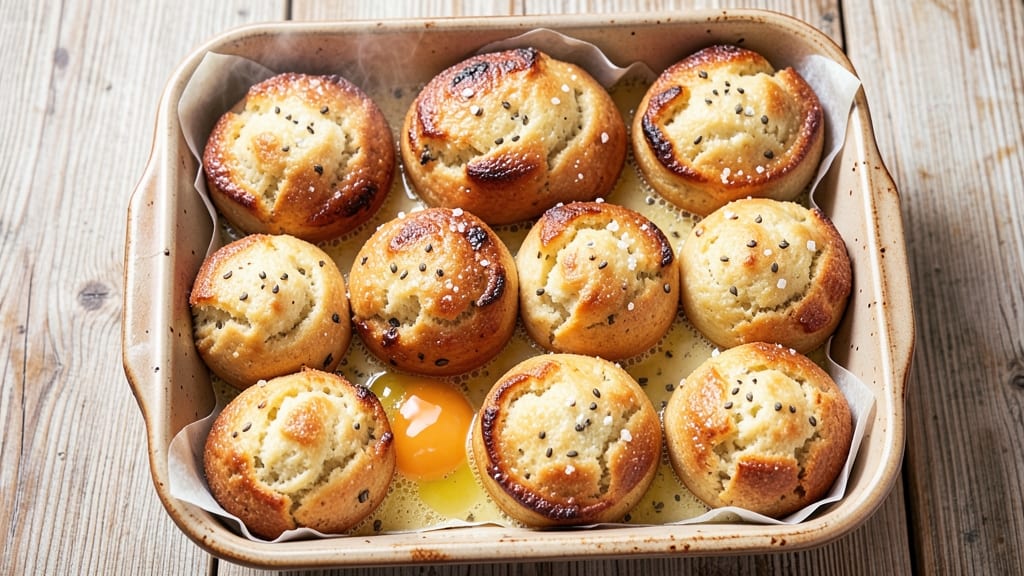
This Amish English muffin bread recipe delivers the perfect balance of tender crumb and crispy crust—just like the homemade loaves from Pennsylvania farm kitchens.
The secret lies in a slow fermentation process that develops deep flavor and a distinctive texture, with a touch of sweetness that’s characteristic of traditional Amish baking. Unlike store-bought versions, this recipe builds flavor through time, not shortcuts, ensuring every bite tastes like a slice of rural homestyle comfort.
The dough requires patience, but the results are worth it: a slightly dense yet airy interior with a golden, crackly crust that’s ideal for dipping in butter or jam.
I’ve adapted the recipe to work in standard home ovens, though traditional Amish bakers often used wood-fired stoves for that signature texture. The key steps—proper kneading, slow rise, and precise baking—are what transform this into a restaurant-worthy side dish that pairs beautifully with breakfast meats or soups.
What sets this recipe apart is its versatility—you can keep it classic with a touch of honey or brown sugar, or go savory with herbs and garlic for a heartier loaf.
The dough’s flexibility means you can shape it into individual muffins, a round loaf, or even dinner rolls, making it perfect for meal prep or holiday gatherings. Once you taste the difference between this homemade version and store-bought, you’ll never go back.
Ready in about 2 hours (including rising time), this recipe is designed for home cooks who want authentic flavor without complexity. The slow fermentation does most of the work, while the baking process ensures a crisp exterior and soft interior.
Whether you’re serving it warm from the oven or toasted the next morning, this bread will become a staple in your kitchen.
Ingredients for amish english muffin bread
Twelve simple ingredients transform into twelve golden Amish muffins with crisp crusts and tender hearts.
| Ingredient | Amount | Notes |
|---|---|---|
| All-Purpose Flour 🌾 | 4 cups | Unbleached preferred for lighter texture |
| Active Dry Yeast 🍞 | 1 package | Single-use, 2.25 tsp packets |
| Granulated Sugar 🍚 | ¼ cup | Light brown sugar adds depth |
| Unsalted Butter 🧈 | ½ cup | Softened, not melted |
| Large Eggs 🥚 | 1 whole | Room temperature for even mixing |
| Whole Milk 🥛 | ¾ cup | Warmed to room temperature |
| Salt 🧂 | 1 tsp | Diamond Crystal preferred |
| Honey 🍯 | 2 tbsp | Wildflower for floral notes |
| Garlic Cloves 🧄 | 2 cloves | Minced, optional for savory twist |
| Fresh Rosemary 🌿 | 1 tbsp | Chopped, stems removed |
| Cornmeal 🌽 | ¼ cup | For dusting muffin tins |
| Coarse Sugar 🍚 | 2 tbsp | For sprinkling on top |
Flour is the foundation—King Arthur or Bob's Red Mill work best for that signature Amish texture. The yeast is non-negotiable for proper rise, so check the expiration date (it's good for about 6 months in the fridge). Warm the milk and butter together—this helps activate the yeast faster. I always grab local honey from Pennsylvania farmers markets when I can, but regular honey works too. The rosemary adds that subtle herbal note traditional Amish bakers love, but skip it if you're keeping it classic sweet. For the flour, sift it first to avoid dense muffins—trust me on this.
No honey? Maple syrup or molasses works in a pinch, though the flavor will differ slightly. Running short on butter? Coconut oil or vegetable shortening keeps the texture similar, but butter gives that authentic richness. The garlic is optional—if you're making a savory version, double it to 4 cloves. For the yeast, if your kitchen's cold, proof it in warm milk first. And if you're making a big batch, double the recipe—these freeze beautifully. The cornmeal is key for that crisp bottom crust, so don't skip it.
Fresh yeast? Store it in the freezer for up to 2 years—it keeps forever that way. The dough rises best in a warm spot (75-80°F), so pop it near the oven with a cup of hot water. Baked muffins stay fresh 3 days wrapped at room temp, or 2 weeks frozen. I always make a double batch—one for breakfast, one for freezing. The secret to reheating? Wrap in foil and warm at 300°F for 10 minutes. Nothing beats that fresh-from-the-oven crunch, though.
Why You'll Love This Recipe
- No-Fuss Dough: I swear by this recipe because it’s actually foolproof—no kneading, no fuss. Just mix the warm butter, sugar, and yeast into flour until it comes together, then let it rise while you sip coffee. That’s it. My lazy Sunday mornings have never been better.
- Buttery Sweet Payoff: The secret’s in the butter—generous chunks melted into the dough—paired with just enough sugar to make every bite taste like a hug. It’s not sweet enough to be dessert, but rich enough to make toast feel like a treat. (Yes, even on a Tuesday night.)
- Breakfast to Picnic Hero: This bread is my go-to for everything: thick toast with jam, French toast for brunch, or even as a base for sandwiches. I’ve even sliced it thin for picnic baskets—it stays fresh for days, and the texture holds up perfectly.
- Budget-Friendly Staple: Honestly, this recipe uses pantry basics that won’t break the bank. A few eggs, a stick of butter, and flour you already have? That’s all. Plus, the dough keeps for days in the fridge, so I bake just what I need—no wasted loaves here.
Step-by-step instructions for homemade Amish English muffin bread
Here's how to craft these rustic muffins with a tender crumb and crispy crust—just like Amish bakeries do.
Activate the Yeast for Maximum Rise
In a small bowl, combine the warm whole milk (about 105°F—test by dropping a thermometer in or touching the surface with your wrist—it should feel warm but not hot) with the 2 tablespoons honey and 0.25 cup granulated sugar. Stir until dissolved, then sprinkle the 1 package active dry yeast on top. Let it sit for 5-10 minutes until it becomes foamy and bubbly—this tells you the yeast is alive and ready to work.
If the mixture doesn't bubble, your yeast might be dead. Start over with a fresh packet. This step is non-negotiable—proper yeast activation ensures those signature airy pockets in your muffins. While you wait, soften the 0.5 cup unsalted butter by leaving it at room temperature for 10-15 minutes—it should be pliable but not melted.
Mix Wet and Dry Ingredients Separately
In a large mixing bowl, whisk together the 4 cups all-purpose flour, 1 teaspoon salt, and 1 tablespoon chopped fresh rosemary (and 2 minced garlic cloves if using). Set aside. In another bowl, beat the 1 whole large egg until smooth, then add the softened butter and mix until creamy. Pour in the yeast mixture and stir until just combined—you should have a shaggy dough.
Here's the thing—don't overmix. Once you add the dry ingredients, stir just until they disappear into the wet mixture. Overworking the dough develops gluten, which can make your muffins tough instead of tender. The dough should be sticky but manageable. If it's too stiff, add 1-2 teaspoons more warm milk to loosen it.
Knead and Let the Dough Rest
Turn the dough onto a lightly floured surface and knead gently for 2-3 minutes until smooth. You're not making bread here—just enough to develop a little structure. Shape the dough into a ball, place it back in the bowl, cover with a damp towel, and let it rise in a warm place for 1-1.5 hours or until doubled in size.
I like to use my oven's light setting with a bowl of hot water on the bottom shelf to create a warm, humid environment. The dough should puff up noticeably and pull away from the sides of the bowl. If it doesn't rise much, your kitchen might be too cool—try placing the bowl on top of the fridge for extra warmth. Patience here pays off with that classic Amish texture.
Shape and Second Rise for Perfect Texture
Punch down the risen dough and divide it into 12 equal portions (about 2 ounces each). Roll each portion into a ball, then flatten slightly into a disc about 1.5 inches thick. Place them on a baking sheet dusted with 0.25 cup cornmeal, cover with the damp towel, and let them rise again for 30-45 minutes until puffy.
This second rise is crucial—it ensures those signature holes in the tops of Amish English muffins. The cornmeal dusting prevents sticking and adds a subtle crunch. If your kitchen is cold, extend the rise time by 15 minutes. The muffins should look almost ready to bake but still have a little spring when pressed gently with your finger.
Bake to Golden Perfection
Preheat your oven to 375°F and bake the muffins for 18-22 minutes until they're deep golden brown on top. For extra crispiness, sprinkle the tops with 2 tablespoons coarse sugar in the last 2 minutes of baking. You'll know they're done when they sound hollow when tapped on the bottom.
Let the muffins cool on a wire rack for 10 minutes before serving—this prevents them from getting soggy. The centers should be soft and slightly chewy, while the crusts are crisp enough to hold up to butter. For best results, serve warm with your favorite jam or savory toppings. These muffins freeze beautifully too—just wrap them individually in plastic wrap and toast from frozen when ready to use.
Pro Tips For Making Amish English Muffin Bread
- Bloom Yeast Properly: Dissolve the yeast in warm water (110°F) with sugar first—let it sit for 5-10 minutes until bubbly. Cold water kills it, and skipping this step means your dough will rise like a sad deflated balloon.
- Cut Butter Cold: Use unsalted butter straight from the fridge, cubed into small, even pieces. Warm butter melts into a greasy mess, and you’ll end up with dense, gummy muffins instead of that tender crumb.
- Don’t Overmix Dough: Mix the dough just until combined—about 2 minutes by hand or 30 seconds in a stand mixer. Overworking it develops gluten, turning your light, airy muffins into tough, chewy bricks.
- Proof in a Warm Spot: Place the dough in a bowl over a warm oven (with the light on) or a proofing box for 1-2 hours. A cold kitchen slows fermentation, and you’ll end up with flat, flavorless muffins instead of tall, golden ones.
Best sauces and condiments for this dish
Butter and Honey
Amish English muffin bread practically begs for a classic butter and honey pairing. Warm the muffins slightly, then spread softened European-style butter (like Plugrá or Kerrygold) on each half. Drizzle with wildflower honey—I love local Pennsylvania honey for that floral depth.
The honey’s sweetness complements the bread’s subtle richness, while the butter’s creaminess softens the crust. For extra indulgence, sprinkle with a pinch of flaky sea salt (like Maldon) to balance flavors. 🍯
Apple Butter
Apple butter is a Pennsylvania Dutch staple that pairs beautifully with this bread. Use a high-quality, unsweetened apple butter (like Wegmans or Smucker’s) for the best flavor. Warm the muffins first to soften the crust, then spread a generous layer of apple butter.
The spiced sweetness of the apple butter contrasts perfectly with the bread’s tender crumb. For a festive touch, garnish with a sprinkle of cinnamon or nutmeg. This combo is especially cozy in fall or winter. 🍏
Savory Garlic-Herb Compote
For a savory twist, try a garlic-herb compote made with caramelized onions, minced garlic, fresh rosemary, and a splash of balsamic vinegar. Simmer these ingredients in olive oil until thickened, then drizzle over warm muffins.
The tangy-sweet compote cuts through the bread’s richness, making it ideal for breakfast meats or charcuterie boards. Add a sprinkle of crumbled feta or goat cheese for extra depth. 🧄
Cream Cheese and Smoked Salmon
Elevate your breakfast or brunch with a cream cheese and smoked salmon pairing. Spread softened Philadelphia-style cream cheese (like Kraft or Breyers) on the muffin halves, then top with slices of smoked salmon (such as Lox or Nova).
The smoky, briny flavors contrast beautifully with the bread’s sweetness, while the cream cheese adds a velvety texture. Finish with a sprinkle of capers or dill for a touch of freshness. 🍣
Maple-Glazed Bacon
For a hearty, sweet-savory combo, pair the muffins with maple-glazed bacon. Cook thick-cut bacon until crispy, then drizzle with pure maple syrup (like Grade A Vermont) and let it caramelize.
Place the bacon on top of the muffins, and the maple syrup will seep into the bread, creating a delicious contrast of smoky, sweet, and savory. This pairing is perfect for a weekend brunch or as a side for breakfast meats. 🥓
Whipped Brown Butter
Take your pairing to the next level with whipped brown butter. Melt unsalted butter in a saucepan until it turns golden brown and nutty, then whisk it vigorously until it lightens in color and fluffs up.
Spread this whipped brown butter on warm muffins for a rich, aromatic experience. The nutty depth of the brown butter enhances the bread’s natural sweetness, making it a showstopper for special occasions. 🧈
Nutrition facts
Frequently asked questions
Why does this recipe use a slow fermentation process?
Slow fermentation (1-1.5 hours) develops deeper flavor and that signature Amish texture by allowing the yeast to work gradually. This creates a slightly denser crumb with a crisp crust—unlike quick breads that rise fast but lack complexity. Think of it as the secret to restaurant-quality flavor at home!
Can I make this recipe without a stand mixer?
The dough only needs gentle kneading by hand for 2-3 minutes—no mixer required. Just use a lightly floured surface and your hands to smooth the dough. The sticky texture means it won't stick as much as traditional bread dough, making it perfect for beginners.
What if my muffins don't rise enough?
Cold kitchens are usually the culprit. Try these fixes: Place the bowl on top of your fridge (warm spot!) or use a proofing box. If using yeast from the fridge, proof it in warm milk first. For extra help, add 1 teaspoon extra sugar to boost yeast activity. Patience is key—don't rush the rise!
How do I store these muffins for maximum freshness?
Keep them wrapped at room temperature for 3 days or freeze for 2 weeks. For reheating, wrap in foil and warm at 300°F for 10 minutes to restore that fresh-baked crunch. The secret? Never store them in the fridge—they'll dry out faster than at room temp.
Can I make this into a loaf instead of muffins?
Yes! Shape the dough into a single round loaf (about 8x4 inches) and bake at 350°F for 30-35 minutes until golden. Brush with melted butter while warm for extra flavor. The texture will be slightly different but equally delicious—great for sandwiches!