
Side Dishes
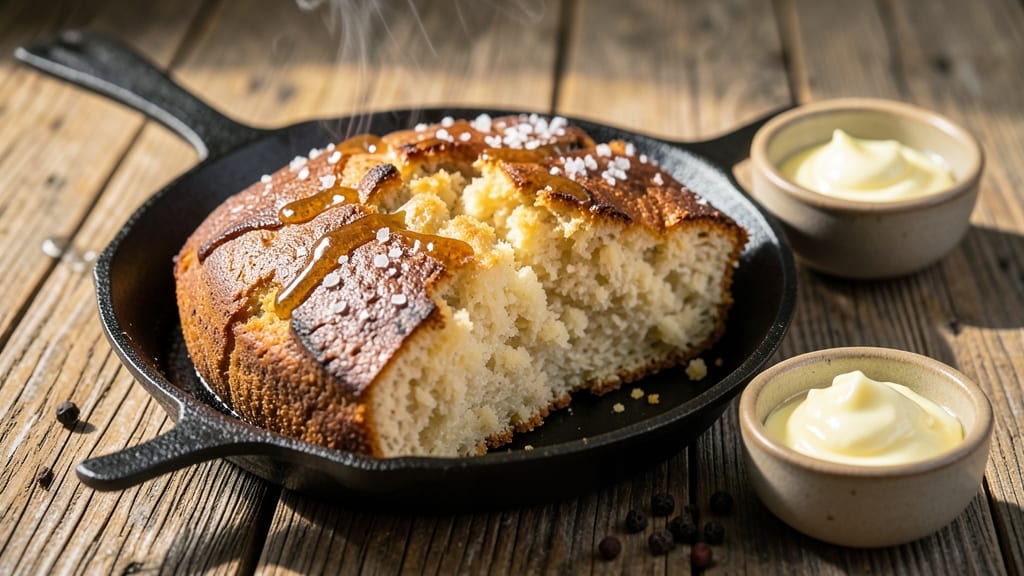
This Amish cornbread recipe delivers the perfect balance of golden crust and crumbly texture that makes it a beloved staple in Amish kitchens. The secret lies in using a mix of cornmeal and all-purpose flour, which creates that signature tender crumb while maintaining a satisfying bite.
What sets this recipe apart is the slow-baked approach—just 20 minutes at 375°F—that ensures even cooking without drying out the center.
The rich, buttery flavor comes from a simple yet effective technique: melting butter into the dry ingredients before adding the liquid. This ensures every bite carries that classic Amish cornbread taste, with just enough sweetness from a touch of sugar to complement the cornmeal’s natural nuttiness.
The result is a loaf that’s crisp at the edges and moist inside, perfect for soaking up gravy or serving alongside a hearty meal.
What makes this recipe truly special is its versatility—it works as a side dish, breakfast staple, or even a dessert when drizzled with honey. The traditional method requires minimal ingredients but maximum flavor, making it ideal for both beginners and experienced bakers.
Once you try this version, you’ll understand why it’s a kitchen essential in Amish households.
For those who love a little heat, jalapeños or cayenne can be added for a spicy twist, while a sprinkle of cheese on top creates a delicious variation.
The simplicity of this recipe belies its depth of flavor, proving that sometimes the most beloved dishes are the ones that require the least fuss. Ready to bake?
Ingredients for amish corn bread
Nine ingredients, one golden loaf—Amish cornbread’s signature texture starts with these essentials.
| Ingredient | Amount | Notes |
|---|---|---|
| Fine-Ground Cornmeal 🌽 | 1 ½ cups | Stone-ground preferred for texture |
| All-Purpose Flour 🌾 | ¾ cup | White or whole wheat blend |
| Granulated Sugar 🍚 | ½ cup | Light brown sugar for depth |
| Unsalted Butter 🧈 | ½ cup | Cold, cubed for even melting |
| Large Eggs 🥚 | 2 whole | Room temperature for blending |
| Milk 🥛 | 1 ¼ cups | Whole milk for richness |
| Baking Powder 🧂 | 1 ½ tsp | Aluminum-free preferred |
| Salt 🧂 | ½ tsp | Diamond Crystal kosher |
| Vanilla Extract 🍯 | 1 tsp | Pure Madagascar bourbon |
The cornmeal is non-negotiable—stone-ground delivers that authentic crumb, while regular grits yield a denser loaf. Bob’s Red Mill or King Arthur brands are reliable choices, but any fine-ground cornmeal works. For the flour, King Arthur all-purpose ensures a tender crumb, though a 50/50 blend with whole wheat adds subtle nuttiness. The sugar? Light brown adds moisture and caramel notes, but white granulated keeps it classic. Butter quality matters here—Plugrá or Land O’Lakes are safe bets, but European-style unsalted has more flavor.
No baking powder? Baking soda plus cream of tartar at half the amount works in a pinch. Short on milk? Heavy cream or buttermilk deepens richness, though whole milk maintains traditional texture. Vanilla extract can be swapped for vanilla bean paste—scrape the seeds into the batter for flecks of flavor. For a spicy twist, add 1/4 tsp cayenne or 1 chopped jalapeño, but omit if you prefer the classic sweet-and-salty balance. The eggs can be replaced with 2 flax eggs—mix 2 tbsp ground flaxseed with 6 tbsp water and let sit for 5 minutes.
Prep ahead by mixing dry ingredients in advance and storing in an airtight container for up to 1 week. The wet ingredients (butter, milk, eggs) should be combined last to maintain texture. For best results, bake immediately after mixing—this isn’t a recipe that benefits from overnight prep. Leftovers keep for 3 days in the fridge, wrapped tightly to preserve moisture. Reheat at 300°F for 10 minutes to restore crispness without drying.
Why You'll Love This Recipe
- No Mixer Needed: I swear by this recipe because it’s all about the mixing—or lack thereof. Just fold the dry ingredients into the wet, no heavy kneading or electric help required. The butter and eggs do all the work, leaving you with a tender crumb that’s almost too easy to resist.
- Sweet But Not Cloying: That touch of granulated sugar in the batter? It’s just enough to balance the earthy cornmeal without turning it into dessert. The butter melts into flaky layers, and the fine-ground cornmeal gives it that classic Amish texture—crisp outside, moist inside, but never gummy.
- Breakfast to Dinner: Honestly, this bread is my secret weapon. Serve it warm with honey butter at breakfast, tear it into chunks for a hearty soup side, or even use it to soak up gravy at dinner. It’s the one loaf that does it all without feeling like a chore.
- Budget-Friendly Staple: Between us, this recipe costs pennies per serving. Cornmeal, flour, and eggs are pantry basics, and a single batch stretches into leftovers that reheat beautifully. I’ve fed a houseful of guests with just one pan—no fancy ingredients, just pure, satisfying comfort.
Step-by-step instructions for Amish cornbread
This method delivers that signature buttery crust and crumbly texture Amish families have perfected for generations.
Melt Butter and Mix Dry Ingredients
Preheat your oven to 425°F and position a rack in the center position. In a medium saucepan over medium heat, melt the ½ cup unsalted butter until it's completely liquid but not browned. This should take about 2-3 minutes. Watch closely—you want the butter to foam gently without developing any nutty aroma from overheating.
While the butter melts, whisk together the 1½ cups fine-ground cornmeal, ¾ cup all-purpose flour, ½ cup granulated sugar, 1½ teaspoons baking powder, and ½ teaspoon salt in a large mixing bowl. The stone-ground cornmeal will give you that authentic Amish texture, so don't substitute with regular cornmeal. Sift the dry ingredients if your bowl has any lumps to ensure even distribution.
Combine Wet Ingredients
Remove the melted butter from heat and let it cool for 2 minutes until it's warm to the touch but not hot. In a separate bowl, whisk together the 2 whole large eggs (room temperature), 1¼ cups milk, and 1 teaspoon vanilla extract until smooth. The vanilla adds subtle depth that complements the cornmeal's earthiness.
Make a well in the center of your dry ingredients and pour in the warm butter, then add the wet egg mixture. Using a wooden spoon or rubber spatula, gently fold everything together until just combined. You'll see some cornmeal clinging to the sides—this is normal. Overmixing develops gluten and makes the cornbread dense rather than crumbly. Stop mixing as soon as no dry spots remain.
Prepare the Baking Dish
Lightly grease a 9-inch cast-iron skillet or oven-safe baking dish with a small amount of butter or cooking spray. The cast iron creates that perfect crust, but a well-seasoned metal baking dish works too. Pour the batter into the prepared dish and spread it evenly using a spatula. The batter will be thick—don't worry, it won't spread much during baking.
Here's the secret to that signature Amish crust: immediately sprinkle a thin layer of coarse cornmeal or semolina over the top of the batter. This creates a textural contrast between the crust and crumb. Tap the dish gently on the counter once to release any air bubbles that might have formed during pouring.
Bake to Golden Perfection
Place the skillet in the preheated 425°F oven and bake for 20-25 minutes until the edges are deep golden brown and the top springs back when pressed gently with your finger. The center should register 200°F on an instant-read thermometer. You'll know it's done when the crust pulls away slightly from the sides of the pan.
I like to open the oven door after 15 minutes to check for browning. If the top is browning too quickly, tent loosely with aluminum foil. The cornbread should have a golden crust with a slightly crisp exterior and a moist, crumbly interior. Let it cool in the pan for 5 minutes before removing—this resting period prevents crumbling when you serve.
Pro Tips For Making Amish Corn Bread
- MEASURE CORNMEAL BY VOLUME: I learned this the hard way—packing fine-ground cornmeal into measuring cups compresses it, making your bread denser than it should be. Spoon it in loosely, then level with a knife. The texture stays light and crumbly, not heavy.
- WHISK EGGS AND BUTTER TOGETHER: Don’t just melt the butter and stir it in cold. Whisk the eggs and softened butter together until fully blended—this creates tiny air pockets that make the bread rise better. I skip this step sometimes, and the difference in height is noticeable.
- DON’T OVERMIX THE BATTER: After adding the wet ingredients, mix just until combined. Overworking it turns the cornmeal into glue, and your bread ends up tough instead of tender. Two or three strokes with a spatula is all you need—yes, even if it looks uneven.
- USE A CAST-IRON SKILLET FOR CRUST: This isn’t the prettiest method, but it’s the tastiest. Preheat your cast iron on medium-high until it’s hot, then add the batter. The uneven heat creates a crispy, caramelized crust on the bottom—way better than a dull, soggy pan. (Your future self will thank you.)
Troubleshooting perfect results
Dense Instead of Crumbly
Overmixing the batter develops gluten, which tightens the crumb. I recommend using a wooden spoon and stopping as soon as the dry ingredients disappear—about 15-20 strokes max. If your cornbread turns out dense, try folding the batter with a spatula instead of stirring vigorously.
Also, ensure your baking powder is fresh—old baking powder loses its lift. 🌾
Pale Interior
A pale center usually means underbaking or insufficient fat. First, verify your oven temperature with an oven thermometer—many home ovens run 25°F cooler than set. If the center stays pale, bake 5-10 minutes longer at 350°F after the edges brown.
For extra insurance, add 1 extra tablespoon of butter to the batter to improve moisture retention.
Cracked Top
Rapid temperature changes cause cracks. To prevent this, let your batter rest for 10 minutes after mixing before baking. Also, avoid opening the oven door during the first 15 minutes of baking.
If cracks already appear, brush the top with melted butter after removing from the oven—this softens the texture and adds flavor. For next time, try reducing the baking powder by ¼ teaspoon to slow rise.
Dry Texture
Dry cornbread often results from overbaking or insufficient moisture. Remove it from the oven as soon as the edges pull away from the pan (usually 200°F internal temp).
If it's already dry, revive it by brushing with warm milk or melted butter and reheating at 300°F for 5 minutes. To prevent dryness, replace ¼ cup milk with ½ cup buttermilk in future batches—the extra acidity keeps the crumb tender.
Uneven Browning
Hot spots in your oven cause uneven browning. Rotate your pan halfway through baking (after 12-15 minutes) for even heat distribution. If one side consistently browns faster, consider using two oven racks—place the pan on the middle rack for balanced cooking.
For extra insurance, sprinkle coarse cornmeal on the top before baking—this creates a barrier that promotes even browning.
Soggy Bottom
A soggy bottom happens when moisture pools at the base. Always grease your pan thoroughly with butter or use parchment paper on the bottom. For cast iron, preheat the pan in the oven for 5 minutes before adding batter.
If using a glass dish, place it on a metal baking sheet to prevent heat loss. For future bakes, try adding 1 teaspoon cornstarch to the dry ingredients—it absorbs excess moisture during baking. 🔥
Nutrition facts
Frequently asked questions
Why does Amish cornbread have a crumbly texture?
The signature crumbly texture comes from using stone-ground cornmeal and a careful mixing technique. The cornmeal's coarse particles create air pockets, while gentle folding (not stirring) prevents gluten development. The butter melted into the dry ingredients also adds moisture that keeps the crumb tender without making it dense.
Can I make this cornbread without cast iron?
While cast iron creates the best crust, any 9-inch oven-safe baking dish works. For even browning, use a metal pan instead of glass. Just grease it thoroughly with butter or use parchment paper on the bottom to prevent sticking. The texture will be slightly less crisp but still delicious.
How do I store leftover Amish cornbread?
Wrap cooled cornbread tightly in plastic wrap or foil and store at room temperature for 2-3 days. For longer storage, freeze slices in a single layer before transferring to a bag—this prevents freezer burn. Reheat at 300°F for 10 minutes wrapped in foil to restore moisture and crispness.
What's the secret to that golden crust?
The golden crust comes from three key steps: melted butter incorporated into dry ingredients, a high oven temperature (425°F), and sprinkling coarse cornmeal on top before baking. The cornmeal creates a textural barrier that promotes even browning while adding subtle crunch.
Can I add cheese or jalapeños to this recipe?
Yes! For a cheesy version, fold in 1 cup shredded cheddar after mixing wet ingredients. For heat, add 1-2 chopped jalapeños or ¼ tsp cayenne. The cheese should be fully melted before baking, and jalapeños work best if removed after baking for milder flavor. Both additions pair beautifully with the buttery cornmeal base.