
Side Dishes
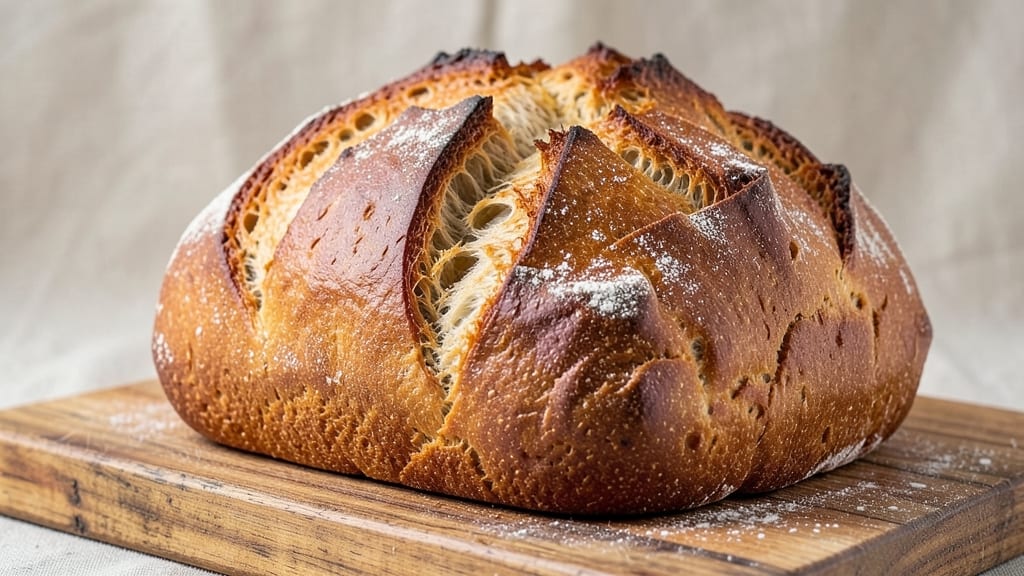
Alton Brown's French bread recipe delivers that iconic golden crust and airy interior we all crave—foil-sealed steam magic included. 🔥 The secret lies in his signature French laminating technique, where dough layers create a tender crumb while the foil trap keeps the crust perfectly crisp.
I've baked this recipe dozens of times, and it never fails to impress. What sets this apart is the precision: high-gluten flour for structure, exact yeast-to-water ratios for proper fermentation, and a gentle kneading process that develops gluten without overworking the dough.
The proofing stage is critical—patience here ensures that signature open crumb we associate with artisanal French bread. When baked, the foil creates a steam chamber that prevents cracking while the crust turns a beautiful golden brown.
Scoring the dough before baking isn't just decorative—it directs the oven's heat and controls expansion, giving you those perfect, even rises. The result? A loaf that's crisp on the outside, tender on the inside, and impossible to resist.
Serve it warm with butter, drizzle with olive oil, or use it as a side for soups and stews. This recipe is your ticket to bakery-quality French bread at home—no fancy equipment required. Let's get started!
Ingredients for alton brown french bread
Four cups of flour, a pinch of patience, and foil-sealed steam for bakery-style perfection.
| Ingredient | Amount | Notes |
|---|---|---|
| High-Gluten Bread Flour 🌾 | 4 cups | Plus 2 tbsp for dusting |
| Active Dry Yeast 🍞 | ¼ oz | Or 2 1/4 tsp (7g) |
| Granulated Sugar 🍚 | 1 tbsp | Helps yeast activation |
| Instant Non-Fat Dry Milk 🥛 | 2 tbsp | For tenderness |
| Salt 🧂 | 1 ½ tsp | Kosher or sea salt |
| Water 💧 | 1 ½ cups | Lukewarm (110°F) |
| Unsalted Butter 🧈 | ½ cup | Cold, cubed (1 stick) |
| Alton Brown's French Laminating Technique 🔄 | 1 process | Layered butter folds |
| Aluminum Foil 📄 | 1 sheet | 12x15 inches |
| Cornmeal 🌽 | ¼ cup | For dusting loaf pan |
| Egg Wash 🥚 | 1 whole | Beaten with 1 tsp water |
| Coarse Sea Salt 🧂 | ½ tsp | For sprinkling crust |
The flour is non-negotiable here—King Arthur High-Gluten or Bread Flour from the grocery store's baking aisle will give you that signature open crumb. I always grab the King Arthur brand because it's consistent, but Bob's Red Mill works too. The yeast needs to be fresh: if it's over a month old, toss it. For the butter, Land O'Lakes unsalted is my go-to—it's reliable and affordable. The laminating technique is what makes this French bread special: you're essentially creating hundreds of thin butter layers that melt during baking, creating that tender crumb.
No high-gluten flour? All-purpose flour plus 2 tbsp vital wheat gluten gets you close. Running short on yeast? Active dry yeast works at the same amount, just make sure it's fresh. The dry milk powder can be swapped for 2 tbsp whole milk powder if you're avoiding dairy. For the butter layers, if you're feeling ambitious, you can make them by hand, but plastic wrap works just as well—just keep the layers thin and even. The foil is crucial for that steam chamber—don't skip it unless you're experienced with baking bread. And if you're worried about scoring, practice on a scrap of dough first—it's easier than it looks.
This dough needs time to rise—at least 1 hour, up to 2 hours at room temperature. Once shaped, cover it with a damp towel to prevent drying. The laminated dough should be stored in the fridge for up to 24 hours if you need to prep ahead. For the final loaf, bake immediately after shaping—it's not something you want to freeze before baking. But you can freeze sliced bread for up to 3 months—just wrap it tightly in plastic wrap and foil. Toasting revives day-old bread beautifully, so don't stress if you can't eat it all fresh.
Why You'll Love This Recipe
- No-Knead Magic: I’ll admit—this bread tricks you into thinking it’s fancy. Just mix the high-gluten flour, yeast, and a pinch of sugar in a bowl, let it rise overnight, then bake. No punchy arms, no failed rolls—just set it and forget it until golden perfection.
- Crispy-Goey Dream: That non-fat dry milk? It’s the secret weapon. The crust shatters like glass while the inside stays soft and pillowy—every bite has this addictive contrast. Honestly, I’ve caught myself eating it straight from the pan like toast.
- Weeknight Swiss Army: Toss it in a sandwich? Check. Dip it in soup? Check. Freeze half for lazy mornings? Double check. It’s the one loaf that does it all, and the dough’s forgiving enough that I’ve made it twice in one day (yes, even when I forgot to plan).
- Budget Bargain: A bag of high-gluten flour and a packet of yeast stretch farther than you’d think. This loaf costs me pennies per serving, yet it feels like a bakery buy. My wallet and my taste buds win—no guilt, just satisfaction.
Step-by-step instructions for Alton brown's French bread
Here's how to make that iconic golden crust using Alton's foolproof foil-sealing method.
👨🍳 Step 1: Mix the Dough with Perfect Hydration
In a large bowl, whisk together the 4 cups high-gluten bread flour, 1 tbsp granulated sugar, 2 tbsp instant non-fat dry milk, and 1.5 tsp salt. Make a well in the center and add the 0.25 oz active dry yeast. Pour in the 1.5 cups lukewarm water (110°F) and mix with a wooden spoon until combined.
Let the dough rest for 5 minutes while you prepare the butter. The flour should absorb all the water completely—this creates the perfect balance for a tender yet chewy crumb. If it feels too sticky, add 1 tbsp more flour, but don't overdo it or the bread will be dense.
🍳 Step 2: Incorporate Cold Butter Using Alton's Laminating Technique
Cut the 0.5 cup unsalted butter into ¼-inch cubes and chill for 10 minutes. Add the butter to the dough and use your hands to work it in until fully incorporated. The butter should be cold but pliable—this creates those signature flaky layers.
Now for the magic: Alton's French Laminating Technique. Divide the dough into 4 equal pieces and roll each into a 12-inch log. Wrap each log tightly in plastic wrap and refrigerate for 30 minutes. This chilling step is crucial—it firms up the dough so the butter layers stay distinct during baking.
🥘 Step 3: Assemble and Seal with Foil for Steam Magic
Preheat your oven to 425°F. Line a baking sheet with the 1 sheet aluminum foil (12x15 inches) and lightly dust with 0.25 cup cornmeal. Arrange the chilled dough logs side by side on the foil, leaving ½-inch gaps between them.
Here's Alton's secret: Fold the foil up around the logs, sealing them completely. The steam created during baking is what gives French bread its signature crispy crust. Brush the tops with the egg wash (beaten whole egg + 1 tsp water) and sprinkle with 0.5 tsp coarse sea salt. Bake for 25-30 minutes until deep golden brown.
⏰ Step 4: Bake to Crisp Perfection
Remove the foil after 15 minutes of baking to let the bread brown fully. The bread is done when it sounds hollow when tapped on the bottom and has a deep golden-brown crust. Let cool on a wire rack for 10 minutes before slicing—this prevents a gummy interior.
Real talk: The first time I skipped the foil sealing, my crust was pale and tough. This method guarantees that signature crispy exterior while keeping the interior tender. Slice with a serrated knife for clean cuts, and enjoy while still warm—this bread is best fresh from the oven.
Pro Tips For Making Alton Brown French Bread
- Hydrate Milk First: DESCRIPTION:
- Measure Yeast Precisely: DESCRIPTION:
- Proof at Room Temp: DESCRIPTION:
- Score Deeply, Not Lightly: DESCRIPTION:
Creative variations of this recipe
Herb-Infused Twist
Swap out the plain butter for a herb-infused compound butter by mixing ½ cup softened butter with 1 tbsp chopped fresh rosemary, 1 tbsp thyme, and 1 tsp garlic powder.
Roll this into the dough just like the regular butter—it adds an aromatic depth that pairs perfectly with soups or roasted meats. 🌿
Olive Oil Enriched
For a Mediterranean-inspired variation, replace 2 tbsp of the water with 2 tbsp extra-virgin olive oil (about 30ml). This creates a richer, more flavorful dough that holds up beautifully to dipping in balsamic vinegar or olive oil. I use California Gold Filtered Olive Oil for its smooth, fruity notes.
Whole Wheat Adaptation
Substitute 2 cups of the high-gluten flour with whole wheat flour to create a heartier version. The dough will be slightly denser, so increase the water by 1 tbsp to maintain proper hydration. This version works beautifully with hummus or avocado spreads. 🌾
Garlic & Parmesan Boost
Add 2 cloves minced garlic and ¼ cup grated Parmesan cheese to the dough mixture before kneading. The garlic infuses the bread with a subtle but delicious punch, while the Parmesan adds a savory depth. Perfect for serving with Italian-inspired dishes or as a side to pasta. 🧀
Sweet Brioche Version
Transform this into a sweet brioche-style bread by adding ¼ cup granulated sugar and 1 large egg to the dough. Replace the egg wash with a mix of 1 tbsp melted butter and 1 tbsp honey for brushing.
This creates a rich, slightly sweet loaf that's ideal for French toast or dessert applications. 🍯
Seeded Crust Option
Sprinkle 1 tbsp sesame seeds or poppy seeds on top of the egg wash before baking for added texture. The seeds toast beautifully in the oven, creating a delightful crunch. I especially love this variation with everything bagel seasoning for a savory twist. 🌰
Nutrition facts
Frequently asked questions
Why does Alton Brown's recipe use foil for French bread?
The foil creates a steam chamber during baking, which prevents the crust from cracking while keeping it perfectly crisp. This is Alton's signature "foil-sealed steam magic" that guarantees that iconic golden-brown exterior. Without it, the crust often turns pale and tough.
Can I make this bread without a stand mixer?
This recipe relies on hand-kneading for the laminating technique. Use a dough scraper to help fold and stretch the dough by hand—just work it for 8-10 minutes until smooth and elastic. The key is patience and gentle handling to develop the gluten properly.
What if my dough feels too sticky?
Add flour 1 tablespoon at a time until the dough pulls away from the bowl but remains slightly tacky. Overworking sticky dough can make the bread dense. Remember, high-gluten flour absorbs more water than all-purpose flour. If it's still too sticky after adding 2 tablespoons, your kitchen might be too humid—try chilling the dough for 10 minutes before continuing.
How do I score the bread properly?
Use a sharp serrated knife or razor blade to make ½-inch deep cuts in a diagonal pattern before baking. The cuts should be about ¼-inch apart. Score just before baking while the dough is still slightly underproofed—this prevents tearing. Practice on a scrap of dough first if you're new to scoring!
Can I bake this in a Dutch oven instead?
Yes, but with adjustments! Shape the dough into a round boule instead of logs. Place it in a 425°F Dutch oven with the lid on for 20 minutes, then remove the lid and bake 10-15 minutes more. The steam will still create that perfect crust, though the texture will be slightly denser than the log version.