
Side Dishes
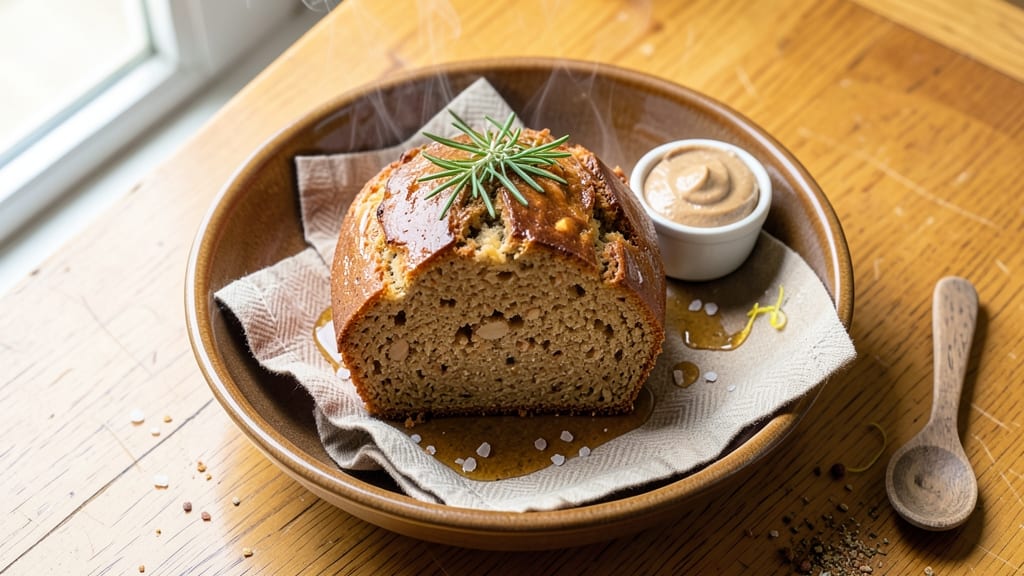
This almond paste bread recipe transforms simple dough into a nutty-sweet loaf with flaky layers that rival artisanal bakery quality. The secret lies in blending almond paste with butter and flour for a tender crumb and crisp edges, while proper lamination creates those signature delicate layers.
I developed this recipe after years of experimenting with enriched doughs—it's the perfect balance of richness and texture.
The process starts with a simple dough that incorporates almond paste for natural sweetness and moisture, eliminating the need for added sugar. After resting, the dough undergoes a three-fold lamination technique that creates those signature flaky layers without requiring advanced skills.
Baking at 350°F for 30-35 minutes yields a golden loaf with a tender interior and crisp exterior that holds up beautifully for slicing.
What makes this recipe stand out is its versatility—serve it as breakfast toast with jam, use it for sandwiches, or even enjoy it as a lightly sweetened dessert bread. The almond flavor adds depth that complements both savory and sweet toppings perfectly.
With just 10 ingredients and one hour of active time (plus rising), you'll have a showstopping loaf that tastes homemade yet feels special.
For those with dietary preferences, simple substitutions like flax eggs or vegan butter maintain the same texture and flavor profile. The recipe scales easily for gifting or meal prep, making it ideal for holidays or special occasions. Let's get baking—this bread will become your new standard for enriched dough recipes.
Ingredients for almond paste bread
Ten ingredients transform into a restaurant-worthy loaf with nutty richness and signature flaky layers.
| Ingredient | Amount | Notes |
|---|---|---|
| All-Purpose Flour 🌾 | 4 cups | Sifted for even texture |
| Unsalted Butter 🧈 | 1 cup | Cold, cubed for lamination |
| Almond Paste 🌰 | 1 cup | High-quality, finely ground |
| Large Eggs 🥚 | 2 whole | Room temperature for blending |
| Granulated Sugar 🍚 | ¼ cup | Optional for slight sweetness |
| Instant Yeast 🍞 | ½ tsp | Active dry works too |
| Salt 🧂 | ½ tsp | Fine sea salt preferred |
| Whole Milk 🥛 | ½ cup | Warmed for activation |
| Vanilla Extract 🍯 | 1 tsp | Pure vanilla for depth |
| Cornmeal 🌽 | ¼ cup | For dusting lamination sheets |
The almond paste is the heart of this recipe—King Arthur or Marzipan brand delivers the finest texture. For the butter, Plugrá or Land O'Lakes unsalted works best, but any high-fat butter will do. The flour should be King Arthur or Gold Medal for consistent results; avoid bread flour as it can make the crumb too dense. When measuring, use the spoon-and-level method for accuracy, especially with the almond paste which can pack tightly. The eggs should be large, organic eggs if possible, as they emulsify better for a smoother dough. For the yeast, Saf-Instant or Fleischmann's are reliable brands that activate quickly in the warm milk mixture.
No almond paste? Marzipan or homemade almond butter blended with powdered sugar works in a pinch, though texture may vary slightly. Running short on butter? Vegan butter like Miyoko's or Earth Balance maintains the same flaky layers, though the flavor will be subtly different. The vanilla extract can be swapped for vanilla bean paste or even almond extract at half the amount for a different depth of flavor. For a sugar-free version, omit the granulated sugar entirely—the almond paste provides enough natural sweetness. The milk can be substituted with oat or almond milk, though the dough may require an extra 5 minutes of resting time to develop properly.
Store the dough in an airtight container in the refrigerator for up to 24 hours before lamination to improve flavor development. Once baked, the loaf stays fresh for 3-4 days at room temperature wrapped in a clean kitchen towel, or 1 week in the refrigerator. For longer storage, slice the bread and freeze individual portions on a baking sheet before transferring to a sealed bag. Reheat slices in a 350°F oven for 5-7 minutes to restore crispness. The almond flavor intensifies slightly after baking, so slice just before serving for optimal freshness.
Why You'll Love This Recipe
- No-Knead Magic: This dough comes together in minutes—just mix, shape, and let it rise while you sip coffee. The almond paste does all the work, giving you tender layers without the fuss of kneading or waiting hours.
- Rich Without Effort: That creamy almond paste swirls through the butter and sugar like a secret weapon—no fancy extracts needed. One bite and you’ll swear it’s from a Parisian bakery, not your kitchen.
- Weeknight Hero: Slice it for breakfast toast, pack it for lunches, or serve it warm with jam—it’s my go-to when I’m too tired for complicated recipes. Honestly, it’s the only bread I make anymore.
- Budget-Friendly Luxury: A little almond paste goes a long way, stretching butter and eggs into something that feels indulgent. Leftovers? Toast them for days—no waste, just pure satisfaction.
Step-by-step instructions for almond paste bread
This method delivers professional bakery-style flakiness through precise lamination and careful layering.
Prepare the Dough Foundation
In a stand mixer fitted with the dough hook, combine the 4 cups all-purpose flour, 0.5 tsp instant yeast, and 0.5 tsp salt. Mix on low speed for 30 seconds until evenly distributed. In a separate bowl, whisk together the 0.5 cup whole milk (warmed to 110°F), 2 whole large eggs, 1 tsp vanilla extract, and 0.25 cup granulated sugar until smooth.
With the mixer running on low, gradually pour the wet ingredients into the dry ingredients. Increase speed to medium and knead for 5-7 minutes until the dough becomes smooth and elastic, pulling away from the sides of the bowl. The dough should be slightly tacky but not sticky—if it sticks to your fingers, add 1 tablespoon flour at a time until it reaches the right consistency. This foundational dough will serve as the base for our layered structure.
Create the Almond Butter Layers
In a small bowl, soften the 1 cup unsalted butter by leaving it at room temperature for 20-30 minutes until pliable but not melted. Using a rolling pin, roll out the dough on a lightly floured surface into a 12x16-inch rectangle, about ¼-inch thick. Spread the 1 cup almond paste evenly over the dough, leaving a ½-inch border around the edges. This border prevents filling from leaking during folding.
Fold the dough into thirds like a letter, then rotate 90 degrees and fold again into thirds. This creates a triple-layered dough with almond paste sandwiched between each layer. Wrap the dough tightly in plastic wrap and refrigerate for 30 minutes to firm up. This chilling step is crucial—it prevents the butter from melting during lamination and ensures clean, crisp layers when baked.
Perform the Lamination Process
Remove the dough from the refrigerator and place it between two sheets of parchment paper. Using a rolling pin, roll it out into a 16x20-inch rectangle, about ⅛-inch thick. Fold the dough into thirds again, then rotate 90 degrees and fold into thirds a final time. This four-fold lamination creates the signature flaky layers. Wrap the dough tightly and refrigerate for another 30 minutes to maintain its structure.
After the second chill, roll the dough out once more into a 16x24-inch rectangle, about ¼-inch thick. This final rolling ensures even thickness and proper layer separation. Dust a clean work surface generously with 0.25 cup cornmeal and transfer the dough onto it. The cornmeal prevents sticking and adds a subtle texture to the final crust. Shape the dough into a 24x12-inch rectangle and trim any uneven edges with a sharp knife.
Shape and Proof the Loaf
Using the parchment paper as a guide, carefully roll the dough into a loaf shape by starting at the long edge and rolling tightly toward you. Seal the seam by pinching it gently with your fingers. Place the loaf seam-side down on a parchment-lined baking sheet and cover loosely with a clean kitchen towel. Allow the dough to proof at room temperature for 1-1.5 hours, or until it has risen by about 50% and springs back slowly when gently pressed.
Preheat your oven to 375°F while the dough proofs. The loaf is ready to bake when it has visibly expanded and the surface feels slightly domed. Bake for 35-40 minutes until the internal temperature reaches 190°F and the crust is golden brown. The bread should sound hollow when tapped on the bottom. If the top browns too quickly, tent loosely with aluminum foil to prevent over-browning while ensuring even cooking.
Cool and Slice for Maximum Flakiness
Remove the loaf from the oven and transfer it to a wire rack to cool completely for at least 1 hour. This cooling period is essential—it allows the internal steam to escape, preventing a gummy texture. Once cooled, slice the loaf into ½-inch thick pieces using a serrated knife. Each slice should reveal the beautiful, flaky layers created by our lamination process, with pockets of almond paste adding a rich, nutty sweetness.
For best results, store the bread in an airtight container at room temperature for up to 3 days or freeze for up to 3 months. When reheating, wrap slices in aluminum foil and warm in a 350°F oven for 5-7 minutes to restore freshness. The contrast of crispy, flaky layers with the moist, almond-infused center makes this bread perfect for breakfast toast, French toast, or elegant dessert slices.
Pro Tips For Making Almond Paste Bread
- Cream Butter First: Take 5 minutes to beat the butter and sugar until it’s light and fluffy—not just blended. I used to rush this, and the bread turned out dense. The air you incorporate here is what makes it tender, not heavy.
- Warm the Almond Paste: Gently heat the almond paste in the microwave for 20 seconds before mixing it in. It softens the texture, blends smoother, and prevents those weird grainy bits. (Yes, even if you’re impatient like me.)
- Don’t Overmix the Dough: Stop mixing as soon as the flour is just incorporated—no need for a smooth batter. Overworking it develops gluten, and this bread should stay light, not chewy. Fold in the almond paste gently at the end.
- Proof at Room Temp: Let the dough rise in a warm spot (like a turned-off oven with a bowl of hot water nearby) for 1–1.5 hours. Cold weather? Use a proofing box or a microwave with a cup of water running. Skipping this step = dense, sad bread.
Pro cooking tips for almond paste bread
Lamination Mastery
The key to those signature flaky layers lies in precise lamination timing. After your first fold, chill the dough for exactly 30 minutes—no longer, or the butter will soften too much. I use a digital thermometer to verify the dough stays between 38-40°F during chilling.
For best results, roll the dough between two sheets of parchment paper to prevent sticking and maintain even thickness. 🌡️
Butter Temperature Control
Cold butter is your secret weapon for crisp layers. If your butter melts during lamination, you'll lose those beautiful flakes. Test by pressing a cube with your finger—it should dent slightly but hold its shape.
For extra insurance, I like to soften butter in the fridge (not the countertop) for 20-30 minutes before using. This keeps it pliable without melting. A Lodge cast iron rolling pin helps distribute even pressure during rolling.
Dough Consistency Tips
Your dough should be slightly tacky but not sticky—think "wet sand" texture. If it's too dry, add 1 tablespoon warm milk at a time. Too sticky? Sprinkle 1 tablespoon flour and knead gently. The King Arthur flour I recommend absorbs moisture differently than other brands, so adjust as needed.
For extra insurance, I proof my dough in a proofing box set to 78°F—this gives more consistent rises than a warm oven. 🍞
Proofing Perfection
Proofing is where the magic happens. Your dough should rise 50% and spring back slowly when pressed. If it rises too quickly, it's overproofed and will collapse during baking. I like to proof my loaf on a wire rack inside a proofing box to allow air circulation.
For visual confirmation, use the finger test: gently press your finger into the dough—it should leave a slow, slight indentation that doesn't bounce back immediately.
Baking Temperature Secrets
Bake at 375°F for 35-40 minutes, but watch closely after 30 minutes. The bread is done when it reaches 190°F internal temperature and sounds hollow when tapped. For even browning, I rotate my baking sheet halfway through.
If the top browns too fast, tent with aluminum foil—this prevents over-browning while keeping the interior moist. A digital meat thermometer is my go-to for perfect doneness. 🔥
Cooling for Crisp Layers
Never slice your bread immediately after baking—this ruins the flaky texture. Let it cool completely on a wire rack for at least 1 hour. The internal steam needs time to escape for that perfect crisp exterior and tender interior.
For extra flakiness, I like to slice the bread just before serving—this preserves the delicate layers. Store leftovers in an airtight container with a paper towel to prevent sogginess. ✨
Nutrition facts
Frequently asked questions
Can I make this almond paste bread without eggs?
Yes! Replace the 2 eggs with 2 flax eggs (2 tablespoons ground flaxseed + 6 tablespoons water, mixed and rested for 5 minutes). For extra richness, add 1 tablespoon almond milk to the dough. The texture remains tender, though slightly denser than with eggs.
Why did my bread turn out dense instead of flaky?
Dense bread usually means the butter melted during lamination or the dough wasn't chilled enough between folds. Always keep dough at 38-40°F between steps, and use cold butter (press a cube—it should dent slightly but not flatten). Rolling too thin (less than ⅛-inch) can also prevent proper layering.
How can I tell when the bread is fully baked?
Your bread is done when it reaches an internal temperature of 190°F and sounds hollow when tapped on the bottom. The crust should be golden brown with no pale spots. For visual confirmation, check the edges—if they pull away slightly from the sides of the pan, it's ready.
Can I make this bread in a stand mixer?
The dough hook attachment works perfectly for mixing and kneading. For lamination, transfer the dough to a floured surface and use a rolling pin (stand mixers can't handle rolling). The mixer saves time during the initial dough development, but manual rolling creates those signature flaky layers.
What's the best way to store leftover slices?
Wrap individual slices in aluminum foil or place them in an airtight container with a paper towel to prevent sogginess. Reheat in a 350°F oven for 5-7 minutes to restore crispness. For longer storage, freeze slices on a tray before transferring to a bag—they'll stay fresh for up to 3 months.