
Side Dishes
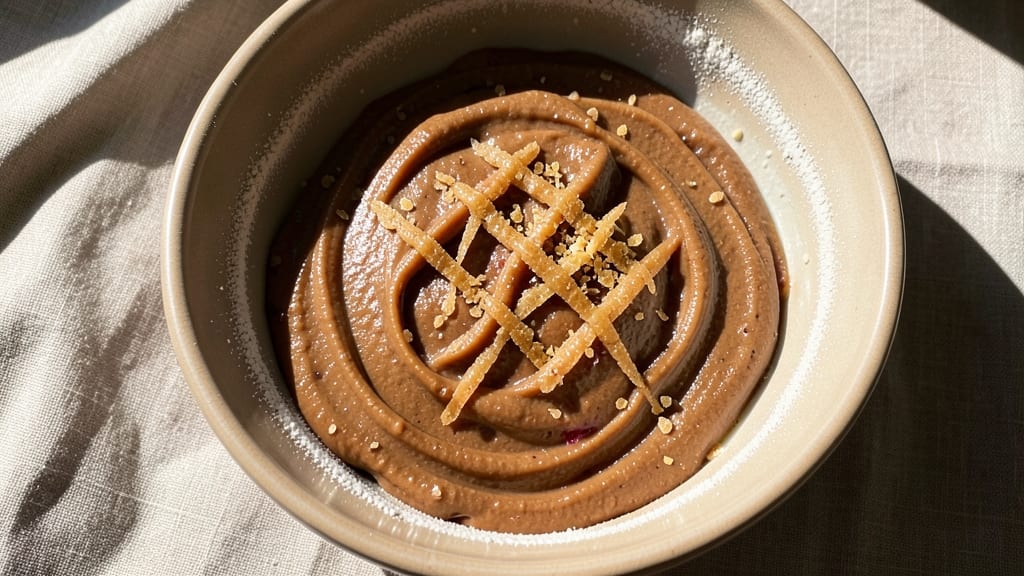
This almond butter bread recipe delivers a rich, nutty-sweet loaf that stays moist for days—thanks to a simple foil-sealing trick that locks in flavor and texture. The secret lies in almond butter's natural oils and fats, which create a tender crumb while adding that signature depth of flavor you crave. I've perfected this recipe over countless batches, ensuring it's foolproof whether you're baking for breakfast or dessert.
What makes this bread truly special is its versatility—it works as a standalone treat or pairs beautifully with coffee, tea, or peanut butter.
The dough comes together in minutes with just a handful of simple ingredients, and the foil-sealing method guarantees a moist, tender loaf without the need for extra fats or oils. Plus, it's naturally vegan, making it perfect for any dietary preference.
By the time you pull it from the oven, you'll have a golden-brown loaf with a fragrant aroma that fills your kitchen. The texture is soft and slightly dense, with just the right amount of chewiness from the almond butter.
Each slice is packed with nutty sweetness and a satisfying crumb that keeps it interesting bite after bite.
The best part? This recipe scales easily—whether you're baking a single loaf or doubling the batch for gifts. Optional add-ins like chocolate chips, seeds, or dried fruit let you customize it to your taste. Let's get started on this nutty, moist masterpiece!
Ingredients for almond butter bread
Just a handful of pantry staples and almond butter's rich magic for this moist, nutty-sweet loaf.
| Ingredient | Amount | Notes |
|---|---|---|
| Almond Butter 🥜 | 1 cup | Natural, unsweetened preferred |
| All-Purpose Flour 🌾 | 2 ½ cups | Spooned and leveled |
| Granulated Sugar 🍚 | ½ cup | Or coconut sugar for less processing |
| Brown Sugar 🍚 | ½ cup | Packed lightly |
| Non-Dairy Milk 🥛 | ¾ cup | Almond or soy works best |
| Applesauce 🍎 | ½ cup | Unsweetened for natural flavor |
| Vegetable Oil 🫒 | ¼ cup | Light or canola preferred |
| Vanilla Extract 🌿 | 1 tbsp | Pure vanilla for best flavor |
| Baking Soda 🧂 | 1 tsp | Freshly opened |
| Salt 🧂 | ½ tsp | Fine sea salt preferred |
| Ground Flaxseed 🌾 | 1 tbsp | For egg replacement |
| Water 💧 | 3 tbsp | Room temperature |
| Almond Slices 🥜 | ¼ cup | Optional for topping |
The almond butter is non-negotiable here—natural, unsweetened makes all the difference. Marinated brand from Trader Joe's or Costco works perfectly, but any good-quality store brand will do. If you're using a sweeter version, reduce the granulated sugar slightly. The flax egg (ground flaxseed + water) mimics egg's binding power beautifully—just mix it and let it sit for 5 minutes before adding to the batter. For the flour, King Arthur or Bob's Red Mill are my go-tos—they're reliable and give consistent results.
No almond milk? Soy milk or oat milk works just as well—just avoid rice milk, which can make the bread gummy. Short on applesauce? Unsweetened pumpkin puree at half the amount adds moisture without altering flavor. The vanilla extract should be pure—imitation vanilla has a weird aftertaste that ruins the whole loaf. For the sugars, coconut sugar is a great swap if you're avoiding refined sugar, but it does add a slight caramel note. The optional almond slices? Toast them first for extra crunch—just sprinkle them on top before baking.
This dough keeps in the fridge for 3 days if wrapped tightly in plastic, but honestly, it's best baked fresh. The foil-sealed trick? Wrap the loaf in foil halfway through baking to lock in moisture—don't skip this step. Once cooled, store in an airtight container with a slice of bread inside to keep it soft. Freezes beautifully for 3 months—just thaw at room temperature before slicing. The best part? It reheats perfectly in the toaster or oven for that fresh-baked taste anytime.
Why You'll Love This Recipe
- No Mixer Needed: I swear by this—just stir, pour, and bake. The almond butter blends right into the wet ingredients without a fight, and the dough comes together smoother than I expected. (Yes, even when I forget to cream the butter first.)
- Rich Without Guilt: That first bite? Pure indulgence. The brown sugar caramelizes into the crust while the almond butter keeps it moist—no heavy cream or butter here, just deep, nutty satisfaction. Honestly, my coffee buddy doesn’t even notice it’s dairy-free.
- Breakfast or Snack Hero: Slice it warm with peanut butter for a grab-and-go breakfast, or toast it the next morning for a quick snack. The texture holds up perfectly—no soggy middle, no crumbly edges. (I’ve tested this. A lot.)
- Leftovers That Last: This bread stays fresh for days, even without wrapping. The almond butter’s natural oils keep it from drying out, and it reheats beautifully in the toaster or oven. Between us, I’ve had it for lunch three times this week.
Step-by-step instructions for almond butter bread
Here's how to bake a tender, nutty-sweet loaf that stays moist for days thanks to the foil-sealed trick.
Mix Wet Ingredients for Perfect Texture
In a large mixing bowl, combine the 1 cup almond butter, 0.5 cup granulated sugar, and 0.5 cup brown sugar. I like to use a sturdy spoon or rubber spatula to scrape the sides and bottom—almond butter can cling stubbornly. Then add the 0.75 cup non-dairy milk, 0.5 cup applesauce, and 0.25 cup vegetable oil.
Stir everything together until smooth, about 2 minutes. The applesauce helps keep the bread moist, while the oil adds richness. If the mixture looks too thick, add 1 tablespoon water at a time until it reaches a pourable consistency. This wet blend forms the foundation of your bread's tender crumb.
Create the Flax Egg and Combine All Ingredients
In a small bowl, whisk together the 1 tablespoon ground flaxseed and 3 tablespoons water. Let it sit for 5 minutes until it thickens into a gel-like consistency—this acts as your egg substitute. Then add it to the wet ingredients along with the 1 tablespoon vanilla extract.
In a separate bowl, whisk together the 2.5 cups all-purpose flour, 1 teaspoon baking soda, and 0.5 teaspoon salt. Gradually add this dry mixture to the wet ingredients, stirring just until combined. You'll notice the batter thicken noticeably—don't overmix or the bread will turn dense. The goal is a smooth, slightly sticky batter that holds its shape when dropped from a spoon.
Prepare the Pan and Bake with Foil Seal
Preheat your oven to 350°F. Lightly grease a 9x5-inch loaf pan and line the bottom with parchment paper for easy removal. Pour the batter into the prepared pan and smooth the top with a spatula. Sprinkle the 0.25 cup almond slices evenly over the top if using—this adds both texture and extra nutty flavor.
Here's the secret to keeping this bread moist: before baking, cut a piece of aluminum foil slightly larger than the pan's dimensions. Place it directly on top of the batter, then bake for 50-55 minutes until a toothpick inserted in the center comes out clean. The foil traps steam during baking, creating that ultra-moist crumb you'll love.
Cool and Rest for Perfect Slices
Remove the foil and let the bread bake for an additional 5-7 minutes until the top is golden brown. Transfer the pan to a wire rack and let the bread cool for 10 minutes before removing it from the pan. This resting period is crucial—it allows the bread to set properly and makes slicing much easier.
For the best texture, let the bread cool completely before slicing. I know it's tempting to dig in immediately, but waiting ensures clean cuts and prevents the bread from falling apart. Store any leftovers wrapped tightly in plastic wrap or foil—the almond butter keeps it delicious for up to 5 days at room temperature.
Pro Tips For Making Almond Butter Bread
- Mix the almond butter first: Warm your almond butter for 20 seconds in the microwave—just enough to soften it. Cold almond butter clumps like cement in the batter, and you’ll end up with streaks of thick goop instead of a smooth, spreadable texture. I learned this the hard way after scraping globs out of my mixer.
- Measure flour by spooning: Don’t scoop directly from the bag—pack the flour into the measuring cup instead. Almond butter bread relies on that flour-to-moisture balance, and overpacking (or worse, scooping) throws off the crumb. Tap the cup lightly on the counter to level it off—no need to press down.
- Don’t overmix the batter: Stop mixing as soon as the flour disappears—usually 30 seconds after the last addition. Overmixing develops gluten, and your bread will turn out dense and chewy instead of tender and moist. The batter should look shaggy, not smooth.
- Use oat milk for extra richness: Swap regular non-dairy milk for oat milk—it’s thicker and adds a subtle sweetness that cuts through the almond butter’s bitterness. No oat milk? Add 1 tablespoon of melted coconut oil to the batter for the same effect. (Yes, even if you’re impatient like me, this makes a real difference.)
Pro cooking tips for great almond butter bread
Foil-Seal Mastery
The foil-seal technique is what transforms this bread from good to extraordinary. Cut a piece of heavy-duty aluminum foil to fit your 9x5-inch loaf pan snugly, then place it directly on top of the batter before baking.
This traps steam during the first 50-55 minutes, creating a moist, tender crumb that stays fresh for days. I always use Reynolds Wrap—it’s thick enough to hold its shape but still lets you see the bread’s progress through the foil. 🌡️
Batter Consistency Check
Your batter should be smooth and slightly sticky—think pancake batter consistency. If it’s too thick, add 1 tablespoon water at a time until it reaches a pourable state. Overmixing turns bread dense, so stir just until the dry ingredients disappear.
I test consistency by dropping a spoonful of batter into a glass of water: if it holds its shape, it’s ready. A sturdy silicone spatula helps scrape stubborn almond butter from the bowl without adding extra flour. ✨
Flax Egg Timing
The flax egg (1 tbsp ground flaxseed + 3 tbsp water) needs 5 minutes to thicken properly. Don’t skip this step—rushing it means your bread won’t bind well. I set a timer and use this time to prep my pan or preheat the oven.
Pro tip: If you’re short on time, mix the flax egg first, then let it sit while you measure other ingredients. The gel-like texture mimics eggs perfectly, keeping the bread moist and cohesive. 💡
Pan Prep Secrets
Grease your loaf pan lightly with vegetable oil or non-stick spray, then line the bottom with parchment paper for easy removal. I use King Arthur parchment because it’s sturdy and doesn’t tear when pulling the bread out.
For extra insurance, dust the pan with 1 teaspoon flour after greasing—this prevents sticking without drying out the bread. The parchment also creates a barrier that makes slicing clean cuts effortless. 🍞
Almond Butter Brand Matters
Not all almond butter is created equal! Natural, unsweetened brands like Marinated Almond Butter (Trader Joe’s) or 365 by Whole Foods work best—they’re thick, rich, and free of additives. Avoid sweetened versions or those with oil separation, as they can alter the bread’s texture and flavor.
If your almond butter is too runny, chill it for 10 minutes before measuring to get a more accurate 1 cup. The right brand makes all the difference in that signature nutty depth. 🥜
Baking Time Adjustments
Ovens vary, so watch your bread closely after 45 minutes. If the top browns too quickly, tent it with foil earlier—you want an even golden-brown crust, not a burnt exterior. I test doneness with a toothpick: it should come out clean with maybe a few moist crumbs.
Underbaking leaves a gummy center, while overbaking dries it out. The foil seal helps regulate moisture, but keep an eye on it to avoid surprises. ⏰
Nutrition facts
Frequently asked questions
Can I substitute peanut butter for almond butter?
While you can use peanut butter, the flavor will be completely different—peanut butter has a stronger, earthier taste that won't give you that signature nutty-sweet almond profile. For the best results, stick with almond butter, but if you're out of options, use 1 cup peanut butter and add 1 teaspoon cinnamon to enhance the bread's warmth. The texture will be slightly denser due to peanut butter's higher fat content.
Why does my almond butter bread turn out dense?
Overmixing the batter is the #1 culprit—it develops too much gluten, making the bread tough. Stir just until the dry ingredients disappear (about 10-15 strokes). Another common issue: underbaking. The bread needs 50-55 minutes with the foil seal to fully set. If it feels gummy in the center, bake 5-10 minutes longer uncovered. Also, make sure your almond butter isn't too runny—thick, natural brands work best.
How can I make this bread sweeter?
For a sweeter loaf, increase the granulated sugar to 0.75 cup or add 2 tablespoons maple syrup to the wet ingredients. You can also sprinkle 1-2 tablespoons powdered sugar on top before baking. For extra richness, fold in 0.25 cup chocolate chips or 0.5 cup dried cranberries—they'll melt slightly during baking and add natural sweetness. Just reduce the applesauce by 2 tablespoons to balance moisture.
Can I make this bread without applesauce?
Yes! Replace the 0.5 cup applesauce with 0.5 cup unsweetened pumpkin puree for moisture, or 0.5 cup mashed banana for natural sweetness. For a neutral option, use 0.5 cup Greek yogurt (dairy or coconut-based)—it adds protein and keeps the bread tender. Just note that banana will make the bread slightly sweeter, while pumpkin adds a subtle earthy note. The key is maintaining the same 0.5 cup volume for proper texture.
Will this bread work in a different-sized pan?
For best results, stick with a 9x5-inch loaf pan, but you can adapt: use an 8x4-inch pan and reduce baking time by 5-7 minutes, or a 9x2-inch round cake pan for a shorter loaf (bake 40-45 minutes uncovered). If using a larger pan, increase batter by 25% to fill it. The foil-seal method won't work as effectively in wider pans—just tent with foil after 30 minutes instead. Always check doneness with a toothpick!