
Desserts
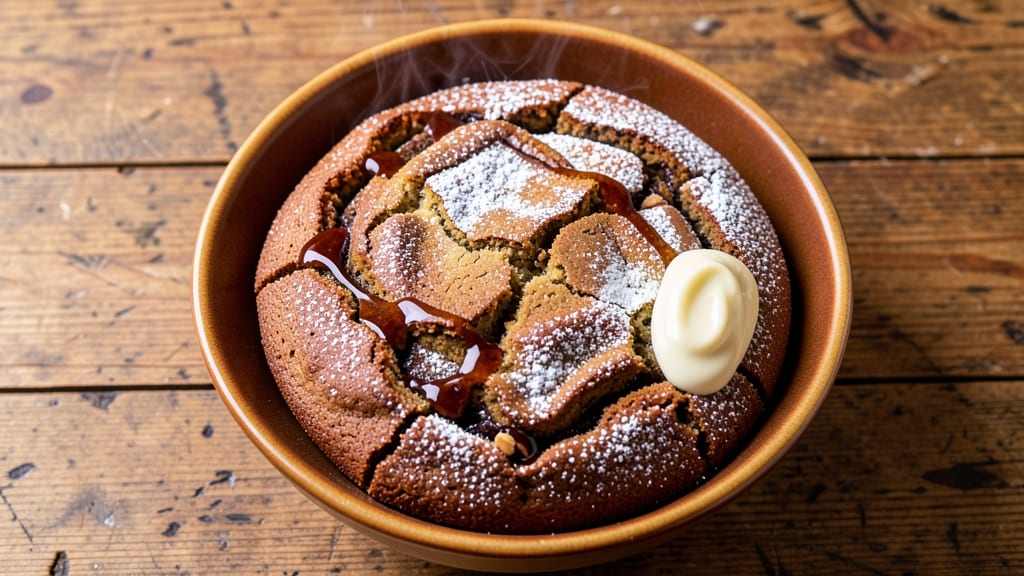
This almond flour gingerbread cake delivers moist crumb magic with warm spice swirls that taste like holiday nostalgia in every bite. The secret lies in almond flour's ability to create a tender yet sturdy texture—no dryness here—while molasses and spices deepen the flavor profile.
I've perfected this recipe over years of baking, ensuring it rises properly and stays lusciously soft even after cooling.
The beauty of almond flour lies in its rich, nutty base that absorbs moisture beautifully, preventing that dreaded cake-dryness common in gluten-free baking. You'll mix wet and dry ingredients separately for a smooth batter, then bake at 325°F until a toothpick emerges clean.
The gingerbread swirls add visual appeal while keeping the texture light and airy.
What makes this cake truly special is its versatility—enjoy it fresh with a dusting of powdered sugar, or layer with cream cheese frosting for extra indulgence. The spices—ginger, cinnamon, and cloves—infuse every slice with warmth, making this dessert perfect for holidays or cozy weeknight treats.
Ready in about 1 hour, including baking and cooling, this cake proves you don’t need flour to create a showstopper. The key is patience: let it rest before slicing for clean cuts and maximum flavor. Trust me, your taste buds will thank you.
Ingredients for almond flour gingerbread cake
Rich almond flour, spiced molasses, and velvety butter create this gluten-free masterpiece.
| Ingredient | Amount | Notes |
|---|---|---|
| Almond Flour 🌰 | 2 ½ cups | Finely ground, unsweetened preferred |
| Granulated Sugar 🍚 | 1 ½ cups | Organic preferred for cleaner flavor |
| Unsalted Butter 🧈 | 1 cup | Softened, full-fat for richness |
| Large Eggs 🥚 | 4 whole | Room temperature for even mixing |
| Unsweetened Applesauce 🍎 | ½ cup | Substitute for oil, adds moisture |
| Molasses 🍯 | ½ cup | Dark molasses for deeper flavor |
| Vanilla Extract 🌿 | 2 tsp | Pure, high-quality extract |
| Ground Ginger 🌶️ | 2 tsp | Freshly ground preferred |
| Ground Cinnamon 🌿 | 1 ½ tsp | Freshly toasted for warmth |
| Ground Cloves 🌶️ | ½ tsp | Whole cloves toasted and ground |
| Baking Soda 🧂 | 1 tsp | Pure, aluminum-free |
| Salt 🧂 | ½ tsp | Fine sea salt preferred |
| Whole Milk 🥛 | ½ cup | Room temperature for smooth batter |
| Powdered Sugar 🍚 | 1 cup | For dusting, sifted |
Almond flour is the star here—Bob's Red Mill or Anthony's Goods are my go-tos for consistency. Look for finely ground, unsweetened almond flour; pre-ground is fine, but avoid clumpy bags. The molasses? Gotham or Brunswick brands deliver that deep, robust flavor without bitterness. Butter should be soft but not melted—press a finger into it; it should hold a slight indent. For the spices, Penzeys bulk bins offer freshly ground ginger and cinnamon, but don't stress if you've got pre-ground—just make sure they smell vibrant, not stale.
No almond flour? Oat flour or coconut flour can work in a pinch (adjust liquids as needed), but texture will differ. Short on molasses? Maple syrup or brown sugar adds sweetness, though the depth of flavor won’t match. The baking soda is non-negotiable—it’s what gives this cake its lift. For the vanilla, imitation won’t cut it; McCormick Pure or Nielsen-Massey are reliable. If you’re feeling fancy, toast the whole cloves in a dry pan for 30 seconds before grinding—trust me on the full-fat version for that extra richness. The powdered sugar should be sifted to avoid graininess on top.
This cake keeps beautifully—3 days at room temperature wrapped in foil, or 1 week in the fridge. For longer storage, slice and freeze portions for up to 3 months. I always bake an extra batch because it reheats wonderfully—just 10 seconds in the microwave with a damp paper towel. The gingerbread swirls? Save half the batter, spread it on top, then swirl with a knife before baking. Patience pays off—let it cool completely before slicing for clean cuts.
Why You'll Love This Recipe
- No-Fuss Mixing: I swear by this recipe—just toss the dry ingredients, fold in the wet, and you’re done. No sifting, no overmixing, no stress. The applesauce keeps it tender while the almond flour handles all the structure, so it’s foolproof even if you’re not.
- Warm Spice Hug: That molasses-kissed gingerbread flavor? Chef’s kiss. The butter and sugar caramelize just enough to give it a rich depth, but the almond flour keeps it from being too heavy. It’s like a cozy hug in cake form—especially with a cup of tea.
- Holiday or Everyday: Between us, I make this for Christmas and lazy Sundays. The rich flavor stands up to frosting (try a cream cheese glaze!) or even just a dusting of powdered sugar. It’s fancy enough for guests but simple enough to bake when you’re craving something sweet.
- Leftovers That Don’t Suck: Honestly, this cake tastes better the next day—moist, not dry, and still packed with that gingerbread punch. I’ve sent slices to work, packed them for road trips, and even reheated a slice in the microwave (yes, it works). No sad, stale crumbs here.
Step-by-step instructions for almond flour gingerbread cake
Here's how to create a gingerbread cake with a moist crumb and perfect spice balance—every time.
Whisk Dry Ingredients for Even Distribution
In a medium bowl, combine the 2.5 cups almond flour, 1.5 cups granulated sugar, 2 tsp ground ginger, 1.5 tsp ground cinnamon, 0.5 tsp ground cloves, 1 tsp baking soda, and 0.5 tsp salt. Whisk vigorously for 30 seconds to aerate the almond flour and ensure all spices are evenly distributed throughout.
This step prevents clumps and guarantees consistent flavor in every bite. I like to press the mixture through a fine-mesh sieve afterward to break up any remaining lumps—especially important with almond flour, which can be dense. Set the dry mixture aside while you prepare the wet ingredients.
Cream Butter and Molasses for Rich Flavor
In a separate large bowl, beat the 1 cup softened unsalted butter and 0.5 cup molasses together on medium speed for 2-3 minutes until light and fluffy. The mixture should nearly double in volume and become pale golden. This creaming process incorporates air, which creates a tender crumb.
Here's the thing—molasses can be bitter, so don't rush this step. You want it fully emulsified with the butter. Add the 4 whole large eggs, one at a time, mixing well after each addition. Then stir in the 2 tsp vanilla extract and 0.5 cup unsweetened applesauce. The applesauce replaces oil while adding moisture without altering the cake's structure.
Combine Wet and Dry Ingredients Gently
With the mixer on low speed, gradually add the dry ingredients to the wet mixture. Mix just until combined—about 30 seconds—being careful not to overmix. The batter should be thick but pourable. If it looks too dry, add the 0.5 cup whole milk 1 tablespoon at a time until smooth.
I know it seems like too much liquid, but trust me—the almond flour absorbs moisture differently than wheat flour. The goal is a batter that clings to the back of a spoon but isn't gluey. Let the batter rest for 10 minutes at room temperature while you prepare your baking pan.
Bake to Perfectly Moist Perfection
Preheat your oven to 350°F. Grease a 9-inch round cake pan or line it with parchment paper, then pour in the batter. Smooth the top with a spatula. Bake for 35-40 minutes until a toothpick inserted in the center comes out clean. The edges should be golden brown, but the top might still look slightly underdone—this is normal.
This cake relies on the almond flour's natural moisture retention, so don't overbake. The internal temperature should reach 205-210°F when done. Let the cake cool in the pan for 15 minutes, then transfer to a wire rack to cool completely before frosting.
Dust with Powdered Sugar for Final Magic
Once completely cool, dust the top generously with 1 cup powdered sugar using a fine-mesh sieve. This step enhances the gingerbread flavor and gives it that classic cake-and-frosting look without requiring actual frosting. For extra warmth, sprinkle with an additional ½ teaspoon ground cinnamon right before serving.
The cake will keep well at room temperature for 3 days in an airtight container, or you can freeze slices for up to 3 months. The spices deepen in flavor as it sits, making it even more delicious the next day.
Pro Tips For Making Almond Flour Gingerbread Cake
- Mix Butter and Sugar First: Almond flour cakes need that creamy texture, and skipping this step means a denser result. Beat the butter and sugar until light and fluffy—about 3-4 minutes—before adding anything else. I used to rush this, and the cake turned out more like a dense brownie. Don’t skip it.
- Sift the Almond Flour: Almond flour is clumpy, and those lumps don’t disappear just by folding. Sift it twice—once before mixing with dry ingredients, once after—so it blends evenly. I learned this the hard way when my first batch had weird dry pockets. A fine mesh strainer works best.
- Don’t Overmix the Batter: This isn’t a gluten-free muffin—almond flour develops gluten-like structure when overworked, leading to a tough cake. Mix just until combined, then stop. Overmixing turns the texture gummy, and no one wants that with gingerbread. Fold in the applesauce gently at the end.
- Use Room-Temp Eggs and Butter: Cold ingredients mean uneven baking—your cake might rise in spots but stay dense elsewhere. Take the eggs out 30 minutes before mixing and let the butter sit out overnight (or at least 1 hour). I was skeptical until I tried it; the crumb is noticeably smoother when everything’s at the same temperature.
Storing and reheating this recipe
Room Temperature Storage
This cake stays fresh for 3 days at room temperature when wrapped tightly in plastic wrap or stored in an airtight container. I like using Glasslock containers because they seal out moisture while keeping the cake's texture intact.
The spices actually deepen in flavor over time, so it tastes even better the next day. Just avoid direct sunlight to prevent the almond flour from drying out. 🌟
Refrigerator Storage
For longer freshness, refrigerate the cake in an airtight container for up to 1 week. The cold temperature helps preserve the moisture, especially important with almond flour cakes that can dry out.
Let it sit at room temperature for 10-15 minutes before serving to restore the perfect crumb texture. I often slice it into individual portions before storing to make serving easier later.
Freezing for Later
Freeze individual slices wrapped in plastic wrap followed by aluminum foil for up to 3 months. Thaw overnight in the refrigerator before serving. For whole cakes, wrap tightly in plastic wrap and place in a freezer bag.
When ready to serve, thaw at room temperature for 2-3 hours. The texture remains moist, though the almond flour may slightly absorb more moisture upon thawing. 🧊
Reheating Slices
Microwave reheating works best for individual slices. Place a slice on a microwave-safe plate, cover with a damp paper towel, and heat on 50% power for 10-15 seconds. This gentle approach prevents drying out the almond flour base.
For oven reheating, bake at 300°F for 5-7 minutes until warmed through. The cake's spice notes become even more pronounced when reheated.
Reviving Dry Texture
If your cake develops a dry texture, try this trick: Place a slice between two damp paper towels and microwave on low power for 5 seconds. The steam will revive the moisture without making it soggy.
For room-temperature stored cakes, a light spritz of water mist (from a spray bottle) followed by a quick 1-minute rest in the microwave can work wonders. The almond flour absorbs moisture differently than wheat flour, so this gentle approach works best.
Nutrition facts
Frequently asked questions
Why does almond flour gingerbread cake turn out dry?
Almond flour absorbs moisture differently than wheat flour, so overmixing or baking too long causes dryness. Always mix just until combined (about 30 seconds) and check doneness at 35 minutes—it should pull away from the pan edges but still feel slightly soft in the center. The applesauce helps retain moisture, but don't skip the 10-minute rest before baking.
Can I make this cake without eggs?
Yes! Replace the 4 eggs with 4 tablespoons ground flaxseed + 12 tablespoons water (mix and let sit for 5 minutes) or 1 cup unsweetened applesauce. The texture will be slightly denser, but the moist crumb remains intact. For best results, increase the molasses to 0.75 cup to compensate for the flavor difference.
How do I make it gluten-free AND vegan?
Use 1.5 cups gluten-free oat flour (blended finely) instead of almond flour, and swap the butter for 0.75 cup coconut oil (cooled). Replace eggs with 4 tablespoons chia seeds + 12 tablespoons water, and use 1 cup coconut milk instead of whole milk. The cake will be more tender but still hold its shape. Bake at 325°F for 40-45 minutes.
What's the secret to the perfect gingerbread swirl?
Save 1 cup batter before mixing, then spread it over the top of the poured cake. Use a butter knife to create gentle swirls in a circular motion—don't press too hard. Bake as directed, then let it cool completely before slicing. The contrast between the spiced swirl and moist cake is what makes it special!
Can I use this recipe for cupcakes?
Divide the batter evenly into 12 lined cupcake pans and bake at 350°F for 18-22 minutes. The smaller size ensures even baking, and the almond flour prevents cupcakes from crumbling. Top with cream cheese frosting or a simple powdered sugar dusting for a festive touch.