
Side Dishes
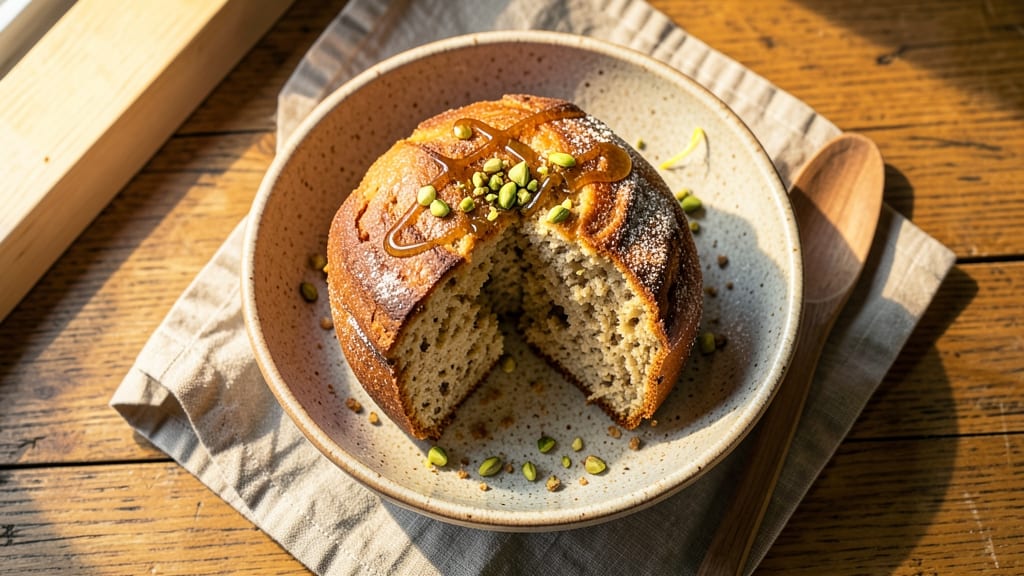
This almond flour bread recipe with psyllium husk delivers a perfectly risen, gluten-free loaf without yeast or kneading—ideal for vegan diets. The psyllium husk acts as a natural binder, creating a light yet sturdy crumb that holds up beautifully.
I developed this recipe after struggling to find a gluten-free bread that didn’t rely on gums or artificial ingredients.
The magic lies in the psyllium husk, which absorbs moisture and creates lift, mimicking gluten’s structure. With just 10 simple ingredients and 30 minutes of prep, you’ll bake a loaf that’s crisp on the outside and tender inside.
This recipe is perfect for sandwiches, toast, or serving alongside soups—no compromises on texture or flavor.
Baking at 350°F for 35–40 minutes ensures a golden crust and even rise, while the almond flour adds a nutty depth. The dough requires no kneading—just mix, shape, and bake. For best results, let the bread cool completely before slicing to maintain its structure.
Use this as a vegan staple—no eggs, dairy, or gluten needed. The psyllium husk also makes it low-carb friendly, with a satisfying chew that rivals traditional bread. Store in an airtight container for up to 5 days or freeze for longer shelf life.
Ingredients for almond flour bread recipe with psyllium husk
Ten ingredients transform into a gluten-free loaf with restaurant-quality texture—no yeast, no kneading, no compromises.
| Ingredient | Amount | Notes |
|---|---|---|
| Almond Flour 🌰 | 3 cups | Finely ground, blanched preferred |
| Psyllium Husk Powder 🌿 | ¼ cup | Organic, unsweetened preferred |
| Tapioca Starch 🌾 | ¼ cup | For improved elasticity |
| Baking Powder 🍞 | 1 ½ tsp | Aluminum-free preferred |
| Salt 🧂 | 1 ½ tsp | Fine sea salt preferred |
| Apple Cider Vinegar 🍎 | 1 tbsp | For acidity and rise |
| Extra-Virgin Olive Oil 🫒 | ½ cup | Cold-pressed, fruity variety |
| Water 💧 | 1 ½ cups | Room temperature preferred |
| Ground Flaxseed 🌾 | 1 tbsp | For binding and omega-3s |
| Sesame Seeds 🌻 | 1 tbsp | For topping and crunch |
Psyllium husk is the game-changer here. Bob's Red Mill or Now Foods offer high-quality organic powder—look for unsweetened versions to avoid hidden sugars. The almond flour should be finely ground; blanched almond flour from Anthony's Goods or Trader Joe's works best for a lighter texture. Tapioca starch, though optional, improves elasticity—Bob's Red Mill again is a reliable brand. Measure your dry ingredients by weight if possible for consistency, but cups work in a pinch. The psyllium husk absorbs moisture rapidly, so mix it with the water first to activate before combining with other ingredients.
No psyllium husk? Xanthan gum at half the amount provides some binding, though the texture won't be identical. Substitute tapioca starch with arrowroot powder for a slightly different mouthfeel. For the almond flour, cashew flour can replace up to half, though the flavor will shift toward nuttier. The apple cider vinegar can be swapped for lemon juice at the same ratio, though flavor will differ slightly. If you're sensitive to sesame, poppy seeds or sunflower seeds work as toppings. Store-bought almond flour often has higher fat content—if your bread seems too dense, reduce the olive oil by 1 tablespoon.
This bread keeps best in an airtight container at room temperature for 3-4 days, though it's best enjoyed within the first 24 hours for peak freshness. For longer storage, slice and freeze portions for up to 3 months—wrap tightly in parchment paper to prevent freezer burn. The psyllium husk-based dough firms up as it cools, so don't slice immediately after baking. If the crust dries out too quickly, brush with a light coat of olive oil while still warm. The sesame topping adds crunch but can be omitted if you prefer a softer texture—simply press seeds into the top before baking.
Why You'll Love This Recipe
- No Mixer Needed: I swear by this recipe when my hands are full—just fold the psyllium husk powder into the almond flour, add water, and let the tapioca starch do the heavy lifting. The dough comes together in seconds, no kneading, no fuss.
- Nutty Crust, Soft Core: Honestly, the flavor punches way above its ingredients. That toasty almond crust gives way to a tender crumb—like a cross between sourdough and a biscuit. The psyllium adds just enough chew to keep it interesting.
- Meal Prep MVP: Between us, this bread stays fresh for days. I slice it, freeze half, and toast portions all week—no sad, stale ends. It’s my go-to for sandwiches, charcuterie boards, or even croutons (yes, I’ve tried it).
- Budget-Friendly Luxury: Almond flour can feel pricey, but psyllium husk stretches it further than you’d think. A single loaf costs me less than store-bought, and it’s actually better—no preservatives, no weird aftertaste. Worth every penny.
Step-by-step instructions for almond flour bread with psyllium husk
This gluten-free bread achieves remarkable rise and texture without yeast or kneading.
Combine Dry Ingredients for Optimal Texture
In a large mixing bowl, whisk together the 3 cups almond flour, 0.25 cup psyllium husk powder, 0.25 cup tapioca starch, 1.5 teaspoons baking powder, and 1.5 teaspoons salt. The psyllium husk powder is crucial here—it acts as a natural binder and thickening agent that mimics gluten's structure. Whisk vigorously for 2-3 minutes until the mixture is completely homogeneous and no flour pockets remain.
I like to press the mixture through a fine-mesh sieve at this stage to eliminate any potential lumps. This ensures even distribution of ingredients throughout the batter, which translates to a consistent crumb texture in your finished loaf. The tapioca starch will help create that signature softness and chewiness that's often lacking in gluten-free breads.
Incorporate Wet Ingredients and Flaxseed
Create a well in the center of your dry mixture and pour in the 0.5 cup extra-virgin olive oil, 1 tablespoon apple cider vinegar, and 1 tablespoon ground flaxseed. The vinegar provides the acidity needed for proper rise, while the flaxseed adds binding properties and omega-3 fatty acids. Using a sturdy spatula, gently fold the wet ingredients into the dry until just combined.
Add the 1.5 cups room temperature water in stages, mixing just until incorporated after each addition. Be careful not to overmix—this gluten-free batter behaves differently than traditional wheat flour dough. You're looking for a thick, shaggy consistency that clings slightly to your spatula. The batter should be cohesive enough to hold its shape when dropped from a spoon but still fluid enough to flow when poured.
Rest the Batter for Maximum Rise
Transfer the batter to a greased 8x4-inch loaf pan (or similar size) and smooth the top with a wet spatula. The pan should be lightly coated with olive oil to prevent sticking. Cover the pan tightly with plastic wrap and allow the batter to rest at room temperature for 30 minutes. This resting period is critical—it allows the psyllium husk to fully hydrate and begin its gelling process, which will contribute significantly to the bread's structure.
During this time, I recommend placing the pan in a warm environment—either near a slightly warm oven with the light on, or in a proofing box set to 85°F. The warmth accelerates the psyllium's activation, creating a more substantial rise. You'll notice the batter begin to thicken noticeably and develop a slightly glossy surface as moisture redistributes.
Bake for Perfect Crust and Interior
Preheat your oven to 350°F and bake the covered loaf for 50 minutes. The cover prevents the top from forming a crust too quickly, allowing the bread to rise evenly throughout. After 50 minutes, carefully remove the plastic wrap and continue baking uncovered for an additional 15-20 minutes until the top is golden brown and the internal temperature reaches 205°F when measured with an instant-read thermometer.
Here's the thing about gluten-free baking—it's easy to overbake. The bread should have a firm yet slightly springy crumb when pressed gently. If you tap the bottom, it should sound hollow rather than dull. The sesame seeds will be added after baking for that signature crunch, so don't worry about them sticking during the initial bake.
Cool and Finish with Sesame Seeds
Remove the bread from the oven and let it cool in the pan for 10 minutes before transferring to a wire rack. This gradual cooling prevents cracking as the bread sets. While still warm, brush the top with a light coating of olive oil using a pastry brush. Immediately sprinkle the 1 tablespoon sesame seeds evenly over the top, pressing them gently into the surface for maximum adhesion.
The sesame seeds not only add visual appeal and texture contrast but also serve as a protective layer that helps maintain moisture. For best results, allow the bread to cool completely before slicing—this gives the psyllium husk time to fully set its binding properties. Each slice should reveal a tender crumb with just enough chewiness, and the crust should be crisp yet not overly hard.
Pro Tips For Making Almond Flour Bread Recipe With Psyllium Husk
- STIR PSYLLIUM FIRST: Mix the psyllium husk powder with warm water (not hot) before adding it to the almond flour—this activates the binding properties right away. I used to just toss it in dry and wondered why my loaf stayed dense; now it rises like a dream.
- WEIGH YOUR ALMOND FLOUR: Scooping almond flour leads to inconsistent results—use a kitchen scale for accuracy. A cup of almond flour can vary by 10 grams from brand to brand, and this bread is unforgiving if the ratio’s off.
- DON’T OVERMIX THE DOUGH: Once the psyllium-water gel is in, fold it in just until combined—overworking it makes the bread tough. Think of it like folding in a delicate filling; you’re not kneading bread here.
- LET IT REST (YES, REALLY): After mixing, cover and rest the batter for 20-30 minutes—this lets the psyllium fully hydrate and the tapioca starch set up. Skipping this step means a crumbly, uneven bake, and no one wants that.
Make-ahead tips for almond flour bread recipe with psyllium husk
Prep Ahead Strategy
Mix all dry ingredients in an airtight container up to 3 days ahead—store in a cool, dark place to preserve freshness. The psyllium husk stays potent when sealed properly. I use a glass jar with a tight lid from Le Parfait to keep moisture out.
The wet ingredients should be mixed fresh, though you can prep the flaxseed "egg" separately and store it in the fridge for 2 days. 💫
Freezer-Friendly Dough
For maximum convenience, prepare the batter completely (through Step 2) and freeze it in a single layer on a parchment-lined tray for 2 hours. Then transfer to a freezer bag with all air removed. Thaw overnight in the fridge before proceeding with the recipe.
The psyllium husk maintains its binding properties even after freezing, though you may need to add 1 extra tablespoon of water if the batter seems too thick upon thawing.
Baking in Bulk
Double the recipe and bake two loaves simultaneously for efficiency. Use two 8x4-inch loaf pans or one 9x5-inch pan for a larger batch. Line the pans with parchment paper for easy removal. I find baking two loaves at once actually improves texture—both rise more evenly in the shared oven heat.
For even larger batches, divide the batter into 12 mini loaves using 4x4-inch pans (bake for 25-30 minutes).
Storage Hacks
Slice the cooled bread and store in a vacuum-sealed bag (like FoodSaver) to maintain freshness for 5 days at room temperature. For longer storage, freeze individual slices wrapped in parchment paper—this prevents them from sticking together.
When reheating, wrap slices in a damp paper towel and microwave for 10-15 seconds to restore moisture. The psyllium-based bread reheats beautifully without becoming gummy. ✨
Make-Ahead Toppings
Prep the sesame seed topping separately by mixing 1 tbsp sesame seeds with ½ tsp olive oil in a small bowl. Store in an airtight container for up to 1 week. This pre-mixed topping saves time and ensures even distribution.
For extra flavor, toast the seeds in a dry pan over medium heat for 2 minutes before mixing with oil—this enhances their nuttiness and aroma.
Batch Freezing Tips
For ultimate meal prep, bake multiple loaves and freeze them whole (unwrapped) on a tray for 2 hours, then transfer to a freezer bag. Label with the date—these keep for 3 months. Thaw at room temperature for 4-6 hours before toasting.
The bread's texture remains excellent even after freezing, though the crust may be slightly less crisp. Re-crisp by toasting in a 375°F oven for 3-5 minutes after thawing.
Nutrition facts
Frequently asked questions
Why does this recipe use psyllium husk instead of xanthan gum?
Psyllium husk creates a more substantial rise and chewier texture that closely mimics traditional bread. Unlike xanthan gum, it absorbs moisture and forms a gel-like structure that improves elasticity and moisture retention. This makes your loaf more satisfying to eat and better for sandwiches or toast. The husk also adds fiber and helps regulate digestion!
Can I make this bread without sesame seeds?
The sesame seeds are just for flavor and crunch. For a seed-free version, omit them entirely or use 1 tablespoon poppy seeds or sunflower seeds instead. If you prefer a softer texture, simply skip the topping—your bread will still be delicious without it. The sesame seeds are optional but add a nice nutty contrast to the almond flour base.
What's the best way to store leftovers?
Store your bread in an airtight container at room temperature for up to 5 days. For longer storage, slice and freeze portions in parchment paper for 3 months. To reheat, wrap slices in a damp paper towel and microwave for 10-15 seconds—this restores moisture without making the bread gummy. The psyllium husk helps maintain freshness longer than many gluten-free breads.
Why does my batter look too thick or too thin?
Psyllium husk absorbs moisture rapidly, so if your batter seems too thick, add 1 extra tablespoon of water at a time until it reaches a thick, shaggy consistency. If it's too thin, add 1 tablespoon more almond flour or 1 teaspoon psyllium husk powder. The ideal batter should hold its shape when dropped from a spoon but still flow slightly when poured. Remember, gluten-free batters behave differently than traditional dough!
Can I use this bread for sandwiches?
Yes! This bread holds up beautifully for sandwiches. Its sturdy yet tender crumb won't fall apart when toasted or sliced. For extra stability, lightly toast slices before assembling sandwiches. The almond flour gives it a subtle nuttiness that pairs well with deli meats, cheeses, and veggies. Just be sure to let the bread cool completely before slicing to maintain its structure.