
Breakfast & Brunch
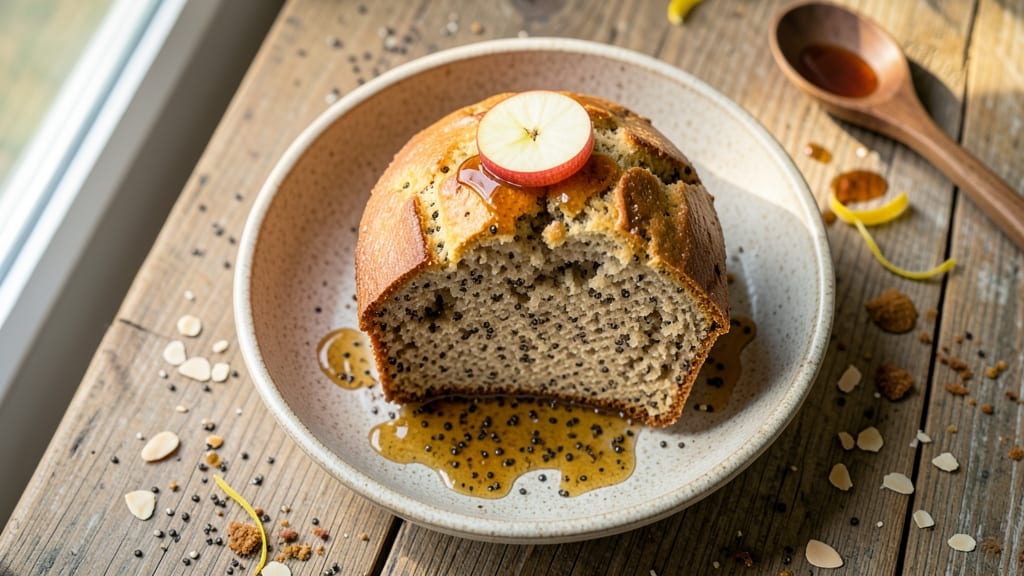
This almond chia bread recipe delivers the perfect gluten-free loaf with a tender crumb and nutty richness that rivals traditional bread. The secret lies in combining ground almonds with chia seeds, which create a naturally elastic texture without gluten.
I developed this recipe after years of searching for a vegan bread that stayed moist and had excellent rise—this one checks all the boxes.
The combination of almond flour and chia seeds creates a bread that's both nutritious and satisfying, with a subtle sweetness from the nuts and a satisfying chew from the seeds. Unlike many gluten-free breads, this one doesn't crumble or dry out quickly—it stays moist for days.
The baking process is straightforward, with just a few key techniques to ensure proper rise and even baking.
What makes this recipe truly special is how it transforms simple ingredients into something extraordinary. The almonds provide healthy fats and protein, while the chia seeds add fiber and omega-3s, making every slice a nutritional powerhouse.
You'll end up with a beautifully golden loaf that's perfect for toast, sandwiches, or serving with soups.
With just a few basic ingredients and simple steps, you can enjoy homemade bread that's gluten-free, vegan, and packed with flavor. The recipe scales easily, so you can make one loaf for your family or double it for meal prep.
Let's get started on making this nutty, moist loaf that will become a staple in your kitchen.
Ingredients for almond chia bread
Eight ingredients transform into a golden loaf with nutty richness and perfect gluten-free rise.
| Ingredient | Amount | Notes |
|---|---|---|
| Almond Flour 🥜 | 2 ½ cups | Finely ground, unsweetened |
| Chia Seeds 🌱 | ½ cup | Whole seeds, organic preferred |
| Ground Flaxseed 🌾 | ¼ cup | For binding and nutrition |
| Coconut Milk (Full-Fat) 🥥 | ½ cup | Canned, for creaminess |
| Pure Maple Syrup 🍯 | ¼ cup | Grade A or B for flavor |
| Apple Cider Vinegar 🍎 | 1 tbsp | For rise activation |
| Baking Powder 🍞 | 1 tsp | Aluminum-free preferred |
| Sea Salt 🧂 | ½ tsp | Fine grain for balance |
| Vanilla Extract 🌿 | 1 tsp | Pure alcohol-free preferred |
| Water 💧 | ½ cup | Room temperature |
| Vegetable Oil 🫒 | ¼ cup | Light, for moisture |
| Nutritional Yeast 🧀 | 2 tbsp | For cheesy flavor |
Almond flour is the backbone here—Bob's Red Mill or Anthony's Goods are my go-tos for consistency. The chia seeds need to be fresh; Bob's Red Mill organic chia seeds work perfectly. For the flaxseed, grind your own if possible—pre-ground loses potency quickly. The coconut milk should be full-fat for that creamy texture, and Thai Kitchen cans are my pantry staple. Maple syrup adds subtle sweetness, but grade B has more depth if you want caramel notes. The baking powder is non-negotiable for rise—Bob's Red Mill aluminum-free is my standard.
No almond flour? Cashew flour works at a 1:1 ratio, though texture will differ slightly. Short on chia seeds? Flaxseeds ground to powder can substitute at the same amount, but you'll lose that satisfying chew. Apple cider vinegar can be swapped for white vinegar or lemon juice, though flavor shifts. The nutritional yeast is key for that cheesy note—Bragg is widely available. For the oil, avocado oil adds a neutral flavor, while coconut oil gives a slight tropical hint. If you prefer less sweetness, reduce the maple syrup to 2 tablespoons and add 1 teaspoon of vanilla bean paste instead.
This dough keeps for 3 days in the fridge, covered tightly. For longer storage, freeze portions for up to 3 months350°F oven for 5 minutes. Leftovers make excellent croutons or breadcrumbs for future recipes.
Why You'll Love This Recipe
- No Mixer Needed: I swear by this—just stir, pour, bake. The chia and flaxseed thicken the coconut milk like magic, so no eggs or complicated ratios. Honestly, I’ve made it in a mug when I was too tired to measure.
- Sweet Without Guilt: That maple syrup caramelizes just enough to give it a deep, buttery warmth, but the almond flour keeps it light. It’s the kind of bread that makes me forget it’s actually good for me—until I remember I’m eating two slices for breakfast.
- Breakfast or Snack Star: Slice it thin for toast with almond butter, pack it in lunchboxes, or serve it warm with a drizzle of syrup. My kids ask for it at school picnics, and my husband sneaks bites before dinner. (Yes, even on a Tuesday night.)
- Lasts All Week: The chia seeds add a chewy texture that keeps it fresh for days—no staling here. I make two loaves on Sunday, freeze one, and still have breakfast covered. Budget-friendly? Absolutely. Waste-free? Even better.
Step-by-step instructions for almond chia bread
Here's how to create a perfectly moist, gluten-free loaf with nutty depth and excellent rise.
Combine Wet Ingredients for Optimal Moisture
In a large mixing bowl, whisk together the 0.5 cup Coconut Milk (Full-Fat), 0.25 cup Pure Maple Syrup, 0.25 cup Vegetable Oil, and 0.5 cup Water until fully blended. The coconut milk should be well incorporated—this creates the bread's foundational creaminess. Add the 1 tbsp Apple Cider Vinegar and mix again, allowing it to sit for 1 minute to begin activating the rise.
Next, stir in the 1 tsp Vanilla Extract and 2 tbsp Nutritional Yeast, ensuring the yeast is completely dissolved. This step is critical for developing the bread's subtle cheesy notes and proper flavor balance. The mixture should be smooth with no visible clumps—this ensures even distribution throughout the batter.
Incorporate Binding Agents and Dry Ingredients
In a separate bowl, sift together the 2.5 cups Almond Flour, 0.5 cup Chia Seeds, 0.25 cup Ground Flaxseed, 1 tsp Baking Powder, and 0.5 tsp Sea Salt. The chia seeds and ground flaxseed act as natural binders, replacing gluten's structural role while adding nutritional benefits. Whisk the dry ingredients thoroughly to aerate them before combining with the wet mixture.
Gradually pour the dry ingredients into the wet mixture while stirring continuously on medium speed. Start on low to avoid splattering, then increase to medium once everything is incorporated. The batter should be thick but pourable—similar to cookie dough consistency. If it appears too dry, add 1 tablespoon of water at a time until it reaches the proper texture. Overmixing at this stage can develop a slightly dense crumb, so mix just until combined.
Prepare the Loaf Pan and Bake
Preheat your oven to 350°F and lightly grease an 8x4-inch loaf pan with vegetable oil or line it with parchment paper for easy removal. Pour the batter into the prepared pan and smooth the top with a spatula, ensuring even distribution. Tap the pan gently on the counter 2-3 times to eliminate any air bubbles that may have formed during mixing.
Bake for 45-50 minutes, or until a toothpick inserted into the center comes out clean. The bread should have a golden-brown top and feel firm to the touch. If the top begins to brown too quickly, loosely cover it with aluminum foil during the last 10 minutes of baking to prevent over-browning while maintaining moisture. The internal temperature should reach 205-210°F for perfect doneness.
Cool and Slice for Maximum Moisture Retention
Remove the bread from the oven and let it cool in the pan for 10 minutes before transferring it to a wire rack. This gradual cooling prevents cracking and allows the internal structure to set properly. For the best texture, slice the bread 30 minutes after baking—this ensures clean cuts and maintains the moist crumb.
The resulting loaf should have a tender, slightly chewy texture with a nutty flavor from the almond flour and subtle tang from the apple cider vinegar. Store any leftovers in an airtight container at room temperature for up to 3 days or refrigerate for 5 days. For longer storage, wrap tightly in plastic wrap and freeze for up to 3 months, thawing at room temperature before serving.
Pro Tips For Making Almond Chia Bread
- Prep Chia Seeds Overnight: I learned this the hard way—chia seeds soak up liquid like sponges, but they need time. Mix them with coconut milk and let them sit for at least 4 hours (or overnight) before baking. This guarantees a tender crumb instead of a dense, gummy mess.
- Measure Almond Flour Right: Spoon and level that almond flour—don’t scoop straight from the bag. Packing it too tightly will throw off the ratio, and your bread might turn out dry or crumbly. A light, airy scoop keeps the texture just right.
- Skip the Overmixing: Stir the batter just until the chia gel and maple syrup blend in. Overmixing incorporates too much air, which can cause the bread to collapse or develop a tough texture. Think "loose and lazy," not "whipped to perfection."
- Bake Low and Slow: This isn’t a race—325°F (160°C) for 40-45 minutes is non-negotiable. High heat makes the outside burn before the center sets, leaving you with a charred crust and a gooey middle. A toothpick should come out clean, but the bread should still be slightly springy.
Essential equipment for almond chia bread
Mixing Essentials
Start with a stand mixer fitted with the paddle attachment—I use my KitchenAid 5-quart for consistent blending. For hand mixers, the Cuisinart HM-90BCS handles thick batters beautifully. The paddle creates less air than a whisk, preventing a dense crumb.
If you don’t have either, a large wooden spoon works in a pinch, though expect slightly more elbow grease. 🥜
Baking Tools
A loaf pan is non-negotiable—opt for 8x4-inch size with non-stick coating for easy release. My favorite is the Nordic Ware Natural Aluminum pan, which distributes heat evenly. For extra insurance, line the pan with parchment paper to prevent sticking.
If you’re baking multiple loaves, preheat your oven for at least 20 minutes to ensure consistent temperature.
Precision Scales
For accurate measurements, especially with almond flour, use a digital kitchen scale like the OXO Good Grips. Almond flour can vary in density—1 cup equals approximately 100 grams when packed lightly. The scale eliminates guesswork, ensuring your bread rises properly.
If you’re measuring by volume, use a dedicated measuring cup and level it with a straight edge for consistency. Never scoop directly from the bag—this compresses the flour and alters the ratio.
Cooling Gear
Invest in a wire cooling rack to prevent soggy bottoms—my OXO Good Grips rack has sturdy legs and wide spacing. For long-term storage, use airtight containers like Glasslock or Rubbermaid Brilliance to lock in moisture.
If you’re freezing the bread, wrap slices individually in parchment paper before placing them in a ziplock bag to prevent freezer burn. A silicone spatula helps with scraping out every last bit of batter from the mixing bowl. 🍞
Nutrition facts
Frequently asked questions
Why does this almond chia bread need both chia and flaxseeds?
Chia seeds add a satisfying chew and omega-3s, while ground flaxseed provides natural binding properties to replace gluten. Together, they create that perfect tender-yet-firm texture. The chia seeds also help retain moisture longer than flax alone would.
Can I make this bread without a stand mixer?
Use a sturdy large wooden spoon or hand mixer with the paddle attachment. The key is gentle mixing—overworking the batter can make the bread dense. A Cuisinart HM-90BCS hand mixer works perfectly for this thick batter.
What if my bread turns out too dense? Dense bread usually means overmixing or insufficient rise.
How can I add extra flavor variations?
Try adding 1 teaspoon of cinnamon or ½ teaspoon of cardamom to the dry ingredients for warmth. For sweetness, fold in ¼ cup of raisins or chopped dates with the wet ingredients. Herbs like rosemary or thyme work beautifully with the nutty flavor profile.
Is this bread really gluten-free?
Yes, this recipe is completely gluten-free as it uses almond flour and chia/flaxseed as binders instead of wheat. The texture is naturally elastic thanks to these ingredients working together. Just be sure to check your almond flour label—some brands process in facilities with gluten-containing products.