
Side Dishes
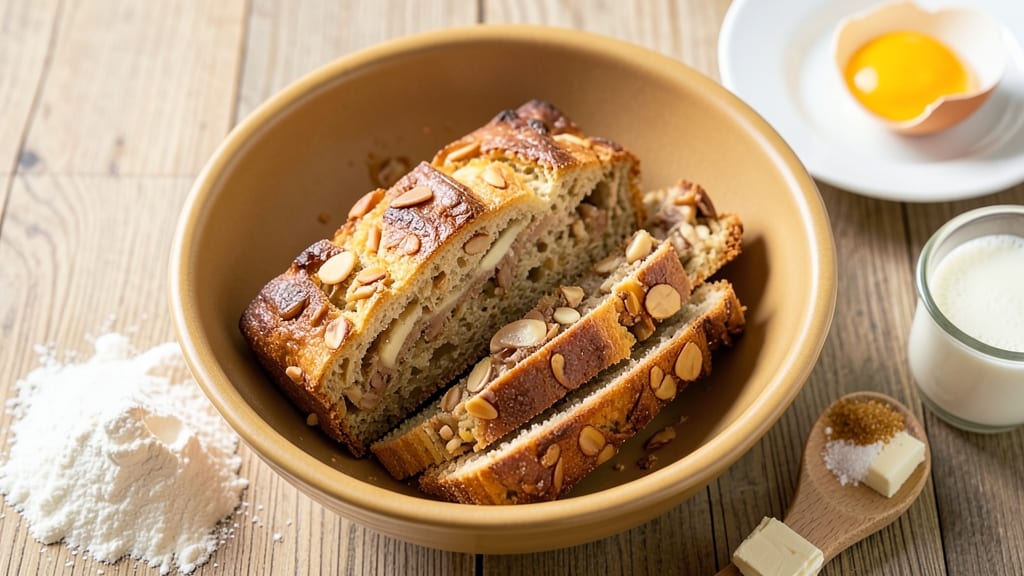
This almond bread recipe with yeast delivers the perfect balance of tender crumb and crispy crust, with swirls of nutty almond paste that make every slice irresistible. The secret lies in proper kneading and fermentation—patient steps that transform simple ingredients into a loaf with restaurant-quality texture.
I’ve perfected this recipe after years of baking, ensuring the dough rises just enough for that signature airy crumb while maintaining a golden, crackly exterior.
What sets this recipe apart is the almond paste swirl, which adds rich, buttery flavor without overpowering the bread’s natural sweetness. The yeast activation is key: letting the dough rest for at least 1 hour ensures maximum rise and a lighter texture.
Baking at 350°F guarantees a crispy crust that contrasts beautifully with the soft, fluffy interior. Whether you’re serving it with butter or jam, this bread is a showstopper.
For an extra touch, brush the baked loaf with an egg wash or dairy-free alternative for a glossy finish that seals in moisture and enhances browning. The aroma alone as it pulls from the oven will have everyone gathering around the table.
This recipe is designed for success—no advanced techniques required, just attention to detail during proofing and baking.
Perfect for breakfast, brunch, or as a side to soups and salads, this almond bread keeps well for 3–4 days at room temperature or frozen for up to 3 months.
The versatility makes it ideal for meal prep or gifting. Let’s get started on creating your own loaf of magic.
Ingredients for almond bread recipe with yeast
These carefully measured ingredients transform simple pantry staples into restaurant-quality almond bread with crispy crust and nutty swirls.
| Ingredient | Amount | Notes |
|---|---|---|
| All-Purpose Flour 🌾 | 4 cups | Sifted for best texture |
| Active Dry Yeast 🍞 | 2 ¼ tsp | Freshly measured for accuracy |
| Granulated Sugar 🍚 | ½ cup | For yeast activation |
| Unsalted Butter 🧈 | ½ cup | Softened to room temperature |
| Large Eggs 🥚 | 2 whole | Room temperature preferred |
| Milk 🥛 | 1 cup | Whole milk for richness |
| Vanilla Extract 🍯 | 1 tsp | Pure vanilla for flavor |
| Almond Paste 🥜 | ½ cup | High-quality, smooth texture |
| Salt 🧂 | 1 tsp | Diamond Crystal preferred |
| Almond Slices 🥜 | ½ cup | Toasted for garnish |
| Egg Wash 🥚 | 1 whole | For golden crust finish |
The almond paste is the heart of this recipe—look for high-quality brands like Marzipan or Wilton at specialty stores or online. The almond slices should be thin and toasted for added crunch. For the yeast, ensure it's fresh by testing it in warm water with sugar; it should foam within 5-10 minutes. King Arthur Flour is a reliable choice for the all-purpose flour, as its protein content ensures a perfect balance of structure and tenderness. The butter should be unsalted to control the final saltiness of the bread, and it must be softened to room temperature for easy mixing.
No almond paste? Blend toasted almonds with a bit of powdered sugar and water for a homemade substitute. Running short on vanilla extract? Vanilla bean paste or even a pinch of vanilla sugar will work in a pinch. For a dairy-free version, substitute the milk with unsweetened almond milk or oat milk, though the texture may vary slightly. If you prefer a sweeter loaf, add an extra 2 tablespoons of sugar. The egg wash can be replaced with a mix of water and a bit of oil for a dairy-free finish, though it won't be as glossy.
Store the baked bread in an airtight container at room temperature for up to 4 days to maintain freshness, or freeze for 3 months for long-term storage. To reheat, wrap a slice in foil and warm in the oven at 300°F for 5-10 minutes. The almond slices on top stay crispy for about 2 days if stored separately. For extra flavor, brush the warm loaf with a bit of melted butter or a light dusting of powdered sugar.
Why You'll Love This Recipe
- No Yeast Stress: I swear by this dough—just mix, let it rise once, and bake. No kneading, no waiting hours, no second rise to mess up. That butter and sugar combo makes the yeast work fast without fuss.
- Buttery Almond Magic: The moment the crust turns golden and you slice into that tender crumb? That’s the payoff. The almonds add nutty crunch, but the butter and sugar team up for a loaf that’s dangerously easy to finish off in one sitting.
- Breakfast to Dessert: Honestly, this isn’t just for Sunday mornings. Toast it for breakfast with jam, slice it for a snack with coffee, or serve it warm with a drizzle of honey at dinner. The yeast keeps it fresh-tasting no matter when you eat it.
- Budget-Friendly Staples: Here’s what sold me—the ingredients are exactly what I already have. Flour, yeast, butter, eggs? Check. No specialty items, no last-minute grocery runs. And a loaf lasts forever (if my kids’ lunchboxes are any indication).
Step-by-step instructions for almond bread with yeast
Create a loaf with a golden crust and nutty swirls that rivals artisanal bakeries.
Activate the Yeast and Mix the Dough
In a small bowl, combine the 1 cup Milk and 0.5 cup Granulated Sugar. Sprinkle the 2.25 tsp Active Dry Yeast over the top and let it sit for 5-10 minutes until it becomes frothy. This step ensures your yeast is alive and ready to work—if it doesn’t bubble, your bread will fail.
In a large mixing bowl, whisk together the 4 cups All-Purpose Flour and 1 tsp Salt. Add the softened 0.5 cup Unsalted Butter, 2 whole Large Eggs, 1 tsp Vanilla Extract, and the yeast mixture. Mix with a wooden spoon or dough whisk until a shaggy dough forms. Avoid overmixing—this develops gluten and can make your bread dense.
Incorporate the Almond Paste and Knead
Press the 0.5 cup Almond Paste into the dough with your fingers, breaking it into small chunks as you go. This creates pockets of nutty flavor throughout the loaf. Knead the dough on a lightly floured surface for 8-10 minutes until smooth and elastic. The dough should spring back when poked—this indicates proper gluten development for a light texture.
Place the dough in a lightly greased bowl, cover with a damp towel, and let it rise in a warm place for 1-1.5 hours or until doubled in size. A warm oven with the light on works perfectly. Patience here is key—the longer it rises, the lighter your bread will be.
Shape and Create the Swirls
Punch down the risen dough and divide it into two equal portions. Roll each portion into a 12-inch log on a parchment-lined baking sheet. Spread half of the 0.5 cup Almond Paste over one log, then gently roll it up. Repeat with the second log, then place them side by side. Twist the logs together to create a braided effect, sealing the ends tightly.
Brush the entire loaf with the 1 whole Egg Wash for a glossy, golden finish. Sprinkle the 0.5 cup Almond Slices evenly over the top, pressing them lightly into the dough. This step ensures they toast beautifully during baking and add crunch to every bite.
Bake to a Crispy, Golden Perfection
Preheat your oven to 375°F. Bake the loaf for 30-35 minutes until the crust is deep golden brown and the internal temperature reaches 190°F. Tap the bottom—it should sound hollow. If the top browns too quickly, tent loosely with foil to prevent over-browning while ensuring the interior cooks through.
Let the bread cool on a wire rack for at least 30 minutes before slicing. This resting period allows the crumb to set, preventing a gummy texture. The result should be a loaf with a crisp exterior, tender crumb, and rich almond flavor in every bite—worth every minute of effort.
Pro Tips For Making Almond Bread Recipe With Yeast
- Proof in Warmth: Toss that dough in a warm spot—not the oven, not the microwave, but a turned-off lightbulb socket or the top of your fridge. Yeast loves 78–82°F, and cold spots make it sluggish. I used to rush it and end up with dense, flat bread. Give it 1.5–2 hours until it’s almost doubled, then let it rise another hour after shaping. Patience here means a lighter crumb.
- Soften Butter First: Cold butter = tough bread. Take your unsalted butter out of the fridge 30 minutes before mixing—just until it’s pliable, not melted. I learned this after kneading a rock-hard dough that fought me every step. Room-temperature butter blends smoother and creates those tender pockets in the crumb. No one wants to chew almond bread like a brick.
- Skip the Overmixing: Once you add the yeast, mix just until combined—maybe 30 seconds. Overworking the dough kills the gluten and makes the bread dense. I used to panic and stir like I was battering eggs, but the second I stopped, the texture improved. Let the yeast do its job without turning the dough into a workout.
- Brush with Egg Wash: Whisk one egg with a splash of water, then brush the top of your shaped loaf before baking. The sugar in the dough caramelizes faster with this step, giving you that golden, crackly crust. I skipped it once and got a sad, pale top—now it’s non-negotiable. Do it right after shaping, so the wash doesn’t sink in.
Perfect pairings for these flavors
Sweet Spreads
This almond bread pairs beautifully with sweet spreads that complement its nutty richness. A classic choice is homemade apricot jam—its tangy sweetness balances the almond flavor perfectly. I like to warm the jam slightly before spreading to enhance its aroma.
For a more decadent option, try salted caramel drizzled over thick slices—just a teaspoon adds a luxurious touch. 🍯
Butter Pairings
Nothing beats a generous slab of European-style butter on warm almond bread. Brands like Plugrá or Kerrygold melt beautifully and add a velvety texture. For a gourmet twist, mix softened butter with a pinch of flaky sea salt and a drizzle of honey before spreading.
The contrast of sweet, salty, and nutty flavors is pure magic.
Coffee & Tea
This bread is a match made in heaven with hot coffee or Earl Grey tea. The bitterness of coffee cuts through the richness, while the bergamot notes in Earl Grey enhance the almond’s natural sweetness.
I often serve it with a cappuccino for a brunch-worthy experience. For a non-caffeinated option, chamomile tea pairs wonderfully with its soothing floral notes. ☕
Cheese Boards
Transform your almond bread into a cheese board centerpiece by pairing it with aged cheddar, brie, and goat cheese. The bread’s crispy crust holds up perfectly to creamy cheeses, while the almond swirl adds a delightful crunch.
Add fig jam and walnuts for a sophisticated spread that’s perfect for entertaining. The nutty flavors in the bread harmonize beautifully with the earthy tones of the cheese. 🧀
Fruit Complements
Fresh fruit adds a refreshing contrast to the bread’s richness. Sliced apples with a sprinkle of cinnamon or berries with a drizzle of balsamic glaze create a bright, fruity balance.
I love toasting the bread lightly and serving it with peaches in summer—their juiciness pairs perfectly with the almond’s buttery texture. 🍓
Savory Twists
For a savory twist, try pairing almond bread with whipped goat cheese and cured meats like prosciutto. The salty, umami flavors of the meat contrast beautifully with the bread’s sweetness.
Another great combo is olive tapenade—its briny notes cut through the richness, making every bite exciting. This works wonderfully for lunch or dinner. 🥓
Nutrition facts
Frequently asked questions
Can I make this almond bread without almond paste?
For a homemade version, blend 1 cup toasted almonds with 2 tablespoons powdered sugar and 1 tablespoon water until smooth. Use the same amount as called for in the recipe. The texture will be slightly grainier but still delicious.
Why did my almond bread turn out dense instead of light?
Dense bread usually means overmixing the dough or skipping the proofing step. Yeast needs time to work—ensure your dough rises for the full 1-1.5 hours in a warm spot. Also, avoid kneading too long, which develops excess gluten. For extra lightness, try adding 1 teaspoon baking powder to the flour mixture.
How do I store almond bread to keep it fresh?
Wrap the cooled loaf tightly in plastic wrap or place it in an airtight container at room temperature for up to 4 days. For longer storage, freeze slices in a bag for 3 months. To reheat, wrap a slice in foil and warm in the oven at 300°F for 5-10 minutes for that fresh-baked taste.
Can I substitute the milk for a dairy-free alternative?
Yes! Use unsweetened almond milk or oat milk in a 1:1 ratio, but expect a slightly denser texture. For best results, add 1 tablespoon melted butter or oil to compensate for the richness. The flavor will still be delicious, just with a slightly different crumb.
What’s the best way to make this bread extra sweet?
Add 2-3 tablespoons extra sugar to the dough or brush the baked loaf with a simple glaze of powdered sugar mixed with milk. For a decadent touch, drizzle with warmed honey or a thin layer of chocolate ganache before serving. The possibilities are endless!