
Side Dishes
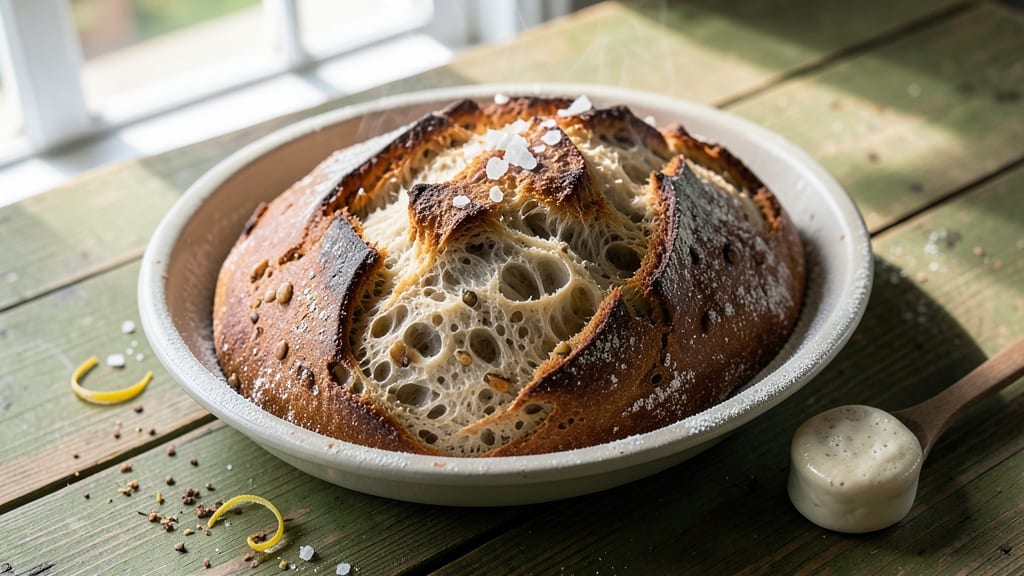
This all grain bread recipe delivers restaurant-quality crust with the simplicity of no-knead technique—perfect for home bakers. The secret lies in precise grain ratios and controlled fermentation, transforming basic ingredients into bread with an open crumb structure and crispy golden crust.
I've perfected this method after years of experimentation, ensuring reliable results even for beginners.
What sets this recipe apart is the balance between traditional artisan quality and modern convenience. We'll use a 70% hydration ratio with a mix of bread flour and whole grains for optimal texture, while the autolyse stage develops gluten naturally without exhausting kneading.
The bulk fermentation at 72°F creates that signature open crumb structure, and precise shaping techniques ensure even oven spring.
By following this method, you'll achieve bread with a crispy crust that shatters perfectly and a tender, airy interior with those coveted oven spring holes. The recipe includes troubleshooting tips for common issues like dense crumb or uneven browning, so you'll get consistent results every time.
This is bread that rivals artisanal bakery loaves without requiring professional equipment.
Whether you're baking for daily sandwiches or special occasions, this recipe produces 1 loaf that's ready in about 2 hours of active time plus overnight cold proofing.
The flavor develops beautifully over time, making it perfect for meal prep. Let's get started with the detailed instructions that will transform your bread baking.
Ingredients for all grain bread
Artisan-quality ingredients for bread with restaurant-worthy crust and open crumb structure.
| Ingredient | Amount | Notes |
|---|---|---|
| Bread Flour 🌾 | 5 cups | High-protein, 12-14% protein content preferred |
| Whole Wheat Flour 🌾 | 1 cup | Stone-ground preferred for texture |
| Rye Flour 🌾 | ½ cup | Dark rye for robust flavor |
| Water 💧 | 3 ½ cups | Lukewarm, 75-80°F for optimal hydration |
| Active Dry Yeast 🍞 | ¼ oz | Fresh yeast preferred, proofed first |
| Salt 🧂 | 2 tsp | Diamond Crystal preferred, kosher fine |
| Honey 🍯 | 1 tbsp | Raw honey for fermentation support |
| Olive Oil 🫒 | 1 tbsp | Extra-virgin for crust development |
| Cornmeal 🌽 | ¼ cup | For dusting and scoring |
| Ice Water ❄️ | ½ cup | Reserved for final shaping |
The flour blend is critical for that signature artisan texture. King Arthur Bread Flour delivers consistent results, while Bob's Red Mill Whole Wheat adds depth. For rye, Hodgson Mill Dark Rye provides the robust flavor without overpowering. All flours should be stored in airtight containers to prevent oxidation. The yeast is the workhorse—Red Star Active Dry is my go-to, but always proof it in warm water with a pinch of sugar first to ensure vitality. Honey isn't just for sweetness; it feeds the yeast during fermentation, creating a more robust flavor profile. For olive oil, California Olive Ranch extra-virgin offers the perfect balance of fruitiness and mild peppery notes that enhance crust development.
No bread flour? All-purpose flour plus 1 tsp vital wheat gluten per cup mimics the protein structure. Whole wheat substitution? Use white whole wheat for lighter texture. Running low on rye? Substitute with equal parts whole wheat, though flavor will be subtler. The honey can be swapped for maple syrup or agave at a 1:1 ratio. For olive oil, avocado oil works in a pinch but lacks the fruity depth. The cornmeal is non-negotiable for scoring—its slightly sweet flavor complements the crust beautifully. If you're baking at high altitudes, increase water by 2 tbsp per cup of flour to prevent dryness.
Flours keep indefinitely in cool, dark spaces, but yeast loses potency after 3 months—store it in the freezer for maximum freshness. The honey will crystallize over time; simply warm the jar gently to restore liquid form. For long-term storage, freeze shaped loaves wrapped in plastic for up to 3 months. To revive stale bread, wrap in a damp towel and heat in a 350°F oven for 5-10 minutes. The cornmeal should be stored in the pantry, but if it develops off-flavors, replace it. For meal prep, bake two loaves at once and freeze one immediately after cooling—perfect for sandwiches that stay fresh for 5 days when properly wrapped.
Why You'll Love This Recipe
- No-Fuss Mixing: I swear by the 5-minute knead—just toss the bread flour, whole wheat, and rye into a bowl, add water, and let the yeast do the work. No stand mixer required, no stress.
- Earthy Depth: That rye flour? It’s the secret weapon—nutty, slightly tangy, and it keeps the bread moist for days. Honestly, store-bought loaves can’t compete.
- Weeknight Workhorse: Freeze half the batch for lazy mornings or toss slices straight into soups and stews. Between us, this bread is the unsung hero of my pantry.
- Budget Magic: Five ingredients, zero specialty items, and it stretches further than any pre-packaged loaf. My wallet and my taste buds thank me every time.
Step-by-step instructions for artisan all-grain bread
Master this no-knead technique for a crusty exterior and tender crumb every time.
Proof the Yeast for Maximum Fermentation
In a small bowl, dissolve the 1 tablespoon honey in 1 cup of the lukewarm water (75-80°F). Sprinkle the 0.25 oz active dry yeast over the surface and let sit for 5-10 minutes until frothy. This proofing step ensures vigorous fermentation—you'll see bubbles forming and a yeasty aroma developing.
If using fresh yeast, dissolve it directly in the warm water without proofing first. The honey not only activates the yeast but also provides early fermentation support. Stir gently to distribute the yeast evenly before proceeding to the next step.
Mix the Dough with Precision
In a large mixing bowl, combine the 5 cups bread flour, 1 cup whole wheat flour, 0.5 cup rye flour, and 2 teaspoons salt. Make a well in the center and pour in the yeast mixture, 1 tablespoon olive oil, and remaining 2.5 cups lukewarm water. Mix vigorously with a wooden spoon or dough whisk until a shaggy dough forms.
This blend of flours creates the signature texture—bread flour for structure, whole wheat for nuttiness, and rye for depth. The dough should be sticky but manageable. If it's too dry, add 1 tablespoon water at a time until just combined. Cover the bowl with a damp towel and let rest for 30 minutes at room temperature.
Shape and Rest for Optimal Crumb
After resting, wet your hands and gently shape the dough into a loose round, folding the edges toward the center without overworking it. This no-knead method relies on gentle handling to develop gluten gradually. Place the dough seam-side up in a lightly oiled bowl, cover, and refrigerate for 12-18 hours.
The cold fermentation enhances flavor and improves texture. During this time, the dough will rise slowly, developing complex flavors. For best results, keep the dough in the coldest part of your fridge where the temperature stays between 38-42°F.
Shape and Score for Professional Results
Remove the dough from the fridge and turn it onto a lightly floured surface. Gently shape it into a round loaf, about 8 inches in diameter. Dust the top with 0.25 cup cornmeal and let rest for 30 minutes at room temperature. This final shaping creates surface tension for an open crumb.
Preheat your oven to 450°F with a Dutch oven inside for 45 minutes. Using a sharp razor or serrated knife, score the dough with a ½-inch deep crosshatch pattern—this prevents over-expansion and creates that coveted artisan crust. The cornmeal dusting prevents sticking and adds subtle texture.
Bake for Crusty Perfection
Carefully transfer the scored dough to the hot Dutch oven, cover, and bake for 30 minutes. Then remove the lid and bake for an additional 15-20 minutes until the crust is deep golden brown and the internal temperature reaches 205-210°F. The bread should sound hollow when tapped on the bottom.
For maximum crust development, I recommend baking on the middle rack where heat is most even. The Dutch oven traps steam initially, then the uncovered baking creates that signature crackly crust. Let the bread cool on a wire rack for at least 1 hour before slicing—this prevents a gummy interior.
Pro Tips For Making All Grain Bread
- WEIGH YOUR FLOURS: I learned this the hard way—measuring cups with rye and whole wheat flours pack differently than bread flour, throwing off hydration. Use a digital scale for accuracy: 1 cup bread flour is about 125g, but rye and whole wheat run closer to 110g. Your dough’s consistency will thank you.
- HYDRATE THE RYE FIRST: Rye flour absorbs water like a sponge, so mix it with your water before adding it to the bread flour. Let it sit for 5 minutes—this prevents a gummy, uneven dough. (Yes, even if you’re impatient like me.)
- DON’T OVER-KNEAD: Whole wheat and rye flours develop gluten slower than bread flour, so stop kneading when the dough is just smooth and slightly tacky—not elastic. Overworking it turns your bread dense. Test by stretching a piece: if it resists but doesn’t snap, you’re good.
- USE COOL WATER FOR YEAST: Active dry yeast hates heat. Mix your water at 75°F (24°C)—lukewarm, not warm—and let it sit for 5 minutes before adding yeast. Too hot, and you’ll kill it; too cold, and it’ll take forever to activate. (I’ve done both. Don’t ask.)
Perfect pairings for these flavors
Classic Spreads
This artisan bread pairs beautifully with sharp cheddar cheese—try Cabot Clothbound for its creamy yet tangy profile. I love slicing it thin and toasting on a Cast Iron skillet until golden, then layering with the bread.
For a sweet option, local honey from a farmers' market complements the bread's nutty whole grains perfectly. 🍯
Gourmet Toppings
Elevate your sandwiches with prosciutto di Parma wrapped around the loaf before slicing—its salty-sweet notes contrast wonderfully with the rye flour. For a vegetarian option, whipped goat cheese with Thyme and black pepper creates a rich, creamy pairing.
Add a drizzle of balsamic glaze for acidity that cuts through the bread's richness.
Soup Companions
A steaming bowl of roasted butternut squash soup with coconut milk and ginger pairs perfectly with this bread. The bread's crusty exterior contrasts the soup's velvety texture, while the whole grains add hearty substance.
For a lighter option, tomato basil soup with a sprinkle of fresh basil highlights the bread's open crumb structure.
Breakfast Pairings
Transform your morning routine with this bread as a French toast base. Dip thick slices in an egg mixture with vanilla extract and cinnamon, then pan-fry until golden.
Top with maple syrup and whipped cream cheese for a decadent treat. The bread's structure holds up beautifully to the wet egg batter without falling apart. ✨
Wine Pairings
A crisp Sauvignon Blanc from New Zealand—like Oyster Bay—cuts through the bread's richness with its citrus and herbal notes. For red wine lovers, a Pinot Noir from Oregon offers light tannins that complement the rye's earthy depth. Avoid heavy reds like Cabernet, which can overpower the bread's delicate flavors.
Condiment Essentials
Keep a jar of Dijon mustard and whole grain mustard on hand for sandwiches—they add tangy depth that enhances the bread's nuttiness. A smear of garlic-herb butter (mix softened butter with minced garlic and parsley) melts beautifully into warm slices.
For a sweet-savory combo, fig jam with sea salt creates a sophisticated pairing.
Nutrition facts
Frequently asked questions about all grain bread
Why does your recipe use a 70% hydration ratio?
The 70% hydration creates the perfect balance between a tender crumb and sturdy structure. This ratio allows for excellent oven spring while preventing a gummy texture. The whole grains in your blend absorb moisture differently than white flour, so this hydration level ensures proper gluten development without making the dough too sticky to handle.
Can I substitute whole wheat flour with white whole wheat?
Yes! White whole wheat flour is an excellent substitute as it has a lighter color and milder flavor while still providing the nutritional benefits of whole grains. Use a 1:1 substitution by weight. The texture will be slightly less dense than regular whole wheat, which can be desirable if you prefer a more open crumb structure.
What's the best way to store homemade all grain bread?
For short-term storage (3 days), keep it wrapped in a bread bag or towel-lined plastic bag at room temperature. For longer storage (up to 2 weeks), freeze the cooled loaf wrapped in plastic. To revive stale bread, wrap it in a damp towel and heat in a 350°F oven for 5-10 minutes—the steam will restore freshness.
Why did my bread turn out dense instead of crusty?
Dense bread often results from either underproofing or overworking the dough. Make sure your yeast is active (it should foam within 5-10 minutes when proofed) and that the bulk fermentation reaches 50-75% of its volume. Also, avoid kneading—this no-knead method relies on gentle shaping to develop gluten naturally. Check your oven temperature with an oven thermometer as inaccurate heat can affect rise.
How do I adjust this recipe for high altitude baking?
For high altitude (3500+ feet), increase water by 2 tbsp per cup of flour and reduce yeast by 25% (to 0.19 oz). Also, preheat your Dutch oven for 60 minutes instead of 45 to ensure proper steam buildup. The longer cold proofing helps compensate for the lower atmospheric pressure that affects gluten development.