
Side Dishes
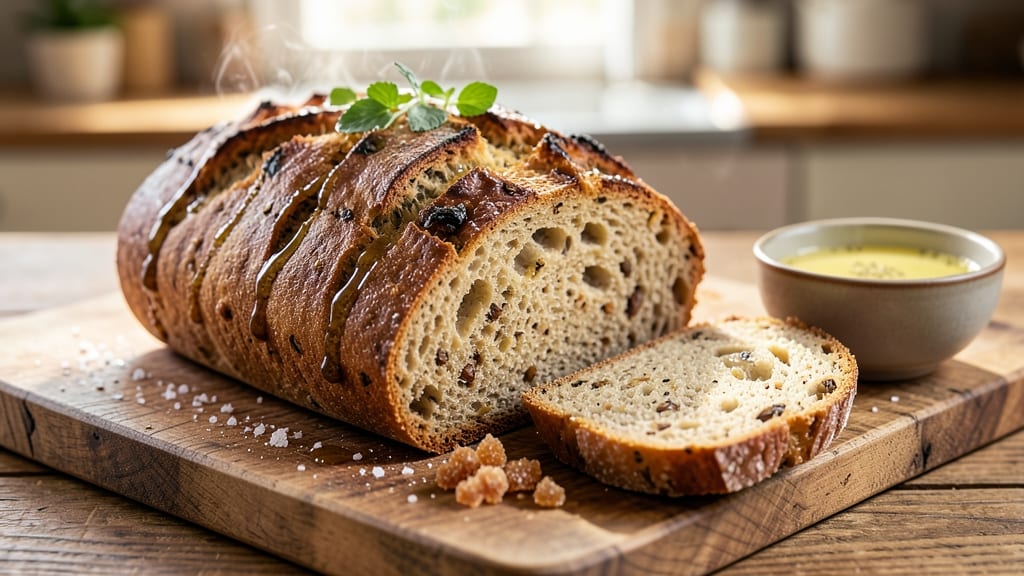
This alkaline spelt bread recipe delivers a perfect balance of crusty crunch and light, airy crumb—without any yeast. The secret lies in alkaline water (or baking soda), which creates a tender interior and crisp exterior while enhancing spelt flour’s natural nutty flavor.
I developed this recipe after struggling to find a vegan bread that baked up properly with spelt’s unique properties.
The process is straightforward but requires patience: mixing the dough, letting it rest, shaping carefully, and baking at 375°F for 35-40 minutes. Spelt flour’s lower gluten content means we rely on alkaline water to improve texture and rise, while a light egg wash ensures a golden, shatteringly crisp crust.
The result? A bread that’s naturally sweet, slightly dense, and perfect for toast or sandwiches—without compromising on flavor.
What sets this recipe apart is the alkaline activation, which mimics sourdough’s tang without fermentation. The dough develops a smooth, elastic texture during the rest period, making it easier to shape than traditional spelt bread.
Once baked, the crust develops a delicious snap, while the interior remains soft and slightly chewy—ideal for soaking up soups or pairing with hummus.
For best results, use fine spelt flour (or a 50/50 blend with all-purpose flour if needed) and let the dough rest at least 2 hours before baking. The bread keeps well for 3-4 days at room temperature or can be frozen for up to 3 months.
Whether you’re vegan, gluten-sensitive, or simply love artisanal bread, this recipe delivers restaurant-quality results at home.
Ingredients for alkaline spelt bread
Nine essential ingredients transform spelt flour into restaurant-quality bread with alkaline magic.
| Ingredient | Amount | Notes |
|---|---|---|
| Fine Spelt Flour 🌾 | 4 cups | Or 50/50 blend with all-purpose |
| Alkaline Water 💧 | 1 ½ cups | Dissolve 1 tsp baking soda in 1.5 cups warm water |
| Extra-Virgin Olive Oil 🫒 | ½ cup | High quality for flavor |
| Vegan Egg Wash 🥚 | ¼ cup | 2 tbsp aquafaba + 1 tbsp water |
| Brown Sugar 🍯 | 2 tbsp | For subtle sweetness |
| Salt 🧂 | 1 ½ tsp | Diamond Crystal preferred |
| Instant Yeast 🍞 | ¼ tsp | Optional for extra rise |
| Ground Flaxseed 🌰 | 1 tbsp | Mixed with 3 tbsp water for egg replacement |
| Apple Cider Vinegar 🍎 | 1 tbsp | For tangy depth |
| Sesame Seeds 🌻 | 1 tbsp | For decorative crust |
| Cornmeal 🌽 | ¼ cup | For dusting baking sheet |
The spelt flour is non-negotiable—Bob's Red Mill or King Arthur brands deliver the best texture. If you can't find fine spelt flour, blend whole spelt berries for a coarser texture, but sift thoroughly to avoid dense bread. For alkaline water, baking soda is key—it activates the gluten and creates that signature crisp crust. I always use Diamond Crystal salt because it dissolves better than table salt, and the vinegar adds a subtle tang that mimics sourdough. The flax egg is a game-changer for vegan binding without compromising texture.
No aquafaba for the egg wash? 1 tbsp cornstarch + 3 tbsp water works in a pinch, though it won't brown as beautifully. Swapping sesame seeds? Poppy seeds or everything bagel seasoning add different textures but same crunch. The optional yeast is worth it if you want extra rise—just reduce the alkaline water by 0.25 cups. For the flour blend, King Arthur all-purpose gives the best balance if you're stretching your spelt. And if you're gluten-sensitive but not avoiding spelt, add 1 tsp xanthan gum to improve elasticity.
This dough needs 2-4 hours of rest—don't rush it. Store wrapped in a damp towel at room temperature for 3-4 days, or freeze the baked loaf for 3 months by wrapping tightly in parchment and foil. For reheating, 5 minutes at 350°F restores that fresh-baked crunch. The crust stays crisp for 24 hours if sealed in a bread bag, but the interior softens beautifully for toast after 1-2 days.
Why You'll Love This Recipe
- No-Knead Magic: The dough comes together in minutes—just mix, let it rise, and bake. Honestly, the alkaline water does most of the work, making the texture light without a single punch or fold from me.
- Sweet Crust, Rich Crumb: That brown sugar caramelizes into a golden crust while the olive oil keeps the crumb tender and buttery. Between us, it’s the kind of bread that disappears faster than my willpower on a Sunday morning.
- Meal Prep Hero: Slice it fresh, toast it later—this bread holds up for days without drying out. I stash it in the freezer for quick breakfasts or sandwiches, and it thaws in a flash.
- Budget-Friendly Staple: Spelt flour and olive oil might sound fancy, but they stretch further than store-bought loaves. Plus, the vegan egg wash? Just a splash of plant milk and oil—no waste, no fuss.
Step-by-step instructions for alkaline spelt bread
Here's how to craft a loaf with a shatteringly crisp crust and an open, airy crumb that defies expectations.
Activate the Alkaline Water and Prepare the Flax Egg
First, dissolve 1 teaspoon baking soda in the 1.5 cups alkaline water and set aside. The mixture will fizz slightly—this is normal and indicates proper activation. For the flax egg, whisk together 1 tablespoon ground flaxseed with 3 tablespoons water until completely gelatinous. Let both mixtures rest for 5 minutes while you prepare the remaining ingredients.
The alkaline water creates an ideal environment for gluten development, while the flax egg binds the dough without eggs. I always use Diamond Crystal salt here—it dissolves more completely than table salt, preventing flavor inconsistencies in the final loaf.
Mix the Dough Using the Autolyse Method
In a large mixing bowl, combine the 4 cups fine spelt flour, 2 tablespoons brown sugar, and 1.5 teaspoons salt. Make a well in the center and add the activated alkaline water, 0.5 cup extra-virgin olive oil, and the flax egg mixture. Mix with a wooden spoon until just combined—you should have a shaggy dough with some dry spots.
Cover the bowl with a damp towel and let the dough rest for 30 minutes. This autolyse step hydrates the flour completely and develops gluten gradually, resulting in a more extensible dough that opens beautifully during baking. Don't skip this—it's what gives this bread its signature airy crumb.
Develop the Gluten Through Stretching and Folding
After the autolyse, add the 1 tablespoon apple cider vinegar and 0.25 teaspoon instant yeast to the dough. Wet your hands and perform a series of stretch-and-folds: grab one side of the dough, stretch it upward, and fold it over itself. Rotate the bowl and repeat this process 4-5 times, resting 30 seconds between each set. The dough should become smoother and more elastic with each fold.
Let the dough rest another 30 minutes at room temperature. During this time, line a baking sheet with parchment paper and sprinkle evenly with 0.25 cup cornmeal. This creates a barrier that prevents sticking and adds a subtle crunch to the crust.
Shape and Proof the Dough for Maximum Rise
Gently shape the dough into a loose round by pulling the edges toward the center. Transfer it to the prepared baking sheet, seam-side up. Brush the surface with the 0.25 cup vegan egg wash and sprinkle evenly with 1 tablespoon sesame seeds. Cover loosely with a damp towel and let proof at room temperature for 1-2 hours, or until the dough has risen by about 50% and springs back slowly when gently pressed.
This slow proofing develops complex flavors and creates that signature open crumb structure. If your kitchen is cold, proofing may take longer—just be patient. The dough is ready when it feels light and airy, with a slight wobble when moved.
Bake for Crispy Crust and Open Crumb
Preheat your oven to 375°F with a baking stone or inverted baking sheet inside. This creates steam that's crucial for developing that crisp crust. Once preheated, bake the dough for 45-50 minutes until the crust is deep golden brown and sounds hollow when tapped on the bottom.
For the final 10 minutes, increase the oven temperature to 400°F to intensify the crust color. Let the bread cool on a wire rack for at least 1 hour before slicing—this allows the crumb to set properly and prevents a gummy texture. The interior should be moist but not wet, with an open, lattice-like crumb structure that's characteristic of properly baked alkaline bread.
Pro Tips For Making Alkaline Spelt Bread
- TEST THE ALKALINE WATER FIRST: Pour a small amount of your alkaline water into a bowl and let it sit for 5 minutes—if it’s still bubbly or fizzy, it’s too strong. Spelt flour reacts poorly to over-alkalinity, so aim for a pH of 8-9 (like a mild baking soda solution). I learned this after my first batch turned gummy and dense—now I adjust with plain water if needed.
- STEAM THE LOAF FOR 10 MINUTES: Before baking, place a metal tray on the oven rack and pour boiling water into it. The steam helps the bread rise evenly and gives that signature crisp crust without burning. Skip this, and you’ll end up with a flat, dry top—trust me, I’ve seen it happen.
- USE COLD OLIVE OIL: Chill your extra-virgin olive oil in the fridge for 20 minutes before mixing it into the dough. Cold oil incorporates better into spelt flour, preventing a greasy texture and ensuring a lighter crumb. I used to use it straight from the bottle, and the bread always felt heavy—this change made a real difference.
- DON’T OVERMIX THE DOUGH: Spelt flour develops gluten fast, so mix just until the ingredients come together—about 2-3 minutes by hand or 10-15 seconds with a mixer. Overworking it turns the bread tough and chewy. I was guilty of kneading like sourdough dough at first, but now I stop as soon as the flour is hydrated.
Flavor customization for these flavors
Sweet Variations
Add 1 teaspoon cinnamon and ½ cup raisins to the dough for a sweet spelt bread perfect for breakfast. I like to fold in the raisins during the final stretch-and-fold step so they distribute evenly.
For extra richness, replace 1 tablespoon olive oil with 1 tablespoon maple syrup—this enhances the natural sweetness of the spelt. 🍯
Herb-Infused Crust
Swap sesame seeds for 1 tablespoon dried rosemary or thyme leaves—sprinkle them over the egg wash before baking. The herbs toast beautifully in the oven, adding an aromatic depth.
For a fresh twist, mix 1 tablespoon chopped parsley with the egg wash and brush it on right before the final 10 minutes of baking. This works especially well with savory toppings like hummus or avocado.
Nutty Additions
Fold in ½ cup chopped walnuts or pecans during the autolyse stage for texture contrast. Toast the nuts first at 350°F for 8-10 minutes to intensify their flavor.
I also love adding 1 tablespoon ground almond flour to the dough—it enhances the nutty undertones of the spelt while improving elasticity. 🌰
Spiced Twist
Boost warmth by adding ½ teaspoon cardamom or ¼ teaspoon smoked paprika to the dry ingredients. For a Middle Eastern-inspired flavor, mix ½ teaspoon ground coriander with the salt. These spices pair beautifully with the bread’s natural sweetness and complement savory toppings like tahini or spicy jam.
Just be sure to adjust the proofing time slightly—spiced doughs often rise a bit faster.
Seed & Grain Boost
Incorporate 2 tablespoons pumpkin seeds or sunflower seeds along with the sesame seeds for extra crunch. For a rustic look, press ½ cup rolled oats into the crust before baking—they’ll create a textured, golden-brown pattern.
I’ve also experimented with 1 tablespoon chia seeds, which add a subtle earthy note and improve the bread’s shelf life by absorbing excess moisture.
Citrus Zest
Brighten the flavor with 1 teaspoon lemon zest or orange zest, mixed into the dough during the autolyse. The citrus cuts through the richness of the olive oil and enhances the bread’s natural sweetness.
For a bold twist, add 1 tablespoon freshly squeezed lemon juice to the vegan egg wash—this creates a glossy, tangy finish that pairs perfectly with spreads like almond butter or fig jam.
Nutrition facts
Frequently asked questions
Why does this recipe use alkaline water instead of yeast?
Alkaline water (from baking soda) creates a chemical reaction that mimics sourdough's tang without fermentation. This method develops gluten more efficiently in spelt flour—its lower gluten content needs this boost for proper rise and texture. The result is a bread with a crisp crust and open crumb that's naturally lighter than traditional spelt bread.
Can I substitute alkaline water with something else?
Yes! Dissolve 1 teaspoon baking soda in 1.5 cups warm water (not hot) for the same effect. For a milder flavor, use 1 tablespoon apple cider vinegar instead—it adds tang without alkalinity. Just note that vinegar alone won't create the same crisp crust. The alkaline component is key for spelt's unique texture.
How do I know when the dough is properly proofed?
The dough is ready when it's 50% larger than its original size and springs back slowly when gently pressed. It should feel light and airy with a slight wobble when moved. Cold kitchens may require 2-3 hours of proofing—don't rush it! The longer it proofs, the more flavor develops.
Why did my bread turn out dense instead of airy?
Dense bread usually means one of three things: underproofed dough, insufficient gluten development (skip autolyse or stretch-and-folds), or overmixed dough. Spelt flour needs extra care—try blending 50% all-purpose flour if you're new to it. Also ensure your oven reaches 375°F and use a baking stone for proper steam.
Can I make this bread without a stand mixer?
The dough only needs hand-mixing for the autolyse, followed by stretch-and-folds (4-5 sets). Wet your hands frequently to prevent sticking. For extra strength, fold in 1 tablespoon vital wheat gluten during the autolyse. The key is patience—spelt dough benefits from manual handling to develop gluten properly.