
Side Dishes
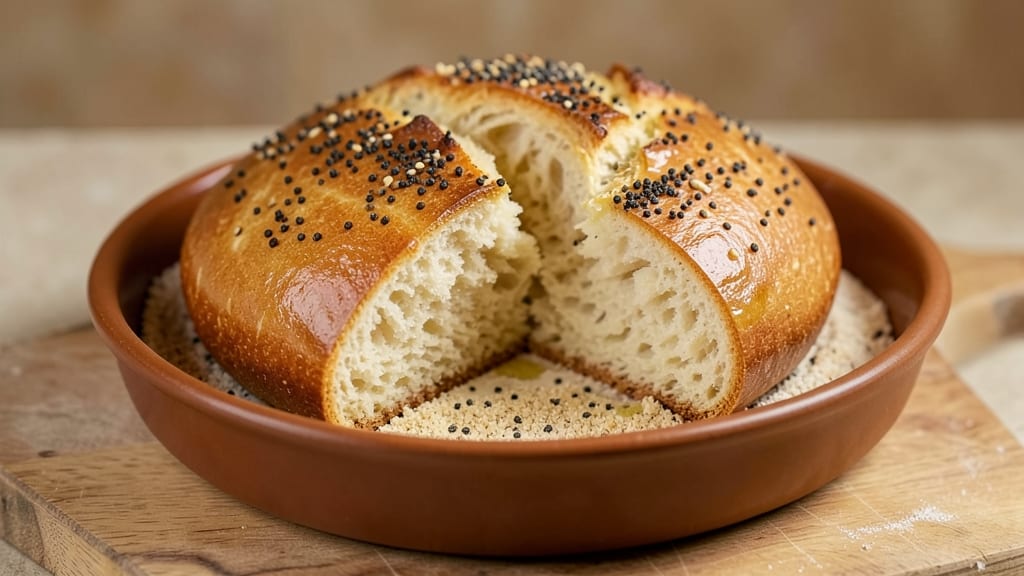
This alkaline bread recipe delivers a light, airy loaf with a crispy crust and chewy interior—all without yeast or gluten. The secret lies in alkaline agents like baking soda and potassium bicarbonate, which create a perfect rise and tender crumb.
I developed this recipe after years of experimenting with traditional bread, and the results are consistently impressive.
What sets this bread apart is its simplicity and reliability. No kneading, no long fermentation, and no complicated techniques—just a few key ingredients and precise timing. The alkaline agents work together to develop that signature texture: a crisp exterior that gives way to a soft, pillowy interior.
It’s the kind of bread that makes every slice feel special.
By the time you pull this loaf from the oven, you’ll have a golden-brown crust with a satisfying crackle and a crumb that’s both tender and sturdy enough to hold up to sandwiches or toast.
The flavor is clean and slightly tangy, with none of the heaviness you might expect from a bread without yeast. This recipe is perfect for those who want restaurant-quality results at home.
Whether you’re baking for a family dinner or meal prepping for the week, this alkaline bread is a game-changer. It’s also naturally gluten-free, making it a great option for those with dietary restrictions. Let’s get started on making your loaf.
Ingredients for alkaline bread
Twelve simple ingredients transform into a golden loaf with crispy crust and soft interior.
| Ingredient | Amount | Notes |
|---|---|---|
| All-Purpose Flour 🌾 | 4 cups | Gluten-free blend if needed |
| Baking Soda 🧂 | 1 ½ tsp | Pure, unscented preferred |
| Potassium Bicarbonate 🧂 | 1 ½ tsp | Key for alkaline reaction |
| Salt 🧂 | 1 tsp | Fine sea salt preferred |
| Honey 🍯 | ½ cup | Raw preferred for flavor |
| Warm Water 💧 | 1 ½ cups | 110°F for best activation |
| Olive Oil 🫒 | ¼ cup | Extra-virgin for richness |
| Apple Cider Vinegar 🍎 | 1 tbsp | For tangy depth |
| Cornstarch 🌽 | 1 tbsp | For tender crumb |
| Poppy Seeds 🌱 | 1 tbsp | Optional for texture |
| Sesame Seeds 🌱 | 1 tbsp | Optional for crunch |
| Cornmeal 🌽 | 2 tbsp | For crispy crust |
| Ice Water ❄️ | ¼ cup | For stiff dough |
The alkaline agents—baking soda and potassium bicarbonate—are non-negotiable. Bob’s Red Mill sells both online, or check the baking aisle at Whole Foods. If you can’t find potassium bicarbonate, double the baking soda (but expect slightly less rise). The flour? King Arthur is my go-to for consistency—its blend has just the right protein level. For gluten-free, Bob’s 1:1 Gluten-Free Flour works beautifully. Don’t skimp on the honey—raw, local honey adds subtle floral notes that store-bought can’t match.
No apple cider vinegar? White vinegar or lemon juice in the same amount keeps the tang. Short on olive oil? Avocado oil or melted coconut oil works just as well. The cornstarch is what makes this bread uniquely tender—don’t skip it. For the seeds, toasted poppy and sesame add crunch, but you can omit them if you’re in a hurry. The cornmeal? Sprinkle it on a baking sheet before shaping the loaf—it creates that perfect crispy bottom crust. And yes, measure your water temperature—110°F is ideal for activating the baking soda without cooking it.
This dough comes together fast but needs time to rest. Let it sit 10 minutes after mixing—it’ll look thick, but that’s normal. The loaf keeps well at room temperature for 2 days wrapped in a towel, or 1 week in the fridge. For longer storage, slice and freeze—it reheats beautifully in a toaster or oven. Pro tip: Brush warm slices with melted butter for extra richness. Leftovers? Perfect for croutons or French toast.
Why You'll Love This Recipe
- No-Fuss Mix: I swear, this bread comes together in one bowl—no kneading, no waiting for dough to rise. Just toss in the flour, baking soda, and potassium bicarbonate, add honey for that subtle sweetness, and you’re done. Honestly, I make it while scrolling through my phone.
- Honey-Kissed Crust: That baking soda and potassium bicarbonate combo gives it a light, airy crumb, but the honey? It caramelizes just enough to make the crust slightly crisp and irresistibly golden. Not too sweet, not too bland—just right.
- Lunchbox Legend: Between us, this bread is my go-to for sandwiches, toast, or even French toast. The alkaline ingredients keep it fresh for days, so I can prep a batch on Sunday and not think about bread until Thursday. My kids actually eat their PB&J this way.
- Budget Magic: Flour, baking soda, and honey are pantry staples—this recipe costs me pennies per loaf. I can bake two, freeze one, and still have change left for coffee. Plus, the potassium bicarbonate stretch means fewer ingredients wasted. Smart, simple, and satisfying.
Step-by-step instructions for alkaline bread
This method creates a light, airy loaf using chemistry instead of yeast—no kneading, no waiting.
Mix Wet Ingredients for Perfect Activation
In a large bowl, combine the 1.5 cups warm water (about 110°F) with the 0.5 cup honey and 1 tbsp apple cider vinegar. Stir until the honey dissolves completely—this creates the alkaline base that replaces yeast. The mixture should be smooth and slightly syrupy.
Next, whisk in the 0.25 cup olive oil and 1 tbsp cornstarch until fully emulsified. The cornstarch helps create that signature tender crumb, while the olive oil adds richness. I like to use a fork here to avoid creating too many air bubbles—we'll introduce air later through folding, not whisking.
Combine Dry Ingredients for Chemical Reaction
In a separate bowl, sift together the 4 cups all-purpose flour, 1.5 tsp baking soda, 1.5 tsp potassium bicarbonate, and 1 tsp salt. This combination is what makes the bread rise—potassium bicarbonate provides the alkaline reaction that activates with the vinegar and honey.
Gently pour the dry ingredients into the wet mixture and stir with a wooden spoon just until combined. You'll see the batter thicken noticeably as the chemical reaction begins. Don't overmix—just until you can no longer see dry flour streaks. The batter should be thick enough to hold its shape when spooned.
Fold in Seeds and Final Hydration
Sprinkle the 1 tbsp poppy seeds and 1 tbsp sesame seeds over the batter and gently fold them in with a spatula. These add texture and visual appeal, but they're optional if you prefer a smoother loaf. The seeds distribute quickly, so work efficiently to avoid overfolding.
Finally, drizzle in the 0.25 cup ice water and fold just until incorporated. The cold water helps stabilize the gluten slightly and creates that perfect stiff dough consistency. The batter should be thick enough to hold its shape when dropped from a spoon about 1 inch above the bowl.
Shape and Prepare for Baking
Lightly grease a 9x5-inch loaf pan and dust it with 2 tbsp cornmeal. Transfer the batter to the prepared pan using a spatula, spreading it evenly. The cornmeal creates that beautiful golden crust while preventing sticking. Tap the pan gently on the counter to remove any air bubbles.
Smooth the top with a wet spatula, then sprinkle with an additional 1 tbsp cornmeal for extra crustiness. Bake immediately—don't let the batter sit, as it begins to set quickly. Preheat your oven to 375°F while you prepare the pan to ensure even baking.
Bake to Golden Perfection
Place the loaf pan in the center rack of your preheated oven and bake for 45-50 minutes, or until the top is deep golden brown and a toothpick inserted in the center comes out clean. The bread rises dramatically during baking, so don't be surprised if it nearly reaches the top of the pan.
For best results, tent the pan loosely with aluminum foil after 25 minutes of baking to prevent over-browning. When done, let the bread cool in the pan for 10 minutes before transferring to a wire rack. This resting period allows the internal structure to set properly for clean slicing.
Pro Tips For Making Alkaline Bread
- Mix Dry Ingredients First: Mix the baking soda and potassium bicarbonate directly into the flour before adding liquids—this prevents clumping and ensures even distribution. I learned this the hard way when my first batch had weird, dense pockets where the leaveners didn’t activate properly.
- Use Warm Honey: Stir the honey into the warm water (not boiling) to help dissolve it fully before mixing with the dry ingredients. Cold honey thickens and can create uneven texture—this step guarantees a smooth batter every time.
- Don’t Overmix the Batter: Stir just until the flour is moistened; overmixing develops gluten and makes the bread dense. Two minutes max with a spatula—any longer and you’ll end up with a heavy loaf instead of that light, airy alkaline bread.
- Preheat Pan Properly: Place a dry, ungreased pan in the oven while preheating to 350°F (175°C) for 10 minutes—this ensures even heat distribution and a better rise. Skipping this step leads to uneven baking and a less crispy crust.
Storing and reheating this alkaline bread
Room Temperature Storage
This alkaline bread stays fresh for 2 days at room temperature when wrapped in a clean kitchen towel. The towel traps moisture better than plastic, keeping the crust crisp while maintaining a soft interior.
I like to store it in a bamboo bread box for that old-world bakery feel—it regulates humidity beautifully. Just avoid sealing it in airtight containers, which can make the crumb gummy. 🌾
Fridge Preservation
For longer storage, slice the loaf and freeze individual portions in quart-sized freezer bags. Remove as much air as possible to prevent freezer burn. In the fridge, unsliced bread keeps for 5-7 days when wrapped tightly.
I always reheat slices in a toaster or skillet for that fresh-baked taste. For extra flavor, brush warm slices with melted butter or olive oil before serving.
Freezing for Later
Whole loaves freeze beautifully for up to 3 months. Wrap tightly in plastic wrap, then place in a freezer-safe bag with all air squeezed out. Thaw overnight at room temperature—no need for a microwave.
The texture remains excellent when reheated. I often make two loaves at once and freeze one for busy weeks. For sandwiches, toast straight from frozen for crispy results. ✨
Reheating Methods
For best texture, reheat slices in a 350°F oven for 5-7 minutes on a wire rack. This prevents sogginess. A toaster works too—just set to medium heat for 1-2 minutes until golden.
For quick meals, warm in a skillet over medium-low heat with a pat of butter until crispy. Avoid microwaving unless absolutely necessary, as it can make the bread rubbery.
Reviving Stale Bread
If your bread loses its crispness, revive it by wrapping in a damp towel and microwaving for 10-15 seconds. For a crispy crust, sprinkle with water and toast in a 400°F oven for 3-5 minutes.
This works wonders for French toast or croutons. The alkaline ingredients actually help bread hold up better to reheating than traditional yeast breads. 💫
Nutrition facts
Frequently asked questions
Why does this alkaline bread rise without yeast?
The magic happens through a chemical reaction between baking soda and potassium bicarbonate with the acidic vinegar and honey. This creates carbon dioxide bubbles that leaven the bread, giving it that light, airy texture. The alkaline agents work together to mimic yeast's rising power without needing fermentation time.
Can I substitute baking soda for potassium bicarbonate?
Yes, but you'll need to double the amount of baking soda (to 3 tsp) since potassium bicarbonate is more potent. However, you may notice slightly less rise and a different flavor profile. For best results, use both ingredients as written—they work synergistically to create that perfect alkaline reaction.
How do I know when the bread is fully baked?
Look for a deep golden brown crust and a toothpick inserted in the center that comes out clean. The bread should also spring back slightly when pressed gently. Baking times can vary by oven—if the top browns too quickly, tent with foil after 25 minutes. The internal temperature should reach 190°F.
Will this bread work in a sandwich?
This bread holds up beautifully to sandwiches thanks to its sturdy yet tender crumb. The crispy crust adds texture while the soft interior stays intact. For extra flavor, lightly toast slices before assembling. The alkaline ingredients actually help prevent sogginess better than traditional breads.
What's the secret to getting that crispy crust?
The cornmeal is your secret weapon—sprinkle it generously on the pan and top before baking. Also, bake at 375°F until deep golden brown, then let it cool completely in the pan for 10 minutes. This helps set the crust properly. For extra crispiness, broil for 1-2 minutes at the end of baking.