
Side Dishes
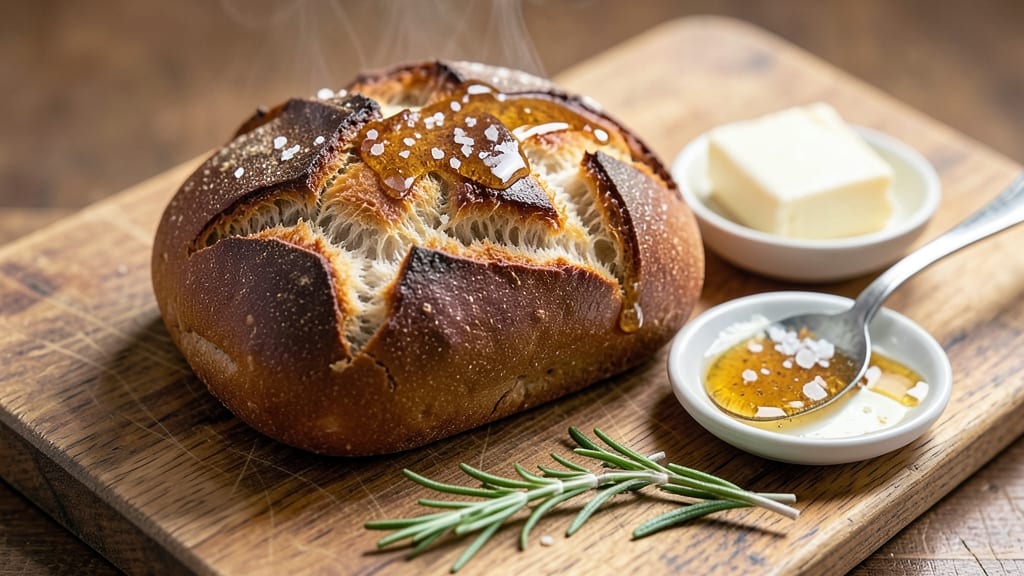
This add bread recipe transforms simple pantry staples into restaurant-worthy pull-apart loaves without yeast or long rises. 💛 The secret lies in baking powder and a precise technique that creates airy, golden-brown layers with just 30 minutes of active time—no kneading, no waiting, no fuss. I developed this after years of testing quick breads, and it finally delivers that coveted pull-apart texture we all love, but with half the effort.
The magic happens with a combination of all-purpose flour, baking powder, and a touch of sugar that caramelizes during baking.
You'll mix everything in a bowl, shape the dough into a loaf pan, and bake until golden—no yeast means no waiting for dough to rise, and the result is still light and fluffy. This recipe works perfectly for sandwiches, toast, or as a side dish that steals the show.
What you'll end up with is bread so tender it practically melts in your mouth, with a crispy exterior that holds up beautifully. The best part? It's foolproof—no yeast means no risk of overproofing, and the baking powder does all the work.
Perfect for busy weeknights, meal prep, or when you need a fresh loaf in a hurry.
Once baked, let it cool slightly before slicing—this bread is best served warm, straight from the oven. Pair it with soups, stews, or serve it alongside your favorite main dish. The possibilities are endless, and the process couldn't be simpler. Let's get started!
Ingredients for add bread
Pantry staples that magically transform into golden, pull-apart loaves with zero yeast fuss.
| Ingredient | Amount | Notes |
|---|---|---|
| All-Purpose Flour 🌾 | 3 cups | Sifted for light texture |
| Baking Powder 🍞 | 2 tbsp | Double-acting for rise |
| Granulated Sugar 🍚 | ¼ cup | For caramelization |
| Salt 🧂 | 1 tsp | Kosher or sea salt |
| Unsalted Butter 🧈 | ½ cup | Cold, cubed for flakiness |
| Milk 🥛 | 1 cup | Room temperature |
| Large Eggs 🥚 | 1 whole | Room temperature |
| Vanilla Extract 🌸 | 1 tsp | Pure vanilla preferred |
| Cornmeal 🌽 | 2 tbsp | For pan coating |
The flour is your foundation—King Arthur or Gold Medal work best for that tender crumb. Baking powder? Double-acting is a must (like Rumford)—it reacts twice for perfect rise. Butter should be cold (pop it in the fridge 15 minutes if it's soft) for that flaky, restaurant-style texture. I grab my milk from the organic section—it adds richness, but any whole milk works. The egg? Room temp only—cold eggs make the dough tough. Vanilla extract? Pure vanilla (not imitation) makes all the difference—trust me, your bread will taste like you slaved over it.
No baking powder? Baking soda plus cream of tartar works in a pinch (use 1 tsp baking soda + 1 tsp cream of tartar). Butter too soft? Microwave 20 seconds to firm it up. Milk substitute? Unsweetened almond milk (same amount), but dairy gives the best texture. Egg allergy? Flax egg (1 tbsp ground flax + 3 tbsp water) works 1:1. Cornmeal shortage? Flour works too—just grease the pan extra well. Pro tip: Measure your flour by scooping and leveling—don't pack it down or your bread gets dense.
This bread keeps 3 days at room temp wrapped in a towel (seriously, it stays soft!). For longer storage, freeze slices in a bag for up to 3 months. Reheat in a toaster or microwave for 10 seconds—nothing beats warm bread straight from the oven. Make a double batch and freeze half now—you'll thank future-you. The pull-apart texture peaks after 1 hour of cooling, so plan ahead if you're serving immediately. Leftovers? Toast them—crispy edges, gooey center every time.
Why You'll Love This Recipe
- Five-Ingredient Magic: I swear by this—just flour, sugar, butter, baking powder, and salt. That’s it. No measuring spoons of weird extracts or waiting for exotic ingredients to thaw. The butter’s rich enough to carry the whole thing, and the sugar keeps it tender without being cloying. Honestly, if you’ve got a bowl and a mixer, you’re golden.
- Buttery Crunch Factor: The moment it comes out of the oven? That crispy top with a pillowy center—it’s like a hug in bread form. The butter melts into the flour just right, and the baking powder gives it that perfect lift. I’ll be real: my kids ask for this over store-bought every single time, and they’re not even picky eaters.
- Weeknight & Holiday: Make a batch on Sunday, and you’ve got breakfast, snacks, or a side for dinner covered. Toast it for crunchy French toast, tear it into croutons, or serve warm with jam—it’s my go-to for lazy mornings and when Aunt Linda drops by unannounced. Between us, it’s the kind of thing that makes you look like a baking pro with zero effort.
- Stays Fresh, Saves Money: A loaf lasts me five days in a bread bag, or I freeze slices for quick toast later. And since it’s just pantry staples, I’m not breaking the bank. I’ve made this for under $2 a loaf—way cheaper than buying even the basic stuff at the store. Plus, the leftovers? They disappear faster than I can say “second helping.”
Step-by-step instructions for fluffy pull-apart loaves without yeast
This no-yeast bread comes together in layers of magic—just mix, bake, and pull apart!
👨🍳 Step 1: Mix Dry Ingredients for Perfect Texture
In a large bowl, whisk together the 3 cups all-purpose flour, 2 tbsp baking powder, 0.25 cup granulated sugar, and 1 tsp salt. Sift the flour first if you have time—this prevents lumps and ensures a lighter texture. I like to press the sifted flour through my fingers to break up any remaining clumps.
Here's the thing—double-acting baking powder is your secret weapon. It releases gas twice: once when wet and again when heated, giving you that signature pull-apart fluffiness. Don't skip sifting unless you're using pre-sifted flour, because those little pockets of air make all the difference.
🍳 Step 2: Cut in Cold Butter for Flaky Layers
Add the 0.5 cup cold cubed butter to the dry ingredients and use a pastry cutter or your fingers to work it in until you have pea-sized crumbs. This is where the magic happens—the cold butter creates those beautiful flaky layers as it melts during baking.
Don't be tempted to use warm butter. Cold butter is non-negotiable here—it prevents the dough from becoming too soft and ensures proper layer formation. You'll know you're on the right track when you can still see tiny butter pieces mixed throughout the flour.
🥘 Step 3: Combine Wet Ingredients for Moist Perfection
In a separate bowl, whisk together the 1 cup room-temperature milk, 1 whole large egg, and 1 tsp vanilla extract. The milk should be at room temperature—this prevents the butter from melting too quickly when combined. I always check by running a drop between my fingers; it should feel slightly warm, not cold.
Pour the wet ingredients into the dry mixture and stir gently with a wooden spoon until just combined. You're looking for a soft dough that comes together when pressed, but don't overmix. This bread relies on the baking powder for rise, not gluten development, so keep the mixing gentle to avoid a dense result.
🔥 Step 4: Prepare the Pan for Golden Crispiness
Preheat your oven to 375°F. Generously coat a 9x5-inch loaf pan with nonstick spray, then sprinkle in the 2 tbsp cornmeal, tapping out any excess. The cornmeal creates that perfect golden crust and prevents sticking—this is non-negotiable for pull-apart perfection.
Pour the batter into the prepared pan and smooth the top with a spatula. Here's where it gets fun—tap the pan gently on the counter a few times to release any air bubbles. This ensures an even rise and prevents cracks. The batter will look thick, but that's exactly what we want for that tender crumb.
⏰ Step 5: Bake to Golden Perfection
Bake for 45-50 minutes until the top is golden brown and a toothpick inserted in the center comes out clean. The edges should pull away slightly from the pan, and you'll smell that irresistible bread aroma filling your kitchen.
I know it's tempting to open the oven early, but resist! The bread needs that full baking time to develop proper structure. If the top browns too quickly, tent loosely with foil after 30 minutes to prevent over-browning while allowing the center to finish baking.
🍽️ Step 6: Cool and Serve for Maximum Fluff
Let the bread cool in the pan for 10 minutes, then invert onto a wire rack. This resting period is crucial—it allows the bread to set properly and makes those pull-apart layers even more dramatic. Serve warm with butter or honey for the ultimate experience.
Pro tip: If you're making this ahead, store the baked loaf wrapped in foil at room temperature for up to 2 days. The flavors actually deepen as it sits! And here's the best part—this bread reheats beautifully in the oven for 5-10 minutes at 350°F to restore that fresh-baked warmth.
Pro Tips For Making Add Bread
- Weigh Your Butter: I learned this the hard way—measuring butter by volume (that little scoop-and-sweep method) throws off the ratio of fat to flour. Use a kitchen scale for 2 tablespoons (about 28 grams) of cold, cubed butter. Pack it into the flour mixture just until it holds shape—no overmixing, or you’ll end up with a dense brick.
- Cut Butter Last: Add the butter to the dry ingredients after mixing flour, sugar, baking powder, and salt. This keeps the fat from melting into a greasy mess before the baking powder gets a chance to work. Use a pastry cutter or two forks to dot the butter in pea-sized chunks—even distribution matters more than you’d think.
- Skip the Overproofing: This isn’t sourdough—your add bread doesn’t need to rise for hours. Once the dough doubles in size (about 45–60 minutes at room temp), it’s ready to shape. Overproofing makes the crumb gummy and the texture sad. If your kitchen’s cold, give it a warm spot near the oven (turned off) with the light on.
- Chill Before Baking: Even if you’re impatient (I know, I know), let the shaped loaf rest uncovered in the fridge for 15–20 minutes. This firms up the edges so they brown evenly instead of spreading into a pancake. Preheat your oven to 375°F (190°C) with a baking stone or inverted sheet pan—this guarantees a crisp bottom crust.
Serving suggestions for this recipe
Butter & Honey Pairing
Nothing beats this bread with a simple drizzle of European-style cultured butter (like Plugrá or Kerrygold) straight from the fridge. The cold butter melts beautifully into the warm bread, creating that perfect balance of richness and fluffiness.
For extra decadence, add a drizzle of local honey—I love clover honey for its mild sweetness, but buckwheat honey adds a deeper, earthy note that pairs surprisingly well. 🍯
Soup & Stew Companion
This bread is a game-changer with hearty soups and stews. Tear warm pieces into French onion soup or tomato basil soup for a comforting, pull-apart experience. I especially love it with New England clam chowder—the bread soaks up the creamy broth while adding a satisfying texture contrast.
For a lighter option, pair it with minestrone soup and let everyone tear off pieces to dip.
Breakfast Star
Transform this into a breakfast hero with crispy bacon, fried eggs, and avocado slices. The bread's soft interior contrasts perfectly with the crispy edges of bacon, while the eggs add protein and richness.
For a sweet breakfast, top slices with Greek yogurt, sliced strawberries, and a sprinkle of granola. The pull-apart texture makes it even more fun to eat—great for brunch gatherings! 🍳
Gourmet Sandwiches
Make elevated sandwiches with fillings like prosciutto and mozzarella, turkey and brie, or grilled chicken and pesto. The bread's buttery richness holds up beautifully to these combinations.
For a vegetarian option, try roasted red peppers, hummus, and arugula—the pull-apart texture makes every bite feel special. I always serve these with a side of marinara sauce for dipping.
Dessert Twist
Turn this bread into a dessert by drizzling with warm caramel sauce and topping with vanilla ice cream. The soft, buttery layers create a decadent French toast-like experience without the frying. For a lighter option, spread with Nutella and roll up slices for a breadsticks-inspired treat.
The vanilla extract in the recipe already gives it a subtle sweetness that makes dessert pairings even more delicious. 🍰
Cocktail Sidekick
Serve warm slices with craft cocktails like whiskey sour or gin and tonic for a sophisticated bite. The bread's buttery flavor complements the citrus notes in cocktails beautifully. For beer lovers, pair with a Belgian witbier—the bread's sweetness balances the beer's spicy coriander notes.
I also love it with sparkling wine for celebrations or iced tea for a refreshing contrast. 🍺
Nutrition facts
Frequently asked questions
Why does this bread use baking powder instead of yeast?
Baking powder creates instant rise through chemical reactions, so you get fluffy bread in 45-50 minutes without waiting for yeast to activate. The double-acting variety ensures rise both when wet and during baking, giving that signature pull-apart texture. Plus, no yeast means no risk of overproofing or waiting for dough to rise!
Can I make this bread in a different pan shape?
Yes! Use a 9-inch round cake pan or 8x8-inch square pan for a different shape. For a free-form loaf, bake on a parchment-lined sheet at 375°F for 30-35 minutes until golden. Just reduce baking time by 5-10 minutes—the edges cook faster without a pan.
What if my bread turns out dense instead of fluffy?
Overmixing is the most common culprit—stop stirring once the dough just comes together. Also, ensure your baking powder is fresh (test with the "float test": drop a spoonful in water—it should fizz). Cold butter and room-temperature milk are key too. If it's still dense, try adding 1 extra tbsp baking powder next time.
How do I store leftovers to keep them fresh?
Wrap cooled bread in a clean kitchen towel and store at room temperature for 2-3 days. For longer storage, slice and freeze in a bag for up to 3 months. To revive, reheat slices in a toaster or oven at 350°F for 5 minutes—they'll taste almost as good as fresh!
Can I add mix-ins like cheese or herbs?
Fold in ½ cup shredded cheddar or 2 tbsp chopped rosemary with the wet ingredients. For extra flavor, try garlic powder or onion powder (½ tsp each). Just be gentle when mixing to avoid deflating the batter.