
Desserts
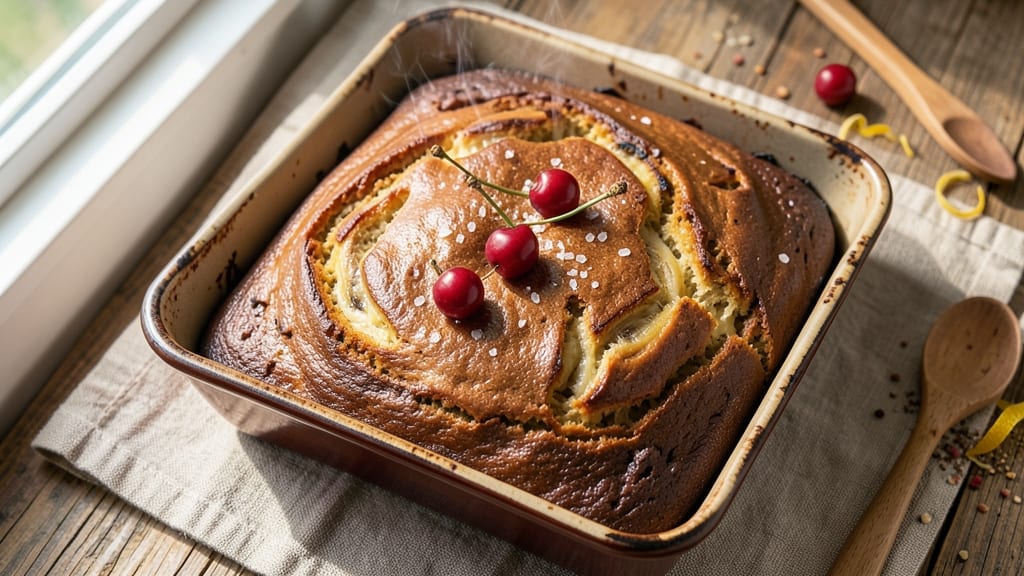
This alkaline banana bread recipe transforms overripe bananas into a tender, moist loaf with a subtle sweetness—no nuts required. The secret lies in baking soda, which creates an alkaline environment that tenderizes the crumb and enhances browning, resulting in a cake-like texture that stays fresh for days.
What sets this version apart is how the alkaline reaction breaks down gluten proteins, yielding a lighter, more uniform crumb than traditional recipes.
The process is straightforward: mash ripe bananas, combine with dry ingredients (including that crucial baking soda), and fold in melted butter for richness. Baking at 350°F for 50–60 minutes ensures a golden crust and a springy interior that crumbles just enough.
The lack of nuts makes it allergy-friendly while keeping the flavor profile simple yet satisfying—ideal for breakfast, snacks, or dessert cravings.
What you’ll achieve is a loaf with a moist crumb that resists dryness, even after sitting overnight. The alkaline method also reduces the need for extra sugar, balancing natural banana sweetness with just enough warmth.
Perfect for those who love banana bread but want a lighter, more modern take—this recipe delivers without compromising on texture or taste.
Pair with a dusting of powdered sugar or a drizzle of honey for extra indulgence. The versatility extends to variations like adding cinnamon, chocolate chips, or even a swirl of lemon zest. Let’s bake this loaf that’s as impressive as it is easy.
Ingredients for alkaline banana bread
Nine simple ingredients transform overripe bananas into a moist, tender loaf with perfect alkaline chemistry.
| Ingredient | Amount | Notes |
|---|---|---|
| Overripe Bananas 🍌 | 3 medium | Mashed until smooth |
| All-Purpose Flour 🌾 | 2 cups | Sifted for best texture |
| Granulated Sugar 🍚 | 1 cup | Light brown preferred |
| Baking Soda 🧂 | 1 tsp | Key for alkaline reaction |
| Salt 🧂 | ½ tsp | Fine sea salt preferred |
| Unsalted Butter 🧈 | ¾ cup | Melted and cooled |
| Large Eggs 🥚 | 2 whole | Room temperature preferred |
| Vanilla Extract 🌿 | 1 tsp | Pure extract preferred |
| Cinnamon 🌶️ | 1 tsp | Ground preferred |
| Powdered Sugar 🍚 | 2 tbsp | For dusting top |
| Lemon Zest 🍋 | 1 tbsp | Optional for brightness |
The bananas are the foundation—look for those with brown speckles, not black or mushy spots. Whole Foods or local markets often have the best selection of overripe fruit. Flour is non-negotiable here: King Arthur or Bob's Red Mill brands yield the best crumb texture. The baking soda is what makes this alkaline—Arm & Hammer is my go-to, but any brand works. For the butter, Land O'Lakes unsalted melts smoothly without graininess, and always measure it melted for accuracy.
No vanilla extract? Vanilla bean paste works at half the amount. The cinnamon can be swapped for pumpkin pie spice if you're feeling festive. Short on powdered sugar? Granulated sugar crushed in a blender does the trick. The lemon zest is optional but adds a bright contrast—organic lemons from the grocery store produce work fine. For the eggs, if you're avoiding them entirely, a flax egg substitute (1 tbsp ground flax + 3 tbsp water) maintains moisture, though texture will differ slightly. The butter must be melted and cooled to room temperature before mixing—microwave in 20-second bursts to avoid overheating.
This loaf keeps beautifully—3-4 days in an airtight container at room temperature or up to 1 week in the fridge. For longer storage, slice and freeze portions for up to 3 months. Wrap tightly in plastic wrap and aluminum foil to prevent freezer burn. The powdered sugar topping adds a professional finish—sift it through a fine-mesh sieve for an even dusting. Reheat slices in the oven at 300°F for 5-10 minutes to restore moisture if needed.
Why You'll Love This Recipe
- No Waste, All Flavor: I swear by this trick—those black-spotted bananas? They’re the secret weapon. The baking soda boosts their sweetness while keeping the texture tender, so you’re basically turning grocery-store rejects into something that’ll have your neighbors asking for the recipe.
- One-Bowl Magic: Honestly, this is the kind of recipe where I can mix, pour, and forget about it. Just mash the bananas, toss in the dry ingredients, and let the oven do the work. No fancy techniques, no stress—just a loaf that smells like home by the time it’s done.
- Breakfast or Snack: Between us, I’ve eaten this cold for breakfast, toasted with peanut butter, or even as a dessert with a drizzle of honey. The alkaline kick gives it a subtle depth that works in any moment—whether you’re rushing out the door or crashing on the couch.
- Budget Stretch: A loaf for under $2? That’s not a typo. Overripe bananas are free if you’re smart about it, and the rest of the ingredients are pantry staples. Plus, it keeps for days, so you’re not scrambling to use it up before it goes bad. Win.
Step-by-step instructions for moist alkaline banana bread
This method delivers a tender, moist crumb with perfect texture—every time.
Mash the Overripe Bananas Thoroughly
Begin by mashing the 3 medium overripe bananas until completely smooth. I use a fork in a medium bowl, pressing hard to break up all lumps and release the starches. The bananas should resemble thick pudding with no visible chunks. Overripe bananas are key here—their higher sugar content and broken-down cell structure create that signature moist texture.
Place the mashed bananas in a separate bowl and set aside. The cooler temperature helps stabilize the baking soda reaction later. If the mixture looks too thick, press it through a fine-mesh sieve to remove any remaining fiber, which can make the bread dense.
Cream Butter and Sugar Together
In a large mixing bowl, combine the 0.75 cup unsalted butter (melted and cooled to room temperature) with the 1 cup granulated sugar. Using a handheld mixer or stand mixer on medium speed, beat for 3-4 minutes until the mixture is light and fluffy. You're looking for a pale, airy consistency—the butter should nearly double in volume and leave faint ribbons when the beaters are lifted.
This creaming process incorporates air into the batter, which creates that signature tender crumb. Don't rush this step—under-creaming leads to dense bread. The butter should be completely smooth with no visible streaks of sugar remaining.
Incorporate Wet Ingredients and Baking Soda
Add the mashed bananas to the butter-sugar mixture and mix on low speed until fully combined. Then add the 2 whole large eggs (room temperature preferred), mixing just until incorporated. Stir in the 1 tsp vanilla extract and 1 tbsp lemon zest, ensuring the zest is finely distributed throughout.
In a separate small bowl, whisk together the 1 tsp baking soda and 0.5 tsp salt. Sift the 2 cups all-purpose flour into the wet mixture, then gently fold in the dry ingredients using a spatula. Stop mixing as soon as the flour disappears—overmixing develops gluten and makes the bread tough. The batter should be thick but pourable.
Prepare and Bake the Loaf
Preheat your oven to 350°F and grease a 9x5-inch loaf pan thoroughly with butter or nonstick spray. Pour the batter into the prepared pan and smooth the top with a spatula. Sprinkle the 2 tbsp powdered sugar evenly over the surface, pressing it lightly into the batter.
Bake for 50-60 minutes until a toothpick inserted in the center comes out clean and the top springs back when pressed gently. The edges should be golden brown, and the internal temperature should reach 205-210°F. If the top browns too quickly, tent the pan with foil after 30 minutes to prevent over-browning while maintaining moisture.
Cool and Serve for Maximum Moisture
Remove the bread from the oven and let it cool in the pan for 10 minutes. Then transfer it to a wire rack to cool completely. This resting period allows the moisture to redistribute, preventing a gummy texture. The bread is best served at room temperature, though slightly warm slices reveal the full depth of flavor.
Slice with a serrated knife for clean cuts, and store any leftovers wrapped tightly in plastic wrap or aluminum foil at room temperature for up to 3 days. For longer storage, freeze the loaf in slices—this preserves the moist texture beautifully.
Pro Tips For Making Alkaline Banana Bread
- Mash Bananas Thoroughly: I learned this the hard way—lumpy banana batter means dense, uneven bread. Use a fork first to break up the biggest chunks, then switch to a potato masher for that silky texture. No food processor? A sturdy whisk works, but elbow grease matters.
- Measure Baking Soda Precisely: That extra ¼ teaspoon of baking soda might seem harmless, but it’ll turn your bread bitter. Use a scale if you’re unsure—1 teaspoon is your max. And skip the baking powder entirely; this recipe relies on the alkaline reaction.
- Check Doneness with a Toothpick: The bread’s done when the center reads 195°F and comes out with a few moist crumbs—not wet batter. If you’re unsure, let it sit 5 minutes before testing. Overbaking dries it out fast, and nobody wants a brick.
- Add Warm Liquid to Sugar: Stir ¼ cup hot water into the sugar before mixing it with the banana puree. It dissolves faster and gives the batter a smoother start. Cold water? You’ll end up with grainy pockets of sugar—trust me, it’s worse than it sounds.
Creative variations of these flavors
Spiced Variations
Boost warmth by adding ½ tsp ground cardamom or ¼ tsp nutmeg alongside the cinnamon. These spices complement the banana's natural sweetness without overpowering it. For a zesty twist, swap the lemon zest for 1 tbsp orange zest—it brightens the crumb beautifully.
I’ve found that 1 tsp pumpkin pie spice (cinnamon + nutmeg + ginger) adds depth while keeping prep simple. 🌶️
Chocolate Twist
Fold in ½ cup semi-sweet chocolate chips or ¼ cup chopped dark chocolate (70% cocoa) for rich pockets of melt-in-your-mouth goodness. For a marbled effect, spread half the batter in the pan, then sprinkle 2 tbsp cocoa powder over it before adding the remaining batter.
This creates stunning swirls while keeping the texture tender. Use Ghirardelli chocolate chips for premium flavor. 🍫
Nut-Free Add-Ins
Since this recipe skips nuts, try ¼ cup toasted coconut flakes for tropical vibes or ½ cup dried cranberries> for tart contrast. For texture, fold in ¼ cup chopped dried apricots> (soaked in warm water for 10 minutes first).
These additions keep the loaf allergy-friendly while adding exciting flavor layers. Store-bought add-ins like Stuart Freeze-Dried Cranberries> work perfectly. 🥥
Seasonal Swaps
In summer, replace cinnamon with ½ tsp chili powder> and add 1 tbsp lime zest> for a spicy-sweet kick. For fall, swap lemon zest for 1 tbsp apple cider> and fold in ¼ cup diced apple> (peeled and sautéed with cinnamon).
Winter calls for ½ tsp ginger> and a sprinkle of candied ginger> on top. These seasonal tweaks keep the recipe fresh year-round. ❄️
Gluten-Free Adaptation
Replace the all-purpose flour with a 1:1 gluten-free baking flour blend> (like Bob’s Red Mill 1-to-1). Add 1 tbsp ground flaxseed> to the dry ingredients to improve binding. Reduce the baking time by 5-10 minutes>—gluten-free bread browns faster.
For extra moisture, add 2 tbsp applesauce> to the wet ingredients. The texture will be slightly denser but still delightfully moist. 🌾
Nutrition facts
Frequently asked questions
Why does this recipe use baking soda instead of baking powder?
The baking soda creates an alkaline environment that tenderizes the crumb and enhances browning, resulting in a cake-like texture. Unlike baking powder, it reacts directly with the acidic bananas to produce carbon dioxide, which gives the bread its signature moistness and lift. This method also reduces the need for extra sugar while keeping the flavor balanced.
Can I substitute baking soda with baking powder in this recipe?
Not directly—baking powder requires an acid (like buttermilk or yogurt) to activate, and this recipe relies on the bananas' natural acidity. However, you could use 1 tsp baking powder + ½ tsp cream of tartar as a substitute, but the texture and flavor will differ slightly. The alkaline reaction from baking soda is key for that signature tender crumb.
How do I know when my bananas are ripe enough for this recipe?
Look for bananas with brown speckles on the peel, but avoid those that are fully black or mushy. The riper the bananas, the sweeter and more flavorful your bread will be. If your bananas aren't ripe enough, place them in a paper bag with an apple for 1-2 days to speed up the ripening process.
Why does my alkaline banana bread turn out dense?
Overmixing the batter develops gluten, making the bread tough. Mix just until the flour disappears, and avoid creaming the butter and sugar for too long. Also, ensure your baking soda is fresh—old baking soda loses its potency. If the batter seems too thick, add 1-2 tbsp milk or water to improve texture.
Can I make this recipe without eggs?
Yes! Replace the 2 eggs with 2 tbsp ground flaxseed + 6 tbsp water (let it sit for 5 minutes to thicken). For a richer texture, use ½ cup unsweetened applesauce. The bread will be slightly denser but still moist and delicious. The alkaline reaction from the baking soda helps compensate for the lack of eggs.