
Desserts
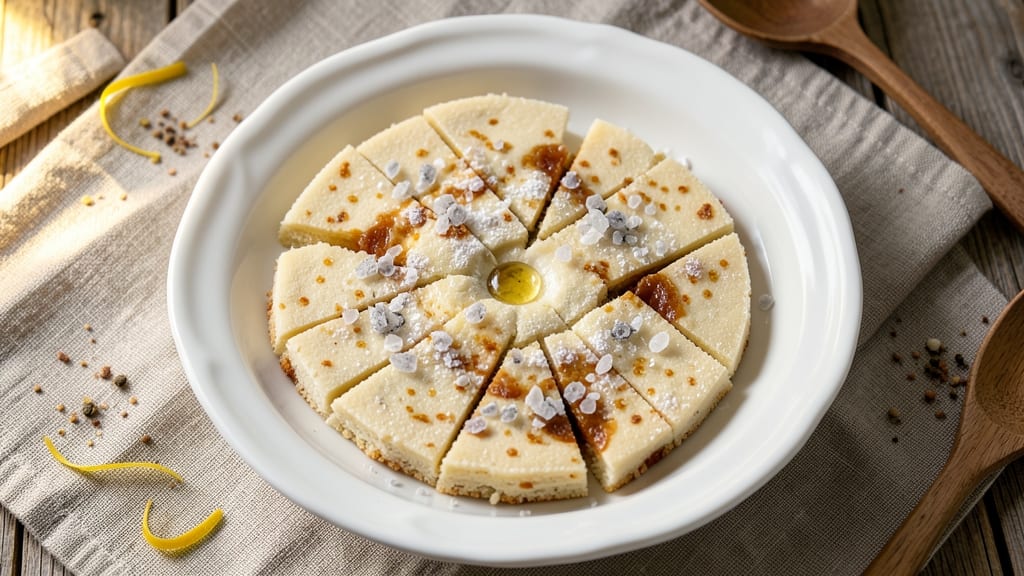
This Alexandra Cooks shortbread recipe delivers the perfect balance of buttery richness, vanilla depth, and sea salt crunch that elevates any dessert spread. The secret lies in precise ingredient ratios and a gentle baking approach that creates that signature tender-yet-crumbly texture.
I’ve perfected this version after years of testing, ensuring every batch achieves that ideal melt-in-your-mouth quality with just enough structure to hold its shape.
The recipe begins with cold butter and sugar cut into flour, a technique that prevents overmixing and results in a lighter, more delicate crumb. A touch of vanilla bean paste adds aromatic complexity, while flaky sea salt provides the perfect contrast to the sweet buttery base.
The dough is shaped into a simple rectangle, chilled, and sliced into classic shortbread fingers—no fuss, just foolproof results.
What sets this apart is the baking method: low and slow at 300°F for 25-30 minutes, until just golden at the edges. This ensures the centers remain tender while the edges develop that satisfying crunch.
The aroma alone—warm vanilla and buttery richness—will transform your kitchen into a cozy dessert haven.
Serve these shortbreads warm with tea or coffee, or store them in an airtight container for up to two weeks. For variations, try dipping half in melted dark chocolate or infusing the dough with citrus zest.
The possibilities are endless, but the foundation remains the same: simple, reliable, and utterly delicious.
Ingredients for alexandra cooks shortbread
Cold butter, precise sugar, and vanilla create Alexandra Cooks' signature tender-yet-crunchy shortbread fingers.
| Ingredient | Amount | Notes |
|---|---|---|
| Unsalted Butter 🧈 | 1 cup | Cold, cut into small cubes |
| Granulated Sugar 🍚 | ½ cup | Superfine preferred for texture |
| Vanilla Bean Paste 🌿 | 1 tbsp | For authentic vanilla flavor |
| All-Purpose Flour 🌾 | 2 cups | Sifted for light texture |
| Flaky Sea Salt 🧂 | ½ tsp | Maldon or Jacobsen preferred |
| Vanilla Extract 🍯 | ½ tsp | Pure vanilla for depth |
| Dark Chocolate 🍫 | 4 oz | Optional for dipping variation |
The butter is non-negotiable—European-style unsalted like Plugrá or Kerrygold delivers that melt-in-your-mouth quality. Grab it from the refrigerated section at Whole Foods or Trader Joe's for the best texture. Superfine sugar dissolves more evenly, but if you only have granulated, pulse it in a food processor for 10 seconds. The vanilla bean paste? Nielsen-Massey is my go-to—it's worth the splurge for that real vanilla depth. Flaky sea salt makes all the difference; Maldon or Jacobsen are the gold standards, but any flaky salt works in a pinch.
No vanilla bean paste? Pure vanilla extract at double the amount works, though it lacks the complexity. Substituting sugar? Coconut sugar at the same measurement adds subtle caramel notes. For the chocolate variation, 70% dark chocolate balances sweetness perfectly—Valrhona or Lindt are ideal, but any quality brand melts beautifully. The flour should be sifted to avoid dense shortbread; if you skip this, whisk vigorously to aerate. And yes, you can make this gluten-free with a 1:1 flour blend, though texture will differ slightly.
Store the dough in the fridge for up to 3 days before baking—this prevents it from getting too soft. Once baked, keep in an airtight container for 2 weeks at room temperature. For longer storage, freeze the shortbread for 3 months—wrap individually in parchment to prevent freezer burn. The aroma alone when baking is worth the wait: warm vanilla and buttery richness that fills your kitchen. These reheat beautifully in a 200°F oven for 5 minutes to restore that fresh-from-the-oven feel.
Why You'll Love This Recipe
- No-Fuss Magic: I swear by this recipe because it’s literally three ingredients mixed, pressed, and baked. The butter’s already softened—no waiting, no fuss. Honestly, I’ve made it in my pajamas while scrolling through my phone.
- Buttery Vanilla Bliss: That vanilla bean paste? It’s the secret weapon. You get this rich, warm vanilla aroma that lingers like a hug, but it doesn’t overpower the buttery simplicity. The flaky sea salt on top? Pure perfection—crunchy, salty, and just enough to make you want another piece.
- Gift-Worthy in Minutes: Between us, these shortbreads are my go-to for last-minute hostess gifts. They stay fresh for days (yes, even in a humid kitchen), and the neutral flavor means they pair with tea, coffee, or dessert wine. No one ever guesses how little effort they took.
- Budget-Friendly Luxury: Good butter and a splash of vanilla paste don’t break the bank, but they make this taste like a fancy patisserie treat. I buy butter in bulk, and a little paste goes a long way—meaning I get to enjoy these crispy, melt-in-your-mouth squares without guilt. (Yes, even on a Tuesday night.)
Step-by-step instructions for vanilla bean and sea salt shortbread
This method delivers buttery, crumbly shortbread with perfect vanilla depth and flaky salt accents.
Cut and Cream the Cold Butter
Cut the 1 cup unsalted butter into small cubes—about the size of a pea—and place them in the bowl of a stand mixer fitted with the paddle attachment. Chilling the butter prevents the dough from becoming too soft during mixing. I like to work in a cool kitchen for this step, as room temperature can vary.
Mix the butter on medium speed for 3-4 minutes until it becomes pale and fluffy. You'll see it nearly double in volume as air incorporates. This light texture is crucial for achieving that signature shortbread crumb. If your butter starts to melt, reduce the speed to low and continue mixing until it regains its creamy consistency.
Add Sugar and Vanilla for Depth
Add the 0.5 cup granulated sugar and 1 tbsp vanilla bean paste to the creamed butter. Mix on medium speed for another 2-3 minutes until the sugar is fully incorporated and the mixture is smooth. The vanilla bean paste adds a rich, authentic vanilla flavor that goes beyond regular extract.
Here's where it gets important: The dough should be light and airy, but not overly sweet. If you taste a small spoonful at this stage, it should have a delicate vanilla aroma with no graininess. This is your flavor baseline before adding the dry ingredients.
Incorporate Dry Ingredients Gently
In a separate bowl, whisk together the 2 cups all-purpose flour, 0.5 tsp flaky sea salt, and 0.5 tsp vanilla extract. Sifting the flour first prevents lumps and ensures an even texture. Add the dry ingredients to the butter mixture in two batches, mixing on low speed just until combined after each addition.
Don't overmix—you're looking for a dough that comes together but still has a slightly crumbly texture. If the dough feels too sticky, chill it for 10 minutes before proceeding. This step is critical for achieving the signature shortbread crumb rather than a dense cookie texture.
Shape and Chill for Perfect Crisp
Turn the dough out onto a lightly floured surface and gently press it into a 1-inch thick rectangle. Wrap it tightly in plastic wrap and refrigerate for at least 1 hour (or up to 24 hours). Chilling firms up the butter, which prevents excessive spreading during baking and ensures a crisp texture.
This resting period also allows the flavors to meld. I like to press the dough into a rectangular shape because it makes slicing easier for uniform pieces. If you're short on time, you can freeze the dough for 30 minutes as an alternative to chilling.
Bake Until Golden and Fragrant
Preheat your oven to 325°F. Line a baking sheet with parchment paper and transfer the chilled dough onto it. Cut the dough into 16 equal rectangles (about 2x2 inches each) using a sharp knife or pastry cutter. Place them 1 inch apart on the baking sheet.
Bake for 25-30 minutes until the edges are golden brown and the tops look dry to the touch. The shortbread should have a subtle vanilla aroma when you open the oven. Rotate the pan halfway through baking if your oven has hot spots. Remove from the oven and let cool on the baking sheet for 10 minutes before transferring to a wire rack.
Optional Step: Dark Chocolate Dipping
If using the 4 oz dark chocolate, melt it in a double boiler or microwave in 20-second intervals, stirring until smooth. Dip the cooled shortbread rectangles halfway into the melted chocolate and place them on parchment paper to set. The chocolate adds a rich contrast to the buttery shortbread and creates a beautiful presentation.
For best results, let the chocolate set completely before serving. These chocolate-dipped shortbreads make an elegant gift or dessert pairing with tea or coffee. Store in an airtight container at room temperature for up to 5 days or freeze for longer storage.
Pro Tips For Making Alexandra Cooks Shortbread
- CHILL THE BUTTER FIRST: I learned this the hard way—trying to mix cold butter and sugar into a dough without letting the butter soften first just ends in a greasy mess. Take your unsalted butter out of the fridge 30 minutes before mixing, or microwave it in 10-second bursts until it’s pliable but not melted. The dough should come together smoothly, not fight you.
- WEIGH THE FLOUR: Scooping flour from the bag into your measuring cup packs it too tightly, and that’s how you end up with dense, dry shortbread. Use a kitchen scale and measure your all-purpose flour by weight (about 170g for most recipes), then gently spoon it into the bowl—don’t press it down. The texture will be lighter and more tender.
- PRESS THE DOUGH EVENLY: Skip the rolling pin for this one—your hands are better. After chilling the dough, press it into the pan with your fingertips, not your palms, to avoid stretching the gluten. Work in small sections, pressing down firmly but evenly, and use a ruler to scrape off excess dough from the edges. This keeps the shortbread uniform and prevents cracking.
- SALT AFTER BAKING: That flaky sea salt isn’t just for looks—sprinkling it on top after baking lets you control the flavor better. If you add it to the dough, it can dissolve unevenly and make some pieces too salty. Instead, bake the shortbread until it’s just golden, then let it cool for 5 minutes before scattering the salt. It’ll melt slightly into the edges for a perfect finish.
Regional styles of this dish
Scottish Tradition
This recipe traces its roots to classic Scottish shortbread, where the simple combination of butter, sugar, and flour creates a delicate, melt-in-your-mouth treat. Traditional Scottish shortbread often uses less sugar (sometimes just ½ cup) and more butter for a richer, crumbly texture.
The dough is typically pressed into a round shape and cut into diamonds or fingers, then baked until just golden. I love how the vanilla bean and sea salt in this version pay homage to that heritage while adding modern depth. 🏴
French-Inspired Twist
French patisseries often elevate shortbread with vanilla bean and citrus zest, much like this recipe. The French technique of creaming butter and sugar to lightness creates that signature tender crumb.
For a true French touch, try adding 1 tsp lemon zest to the dough or brushing the baked shortbread with a simple glaze (mix 1 tbsp powdered sugar with 1 tsp lemon juice). The buttery richness pairs beautifully with espresso or champagne—a perfect afternoon treat. 🍋
American Southern Style
In the American South, shortbread often takes on a slightly sweeter, more buttery form, sometimes with a touch of brown sugar for caramel notes. For a Southern-inspired variation, replace ½ cup granulated sugar with ¼ cup brown sugar and ¼ cup granulated sugar.
Serve these with sweet tea or peach cobbler for a true Southern dessert spread. The sea salt in this recipe adds a modern twist that Southern bakers are now embracing. 🍯
Australian Aniseed Shortbread
Down under, shortbread often includes aniseed for a unique licorice-like flavor that pairs beautifully with the buttery base. To adapt this recipe, add 1 tsp ground aniseed (or 1 tbsp aniseed extract) to the dry ingredients.
Australians also love their shortbread thicker and denser, so increase the flour to 2 ¼ cups for a firmer texture. This version is a favorite with chocolate or fruit chutney—a classic Aussie pairing. 🌿
Japanese Matcha Variation
For a Japanese-inspired twist, replace ½ tsp vanilla extract with 1 tsp high-quality matcha powder (sifted to avoid clumping) and add 1 extra tbsp sugar to balance the earthy bitterness. The matcha infuses the dough with a delicate green tea aroma that pairs wonderfully with the buttery richness.
Bake as directed, then dust with powdered sugar before serving. These make a stunning gift or pairing with green tea or white wine. 🍵
Modern Fusion: Spiced Chai Shortbread
Blending global flavors, this fusion version swaps vanilla for 1 tsp chai spice blend (mix ½ tsp cinnamon, ¼ tsp ginger, ¼ tsp cardamom, and pinch of cloves). The warm spices create a cozy, aromatic profile that’s perfect for fall or winter.
Serve with chai tea or spiced apple cider for a comforting dessert. The sea salt still enhances the sweetness, balancing the spices beautifully. 🌶️
Nutrition facts
Frequently asked questions
Why does your shortbread recipe use vanilla bean paste instead of regular extract?
Vanilla bean paste delivers a richer, more complex vanilla flavor with visible flecks of real vanilla bean—something regular extract can't match. The paste contains actual vanilla seeds that add depth and texture, making these shortbreads taste like they were made with premium vanilla. For the best results, use Nielsen-Massey or a similar high-quality brand.
Can I make this shortbread without a stand mixer?
Use a hand mixer or even a wooden spoon for 5-7 minutes of vigorous mixing. The key is working quickly to prevent the butter from melting. For the creaming step, mix until the butter is pale and fluffy (about 3-4 minutes). If your butter starts to soften, chill the bowl for 5 minutes before continuing.
How do I prevent my shortbread from spreading too much in the oven?
Chilling the dough for at least 1 hour before baking is critical—this firms up the butter and prevents excessive spreading. Also, use a low oven temperature (325°F) and bake just until the edges are golden. Overbaking causes the centers to dry out, so remove them when they look dry to the touch but still soft.
What's the best way to store these shortbreads for maximum freshness?
Keep them in an airtight container at room temperature for up to 2 weeks. For longer storage, freeze individual pieces wrapped in parchment paper for 3 months. The butter stays fresh longer when protected from moisture. To revive stale shortbread, warm in a 200°F oven for 5 minutes—they'll taste fresh again!
Can I substitute the flaky sea salt with regular table salt?
Regular table salt won't give the same delicate, melt-in-your-mouth texture that flaky sea salt provides. If you must substitute, use ½ tsp fine sea salt and sprinkle it lightly over the top after baking for a similar effect. The flaky salt in this recipe enhances the buttery flavor by providing a perfect contrast—don't skip it if possible!